Staying upright in Iceland: tips to avoid slips and falls
If you’re planning an Iceland winter trip 55+, this guide helps you stay safe and upright on icy and slippery paths, with realistic tips from personal experience and what really works
I’ll admit that in the weeks leading up to our trip, my search history was a bleak collection of ‘best microspikes’ and ‘Reykjavík A&E wait times.’ I was convinced that Iceland was basically a giant, scenic slip-and-slide designed for my personal humiliation. Having already broken my shoulder once, I’ve done enough physical therapy to know that I’ve no desire to turn it into a hobby – and I certainly wasn’t looking for a refresher course on a sheet of black ice.
But as it turns out, I spent a lot of energy worrying about a catastrophe that never arrived. While the country can indeed be very icy and the wind does its best to knock you off your axis, I managed to spend the entire five days without turning into an unplanned YouTube fail video. It is surprisingly possible to keep your dignity intact, provided you have the right shoes and a basic respect for the wind. And, of course, it helps if there’s – surprisingly – hardly any snow at all.
This post isn’t how physically fit you need to be to see all the sights. I wrote a separate post about required fitness levels. This one is purely about how to see all the beautiful sights without worrying about losing your footing and ending up in A&E – or on YouTube.
Since we were only there for a few days, our itinerary was a bit of a crash course in Icelandic surfaces. I quickly discovered that ice and snow aren’t the only things trying to trip you up. There’s also mud, gravel, water and of course: the wind. Despite all of that, we managed to navigate the sights without a trip to the local clinic. Let me tell you how!
How do you stay upright in Iceland in winter?
Staying upright in Iceland is less about strength, and more about traction, balance, and slowing down.
Most slips happen on short walks — wet paths near waterfalls, icy patches, or uneven ground — rather than anything dramatic. The key is good footwear, a steady pace, and paying attention to where you’re putting your feet.
In practice: slow down, use proper grip (or microspikes in winter), and assume anything shiny might be slippery. That alone makes a noticeable difference.
It’s not difficult — but it does require a bit more attention than you might expect.
On this page ❄
- Why staying upright in Iceland is not a given
- Who this article is (and isn’t) for
- My biggest “almost slips” in Iceland
- Places where I was extra careful
- What to bring: microspikes, walking poles, Saint Bernard dog with barrel of brandy?
- The traction toolkit: my survival essentials
- How to avoid slipping in Iceland: the short version
Why staying upright in Iceland is not a given
Iceland’s beauty comes with a variety of surfaces that can trip up even experienced travellers. Paved streets and parking lots can become slick with ice or rain. Wooden boardwalks and viewing platforms near waterfalls are often wet and slippery. Gravel paths can shift underfoot, and volcanic sand or ash can hide uneven spots. Glaciers, even on short walks, are icy and require careful attention. Add sudden gusts of wind, steep stairs, and muddy areas around geothermal sites, and you quickly see why staying upright is not always simple. I visited all of these places myself, and I’m here to tell you exactly where to pay special attention—and what to do at each site—so you don’t end up needing an ambulance ride back to Reykjavík.
Who this article is (and isn’t) for
This article is for anyone who loves a bit of adventure, wants to see Iceland’s natural sights, and maybe even walk on a glacier for a while, but would prefer to do all of that without tripping, slipping, falling into mud pots or waterfalls, or breaking something along the way.
Maybe that fear has stopped you from visiting Iceland altogether. Maybe you’ve been too nervous to book in case you needed to be a mountaineer, an extreme survivalist, or a mountain goat. I felt like that too. Eventually, I got over myself and booked the trip, and I hope my experiences will reassure you.
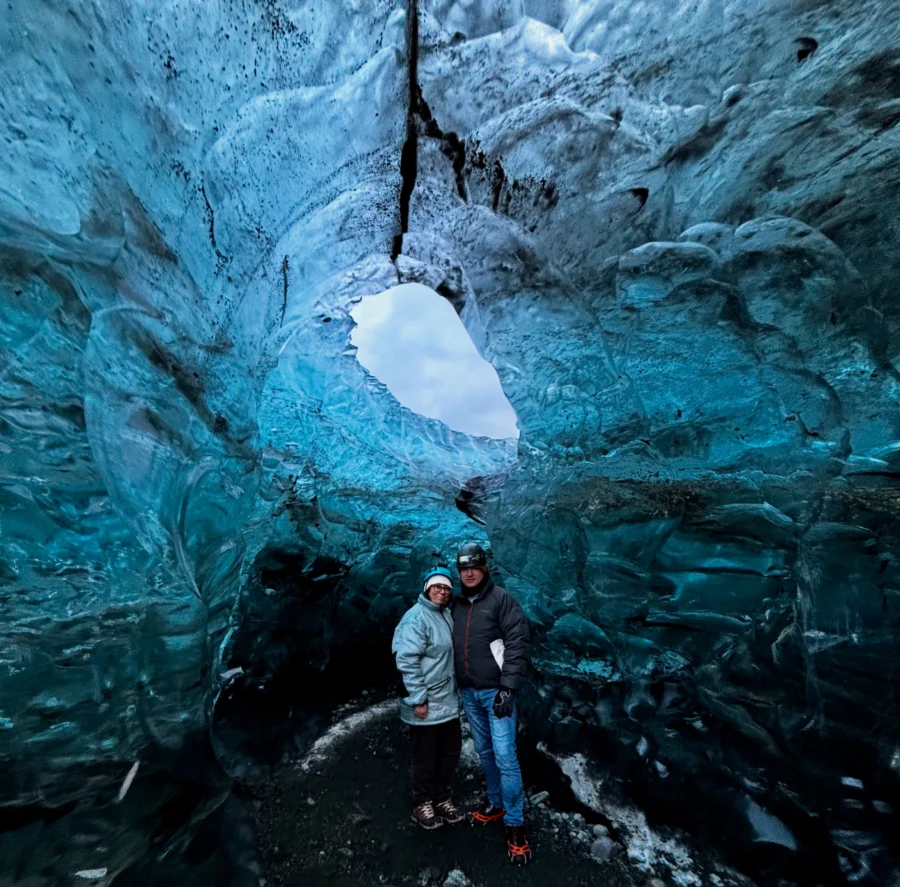
Who this article is not for: mountaineers, extreme survivalists, or mountain goats. We did not rappel down waterfalls. We did not do multi-day hikes. We stuck to paths with handrails, stairs, parking lots, and paved streets. Although we did don crampons and helmets to venture out onto a glacier, this was guided and safe if you just follow instructions.
And still, there were moments when I performed a sort of terrified, slow-motion ballet in an effort to stay upright. This was, of course, when I had decided I didn’t need my microspikes, the guardrail, or the guide’s helping hand—because it didn’t look slippery. Spoiler: it was.
My biggest “almost slips” in Iceland
I didn’t actually fall over in Iceland, but I came very close more times than I’d like to admit. Most of my near-slips happened when I underestimated the ground or the wind. Or when I got a little too confident.
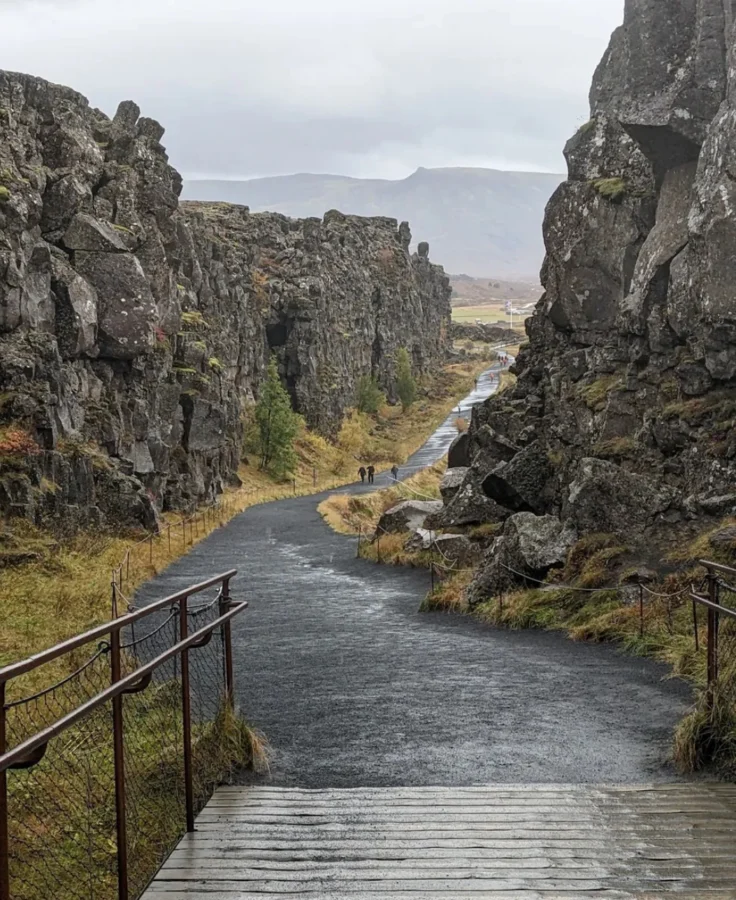
Thingvellir was my first wake-up call. The paths look harmless, but the muddy patches are slick in a way that doesn’t register until your foot starts sliding. As they’re all going downhill, you can land in the mud more easily than you’d like. I caught myself just in time, but it made me slow way down after that.
Reynisfjara, the beach with the sneaker waves, was a different kind of almost-fall. I leaned into the wind a little too confidently, the wind eased for half a second, and suddenly I was pitching forward like a cartoon character. Turns out, fighting Icelandic wind is a losing battle. It was actually quite difficult staying upright in the wind. Our guide told us that if you felt you were about to be blown off your feet, bending your knees and lowering your centre of gravity worked. It did.
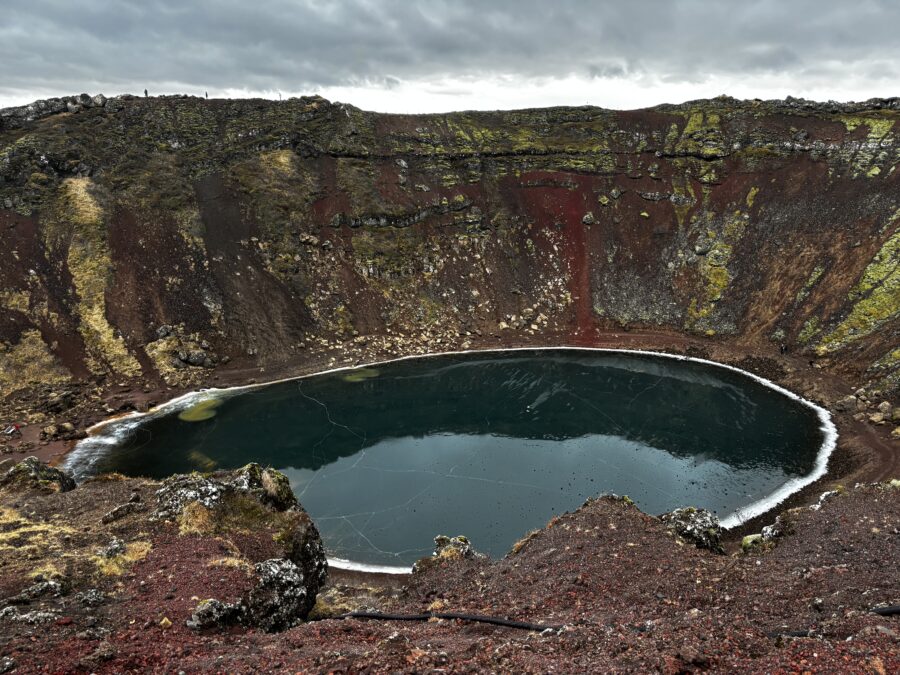
At Kerið crater, I walked a bit too close to the edge while the wind was absolutely ripping through the bowl. I was doing this on a gravel path which wasn’t all that steady. One strong gust of wind sent me sliding. This was enough to make me rethink my life choices and take several very deliberate steps back. A second mistake was that I thought I could overtake the slow people in front of me on the steps. I took the path next to it and ended up sliding half of the way down. Take the steps.
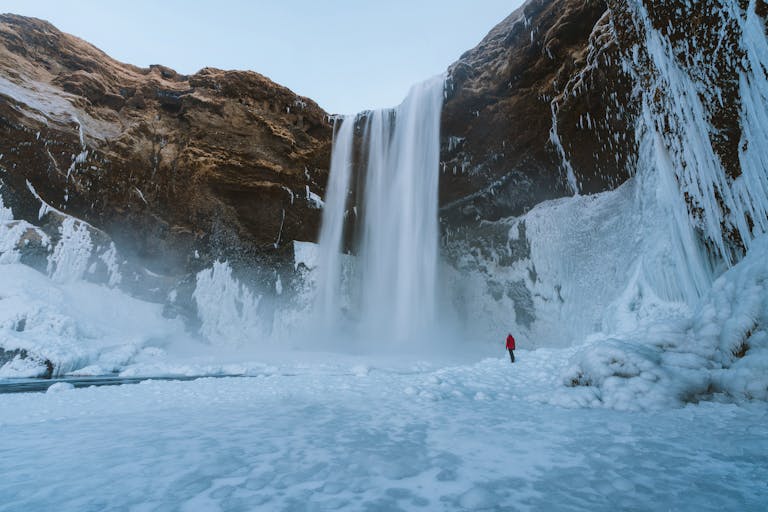
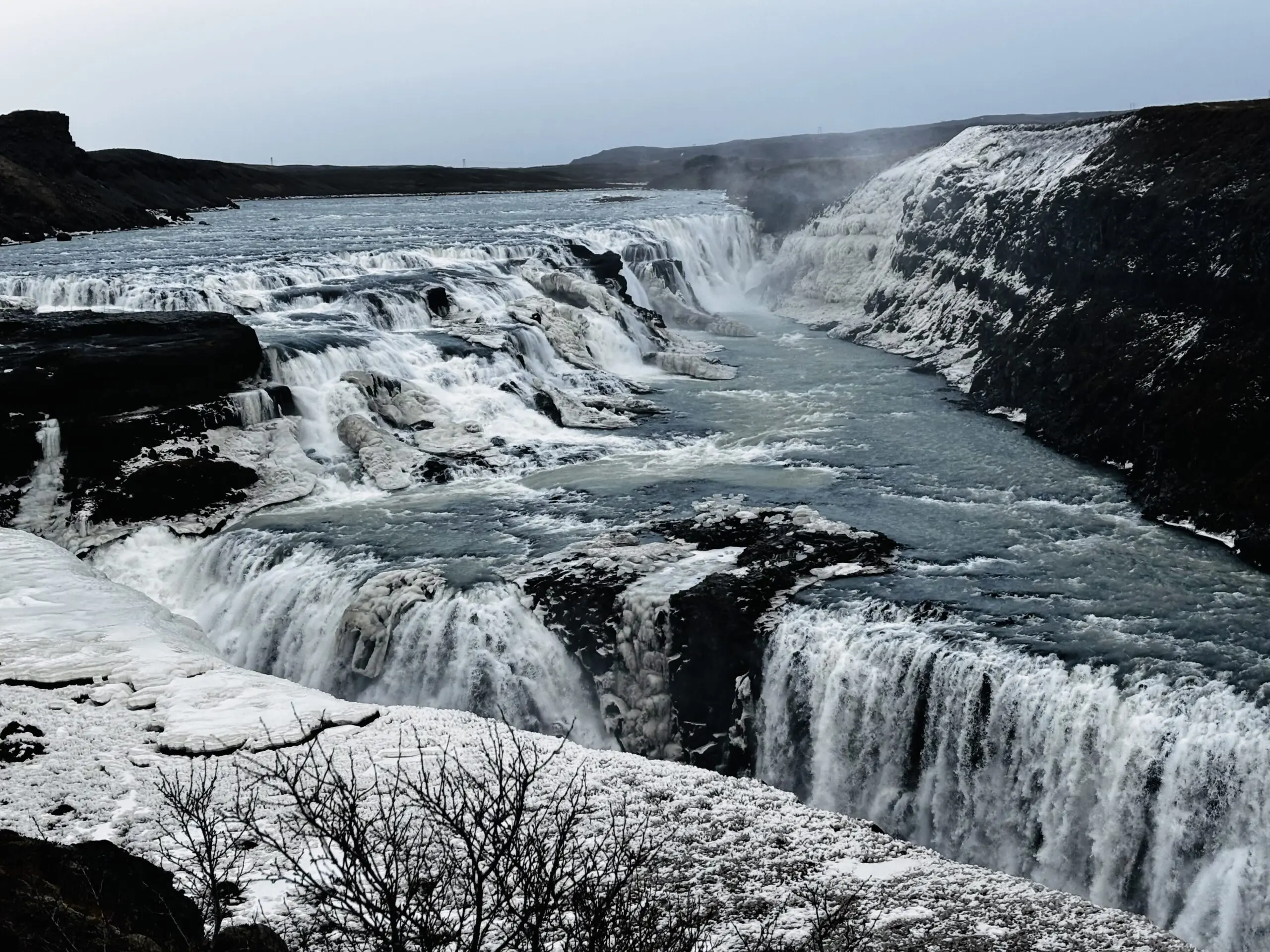
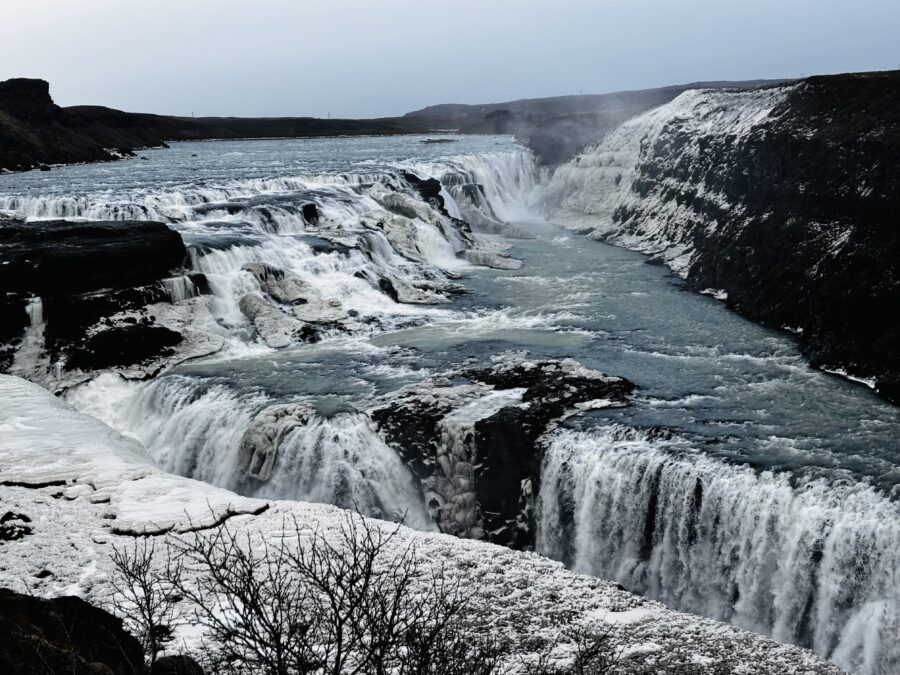
Gullfoss nearly got me too—purely because I didn’t notice the icy stairs right away. They looked wet, not frozen, and that split second of surprise was enough to make my heart stop.
And finally, the glacier. I was being too careful. I walked so tentatively that my crampons didn’t bite into the ice properly, which is almost worse than walking normally. Once I trusted them and put my weight down properly, everything felt much more stable. Your guide will show you how it’s done and I should have trusted him more.
Places where I was extra careful
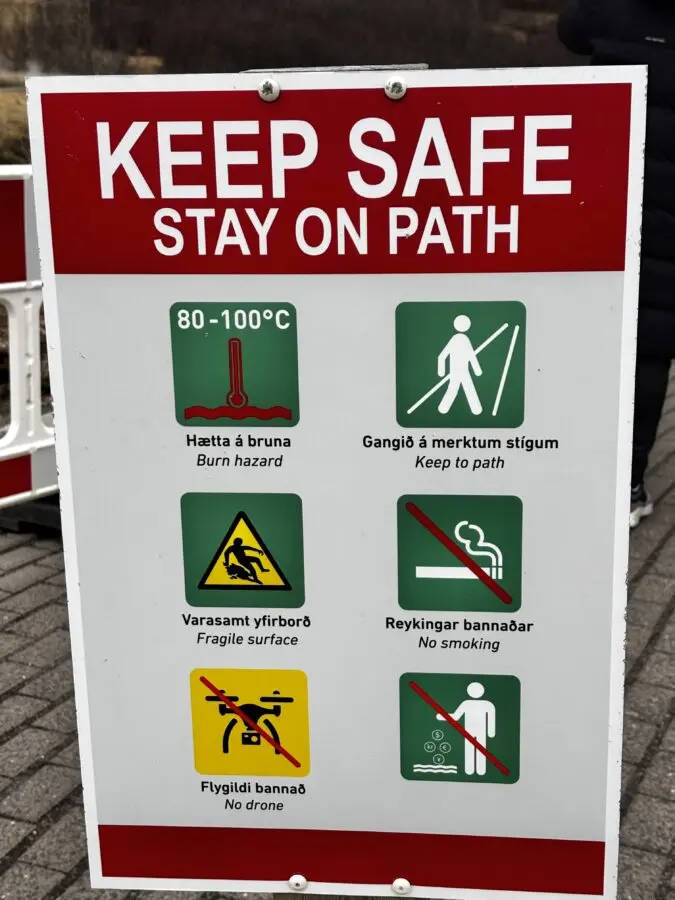
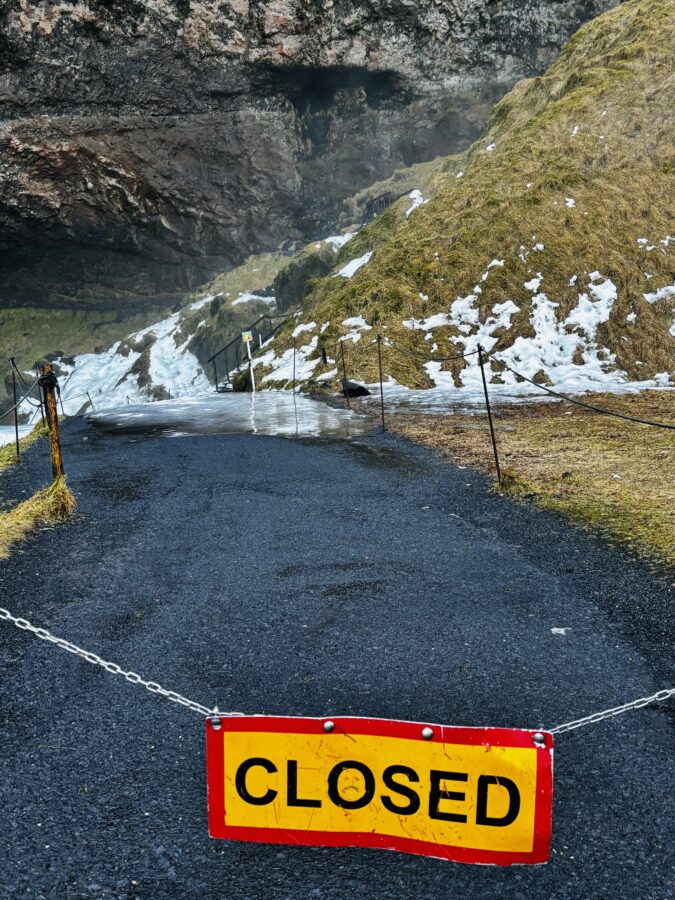
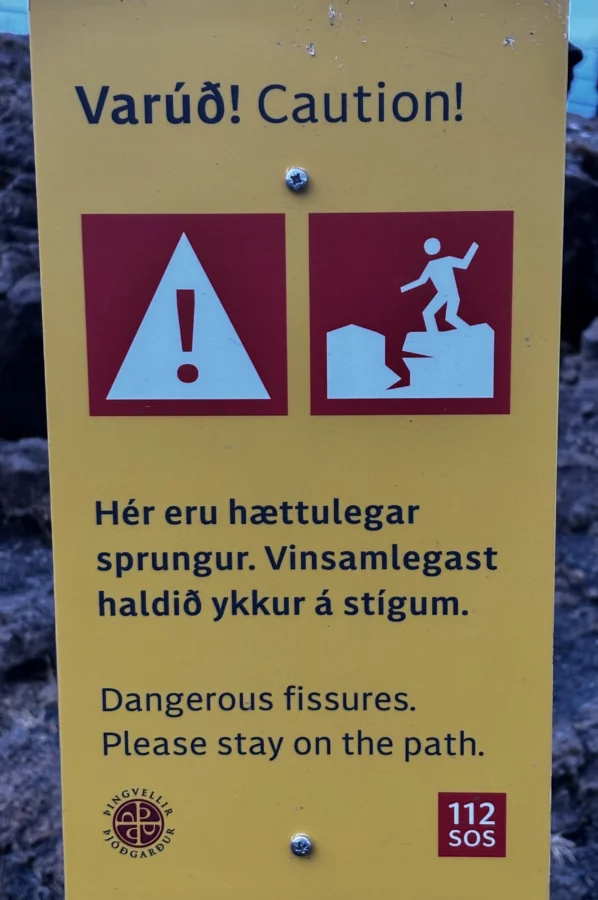
After all that, I became much more intentional about how I moved around. I paid more attention to the little signs telling me what to do (Stay on the paths) and what not to do (Do not go on the beach). I held onto handrails if they were there. I skipped most of the places where I had to scramble over rocks or jump over streams, and I listened to the guide when he offered advice. When a path was closed, like the one behind Seljalandsfoss, I assumed this was for a reason and stayed off it.
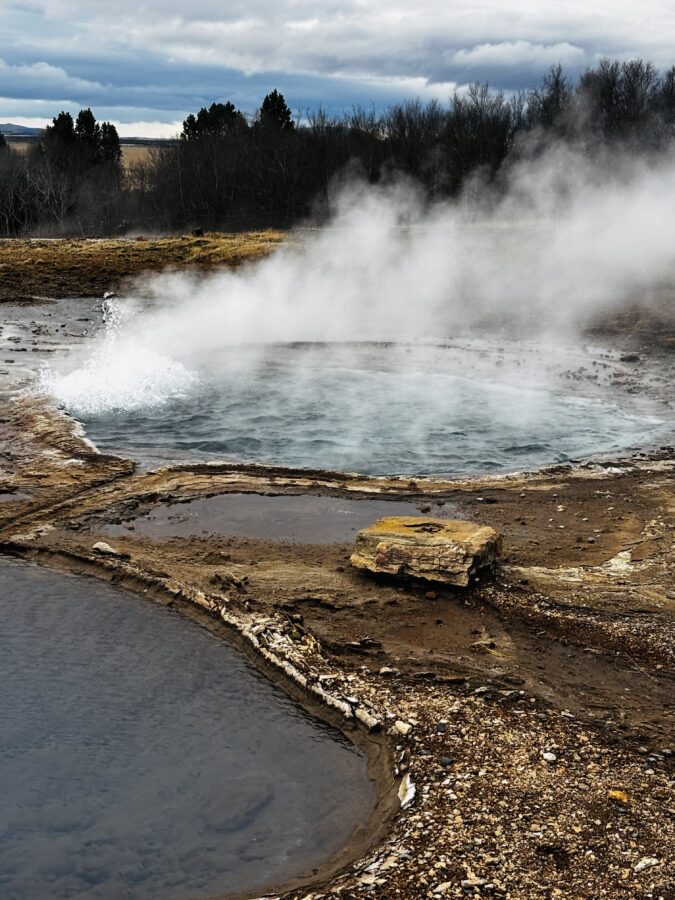
Muddy or uneven paths—at Thingvellir, at the thermal fields, at Gullfoss —meant slow steps and zero rushing. Windy viewpoints, cliffs, and crater edges meant standing farther back than felt necessary and absolutely no leaning “just to see.” Not to be dramatic but no matter how stunning something may look, you don’t want it to be the last thing you ever see.
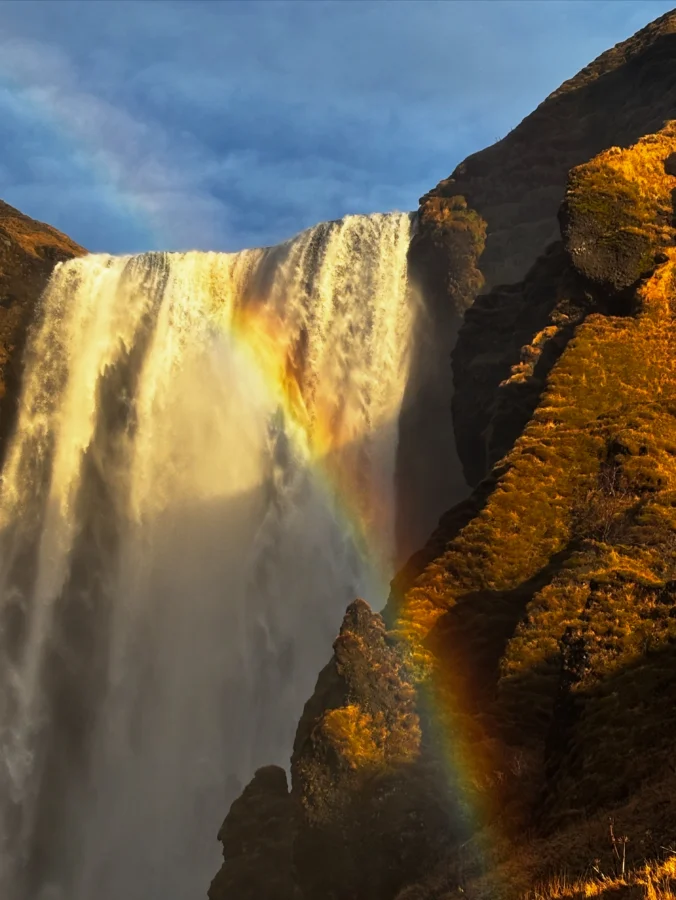
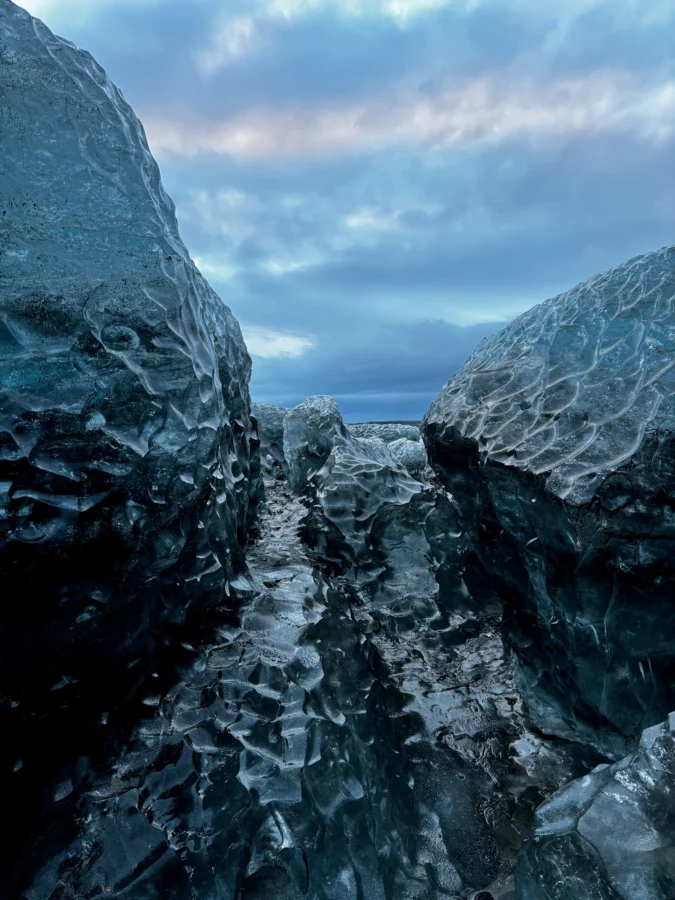
Anywhere near waterfalls got treated as icy, whether it looked icy or not. Cold spray is very good at pretending to be harmless water.
On the glacier, being careful meant committing to each step instead of hovering nervously above the ice and hoping for the best. Following instructions also helped. A lot.
Basically, if a place was windy, wet, muddy, icy, dramatic, or all of the above, I paid extra attention—and stayed upright mostly by respecting Iceland’s clear desire to knock people over.
What to bring: microspikes, walking poles, Saint Bernard dog with barrel of brandy?
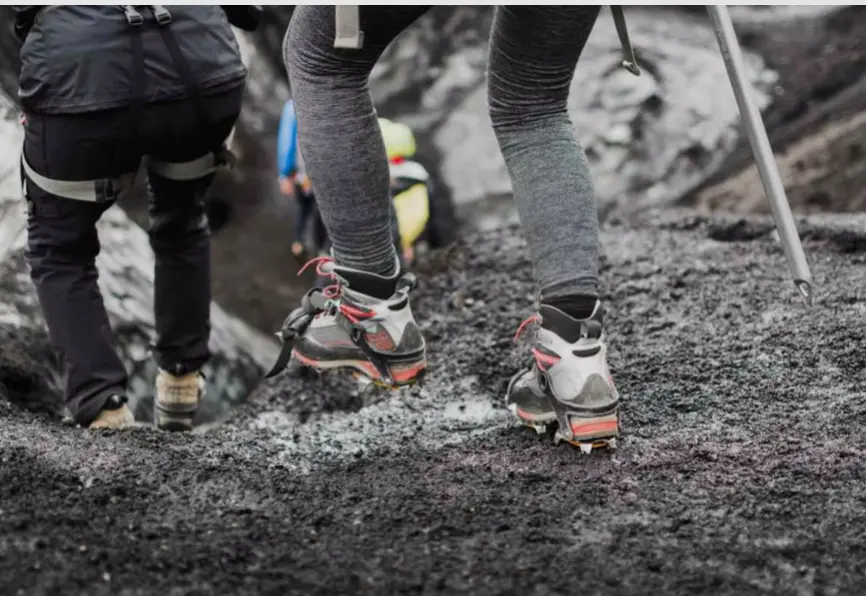
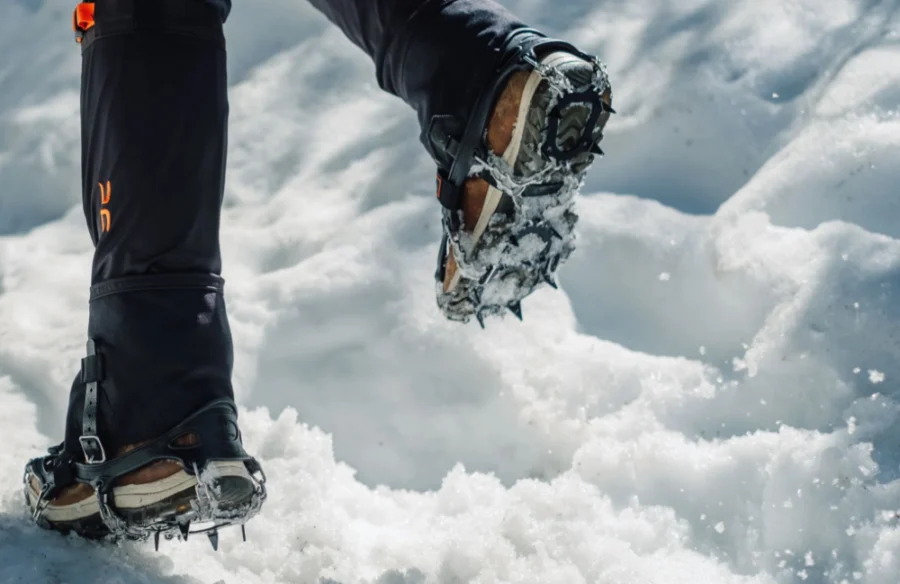
While a Saint Bernard might be overkill (and the brandy will bankrupt you), there are a few items that will make your Iceland adventures much safer—and more enjoyable. A sturdy, waterproof pair of boots with good traction is essential for mud, gravel, and wet surfaces. Microspikes are a must if you plan to walk on icy paths or take short glacier walks. They give your feet the grip that regular boots can’t. You can buy them before you go, most tours provide them, and they’re widely available in Iceland.
Walking poles add extra stability on uneven terrain, steep stairs, and slippery boardwalks. I didn’t bring any, and I regretted it slightly. They would have given me just a bit more confidence in some places. Even more so since I had developed a rather bad case of plantar fasciitis (also known as very painful heel) and was unsuccessfully trying to keep weight off my foot. If you’d like the full rundown of what I packed: I’ve written it all up in my Iceland packing list.
The traction toolkit: my survival essentials
If you share my particular brand of “balance anxiety,”: To stay upright on Iceland’s winter paths, I relied on a simple traction toolkit:
- Microspikes for icy paths – These gave me grip where boots alone wouldn’t, letting me walk confidently on frozen trails.
- Sturdy winter boots – Waterproof, insulated, and with good tread, essential for slippery rocks and snow-covered paths.
- Handrails and guide support – Always use guardrails when available, and don’t hesitate to accept a hand from a guide or fellow traveller during tricky sections.
- Awareness of conditions – I kept an eye on the terrain and wind, slowing down before spots looked particularly tricky.
- Patience and pace – Walking deliberately and giving myself extra time made a huge difference in feeling secure.
All of this doesn’t make you invincible. It just makes you significantly harder to knock over. Iceland will still test you, mostly when you least expect it. But with the right gear, a bit of shuffling, and the humility to take a helping hand, you can keep your trip memorable for the views—not for the incident report.
If you’re curious about the stamina and physical demands of winter travel in Iceland, check out our guide on how physically challenging Iceland really is. It’s a great companion for anyone planning a trip 55+ or wondering what to expect from daily walking and activities.
How to avoid slipping in Iceland: the short version
Slipping in Iceland isn’t usually about doing anything particularly difficult – it’s more about the conditions catching you out. Paths are often wet, uneven, or quietly icy, especially near waterfalls and viewpoints where everything looks deceptively manageable.
The main adjustment is simply to slow down a little and pay attention to where you’re putting your feet. Footwear makes a noticeable difference, and in winter, something with extra grip can turn a slightly tense walk into a much more relaxed one.
It’s not something to worry about, but it is something to take seriously. Iceland has a way of rewarding caution rather than confidence.
This post is part of a series about enjoying Iceland in winter. Find them all on the country page!