Morocco travel: what to expect (the good, the challenging, and the unexpected)
Morocco is one of those destinations that inspires equal parts curiosity and hesitation among travellers, especially those who have outgrown the backpacking age.
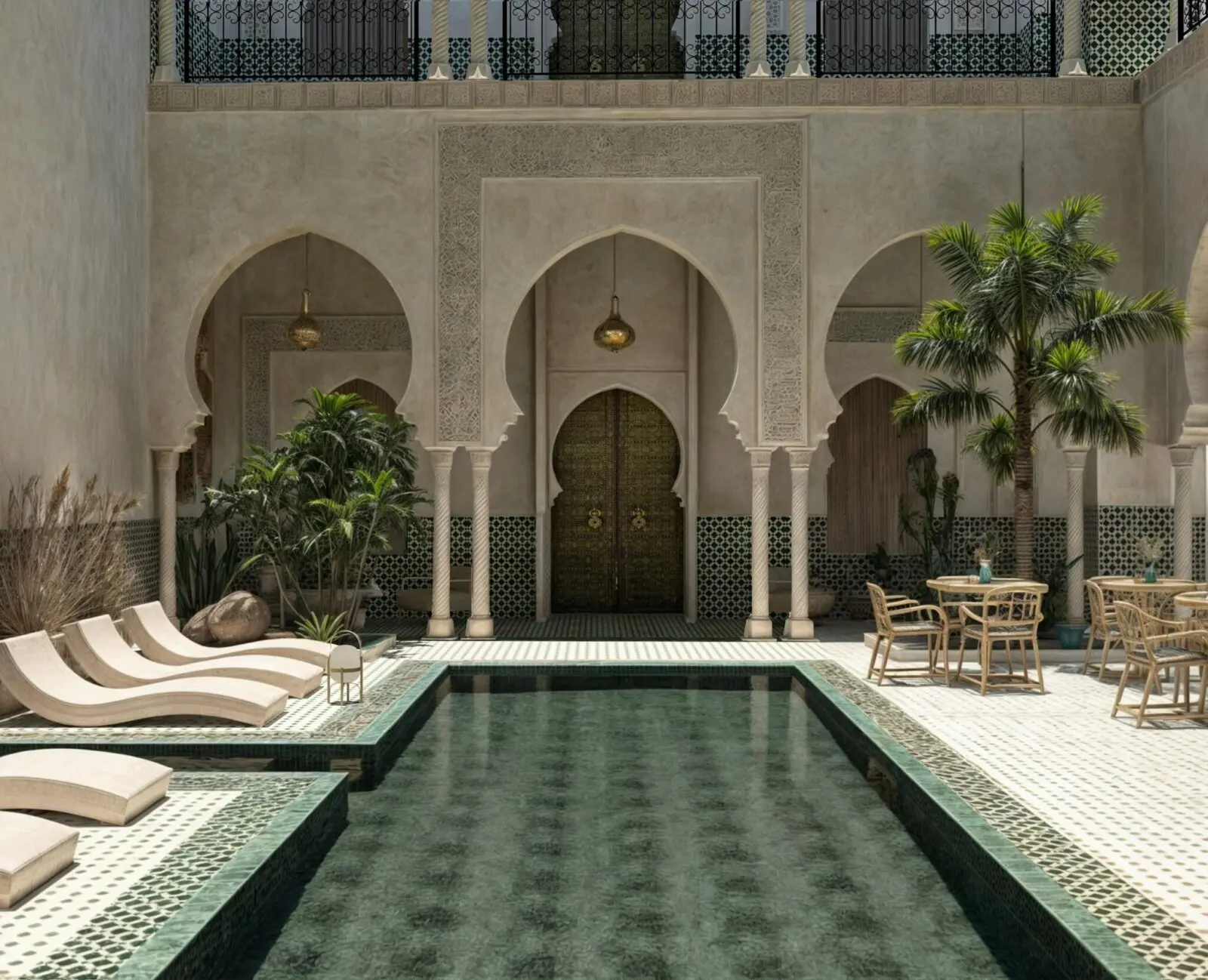
On one hand there are the images that draw people in: colourful souks filled with spices and textiles, riads hidden behind carved wooden doors, and the vast golden dunes of the Sahara stretching into the distance. On the other hand there are the worries many travellers quietly have before booking a trip: that Morocco might be chaotic, physically demanding, or simply too intense to enjoy at a relaxed pace.
The reality sits somewhere in between.
Morocco can be a fascinating and deeply rewarding place to visit, but it helps to arrive with realistic expectations. The cities are lively, the medinas can feel like mazes, and the pace of life is very different from the tidy predictability of many European destinations.
At the same time, Morocco also offers extraordinary hospitality, beautiful accommodation, unforgettable landscapes and a culture that rewards curiosity. With a little planning (and a willingness to slow down when needed) it can easily become one of the most memorable trips you take. It’s definitely in my top ten and as you may have realised by now, I’ve been to some fantastic places.
This page brings together our Morocco experiences and guides, written from the perspective of travellers in their mid-fifties (well, late fifties but who’s counting), to help you decide whether Morocco is the right destination for you.
What travelling in Morocco actually feels like
One of the first things many travellers notice in Morocco is the contrast between calm and chaos.
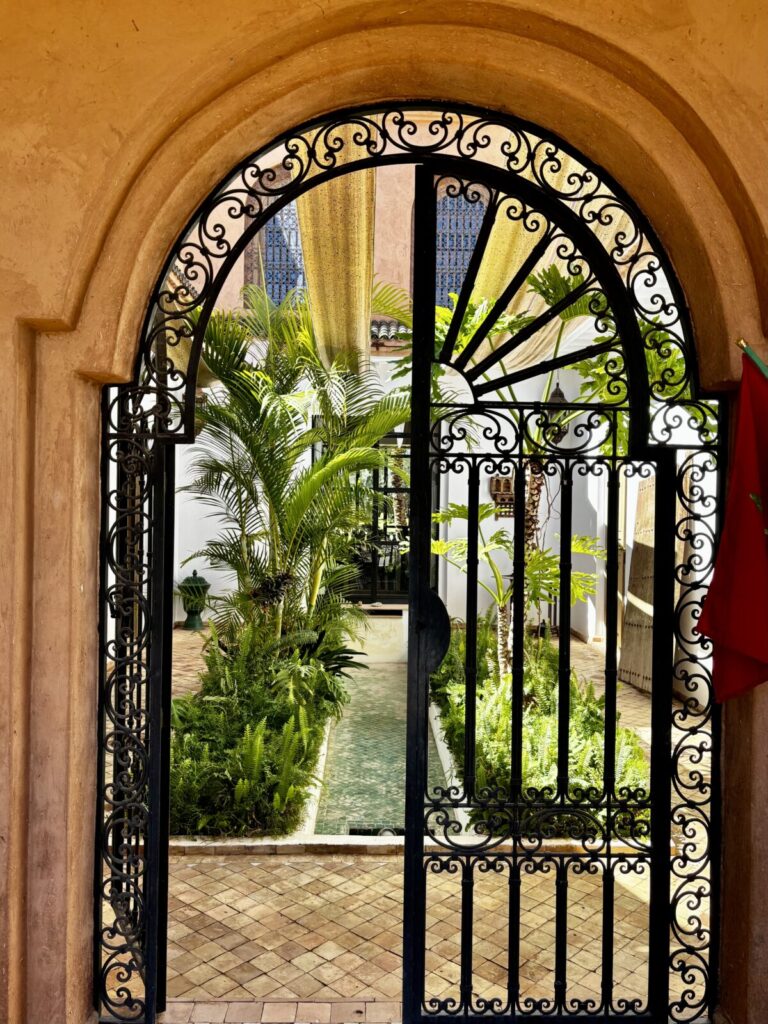
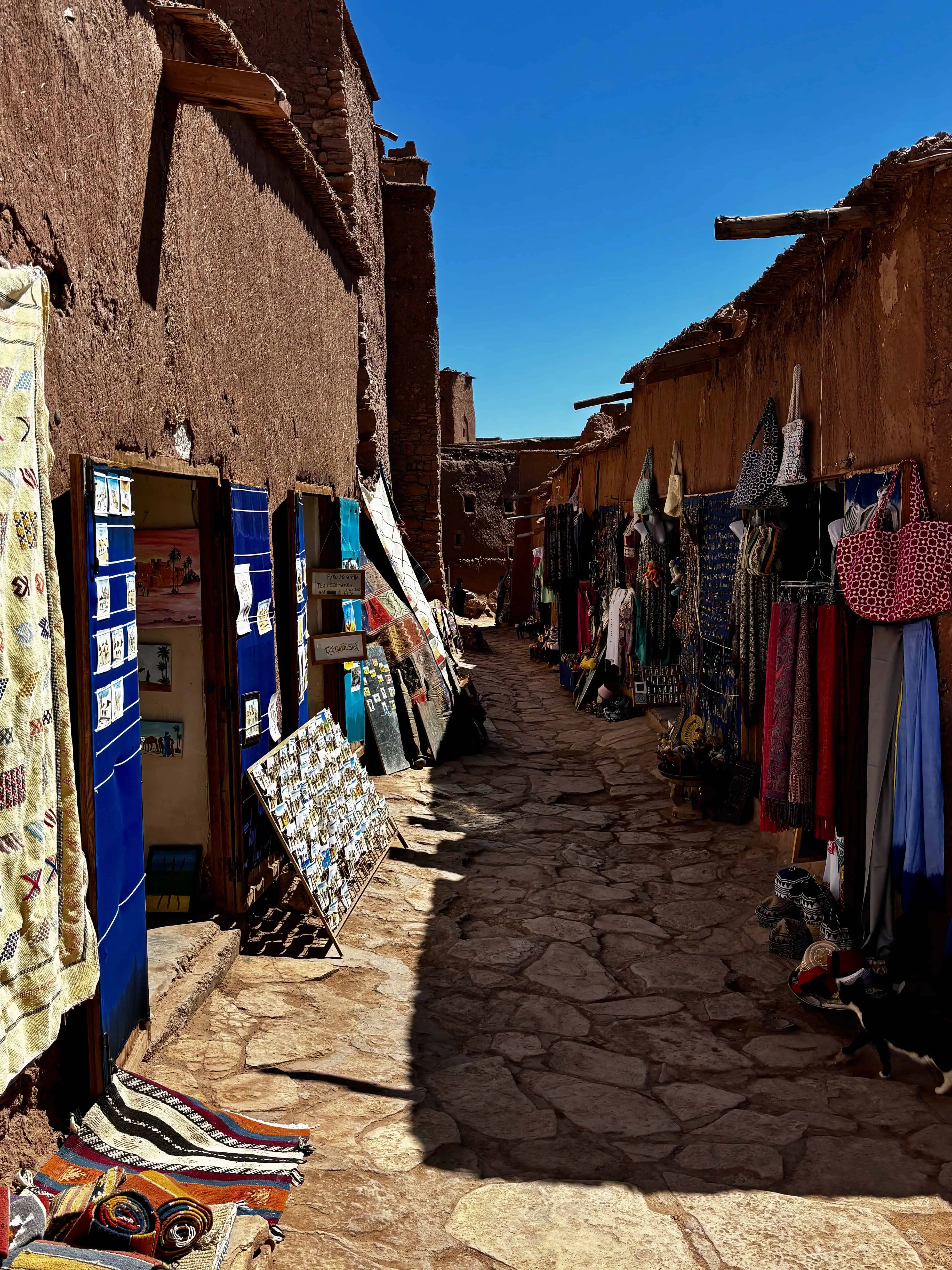
Step through the doors of a traditional riad and you might find yourself in a quiet courtyard with a fountain trickling gently in the centre, birds singing overhead and mint tea arriving on a silver tray. Yet just outside those doors the medina can be buzzing with energy: narrow lanes filled with scooters, traders, wandering cats and the scent of spices drifting through the air.
That contrast is part of Morocco’s charm, but it can also be tiring if you try to do too much too quickly. Travellers often find the key to enjoying Morocco is simply allowing enough time. Instead of racing through the sights, it’s far more rewarding to explore slowly, take regular breaks in cafés and retreat to the peaceful bubble of your riad when the city becomes overwhelming.
Our experience of spending time in Marrakech captures this balance quite well. The city can be lively and occasionally confusing, but it is also endlessly fascinating once you settle into its rhythm. In our guide to two days in Marrakech, we explain how to explore the medina without turning the visit into a marathon.
The quiet magic of staying in a riad
If there is one experience that transforms a trip to Morocco, it is staying in a traditional riad.
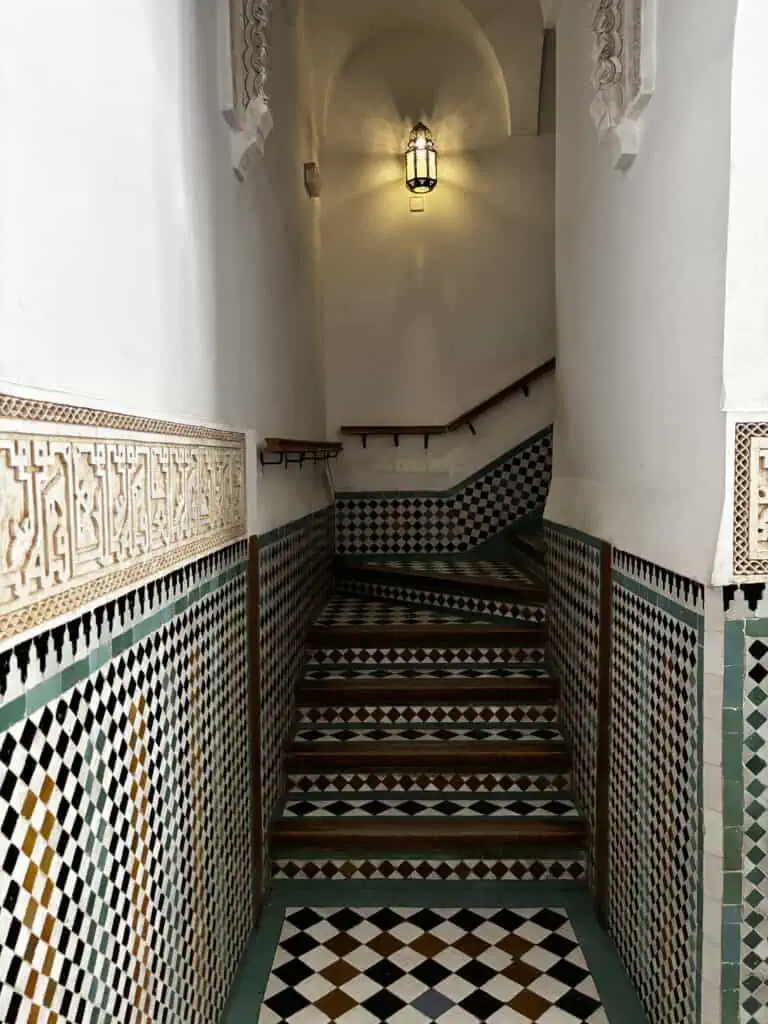
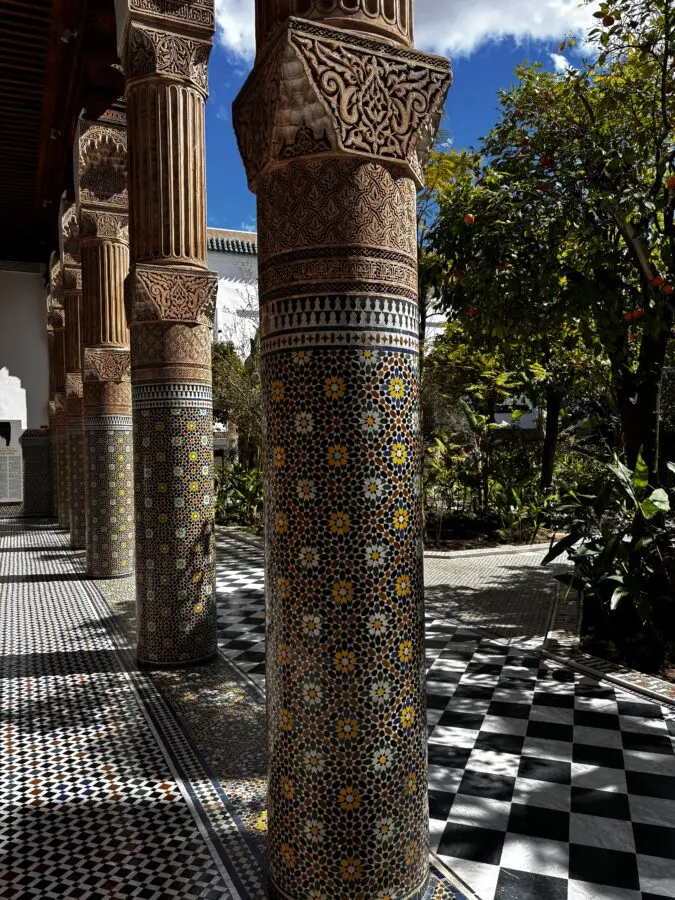
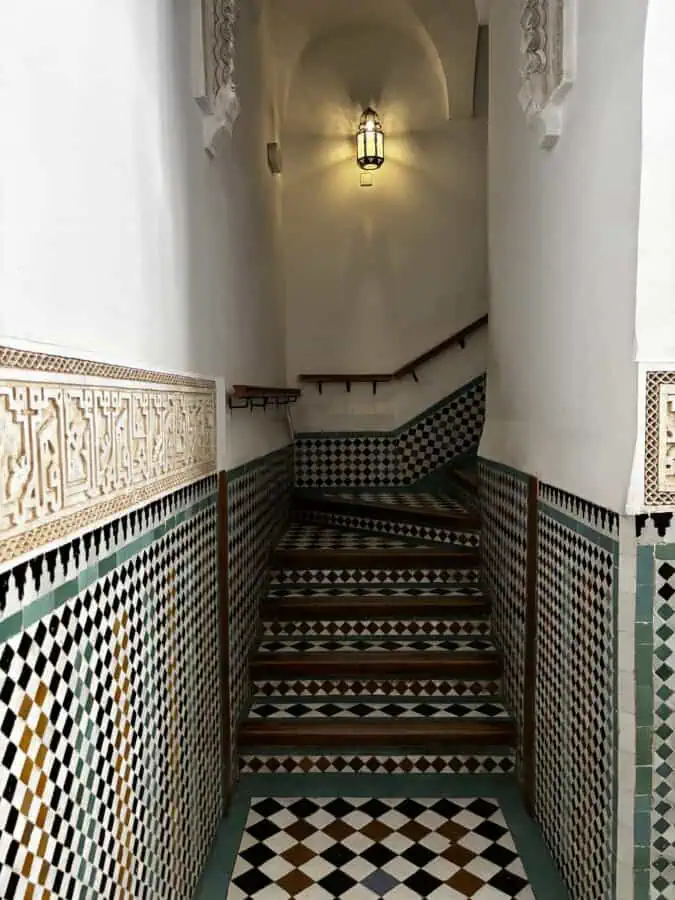
From the outside many riads look surprisingly modest. It’s often just a simple doorway tucked into a narrow alley. You’d walk by it without ever knowing about the beauty hidden behind that door. Inside, however, they reveal a completely different world: tiled courtyards, intricate plasterwork, shaded terraces and rooms arranged around a central fountain. After a busy day navigating the streets of Marrakech, returning to a riad can feel wonderfully calm. It’s a chance to sit on a rooftop terrace, watch the light fade over the city and let the noise of the medina drift into the background.
We found that choosing the right riad made a huge difference to the overall experience of the trip, which is why we wrote about what it’s really like to stay in a riad in Marrakech and what to look for when choosing a riad.
See the Sahara without roughing it
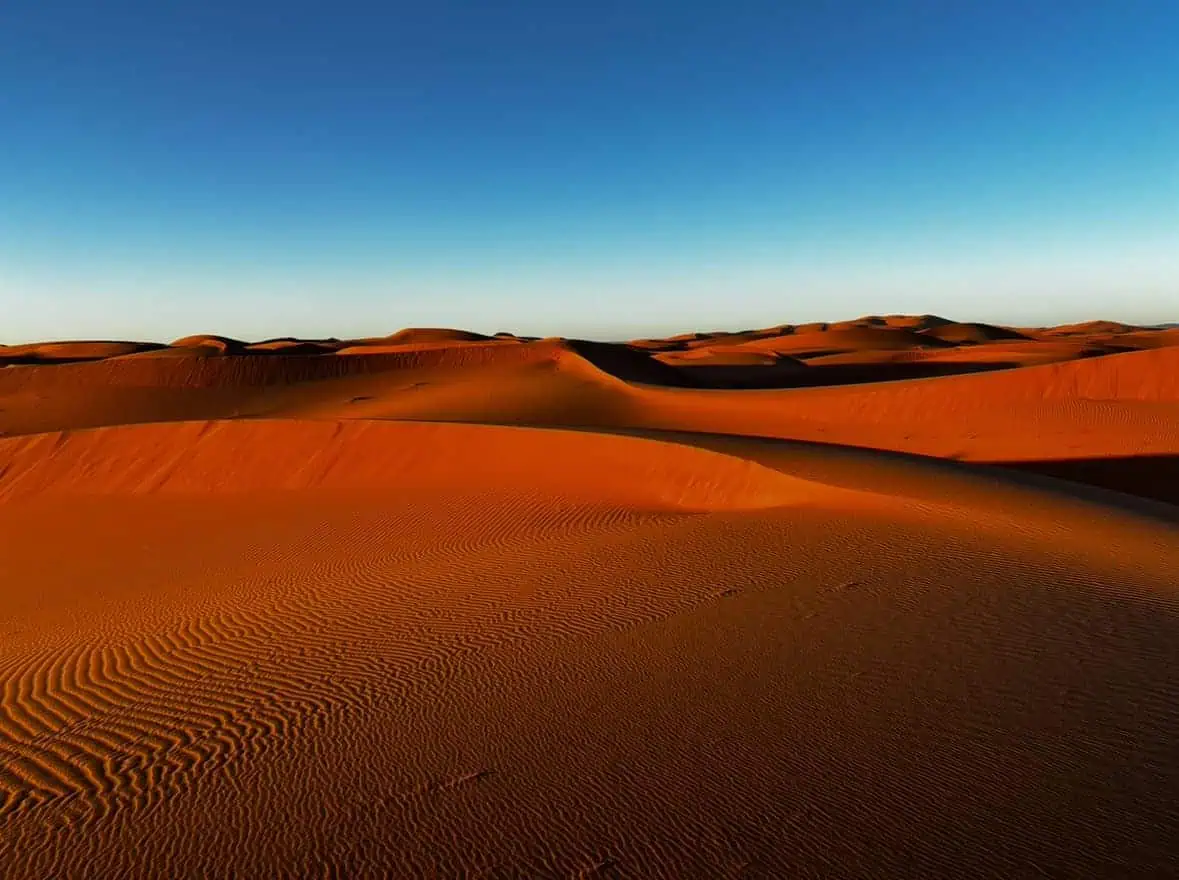
For many travellers, the idea of visiting Morocco is closely tied to the Sahara Desert. It was one of the reasons why I was willing to spend hours and hours in a car, and I have no regrets. It was so beautiful and so special.
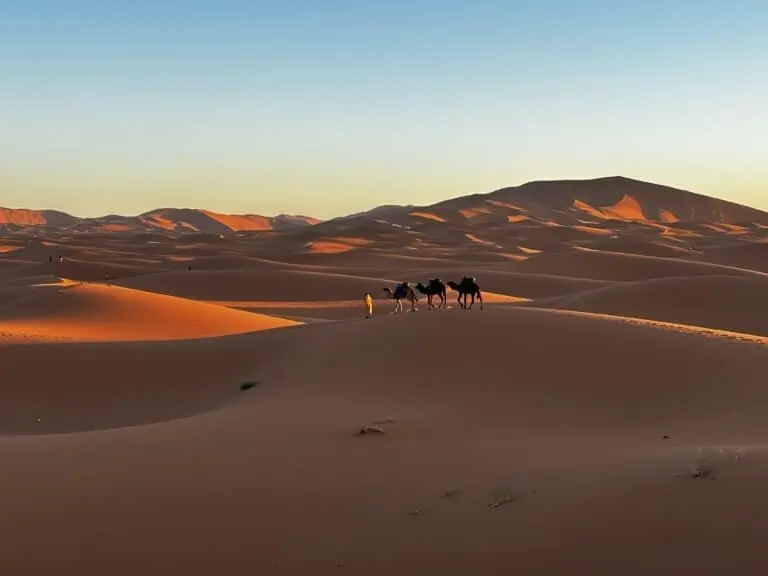
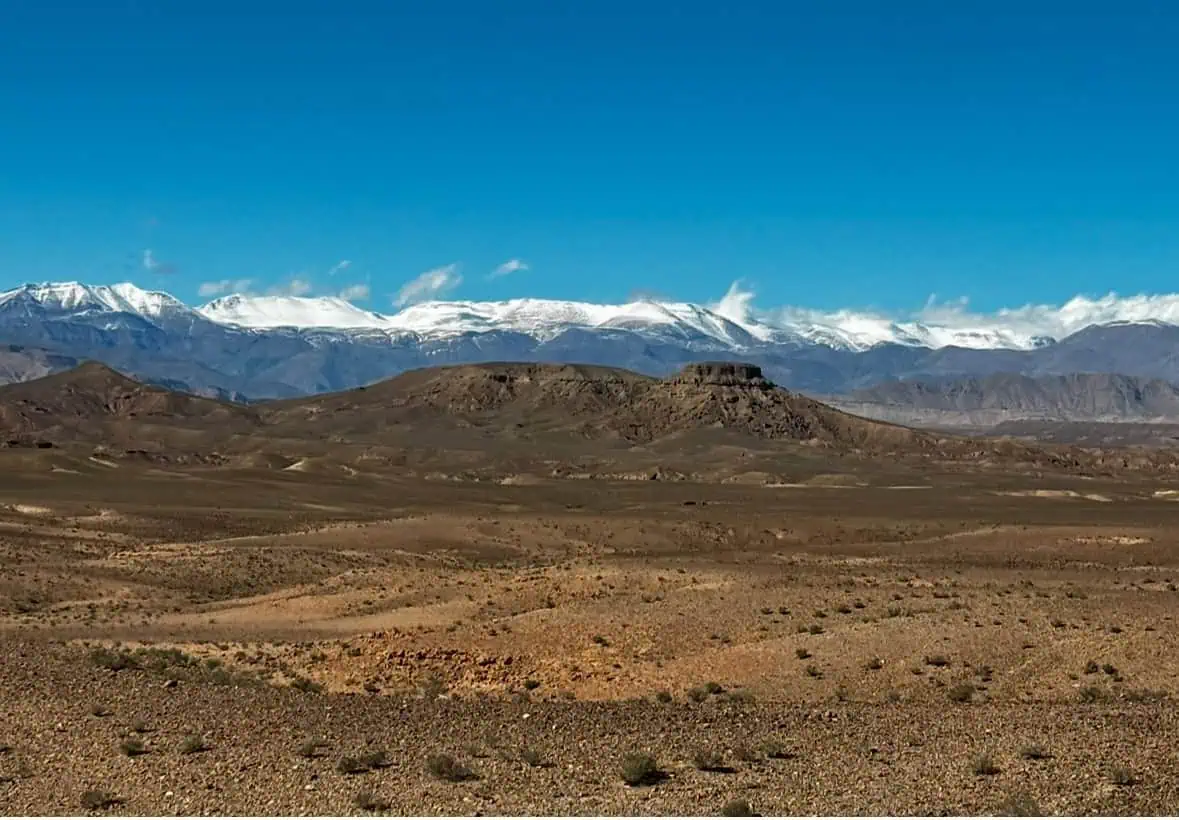
The journey from Marrakech into the desert is long, but it is also one of the most memorable parts of a Moroccan trip. The scenery gradually shifts from bustling city streets to the dramatic landscapes of the Atlas Mountains and finally to the vast dunes of the desert.
Spending a night in a desert camp might sound adventurous, yet many camps today offer far more comfort than people expect. Spacious tents, proper beds and warm evening meals under a sky full of stars make the experience feel more magical than rugged.
Our guide to spending a night in a Sahara desert camp explains exactly what the experience involves and whether it’s something comfort-conscious travellers are likely to enjoy. Also, if you’re worried: the camel ride is optional. This is my overthinker’s scorecard if, like me, you find the idea slightly daunting.
Planning a Morocco trip at a comfortable pace
One of the biggest mistakes travellers make in Morocco is trying to fit too much into a short itinerary.
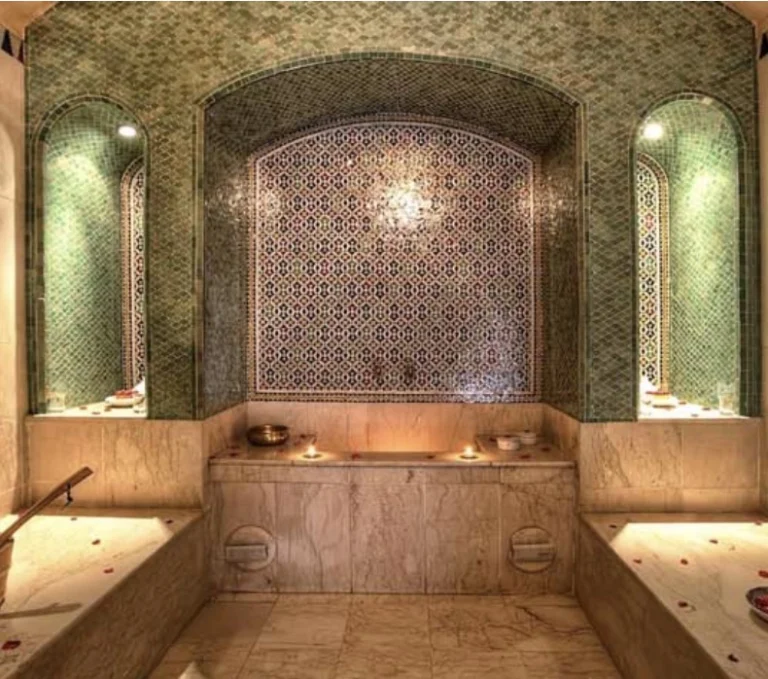
Distances between destinations can be longer than they appear on the map, and the sensory intensity of the cities means that a packed schedule quickly becomes tiring. Allowing time to pause – whether over a long lunch, a quiet garden visit or an afternoon back at the riad – makes the entire trip far more enjoyable. An afternoon enjoying a traditional hammam can be a highlight of your trip and no, it is not embarassing.
Many travellers also find it helpful to organise transfers or short tours for longer journeys rather than navigating everything independently. Morocco is perfectly possible to travel without organised help, but having a driver for certain routes can remove a lot of stress. We booked a three-day shared tour from Marrakech to the desert (which turned out to be a private tour as it was low season) and got to enjoy all of the major sights with none of the planning and driving.
Morocco rewards travellers who arrive with realistic expectations. The medinas can be confusing, bargaining is common in markets and distances between destinations are sometimes longer than they appear on the map. Many of the frustrations travellers experience come from small misunderstandings rather than serious problems, which is why it helps to know a few common pitfalls in advance. In our guide to travel mistakes to avoid in Morocco, we share the things we learned the hard way and what we would do differently next time.
Is Morocco safe for travellers?
Safety is one of the first questions many travellers ask when considering Morocco.
In general, Morocco is regarded as one of the safer destinations in North Africa for tourists. Millions of visitors travel there every year, and tourism is an important part of the economy. Violent crime against travellers is rare, particularly in the main destinations such as Marrakech, Fes and the Atlas Mountains.
That said, the experience can feel different from travelling in much of Europe. In busy medinas you may encounter persistent sellers, unofficial guides or people offering directions in exchange for a tip. For some travellers this is simply part of the atmosphere; for others it can feel uncomfortable at first.
Most situations are easy to handle with a calm “no thank you” and by continuing to walk with confidence. Choosing accommodation in well-reviewed riads, arranging airport transfers and booking organised excursions where appropriate can also remove a lot of uncertainty. Like many destinations, Morocco rewards travellers who stay aware of their surroundings while remaining open to the experience. If you’re worried, you might want to read this article on how to recognise and avoid common travel scams. Wherever there are travellers, there will be people trying to scam them, and Morocco is no exception.
How expensive is Morocco?
Morocco is generally considered an affordable travel destination, especially compared to many countries in Europe or North America. Costs depend on accommodation, activities, and how often they eat out. Street food, local restaurants, and public transport are very cheap, while riads, guided tours, and desert trips can increase costs. Overall, Morocco offers excellent value for money, with plenty of ways to adjust your budget depending on your travel style. Read the full breakdown in my guide: How expensive Is Morocco?
What is the best time to visit Morocco?
The time of year you visit Morocco can have a big impact on how comfortable the trip feels.
Spring and autumn are often considered the most pleasant seasons. Temperatures are generally warm without being overwhelming, making it easier to explore cities and historical sites without the intense heat of midsummer.
Summer can be extremely hot in cities such as Marrakech and Fes, particularly for travellers who prefer sightseeing rather than poolside relaxation. Winter, on the other hand, tends to bring cooler days and surprisingly chilly nights, especially in the desert or the Atlas Mountains.
For many travellers, April to early June and September to October strike the best balance between comfortable temperatures and lively local atmosphere. We visited in late February and had blue skies and moderate temperatures.
How many days do you need in Morocco?
Morocco is not a country that reveals itself quickly. While it is possible to visit Marrakech for a long weekend, the most rewarding trips tend to allow a little more time. Travellers who want to combine the energy of the cities with the landscapes of the desert or mountains usually find that a week to ten days creates a much more relaxed experience.
Spending several nights in the same place makes a particularly big difference. It allows time to wander through medinas without rushing, enjoy long dinners on rooftop terraces and appreciate the slower rhythms that make Morocco special. You may even find the time to enjoy your first hammam visit. We stayed inside the medina, but when we wanted some more peace and quiet we stayed at Villa Dinari, just outside the city, for a few nights.
Even a short trip can be memorable, but Morocco is one of those destinations that becomes more enjoyable the less you hurry.
So, is Morocco a good destination for travellers over 55?
For many people, absolutely.
Morocco is not a destination where everything runs smoothly or quietly. The cities are lively, the streets can be confusing and the experience is often intense in the best possible way. Yet that same energy is also what makes the country so memorable.
If you enjoy destinations that feel different from home, appreciate beautiful architecture and landscapes, and are happy to travel at a slightly slower pace, Morocco can be an extraordinary place to explore. Approached with curiosity and a bit of flexibility, it offers something increasingly rare in travel: the feeling of stepping into a completely different world.
See Morocco stories, experiences, and practical tips
Ready to start planning? Below, find posts about travelling to Morocco at 55+ in this section. Want to explore some more? Click on the button below the last post for all our Morocco content.
-
The Overthinker’s Scorecard: camel rides in the Moroccan Sahara
The Moroccan Sahara delivered unforgettable views. The camel delivered several unexpected sideways steps. My brain supplied the unnecessary disaster movie. Here’s my honest Overthinker’s Scorecard on one of Morocco’s most iconic experiences.
-
Staying at Villa Dinari: a peaceful retreat just outside Marrakech
Wondering whether Villa Dinari is worth it? Here’s my honest experience staying at this peaceful boutique retreat near Marrakech, including the rooms, food, atmosphere, and who it’s best for.
-
Your first Moroccan hammam: what it’s really like
Wondering what happens in a Moroccan hammam? Here’s what to expect, how much it costs, and whether it’s actually embarrassing. (Spoiler: not at all)
-
Is Morocco expensive? A realistic travel budget based on my trip
Plan your Morocco adventure without selling a kidney for a camel ride. This guide breaks down realistic costs for 55+ travellers — riads, desert camps, tours, and daily expenses — so you can enjoy the sights without shocking your wallet
-
Falling for a pretty courtyard? Read this before booking a riad in Marrakech
Discover the best riads in Marrakech for 55+ travelers. Find comfort, charm, accessibility, and tips for an unforgettable Moroccan stay
-
2 days in Marrakech: a practical itinerary without the rush
Only have two days in Marrakech? This practical itinerary covers the medina, gardens, food and major sights at a realistic pace – with time to breathe, sit down and actually enjoy the city