Self-drive safari in Kruger National Park: sample itineraries
Planning a self-drive safari in Kruger can feel a bit like opening a map of a small country and thinking, “Right. Where do I even begin?” The park is enormous, the wildlife is unpredictable, and every road seems to promise elephants, lions, or at the very least another impala looking mildly surprised to see you.
To make things easier, here are a few sample self-drive itineraries for 3, 5, and 7 days. They’re not strict schedules (Kruger works best when you leave room for the unexpected) but they’ll give you a good idea of how to explore the park without accidentally spending your entire trip driving in circles.
These sample itineraries are part of the full Kruger self-drive safari guide.
Kruger at a Glance (for the “just tell me where to go” crowd)
On a phone? Swipe sideways → Kruger is big, and so is this table.
| Region | Suggested Roads | Where to Stay | Why It’s Worth It |
|---|---|---|---|
| Southern Kruger | H4-1, H4-2 | Lower Sabie, Skukuza / Hazyview lodges | Elephants, buffalo, hippos, and a lifetime of impalas |
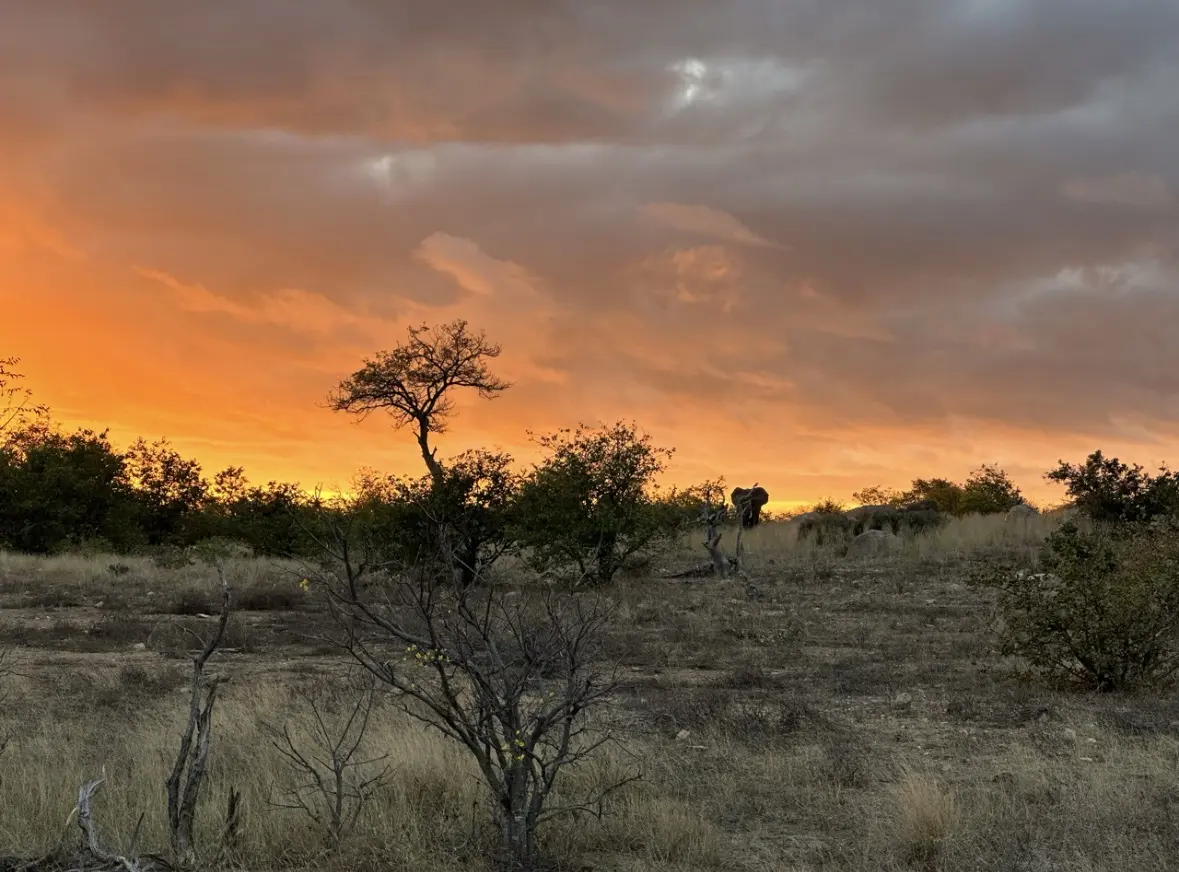
| Central Kruger | S100, S36 | Satara, Orpen / Hazyview or Phalaborwa | Savanna, lions doing lion things, dramatic sunsets |
| Northern Kruger | H1-4, S50 | Pafuri area / Phalaborwa lodges | Quiet roads, giant baobabs, and impressive birdlife |
3-day safari: southern highlights
If you only have a few days, the southern part of Kruger is the easiest and most rewarding place to focus. Wildlife is plentiful, the roads are excellent, and you’re never very far from a rest camp when coffee or a bathroom suddenly becomes a priority.
If you’re staying inside the park, Lower Sabie or Skukuza make perfect bases. You wake up to birds and can start driving as soon as the gates open. If you prefer a little more comfort and flexibility, Hazyview just outside the park has plenty of lodges and is only a short drive from the southern gates. And from the Panorama Route.
Spend your mornings cruising slowly along roads like the H4-2, where elephants often wander between the trees and giraffes appear casually around the next bend. Around lunchtime, Lower Sabie rest camp is a great place to stop – partly for the terrace views over the river, and partly because staring at wildlife for hours makes you surprisingly hungry.
In the afternoons, explore the quieter loops around Skukuza before heading back toward your camp or lodge. Just remember to keep an eye on the time: Kruger gates (both park gates and camp gates) close at sunset, and rangers are not known for appreciating dramatic late arrivals.
Tip: Sunrise drives are magical, but late afternoons often surprise you with predators on the move.
5-Day Kruger Safari: South and Central
With five days, you can slow down and explore both southern and central Kruger, which gives you a nice mix of busy wildlife areas and wide open savannas.
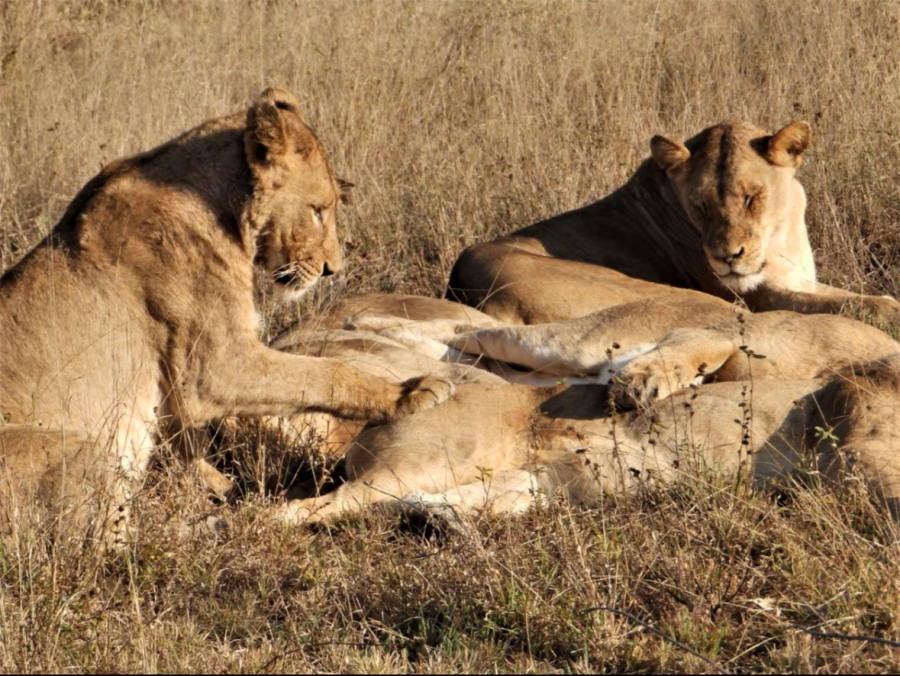
If you’re staying inside the park, a good approach is to spend a couple of nights in the south (Lower Sabie or Skukuza) and then move north to Satara, which is famous for its predator sightings. Think lions, especially. If you’re staying outside the park, many travelers base themselves in Hazyview, though splitting your stay between Hazyview and Phalaborwa can make exploring central Kruger a bit easier.
The central region feels different from the south- the landscapes open up, the horizons get bigger, and the wildlife spotting becomes a game of patience and scanning the grasslands carefully. Roads like the S100 are legendary for lion sightings, though of course the lions didn’t read the guidebook and may or may not cooperate.
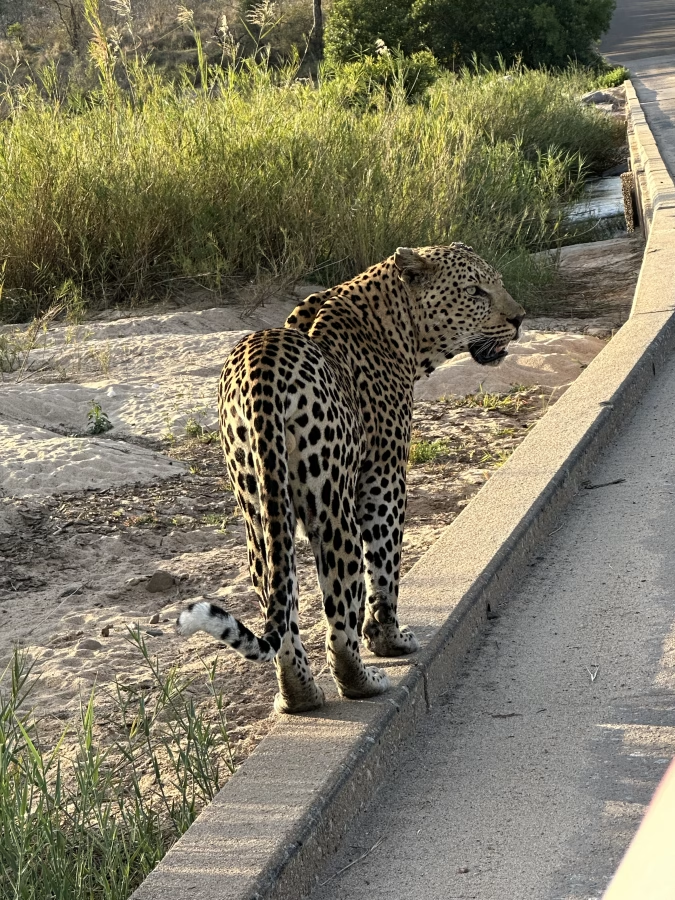
Take your time, stop often, and don’t be surprised if a “quick drive” turns into a three-hour wildlife stakeout because a leopard decided to nap in a tree.
Tip: Central Kruger is less crowded than the south, so take your time and scan the bushes carefully – leopards and shy antelope are easier to spot here.
What a Typical Self-Drive Safari Day Looks Like
Self-driving in Kruger has a natural rhythm. You don’t need a timetable — just follow the animals, the sun, and your snack cravings.
Gates open at sunrise. Roads are quiet, predators are awake, and the light is perfect for photos (even your phone’s camera thinks it’s National Geographic).
Drive slowly and stop for tail flicks and ear twitches. Hunger eventually wins — time for coffee or brunch at a rest camp.
Warmest part of the day. Most animals nap. Perfect moment for lunch, picnic, or relaxed driving.
Animals become active again. Another drive, glorious light, and slow return to camp or the gate. Elephants may claim the road for themselves.
Pro tip: start early, drive slowly, stop often, and embrace the chaos when wildlife suddenly decides your car is part of their day.
7-Day Kruger Safari: The Full Experience
A full week in Kruger lets you experience the park’s different personalities: busy southern roads, predator-rich central plains, and the quieter, wilder landscapes in the north.
If you’re staying inside the park, you can gradually move north through camps like Lower Sabie, Satara, Mopani and Pafuri. If you’re staying outside, a nice balance is spending a few nights around Hazyview (for the south and central areas) and a few nights near Phalaborwa for exploring the northern regions.
Northern Kruger is the wild, quiet soul. Birdwatchers adore this region. Wide, empty roads like H1‑4, S50, and the lesser-known S52 make it easy to explore at your own pace. Wildlife is still abundant but more subtle, so patience pays off, and the quiet drives often yield the most memorable sightings.
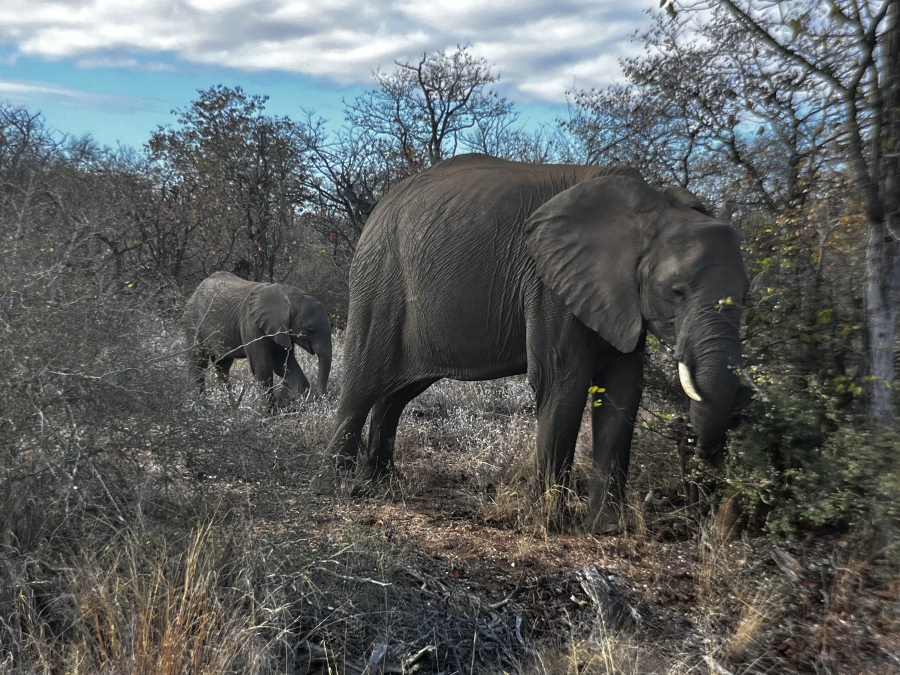
You might drive for ages without seeing another car. Then suddenly the road is blocked by a family of elephants who clearly have no intention of rushing anywhere, and your schedule quietly goes out the window. The elephants don’t have to rush anywhere – and when it comes down to it, neither do you.
Wildlife You’ll See
Southern Kruger
- Elephants
- Buffalo
- Hippos
- Impalas (lots!)
Central Kruger
- Lions
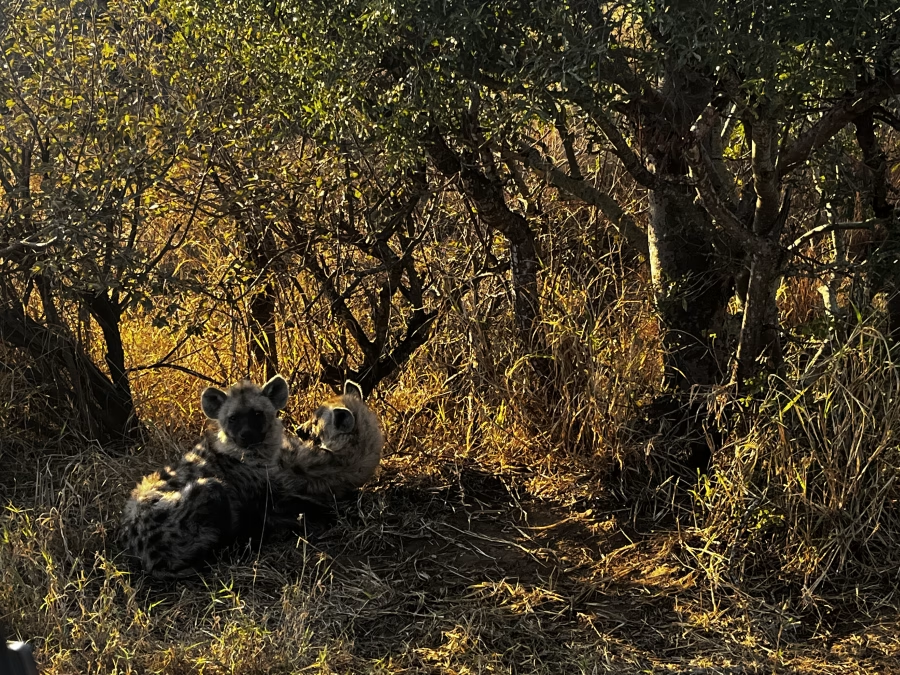
- Hyenas
- Cheetahs
- Savanna birds
Northern Kruger
- Rare birds
- Nyala
- Baobabs
- Peaceful, empty roads
Ready, set, safari!
If you want to dig into the details before you hit the road, there’s a fantastic page with a huge collection of Kruger National Park maps. It’s a great way to visualise the routes you’ll be driving, plan which camps or picnic sites you want to check out, and get a feel for the distances between regions. You can zoom in, download, or print the ones you like and start marking up your own self-drive adventure.
Explore the full set of Kruger maps here: Kruger maps
And there you have it — a few ways to tackle Kruger at your own pace, whether you want to base yourself inside the park, bounce between two lodges outside, or pick a single cozy spot and explore from there. Each route has its own rhythm, wildlife highlights, and plenty of moments for coffee breaks with a view. For a deeper dive into planning your Kruger self-drive – from rest camps to detailed driving routes – check out our full Kruger guide. Pack your sense of adventure, a camera, and maybe a hat that stays on in the wind — you’re ready to hit the road.
For all our safari content, check out the full 55+ South Africa safari guide.
If you’re still deciding whether self-drive is really for you, check out this safari comparison post.
If you decide you’d rather mix wildlife with more comfort, here’s my guide to the best safari lodges in South Africa