Iceland winter itinerary for 55+ travellers: easy & comfortable day plans
At a glance
5-day Iceland itinerary
A short, guided winter itinerary focused on Iceland’s south coast highlights, with waterfalls, black sand beaches, a glacier hike and Diamond Beach — without self-driving or long strenuous hikes.
Travellers who want to see Iceland’s major highlights without having to drive themselves. Best for those who like organised logistics, manageable walks and a trip that feels active but not extreme.
Reykjavík → Hveragerði → Smyrlabjörg → Reykjavík
It took me a while to come up with a short Iceland itinerary suitable for 55+ travellers. After much (soul-)searching I decided to take the easy way out and book a tour. What I booked was a guided tour designed to show us as much of the south of Iceland as possible without requiring extreme fitness, specialist skills, or a fondness for dangling off cliffs. The tour days included drives on a comfortable minivan, with frequent stops, short walks, and plenty of time to take in the scenery. If you’re picturing endless hiking or technical terrain, this wasn’t that kind of trip.
We saw glaciers, waterfalls, black sand beaches, lava fields, and an ice cave, all without needing to be a mountaineer, an extreme survivalist, or a mountain goat. If you’re still in the planning stages and need some advice, I’ve got several posts that may help make the decision. You can find all my posts about Iceland on this country page.
Day 1: Arrival and a night in Reykjavik
We arrived in Iceland around 19:00 and spent the evening in Reykjavík. This gave us a chance to settle in, grab dinner, and get our first taste of the city without rushing. Walking was minimal—mostly from the airport to transport and a short stroll around the hotel area—so this was a relaxed way to start the trip.
Staying in Reykjavík the first night also made sense logistically: we could rest after the flight, adjust to the time zone (well not much adjusting required, it was one hour), and be ready for the longer sightseeing days ahead. We also had time to re-pack our stuff from one larger suitcase into smaller backpacks, as we couldn’t bring the big one on the minibus.
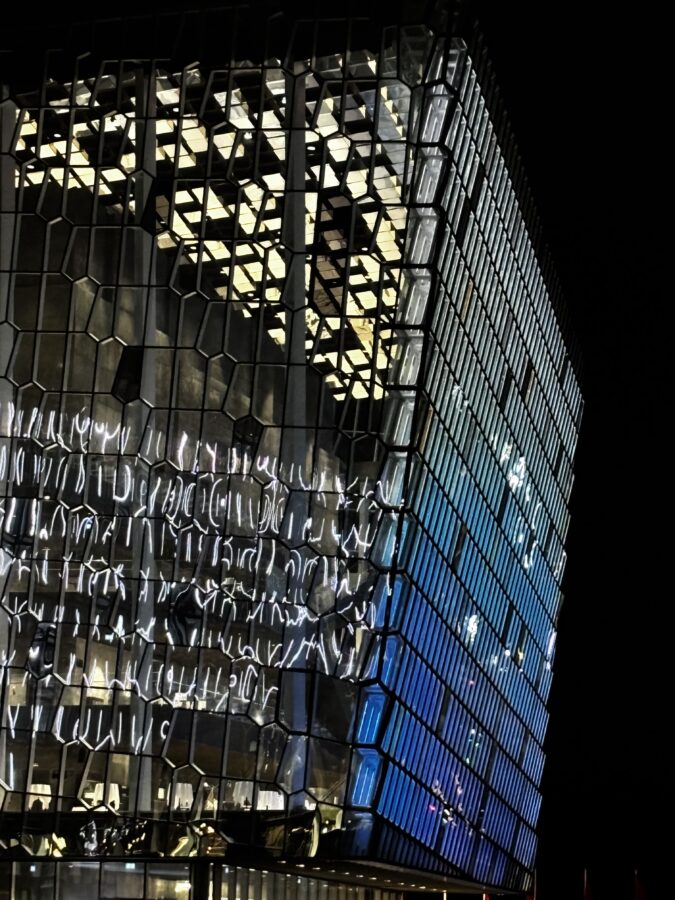
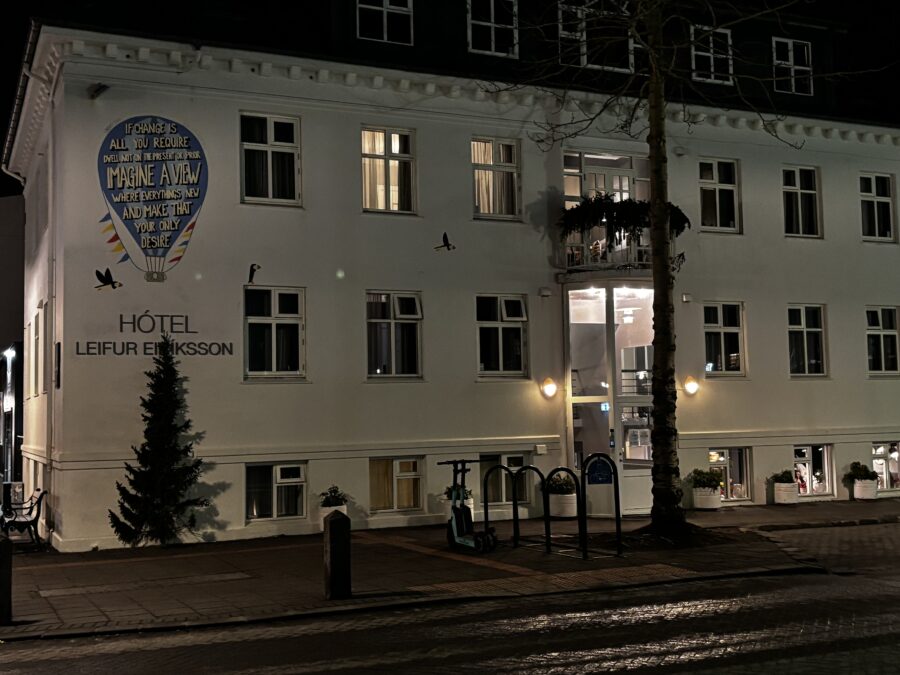
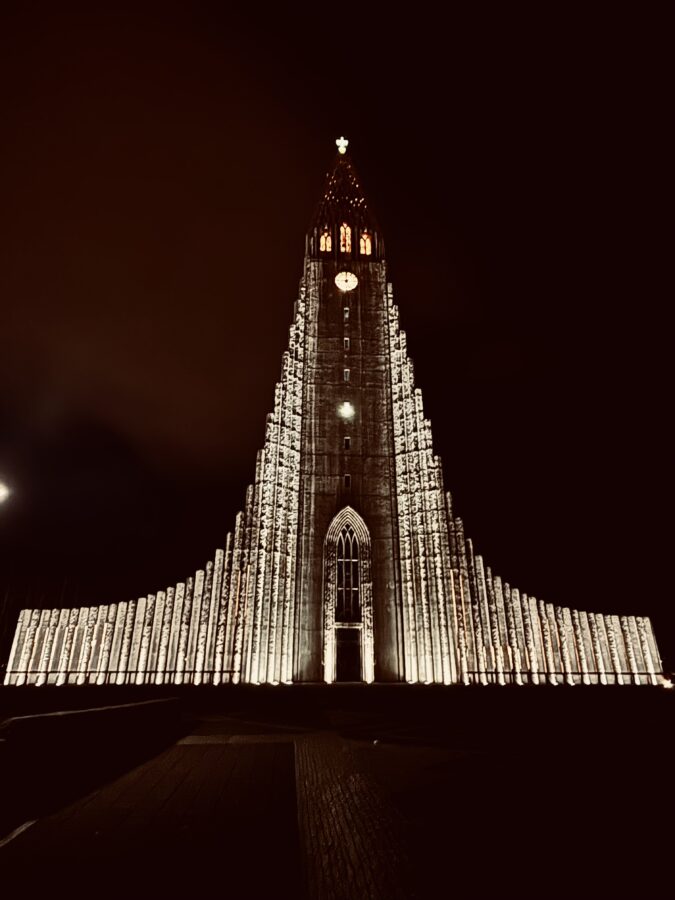
Day 2: Golden Circle with Kerið crater, and thermal hot springs.
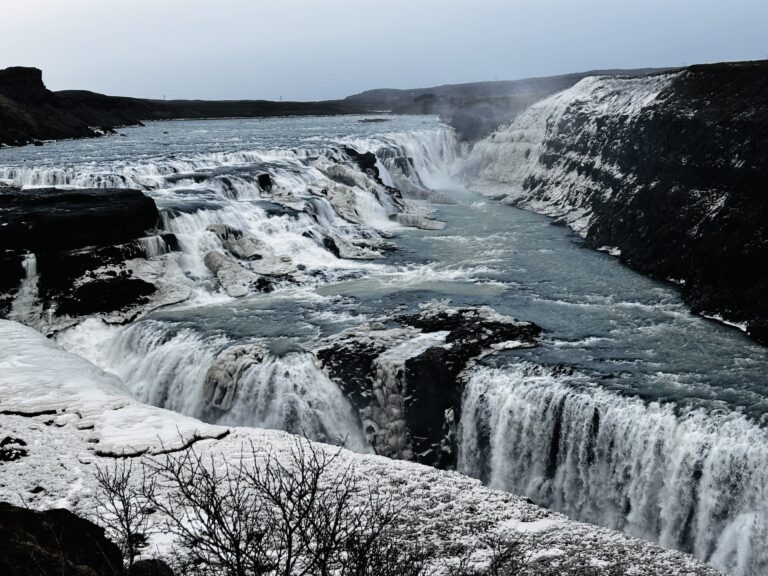
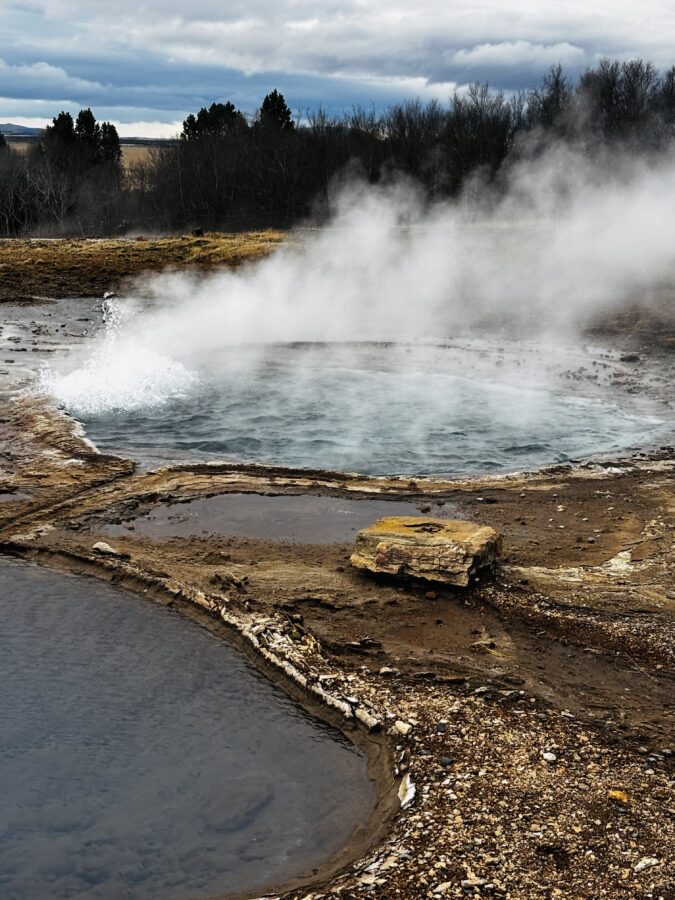
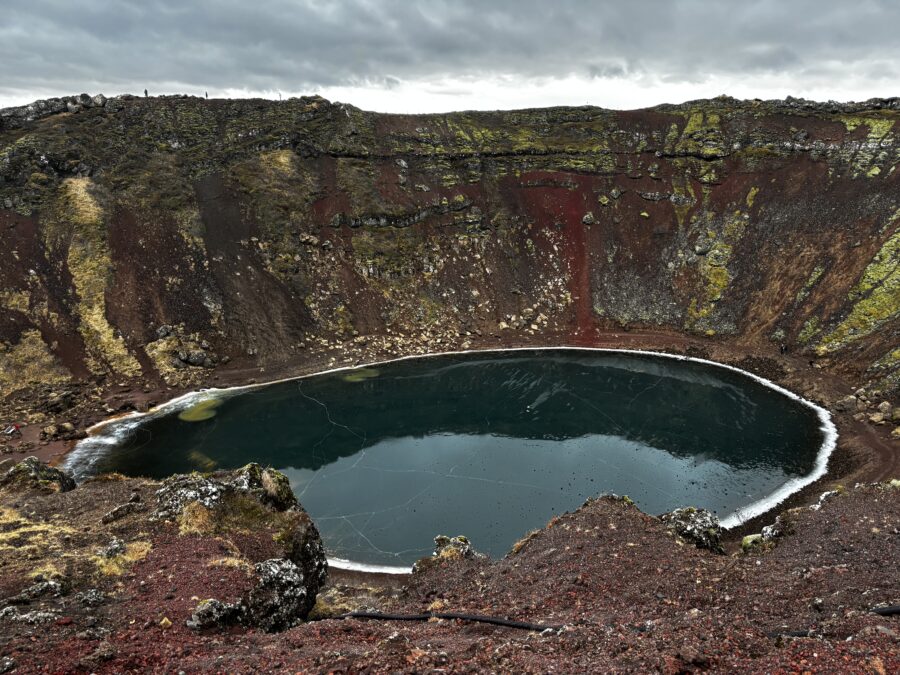
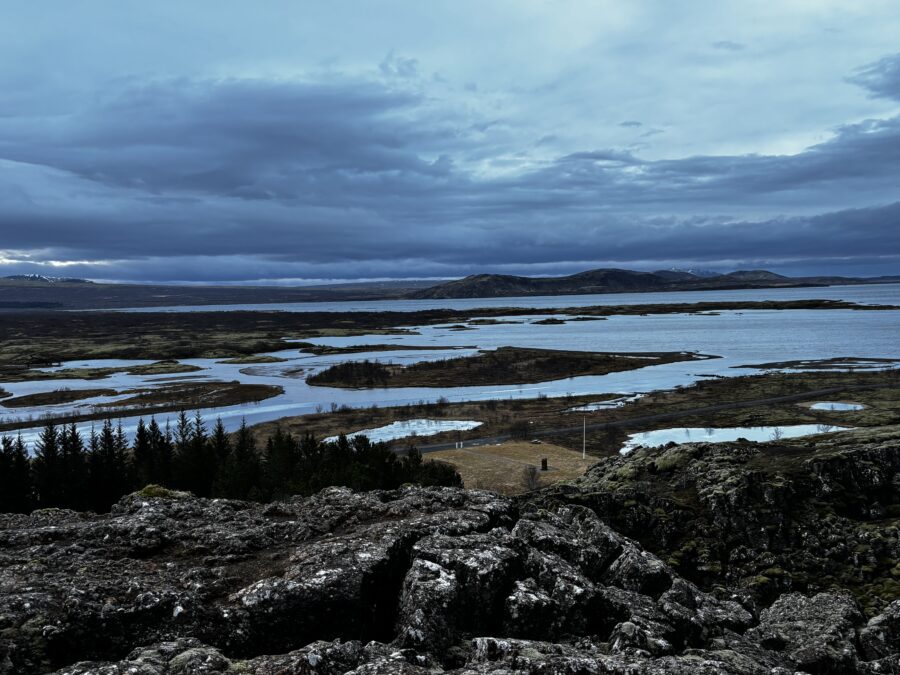
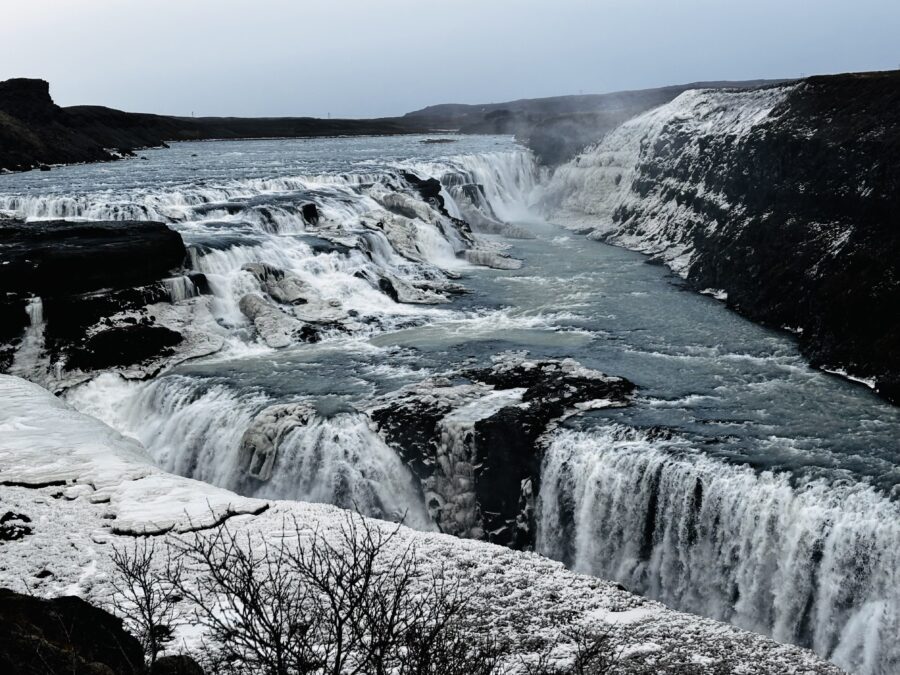
After leaving Reykjavík, our first day was a full sightseeing day, featuring some of Iceland’s most iconic stops: Þingvellir National Park (that’s a th-sound at the beginning, in case you’re wondering), the Geysir geothermal area, Gullfoss waterfall, and Kerið crater.
We didn’t need to walk particularly far anywhere, and the paths were well maintained and clearly marked. Areas near waterfalls were wet and occasionally icy, and Kerið crater involved stairs and a rim path where I took extra care not to slip or trip and disappear into the crater lake. Nothing was overly strenuous, but I do recommend pacing yourself and paying attention to the surface underfoot. If you want to know more about staying upright in Iceland, you can read this post.
We concluded our first day with an extra stop at Hvammsvík Hot Springs, which was an excellent way of relaxing and warming up after a day of sightseeing. More about wellness and recovery here!
Day 3: South coast highlights
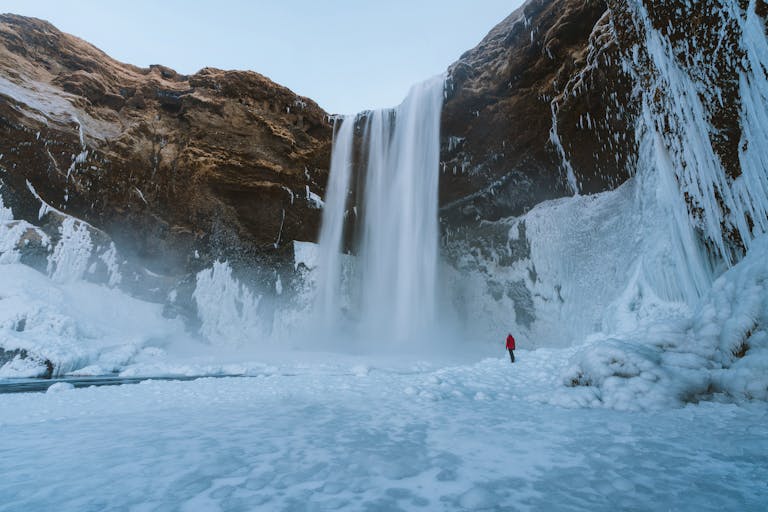
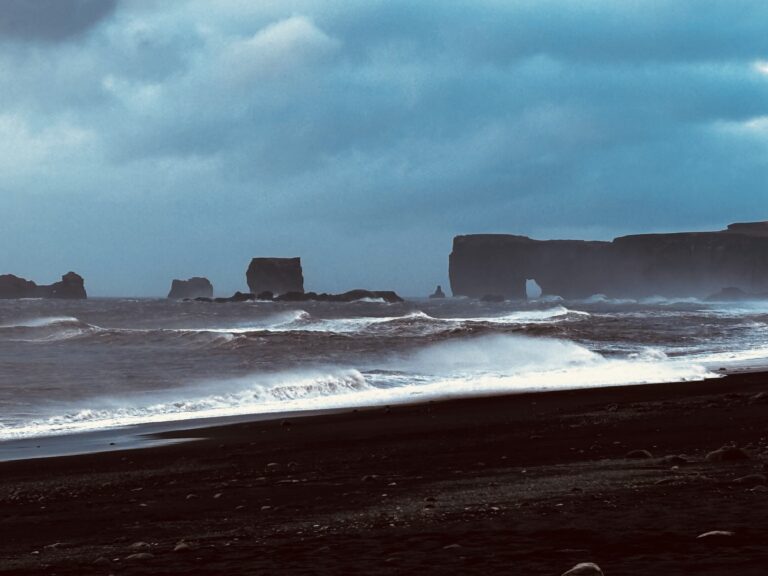
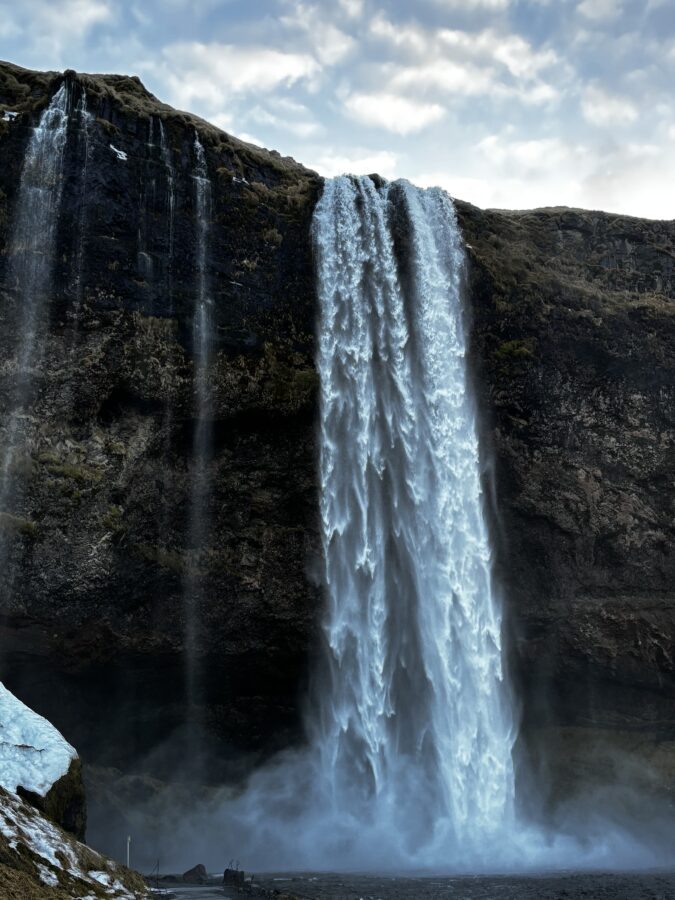
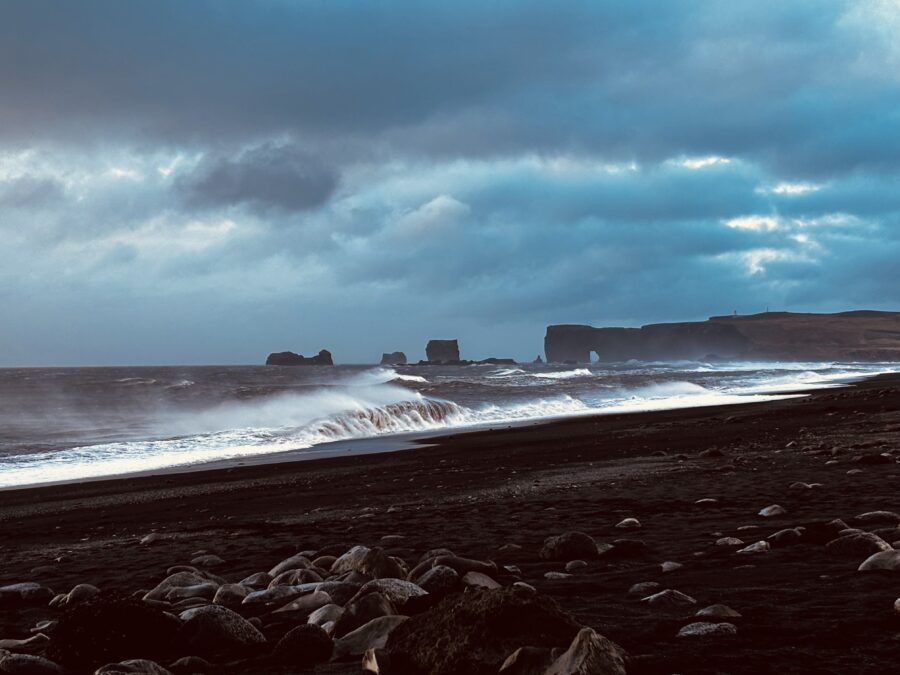
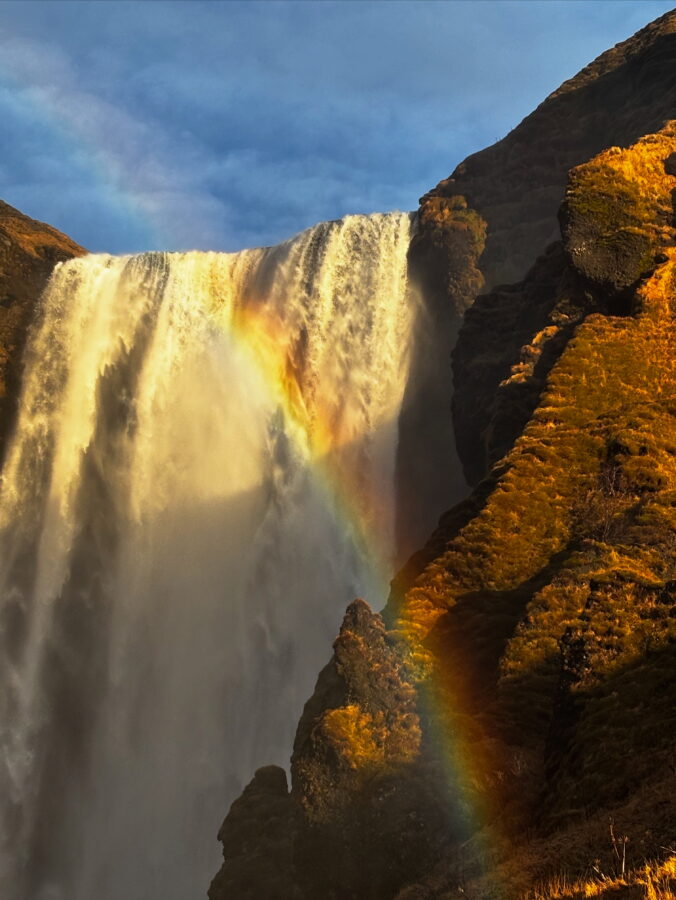
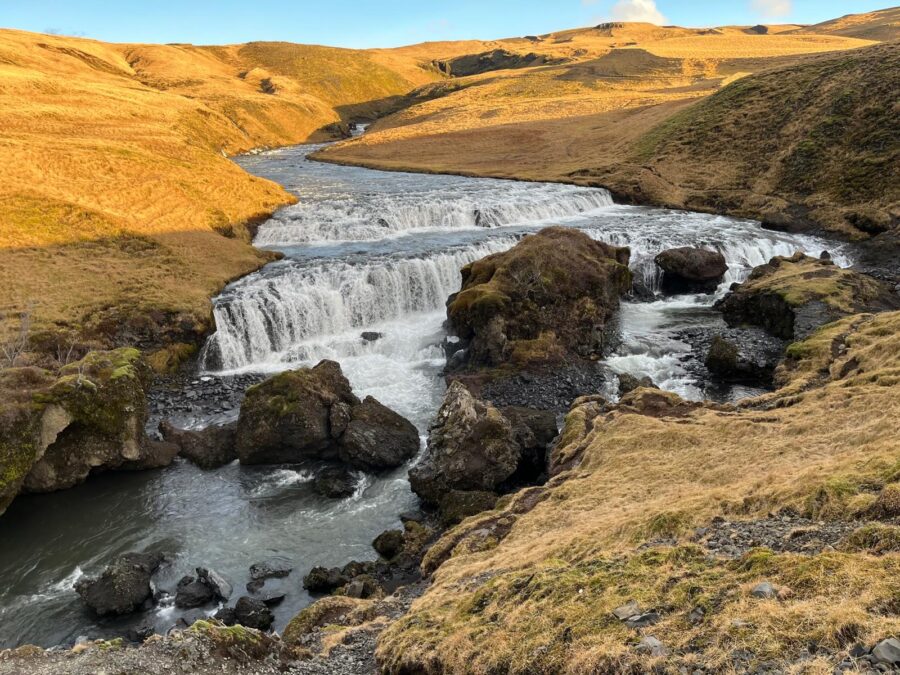
The South Coast was the second day of the tour and included three waterfalls, a beach with sneaker waves and a lavafield.
Walking distances were short, but conditions varied. Wind can be strong, surfaces can be icy or sandy, and some parking areas are uneven. This was a day where good footwear mattered, and slowing down near water and ice was worth every extra second of attention. Also, as everyone who has ever read anything about Reynisfjara knows, don’t turn your back on the waves, not even for a second. And hold on to your hats, as mine is now halfway across the Atlantic. The wind was brutal. I’ve recently learned that the beach itself is now almost gone due to strong winds and high waves. Hope it will be restored soon.
Day 4: Ice cave and lava fields by superjeep
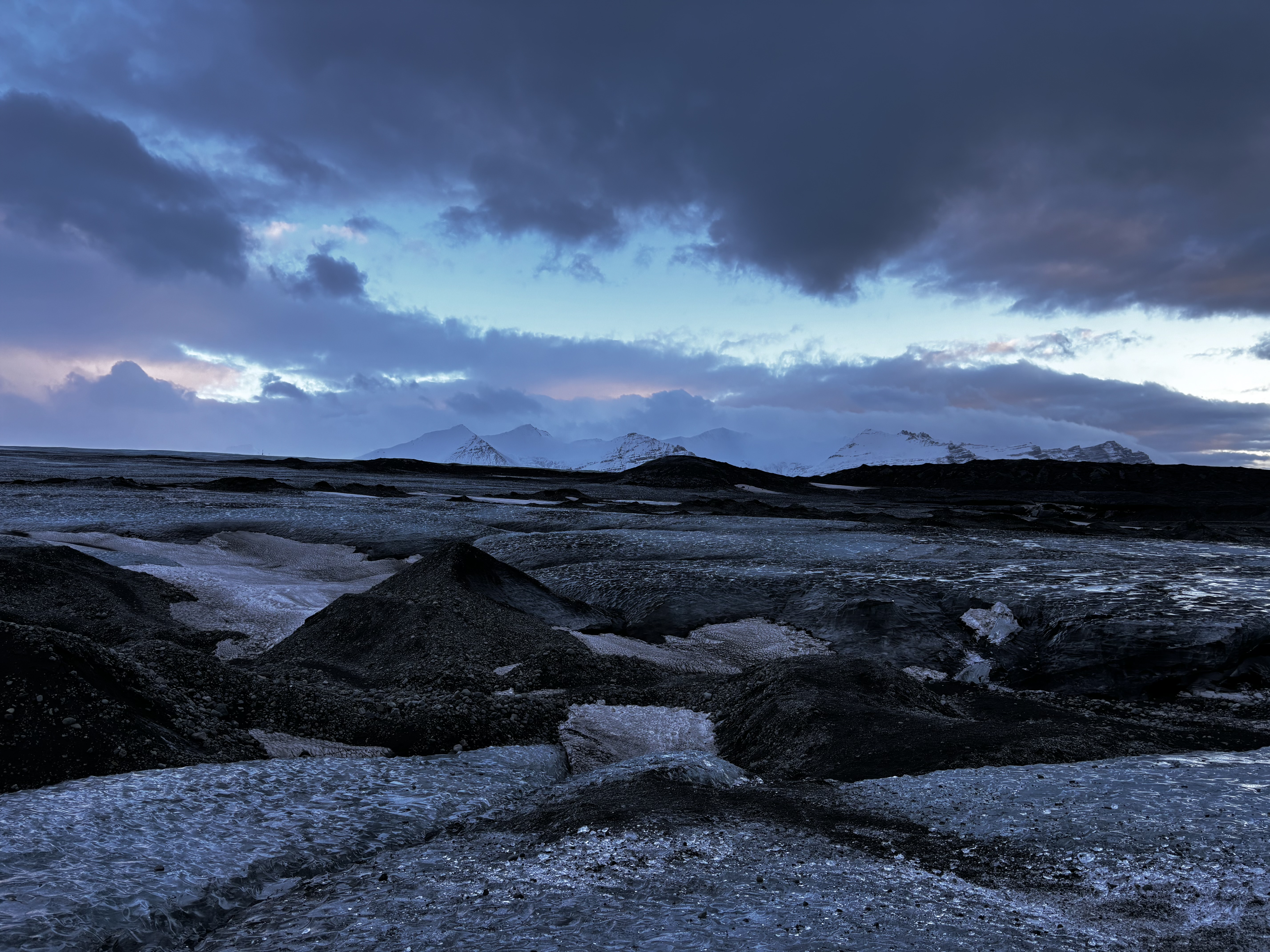
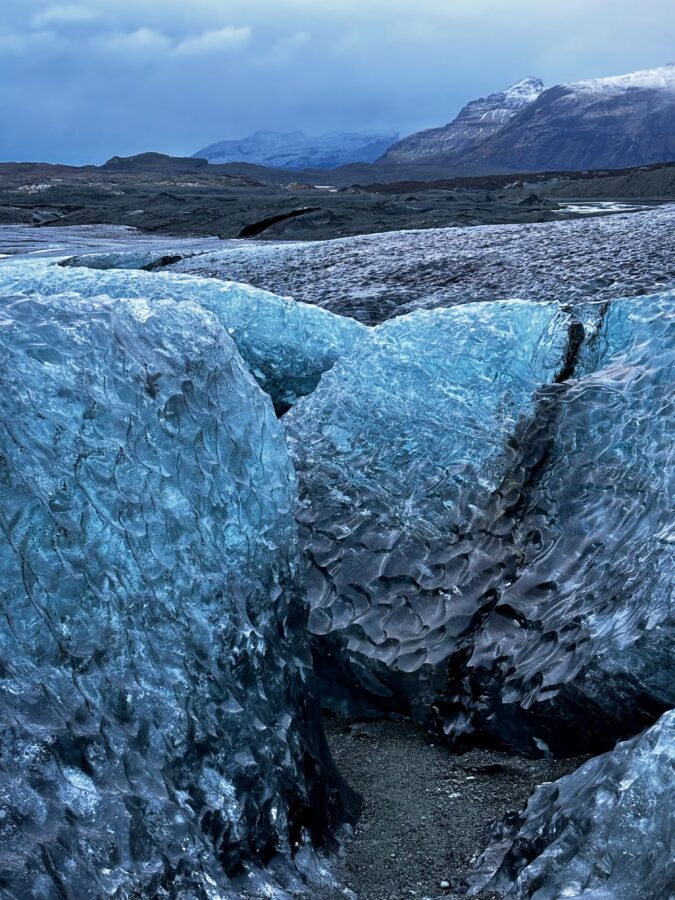
This was the most “adventurous” day of the trip, but it was very well managed. We travelled by superjeep to reach the ice cave, with experienced guides providing instructions and assistance as needed. A ride on a superjeep is supercool, but you do need to climb into it first.
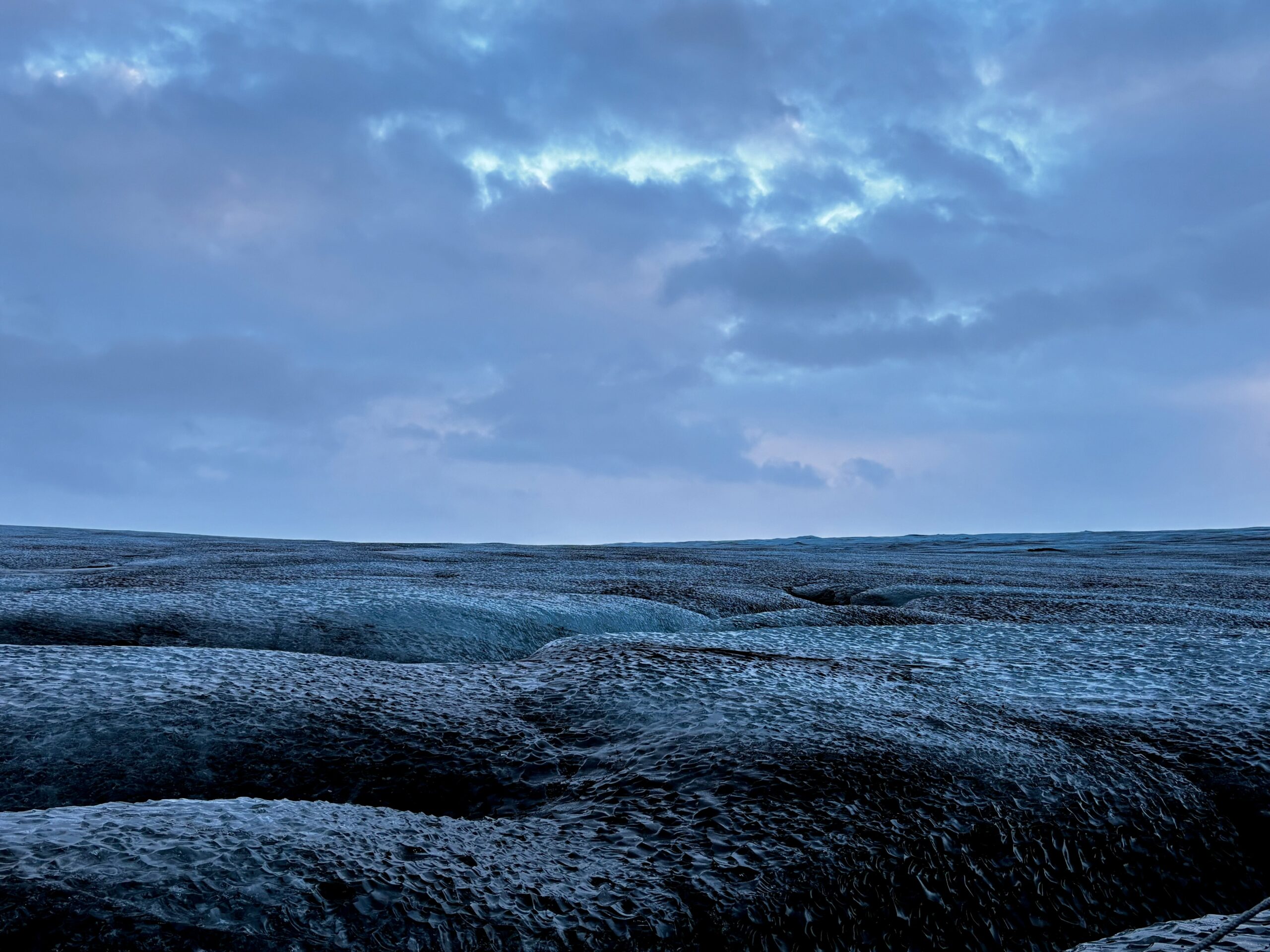
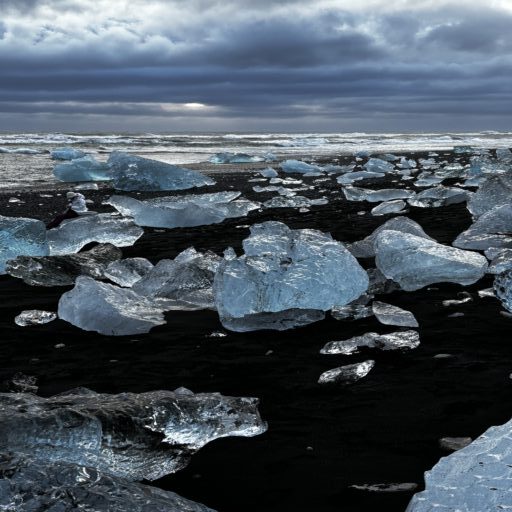
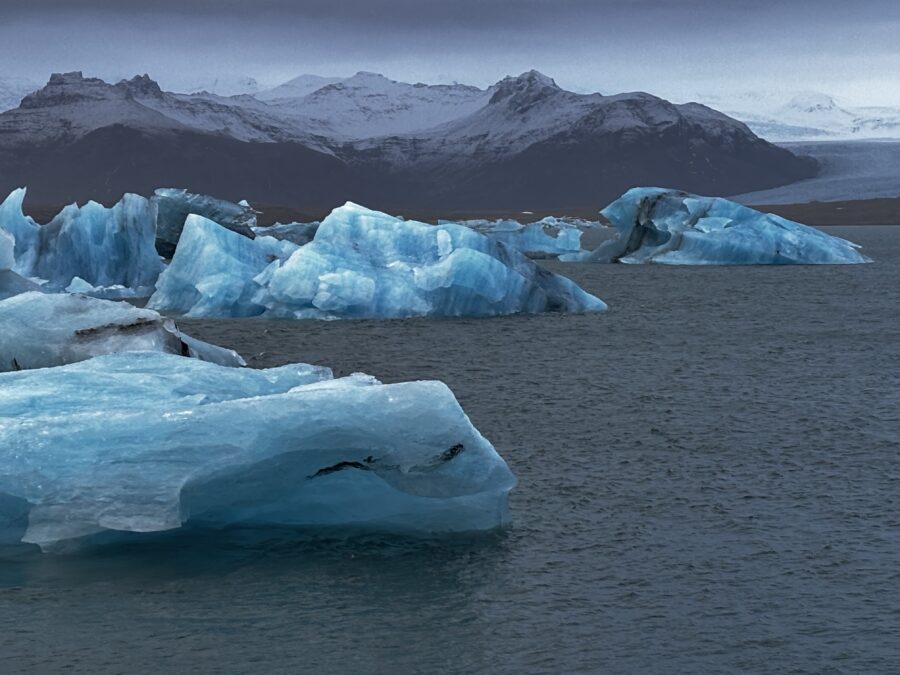
Getting to the ice cave required walking carefully, but no climbing skills or technical experience. Jökulsárlon glacier lagoon and Diamond Beach, which we saw afterwards were out-of-this-world beautiful. If you’re curious about ice caves but unsure about accessibility, this day proved that it’s possible without needing to be superbly fit and fearless. When you book a tour, pay specific attention to what they offer: a glacier walk with visit to an ice cave, or a jeep tour to a cave. We did the latter. You can read more about it on this post about our ice cave tour.
Day 5: Reykjavík
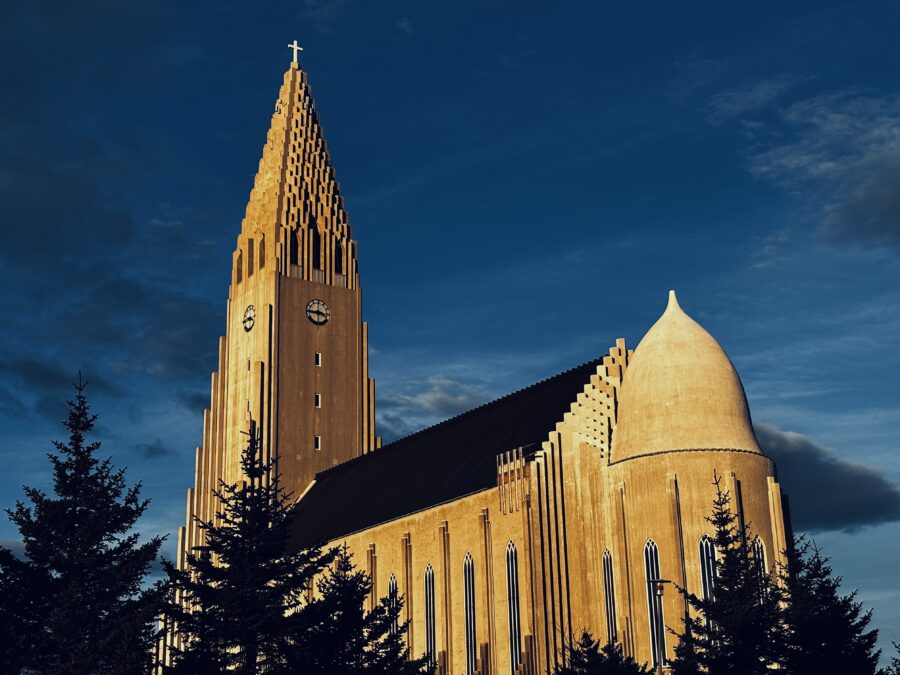
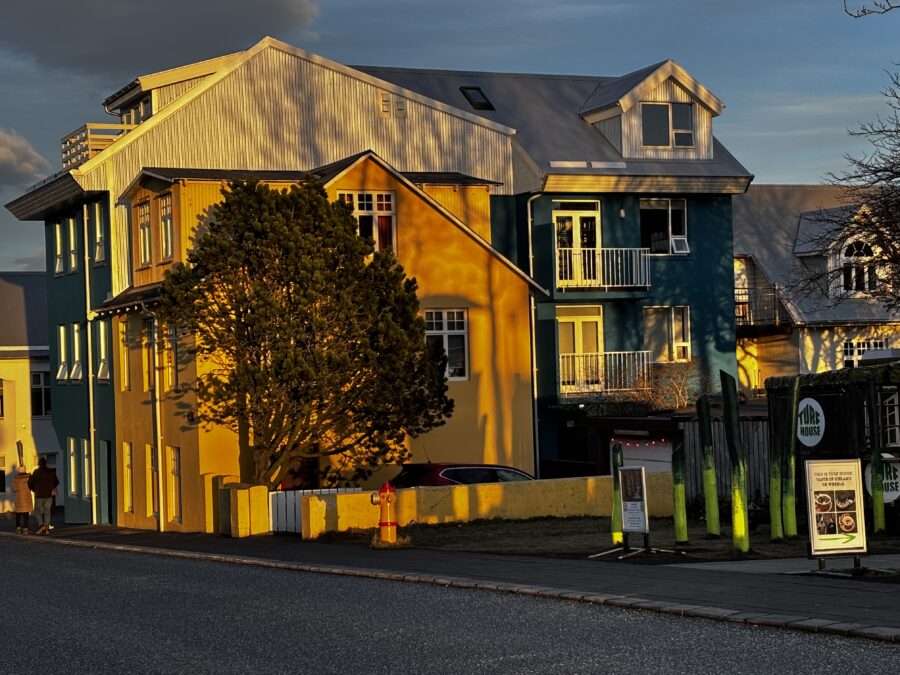
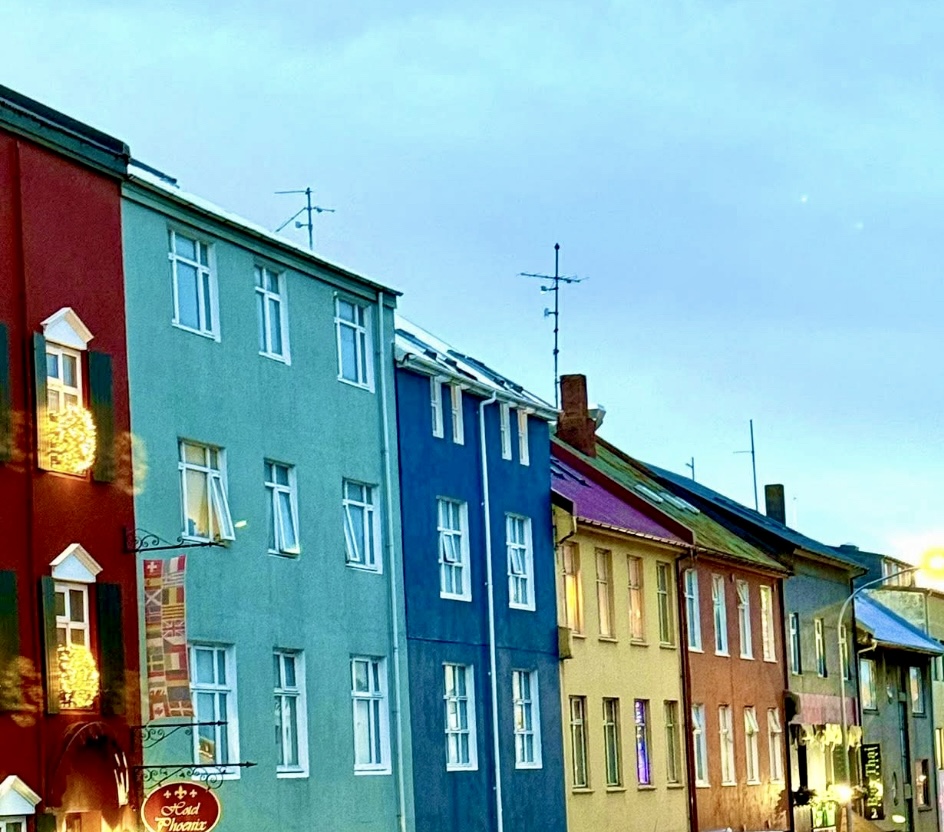
Our final day was spent in Reykjavík, which felt like a gentle return to paved streets, cafés, and easy sidewalks. The city is compact and easy to explore at your own pace, with plenty of places to sit, shops, museums, and restaurants. If you have time: visit one of the city’s thermal pools, or book a trip to one of the spas outside of town. And whatever you do, don’t miss Perlan!
How demanding was this itinerary?
Overall, the trip didn’t require a lot of physical effort. Walking distances were short, and there was always time to move at your own pace. In some places there were steep climbs or stairs, but you could skip those and it was still gorgeous. Some surfaces were wet, icy, or uneven—especially near waterfalls and on glacier-related visits. Stamina mattered far less than balance and paying attention to where we put our feet. The days were very full so if you prefer not to spend days getting in and out of minivans, this might be a bit rushed for you.
If you’re comfortable walking short distances, this itinerary is entirely doable. If you’re still in doubt, I also wrote a longer post about how physically challenging Iceland really was.
What about the Northern Lights?
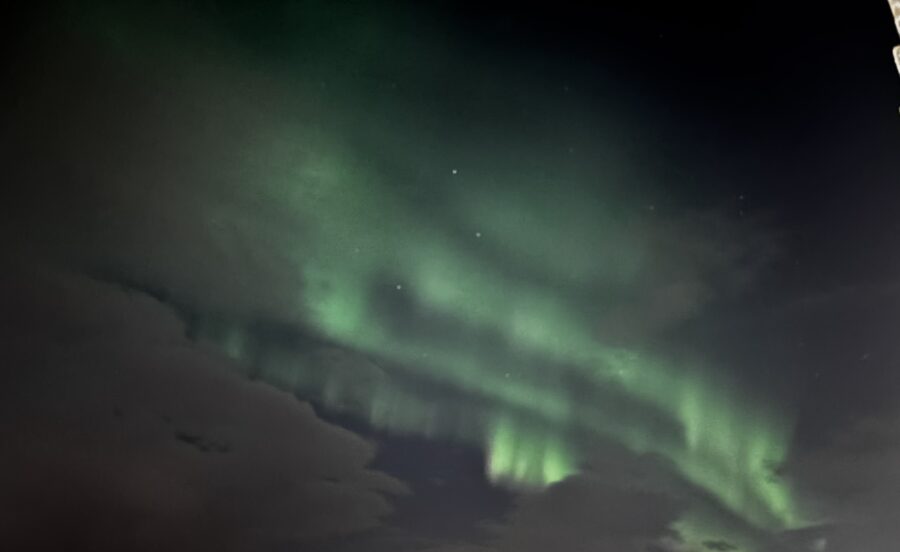
We didn’t book a dedicated Northern Lights tour and instead hoped to see them while staying in the south. Although I was still in doubt on the last day of our tour, in the end I was glad I didn’t add four more hours of driving and standing around in the cold to an already tiring day. Especially because the Northern Lights were clearly visible in the sky above our hotel when we got off the bus.
Whether you see the aurora depends entirely on weather and solar activity, and there are no guarantees—but staying outside Reykjavík does give you a better chance if conditions are right. If we’d had an extra day, I would probably have booked an Aurora tour.
Next time I would do this differently:
I would make a few changes if I booked another winter trip to Iceland. Most importantly: I would add at least two extra days. I couldn’t now because I simply didn’t have the days off, but this itinerary would have been better if:
– We’d had time for a Northern Lights tour after a day that wasn’t already full of other activities.
– We’d had time to do Flyover Iceland, the Lava show and some leisurely strolling through Reykjavík.
– We’d had time for a whale watching tour OR a tour to Snaefellsness Peninsula. Or both. In which case, make it three days.
So, to wrap everything up: I loved our short trip to Iceland. We saw a lot of the highlights that we’d wanted to see and we even got to see the Northern Lights. But it was just a little bit too short, so my advice would be: if you have the time and the money, book a week.