Cape Town in 3 days: a realistic itinerary that won’t leave you exhausted by day three.
Planning a trip and wondering how to spend 3 days in Cape Town without rushing it? This realistic, day-by-day itinerary shows you exactly how to see the highlights at a comfortable pace, without trying to cram everything in.
Instead of racing between sights, this plan focuses on what actually makes Cape Town special: dramatic coastal views, a few standout experiences, and time to enjoy them properly. You’ll cover Table Mountain, the Cape Peninsula, and one flexible day that can be tailored to your energy and interests.
If you prefer a smarter, more relaxed way to travel – especially if you’re 50+ – this approach works far better than the typical packed itineraries.
What “realistic” means in Cape Town at 55+
I should explain what I mean by “realistic,” because it can sound suspiciously like code for “a bit dull.” It isn’t. Realistic just means enjoyable rather than punishing. It means doing enough to feel you’ve had a proper adventure, but not so much that you need a dark room and a recovery plan by 4pm. It means accepting that one or two excellent things in a day are often far better than five rushed ones.
Cape Town is spectacular, but it is not a city that rewards nonsense. It’s hilly, spread out, and very good at making things look closer on the map than they feel in real life. Add in weather, traffic and the occasional steep walk disguised as “just a short stroll,” and it’s a place that benefits from a little restraint.
At 55+, I’ve had to give up trying to compete with twenty-something backpackers. They can sprint uphill, survive on crisps and cocktails and call it freedom. I prefer a sensible pace, proper shoes and a plan that still leaves room for lunch. This, as it turns out, is a very good way to see Cape Town.
This was the itinerary that saw us through three very enjoyable days, with minimal faffing and a respectable number of food and coffee stops.
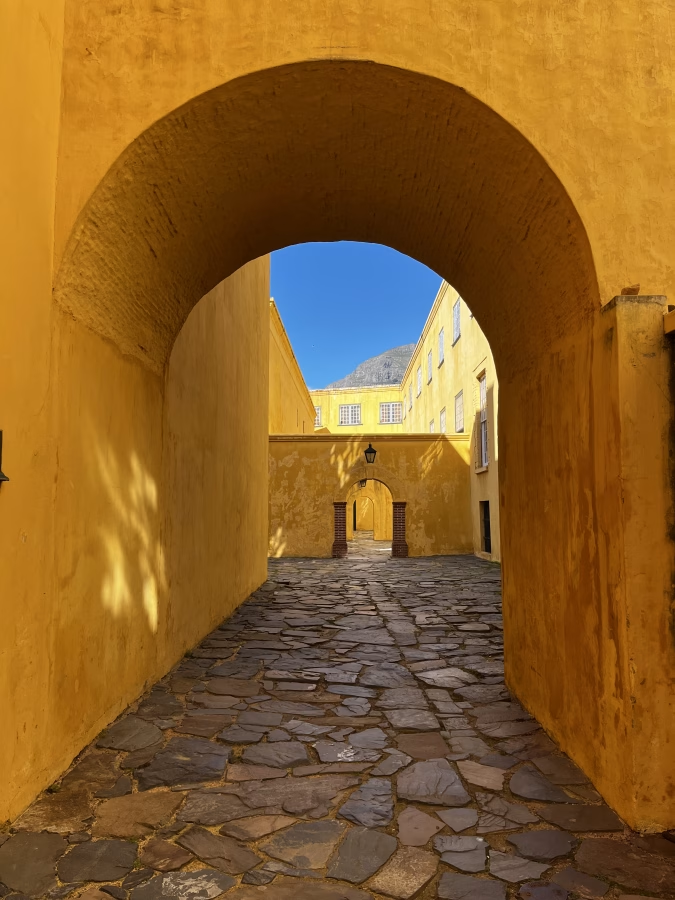
Day 1: Waterfront, harbour views and Table Mountain
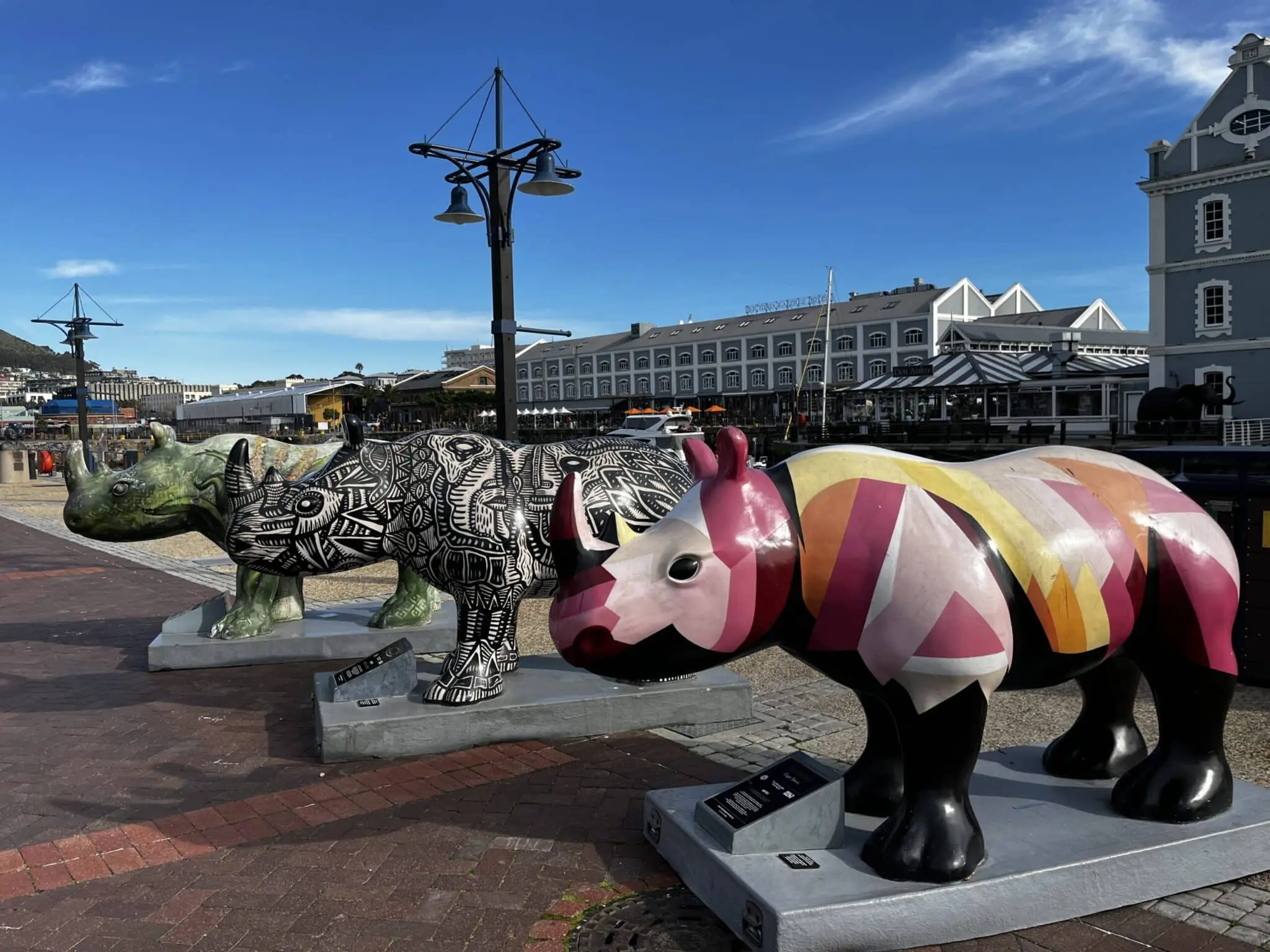
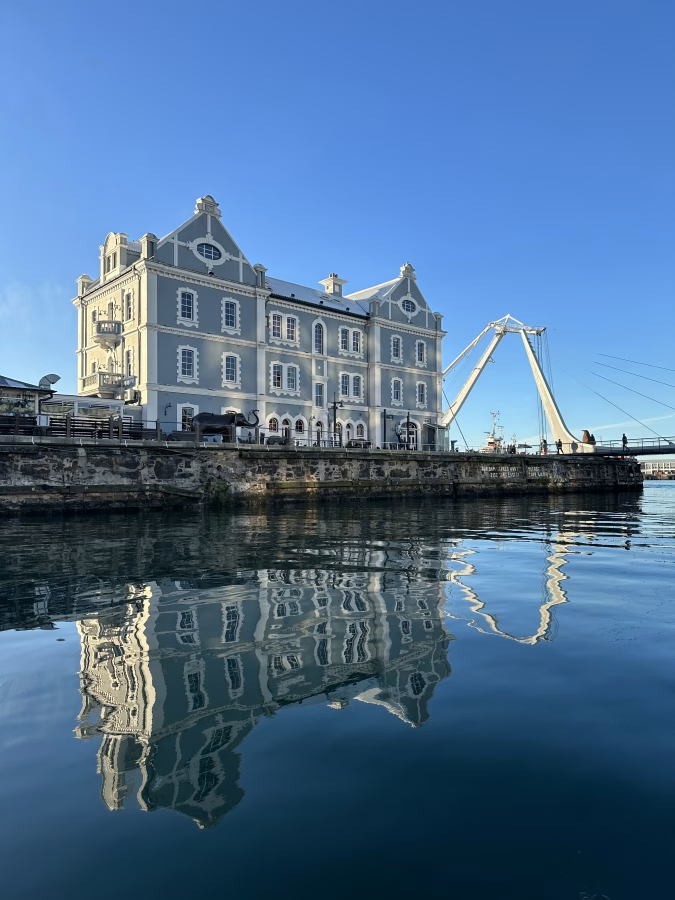
We started at the V&A Waterfront, which was exactly the right sort of first-day choice. Yes, it’s touristy. Very touristy. For a reason, by the way. Luckily, I’ve reached an age where I no longer dismiss things just because other people also enjoy them. Sometimes popular simply means scenic, easy, well-organised and full of useful things like toilets, coffee and places to sit down. I now consider these signs of civilisation. The Waterfront is a lovely place to begin. You get the water, the mountain, the buzz, and that immediate feeling that yes, you really are somewhere special.
From there, we did the hop-on-hop-off bus small loop, which I am fully in favour of. I know there are people who think the only proper way to see a city is to march around it until your feet file a formal complaint. I disagree. A sightseeing bus is a very smart way to get your bearings, especially somewhere as spread out as Cape Town.
We also did a harbour boat tour, which was a lovely addition. I always enjoy seeing a place from the water. Everything looks a bit grander somehow, and there is something deeply relaxing about being on a boat while someone else handles the logistics. The seals resting everywhere seemed to approve of us being there.
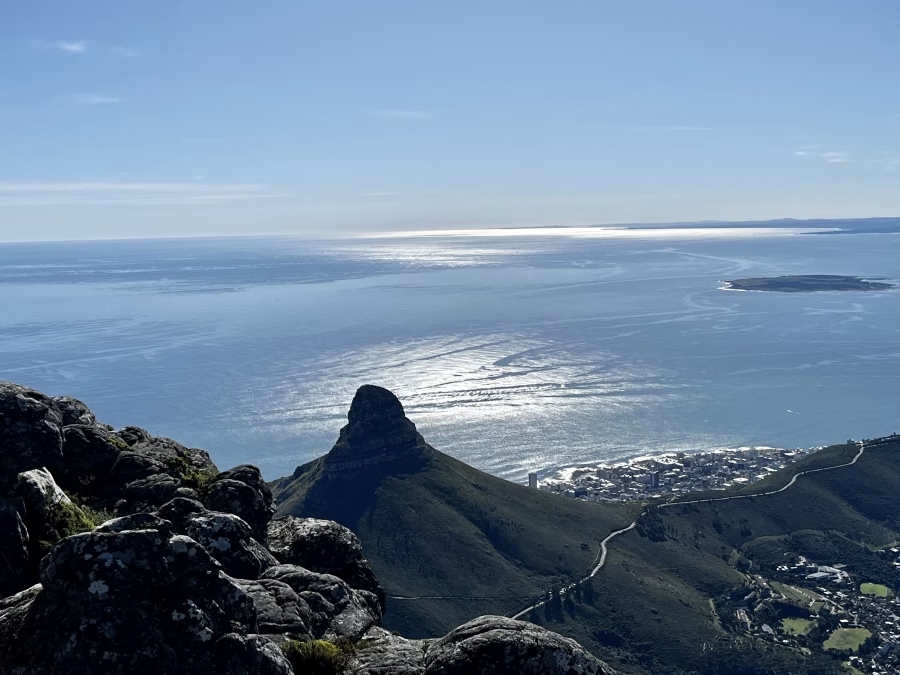
Then came Table Mountain. This was, unsurprisingly, one of the highlights. And for me, the cable car was absolutely the right call. I do not subscribe to the theory that every beautiful view must be earned by dragging yourself uphill like a mountain goat with something to prove. The cable car exists. It goes up the mountain. Taking it is called making use of available resources, not the easy way out.
What made it even better was that we didn’t just go up, admire the view and come straight back down. We walked across the plateau once we were up there, which gave us the best of both worlds. We got the views and the feeling of really being on the mountain, without turning the entire day into a cardiovascular statement. And the views really are ridiculous. Cape Town from above looks almost unreal. Ocean, city, mountains, light, all spread out below you in a way that makes you stop and just stare.
By evening, we were very happy to head back to the Waterfront for dinner. After a day like that, I had no desire to go haring across town in search of some “must-try” restaurant. I wanted a nice meal, a glass of something cold, and the satisfaction of knowing we had packed a lot into the day without tipping into idiocy. We found all of this in La Parada restaurant.
Why this day worked
Because it had range. We got an easy introduction to the city, saw it from the water, and still had the big iconic Table Mountain moment. Most importantly, it felt adventurous without being exhausting.
I also think the cable car plus plateau walk is a very good Table Mountain option for people our age. You still get the magic. You still get some movement. But you don’t spend the next two days feeling like you’re recovering from a triathlon. If you do want to hike up the mountain, make sure to leave on time and check weather conditions before you go. You do not want to be airlifted off the mountain on your first day in the southern hemisphere.
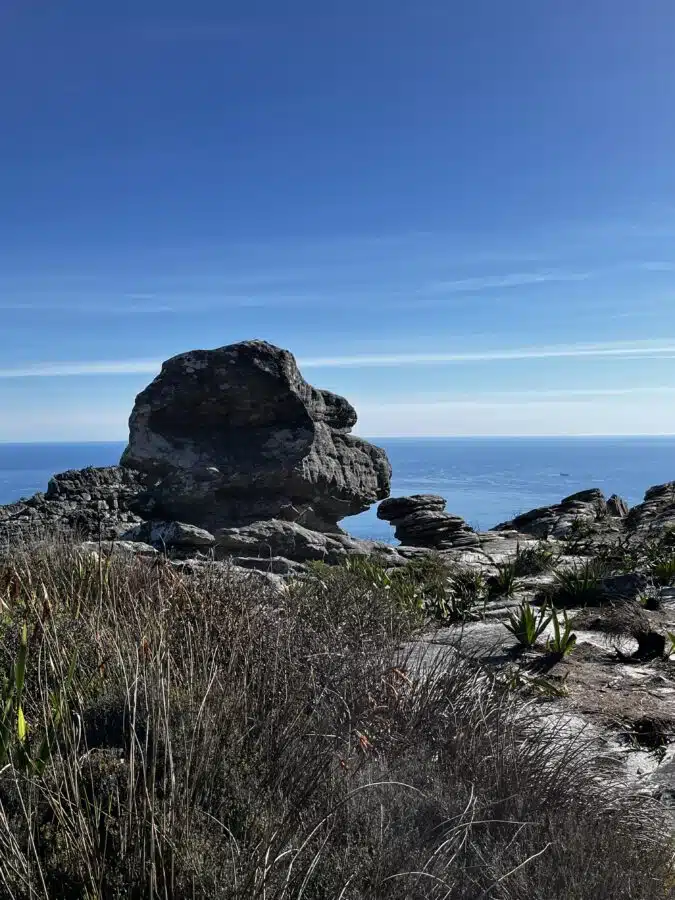
Day 2: Bo-Kaap with a local guide and Kirstenbosch
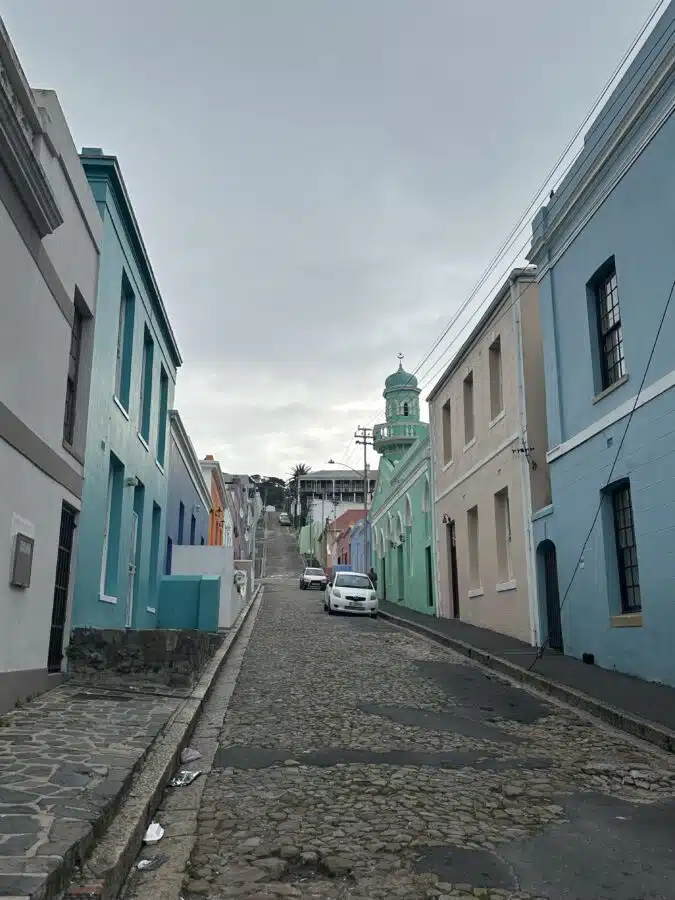
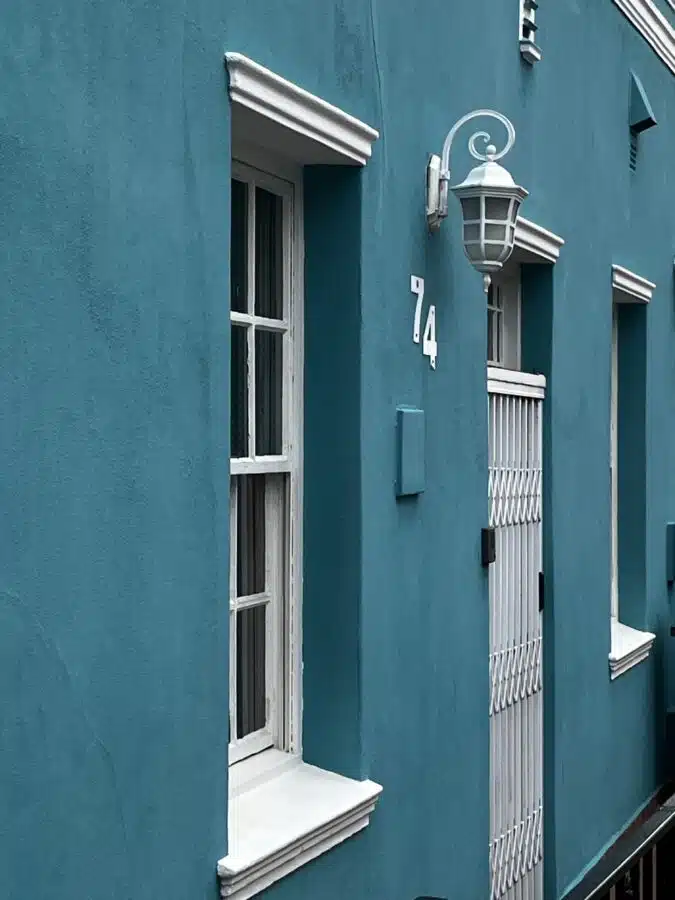
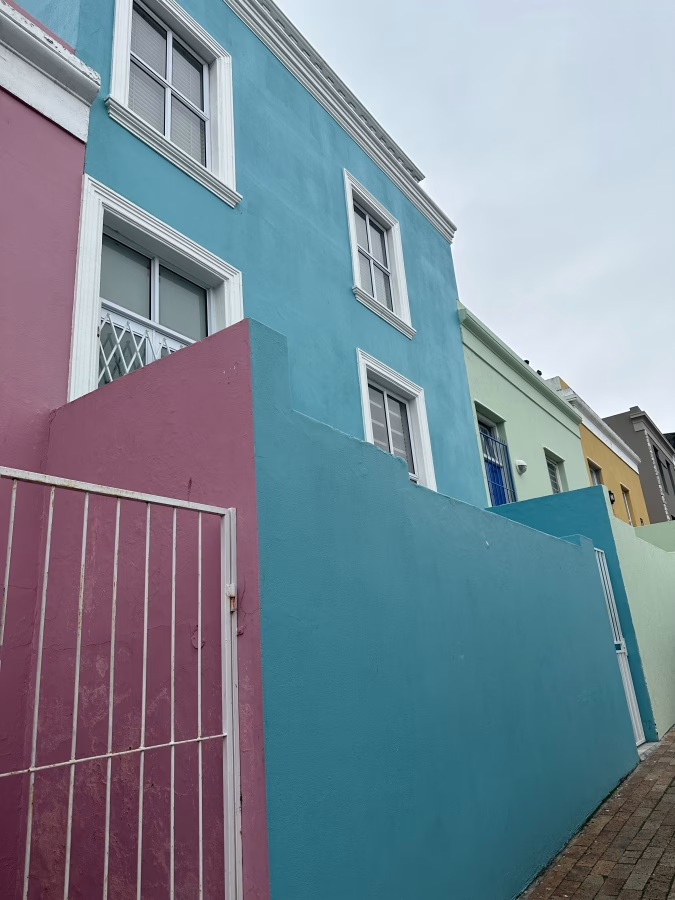
Day 2 had a completely different feel, which I liked. In the morning, we did a walking tour of Bo-Kaap with a local guide, and I’m really glad we did. Bo-Kaap is one of those places that would be very easy to reduce to “colourful houses, got the photo, moving on.” But having a local guide made it feel like a real neighbourhood rather than a backdrop. We got context, history and a stronger sense of the place itself, which made the whole experience much richer. Also, yes, the houses are beautiful. Cheerful, bright, and so photogenic they made me realise yet again that I travel almost entirely in the wrong colours.
It was a walking tour, so there was actual walking involved. Plus slopes. And sun. Oh, and those little moments where you realise that standing attractively while listening, looking interested and not overheating has become a multi-system task. Still, it was very manageable and very worth doing.
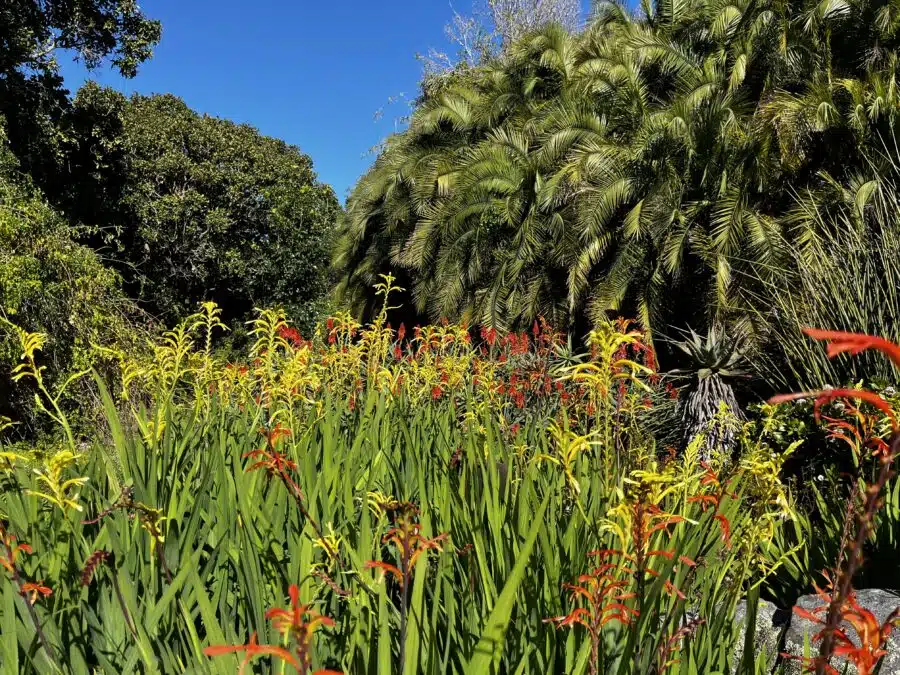
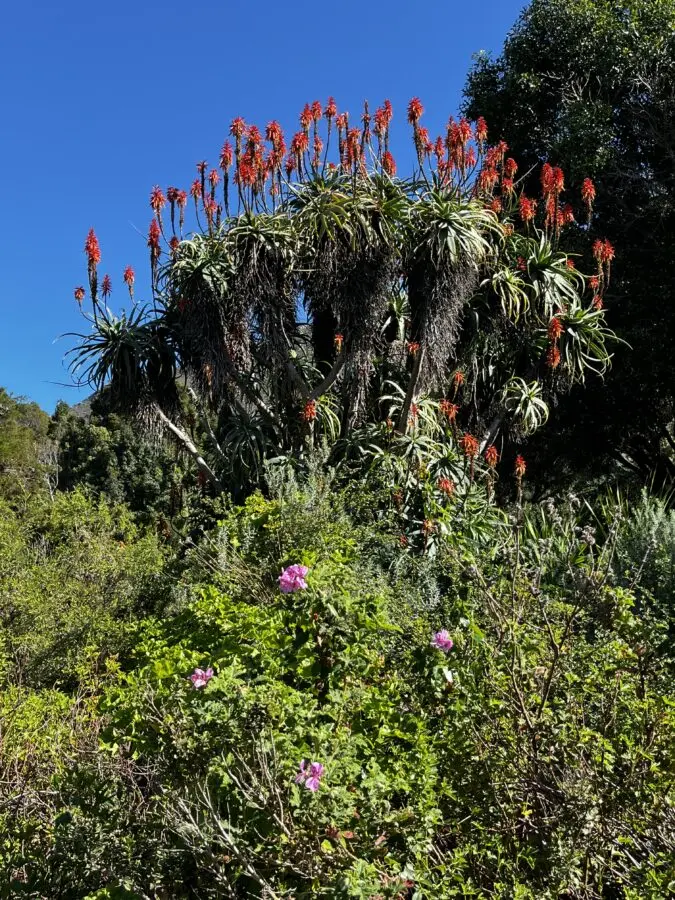
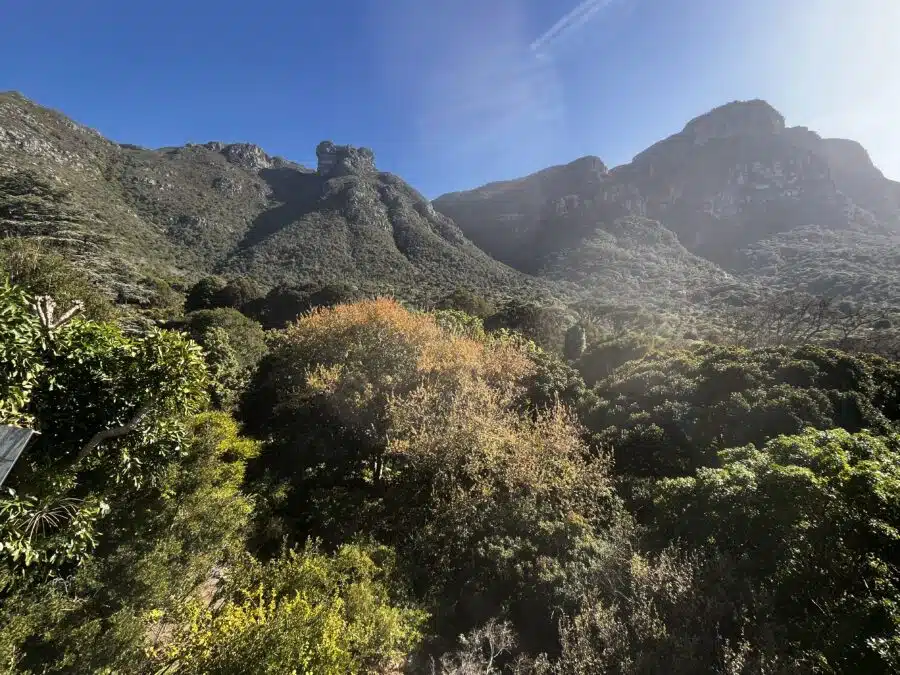
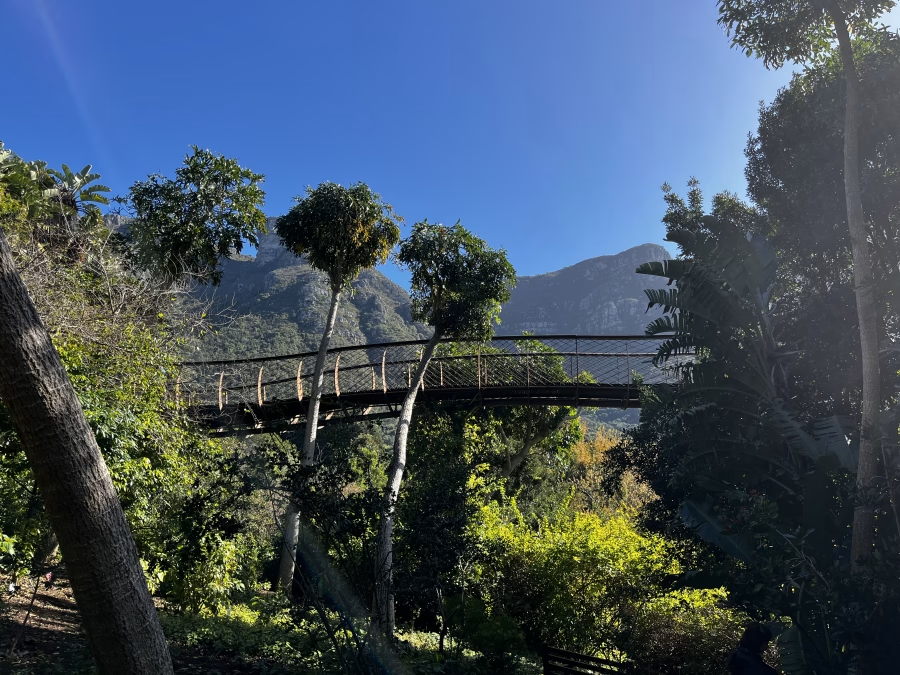
Later, we went to Kirstenbosch Botanical Gardens, which I loved. I am not normally someone who gets emotional about a plant. But Kirstenbosch is something else. The setting is extraordinary, with the mountain rising behind it and everything looking just a bit too perfect to be entirely fair. It was winter when we were there and even then, it was wonderfully green and lovely. It also had dinosaur sculptures lurking in the bushes, which was an interesting touch.
What I liked most was that you can enjoy it at your own pace. You can stroll, stop, sit, admire, wander a bit more, then stop again. There’s no sense that you have to conquer it. Make sure not to miss the Boomslang. Admittedly, it’s hard to miss but just in case. It’s an elevated walkway in the form of a snake. Hence the name: Boomslang means Tree Snake. We had a lovely lunch on the terrace, in the sun and 20 degrees, telling each other that this was a whole different kind of winter than what we’re used to. It later turned out that we’d been incredibly lucky with the weather.
Why this day worked
Because it balanced beautifully. Bo-Kaap gave us colour, history, local insight and a bit of city energy. Kirstenbosch gave us calm, space and a slower rhythm. Together, they made a full day, but not an exhausting one. We ended it with dinner back at the Waterfront, because why change a winning formula?
Day 3: Self-driving the Cape Peninsula
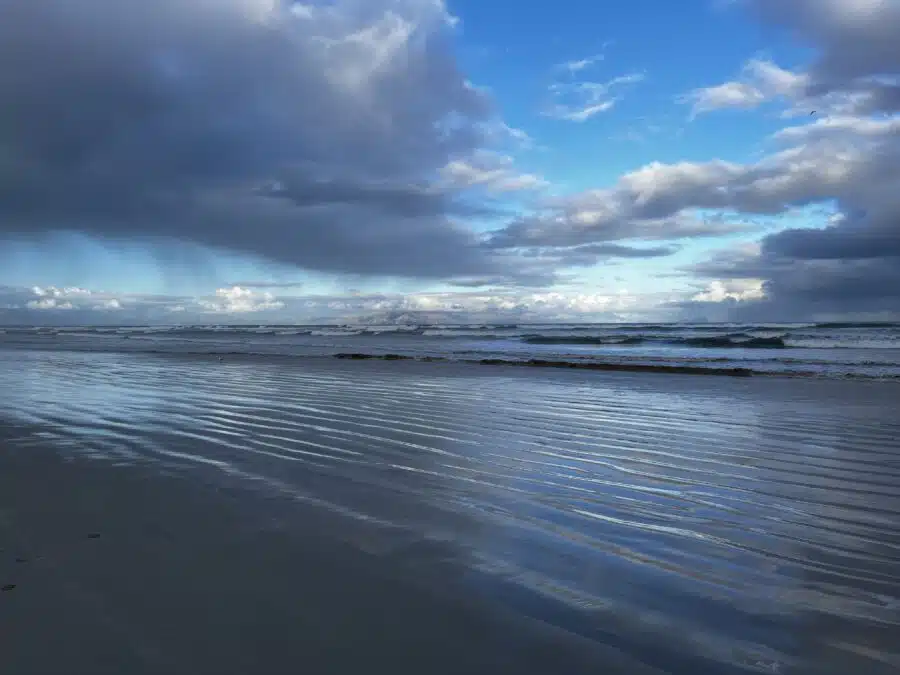
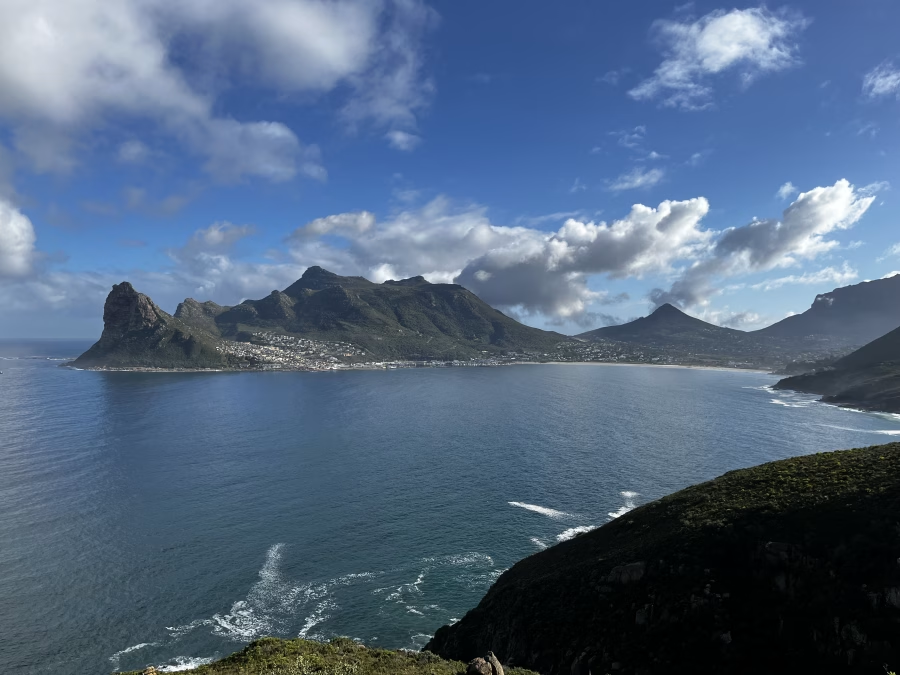
Day 3 was our biggest outing, and it was glorious. We did a full self-drive around the Cape Peninsula, and this was the day for big scenery, dramatic roads and repeated use of the phrase “look at that.”
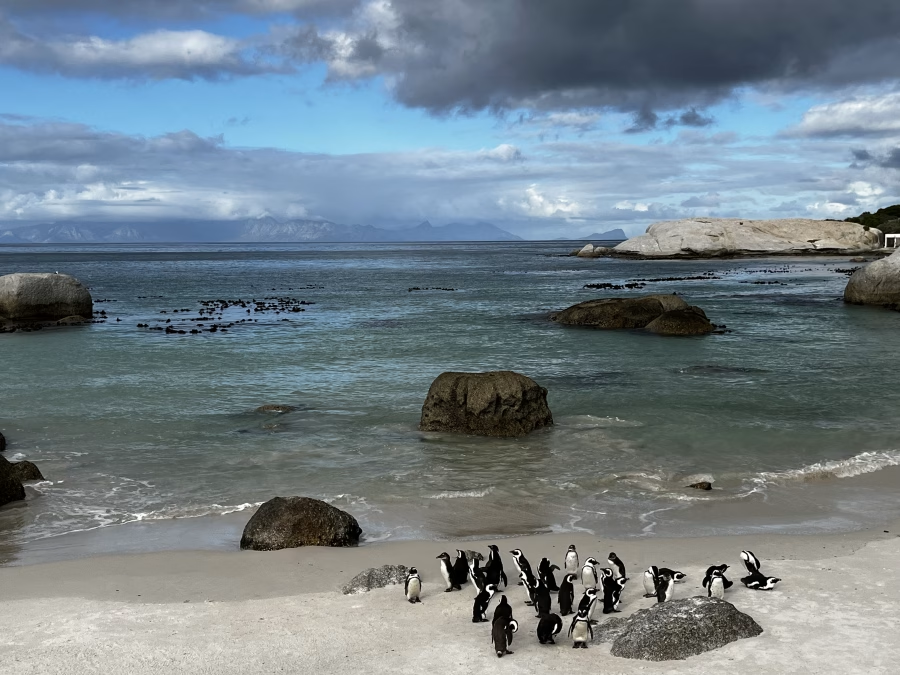
The drive itself is stunning, but what made the day so memorable was the mix of iconic stops along the way. We visited Boulders Beach for the penguins, which are every bit as charming as you’d hope and slightly funnier than expected. And much smellier than expected. That too. There is something very cheering about watching penguins go about their business while you stand there feeling both delighted and like you should be wearing an evening gown to match their tuxedos.
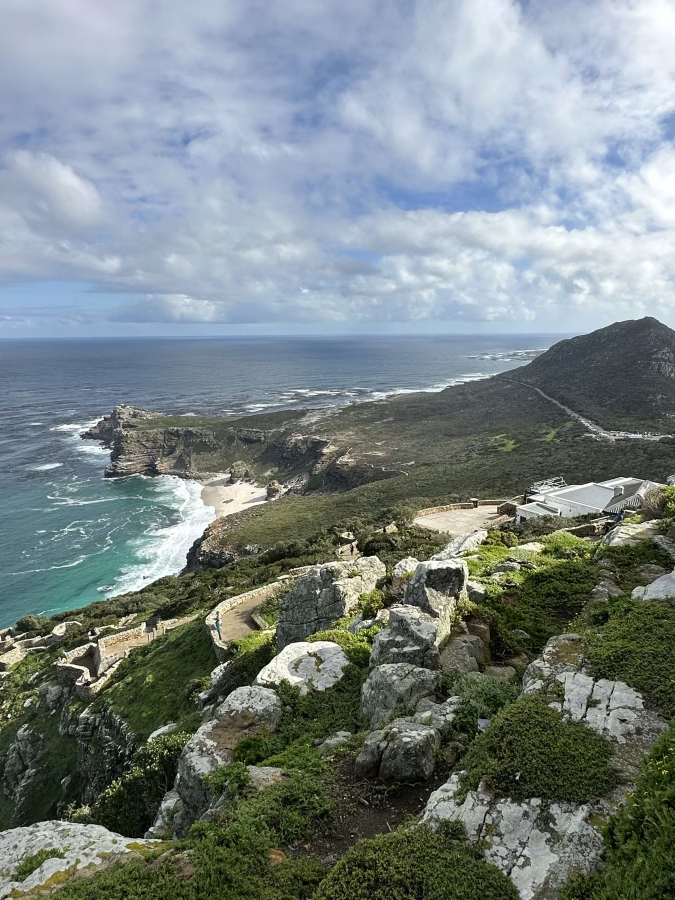
We also went on to Cape Point and the Cape of Good Hope, both of which deliver that wild, end-of-the-world feeling the Cape Peninsula is so good at. The scenery is big, windy, dramatic and thoroughly worth it. The funicular leading up to the firehouse at Cape Point was out of service so it was quite a hike up the mountain, but it was worth every step. Small warning: even if the funicular is running, the final part up to the lighthouse is steep steps.
I was very glad we did it as a self-drive because it meant we could go at our own pace. We could stop when we wanted, linger at viewpoints, and not feel hurried by anyone else’s schedule. At 57, I enjoy freedom more than speed. That said, it’s still a long day. Even though much of it is spent in the car, it’s tiring in a different way. There’s navigation, getting in and out, a bit of walking at stops, those steep climbs at Cape Point and the general wear-and-tear of taking in a lot in one go.
That’s exactly why I think it works best as the one main event of the day. The Peninsula drive is not the side dish. It’s the meal. Talking about meals: we had ours back at the Waterfront.
Why this day worked
Because it felt adventurous in the right way. It gave us the full Cape Peninsula experience: dramatic coastal scenery, famous landmarks, penguins, and that wonderful sense of being out on the edge of things. But we did it on our own terms, at our own pace, which made it exciting without making it exhausting. If you want, you can read all about our road trip around the Cape Peninsula here.
Then on to the wine region
After Cape Town, we headed to the wine region, which felt like exactly the right next step. Cape Town gave us energy, movement and scenery. The wine region gave us a bit of an exhale. More space, more calm, more long-lunch potential, and fewer opportunities to find yourself unexpectedly halfway up a hill.
I think this combination works brilliantly at this age. A few full days in Cape Town, then somewhere a little slower and softer afterwards. Enough excitement, enough beauty, then a reward.
What I liked about this itinerary at 55+
What I liked most was that it felt full without feeling frantic. We did a lot. We saw iconic sights, had beautiful views, learned things, walked enough to feel active, and had days that all felt distinct. But at no point did the trip become one long attempt to prove I was still capable of travelling like my younger self. I’m not that traveller anymore.
These days, I make better choices and pace myself better. I know that a sightseeing bus can be smart, not lazy. I’ve learnt that taking the cable car up Table Mountain and then hiking the plateau is not somehow “less than” hiking all the way up. I know that a good dinner with a great view can be every bit as memorable as another rushed attraction.
Most of all, I know that “realistic” is not a disappointing word. It is often the reason a trip actually works. If you’re still in doubt whether “realistic” really isn’t just a polite way of saying “dull”: we took our children, both in their backpacking years, with us on this trip and they enjoyed every second of it.
So, can you still do Cape Town at 55+?
Yes. Absolutely.
Just perhaps not in the same style you once might have, back when a questionable mattress, a six-hour bus ride and a cereal bar counted as perfectly adequate travel planning. And honestly, that’s the point.
Cape Town at 55+ is not about doing less because you have to. It’s about doing it better because you’ve finally learned a few things. Like the fact that one excellent outing is worth far more than three rushed ones and a minor collapse. Or the fact that not every hill needs to be conquered on foot just because it is there. Like the fact that adventure is still very much on the menu, only now it comes with better timing, better shoes and a strong preference for sitting down before things get desperate.
You do not need to race around Cape Town to enjoy it. Nor do you need to hike up everything to “earn” the view, as if the mountain is handing out moral certificates at the top. And you do not need to travel like your younger self to have an adventure. A real adventure can include a cable car, a good lunch and a comfortable bed. In fact, at this age, I’d say that’s the gold standard.
What you need is curiosity, a sensible plan and the confidence not to ruin a perfectly good trip by behaving like you have something to prove and the stamina to prove it.
Final thoughts
Cape Town is dramatic, beautiful and entirely doable at 55+. Not because age doesn’t matter, but because it does, and by this point that can actually work in your favour. You’re less likely to waste time on nonsense. Less likely to confuse exhaustion with achievement. More likely to recognise that a good itinerary is not one that leaves you broken in spirit and hamstring by day two.
This is a genuine perk of getting older. You get better at spotting the difference between what sounds impressive and what is actually enjoyable. So yes, you can still do Cape Town at 55+. Just with more perspective, better hotels, better footwear, and absolutely no interest in pretending that discomfort is somehow character-building.
Or, to put it another way: less backpacker chaos, more grown-up glory.
This post is part of our 3-week South Africa itinerary.
For all things South Africa, you can take a look at our complete 55+ South Africa Guide.
If you want to see Cape Town and its surroundings but don’t want to drive, check out the twenty best tours from Cape Town for non-drivers, with fitness levels and practical notes.