Is Iceland too physically demanding for 55+ travellers?
Planning an Iceland winter trip 55+? Understanding how physically challenging the terrain, walks, and daily activities can be is key to enjoying your adventure safely and confidently. With the right planning and pacing, most paths are manageable, even in winter conditions
You don’t need to be especially fit to travel around Iceland at 55+, but you do need to be comfortable with short walks on uneven paths, occasional stairs, changing weather, and a lot of time spent in cars. Based on our own travel on the South Coast and Golden Circle, this guide explains what the walking, terrain, and physical demands are really like, especially in winter.
In simple terms, much of Iceland is easy to explore from short parking‑lot walks, a bit of moderate walking, and only a few truly challenging spots.
So, how physically challenging is Iceland for travelers over 55, especially in winter? Not extremely, and not a test of endurance or strength in the gym sense. It’s about pacing, preparation, and the occasional near-fall. Most of all, it’s about staring at the scenery in bewildered awe.
If you’re planning a trip to Iceland, my Iceland country page will keep you up-to-date with all my Iceland-related posts. There’s a complete planning post there, in case you really don’t know where to start.
What do I mean when I say “physically challenging”?
Iceland in winter challenges you in a few key ways. Let me break it down.
First, there’s balance. Ice, snow, uneven lava fields, muddy paths, loose gravel and windy viewpoints will all test your balance and coordination. You’ll find yourself concentrating on footing more than usual. Traction devices can make this so much easier. Even on slippery winter paths, it’s possible to explore confidently. See our guide on staying upright in Iceland for practical tips and traction tricks.
Then there’s endurance. Short daylight hours mean you don’t have all that much time to see all the sights. Especially on a group tour you’re moving from one highlight to the next, sometimes in a bit of a rush. Although I never felt rushed on the tour we went on. I had plenty of time to take gorgeous photos (yes, they’re all mine).
You need a bit of strength and stamina too. You’ll need to climb stairs, tackle inclines and get in and out of cars lots of times. And get in and out of your outer clothes layers at every stop, of course. Standing still in the wind can feel surprisingly tiring, and you’ll have to learn quickly how to brace yourself so the wind doesn’t push you into the nearest waterfall or mud pot.
Finally, there’s recovery. Cold weather drains energy faster than you might expect. Even if you’re fit, a few hours outside in wind and snow can leave you ready for a hot drink, a warm jacket, and of course a nice long soak in one of those wonderful thermal baths.
For tips on staying rested, recharging between adventures, and making the most of your trip, see our guide on Wellness and Recovery in Iceland.
Assessing difficulty levels
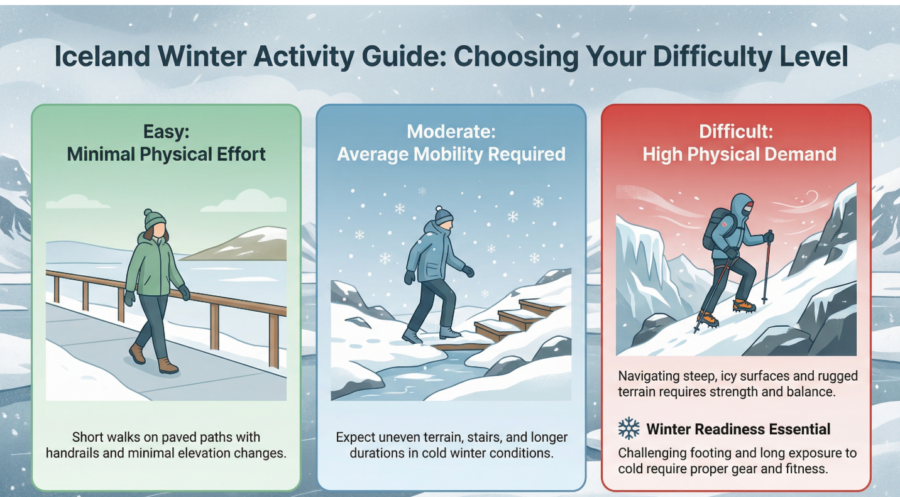
When I talk about “difficulty” here, I don’t mean how athletic you are or whether you run marathons for fun. I mean how much balance, patience, cold tolerance, and mental energy something quietly asks of you. In Iceland in winter, even the “easy” stuff involves standing around in the cold, watching your footing, and trying not to be blown into the sea by a sudden gust of wind.
Before getting into what we actually experienced, I’ll first show you what I mean by each difficulty level. Just so we’re all using the same definition before I apply it to real life. A lot of the places we went to (and pretty much where everyone goes) had two options: an easy one and a moderate one. I’ll explain this as I go along!
The Golden Circle
Mostly easy to moderate, depending on the choices you make.
The Golden Circle is what everyone thinks of when they imagine Iceland. Waterfalls, craters, and the kind of scenery that makes you think you’ve somehow wandered onto a film set. In winter, the Golden Circle is mostly easy if you stick to the first viewpoints, moderate if you venture out a little more.
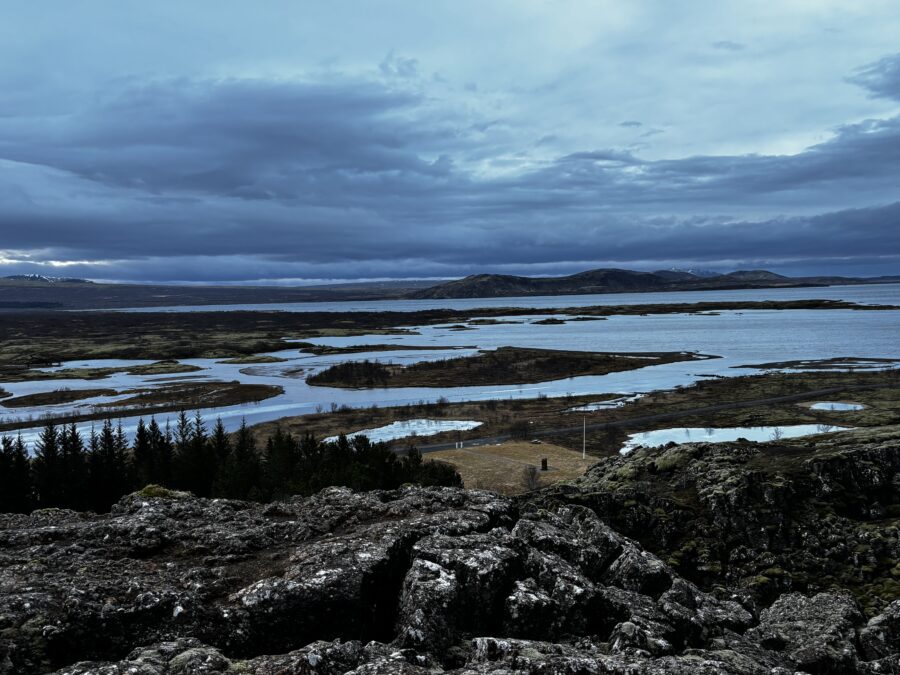
Thingvellir, where we started the tour, consists of easy walks to viewpoints and a downhill walk through the canyon which was created by plate tectonics. At least, it’s downhill if you start at P1 (parking lot) and walk to P2. Most tours drop you off at P1 and pick you up again at P2. It’s a walk of about one kilometer over gravel paths. You can climb a few stairs to different viewpoints or take a detour down to the lake, but you don’t have to. Do prepare for the wind which is racing through the canyon. It’s cold and it’s strong. The path itself is not difficult but can get slippery when it’s muddy or rainy. When there’s snow and ice, microspikes are recommended.
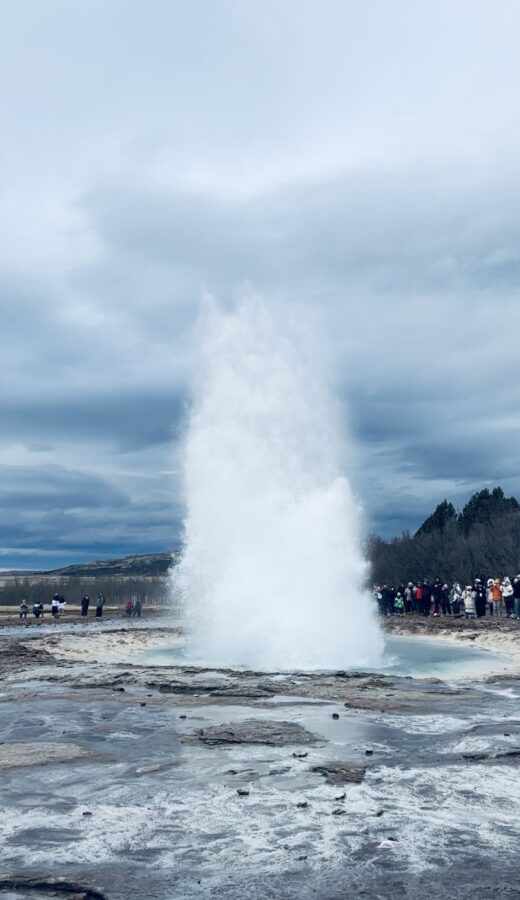
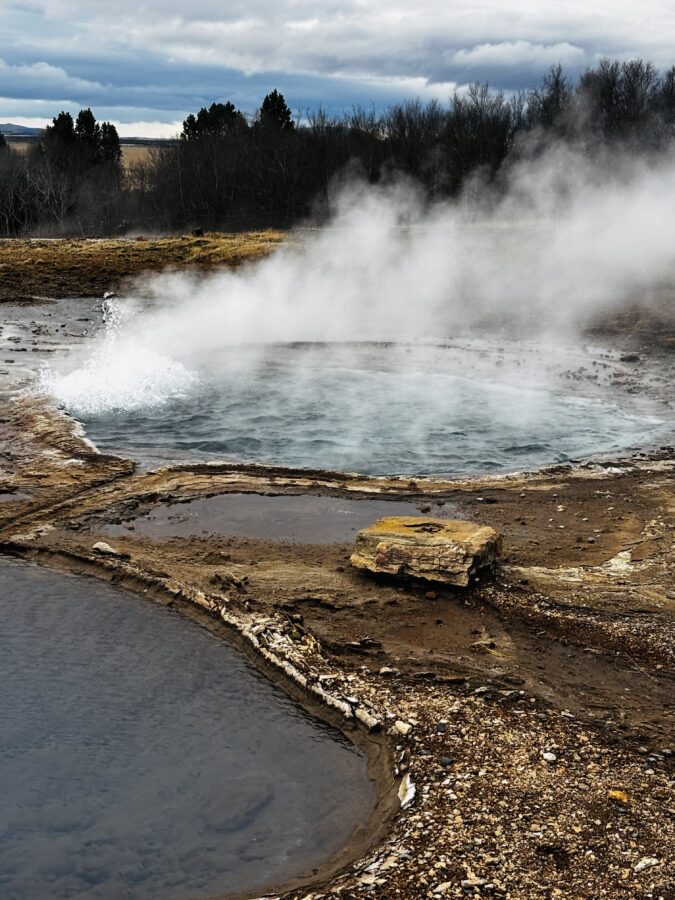
The thermal fields were basically “walk a little, look at steam, wait for Strokkur to erupt, avoid the smelly steam clouds, walk some more, marvel at the colours”. The smell is sulfur, by the way. Expect easy walking across elevated boardwalks or on slighly uneven paths. If you stick to the lower area there’s hardly any elevation. However, to get to the highest viewpoint it’s rather a steep uphill walk. Personally, I think the mud pots and geysers and bubbling smelly pools are much better up close, so you can skip the viewpoint. If there’s snow, microspikes are recommended and the boardwalks can get slippery and some of the paths muddy, so watch your step.
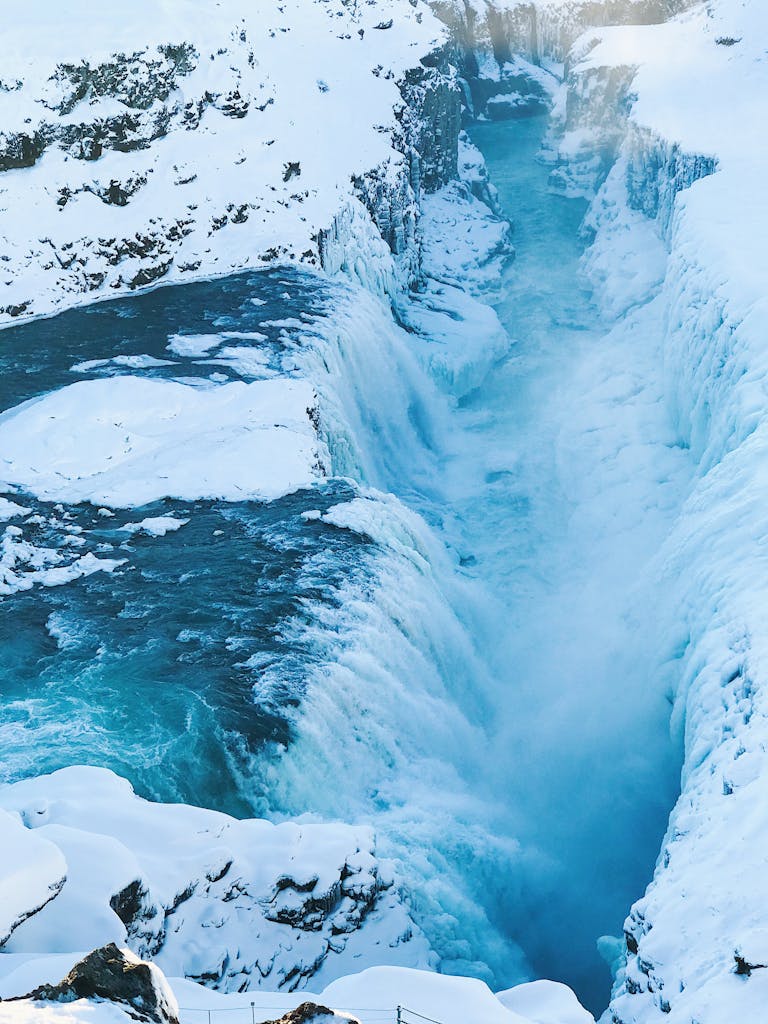
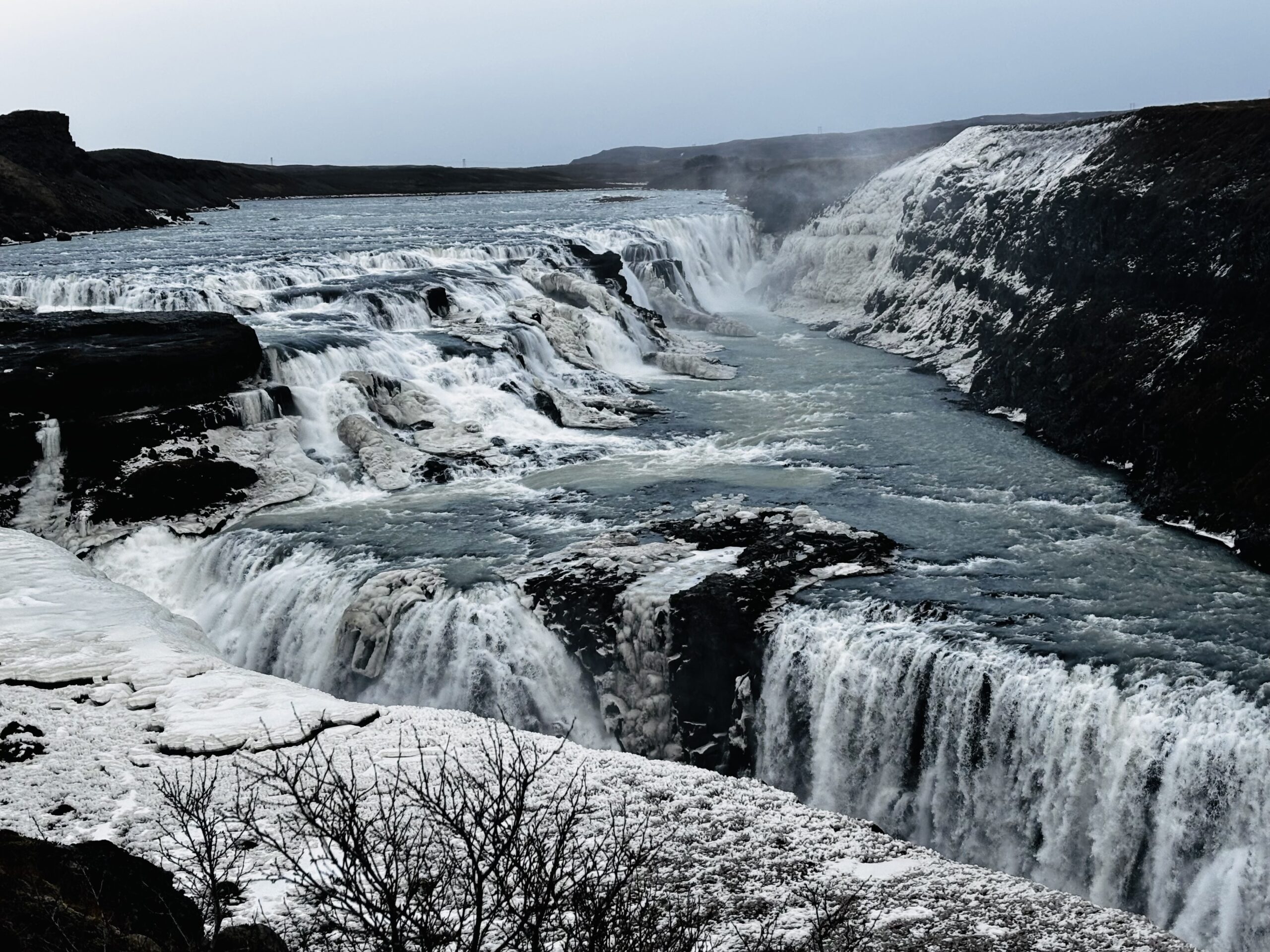
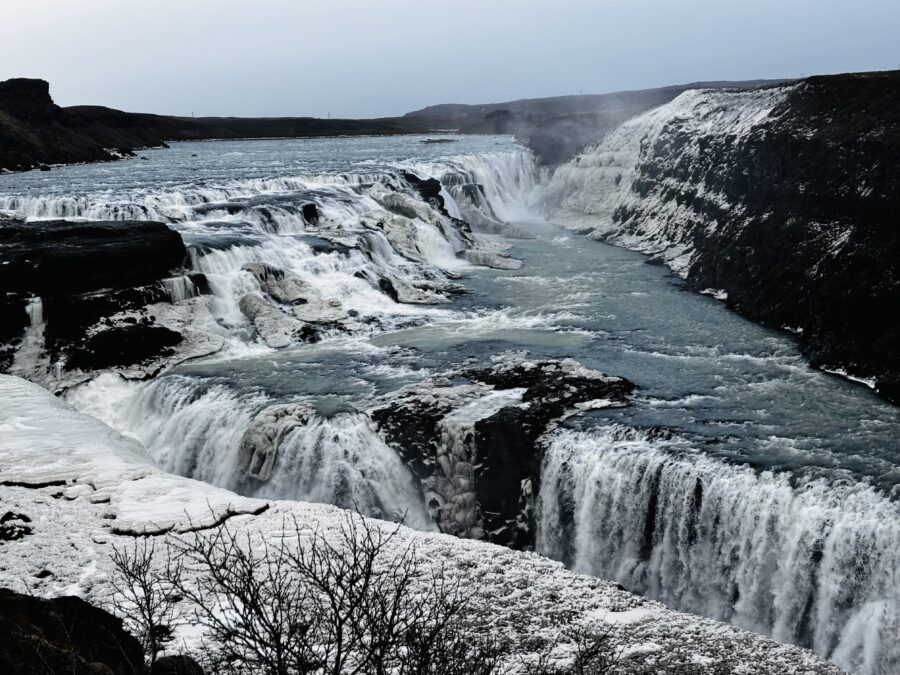
Gullfoss stepped it up to moderate: stairs, uneven paths, and enough wind to make you question why you left the warmth of the minivan. From the parking lot to the viewpoints at the lower level is mostly an easy walk. Do mind your footing though: the spray from the waterfall can turn paths into slip-and-slides quite easily. If you want to see Gullfoss from above, you have to climb some 110 steps and then walk a few hundred meters for the best view. Expect strong winds here, it was brutal when we were there.
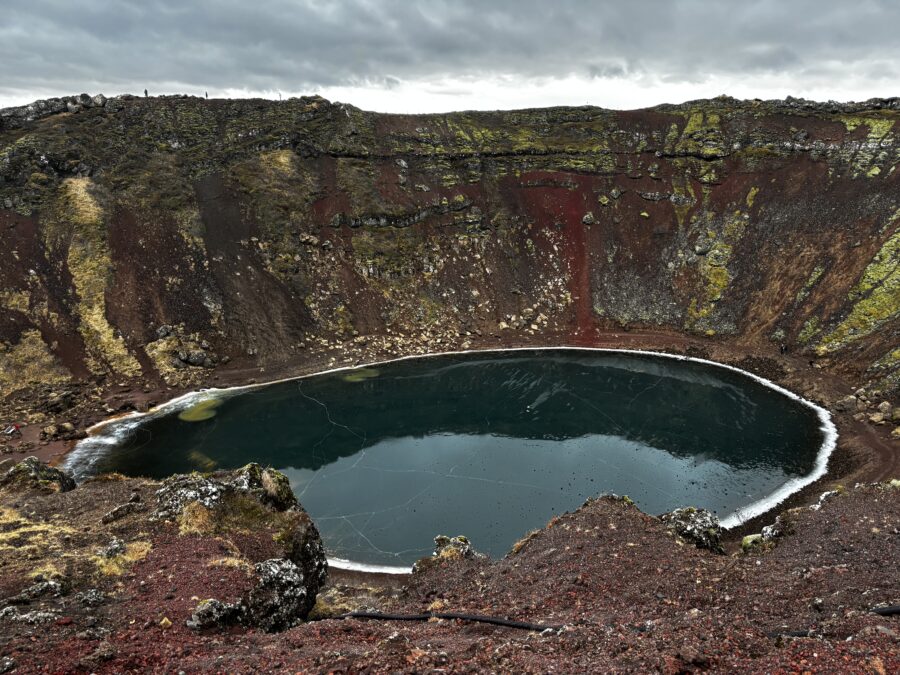
Kerið Crater is small but sneaky. As almost everywhere on the Golden Circle, you can have quite a nice view after an easy to moderate walk from the parking lot. But if you want to see the lake up close and then walk the entire volcano rim, you need to be able to brave some uneven paths, a lot of steps and moderately steep inclines.
All told, the Golden Circle is manageable, pretty, and very Instagrammable, but winter adds a little extra to every step. Dress warmly, hold on to your hat and if there’s a railing: hold on to it. You never know when the wind will try to push you into a canyon again.
Beaches and waterfalls
(mostly moderate, occasionally “why is everything wet?”, beware of sneaker waves)
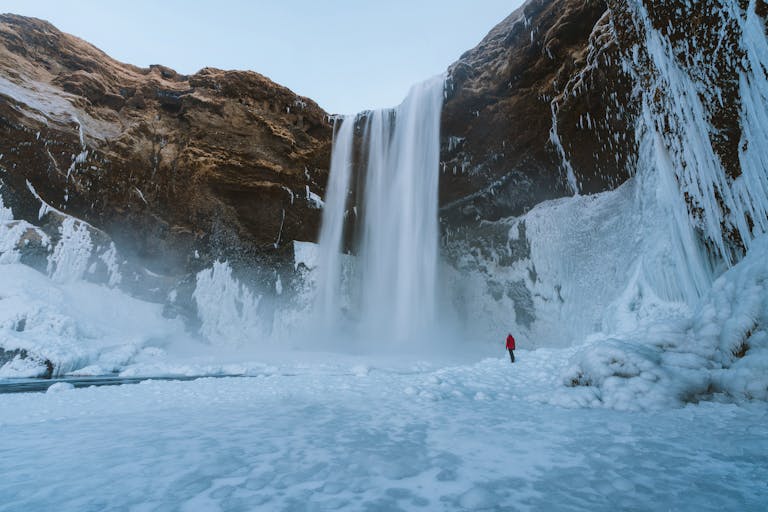
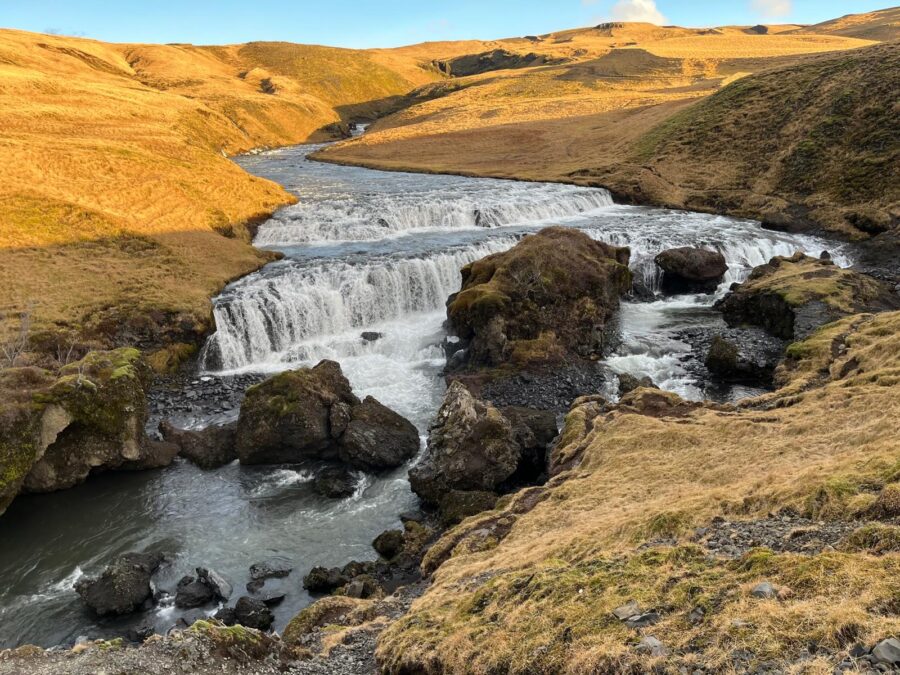
Apart from Gullfoss, which is on the Golden Circle, there are many more waterfalls in Iceland, one more stunning than the other. On our way to Vattnajökull glacier, we stopped at three of them. Seljalandsfoss and Gljúfrabúi are at walking distance from one another, Skógafoss is a bit farther to the east.
Seljalandsfoss can be seen easily from the parking lot (I’m sensing a theme here) and it’s a very easy walk on gravel paths to see it up close. Sometimes you can walk behind the waterfall. As soon as there’s any risk they close the path so we didn’t get to try it. If you do get the chance and you want to do this, make sure you’re wearing waterproof clothes, preferably rain trousers and a rain poncho. You will get soaked. You know, spray.
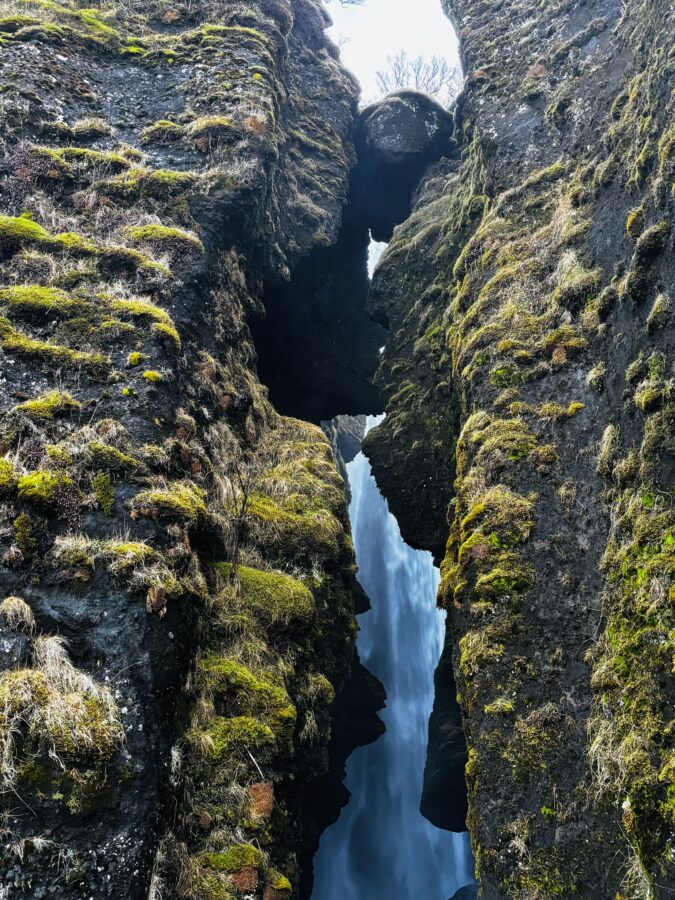
Gljúfrabúi is about a 600 meters’ walk away from Seljalandsfoss. It’s hidden inside a small canyon. You can see it from the path quite easily. If you want to see it up close, you can venture out into the canyon. This requires a lot of balance, as you will have to step from stone to stone and sometimes these will be big steps. Again, you will get soaked.
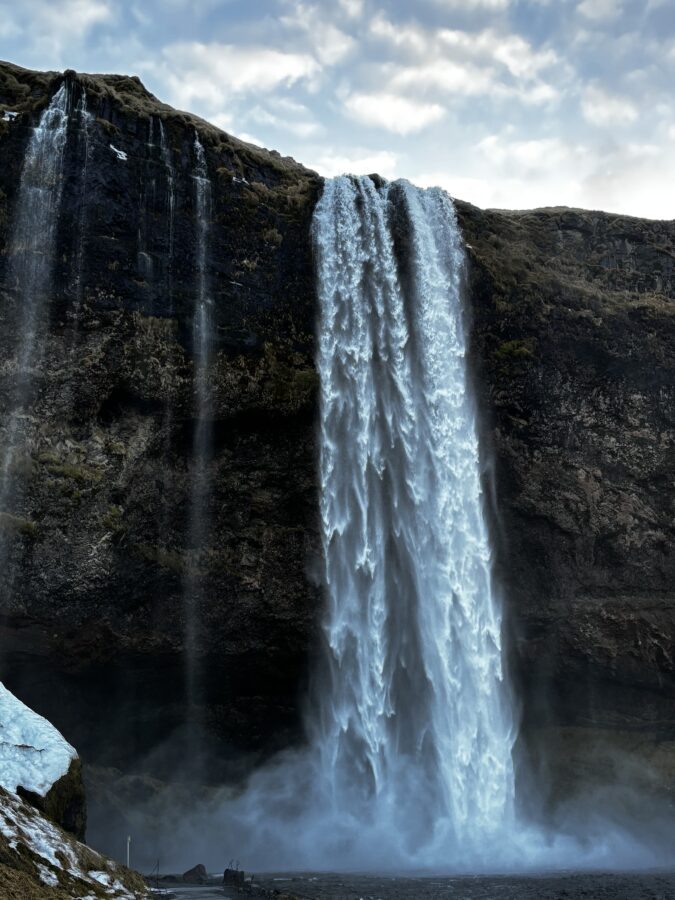
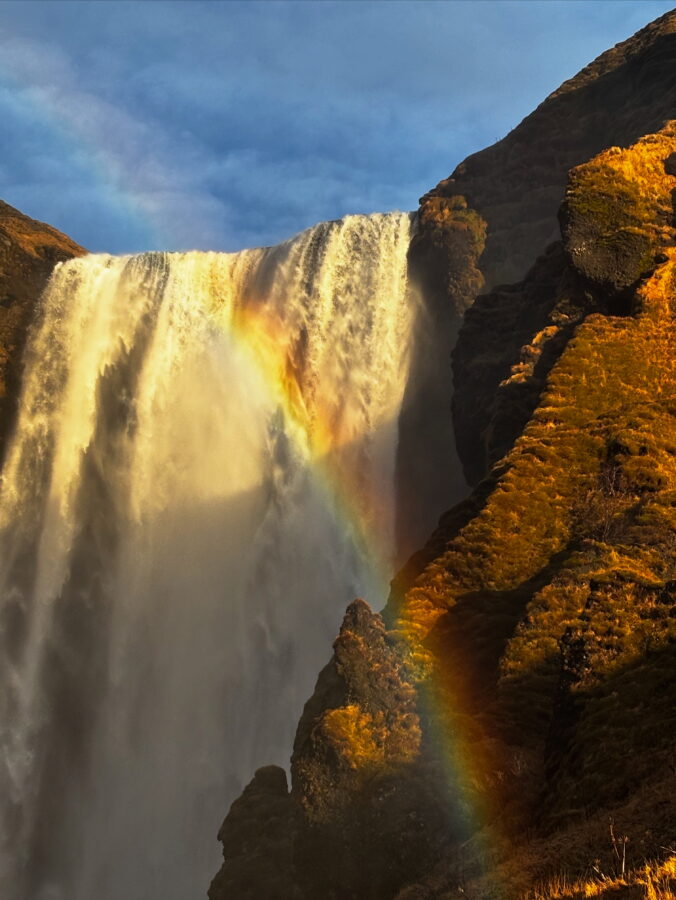
Skógafoss is picture-perfect, and once again can be seen at a short distance from the parking lot. If you do that, you see it from below. You can get quite close to it if you don’t mind some scrambling over rocks. Be careful though, as the spray is immense and everything is slippery.
If you want to see a different side of the waterfall, you can climb the 520 or so steps to the upper viewpoint. This gives you great sweeping views. It also gives you sore calves and frozen cheeks. Jury’s still out on whether it was worth the climb. It was very pretty, but so was the view from below!
The one beach where everyone goes is Reynisfjara. It’s a black sand beach with basalt formations on the beach and out into sea. What the beach is most famous for are the dangerous sneaker waves. These are waves that are much stronger than all the other ones. They turn up a few times every hour and because they’re so strong, they will get much higher onto the beach, much faster than expected. You cannot outrun them. People are dragged into the sea and drown here every year.
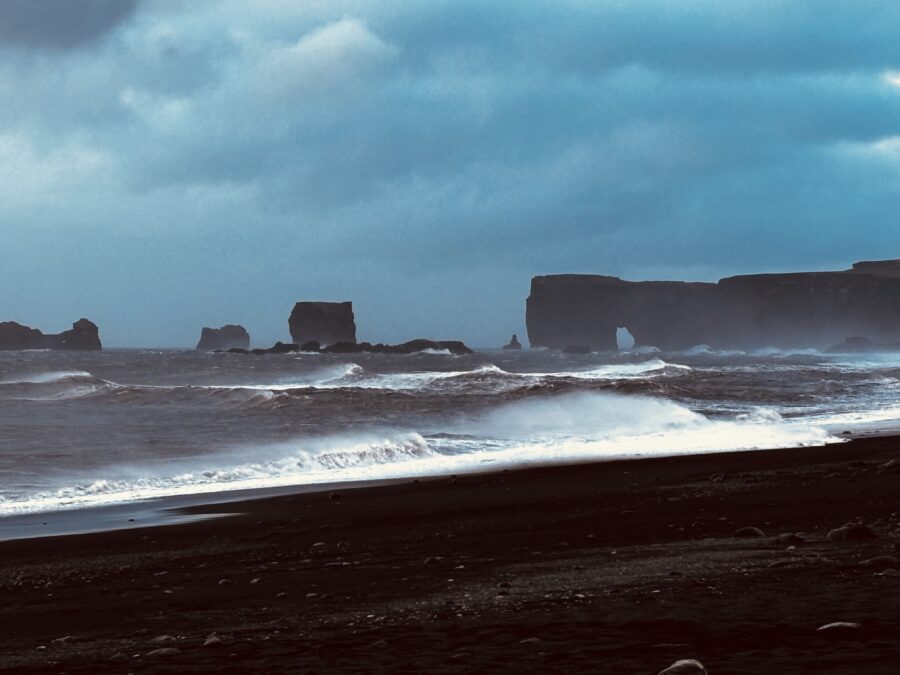
There’s a whole warning system in place: green light means you can go on the beach but stay vigilant and don’t turn your back on the sea for a second. Yellow means you have to stay within a certain area of the beach. Red means you’re not allowed on the beach at all. It was red when we were there and the number of people ignoring the warnings and getting close to the sea anyway was staggering. One person said: “I may never come back here!” I thought, but didn’t say: “You may never leave here.” The wind here is, once again, brutal. I have to report one casualty here: my hat. It blew off my head and before I could even react it was halfway across the beach. Two seconds later it was in the sea and I wasn’t going to risk my life getting it back. Reynisfjara was difficult mainly because of the wind and the cold. Neither the beach nor the path leading to it are very difficult.
Glaciers and lagoons
Moderate to difficult, depending on the type of activity you choose.
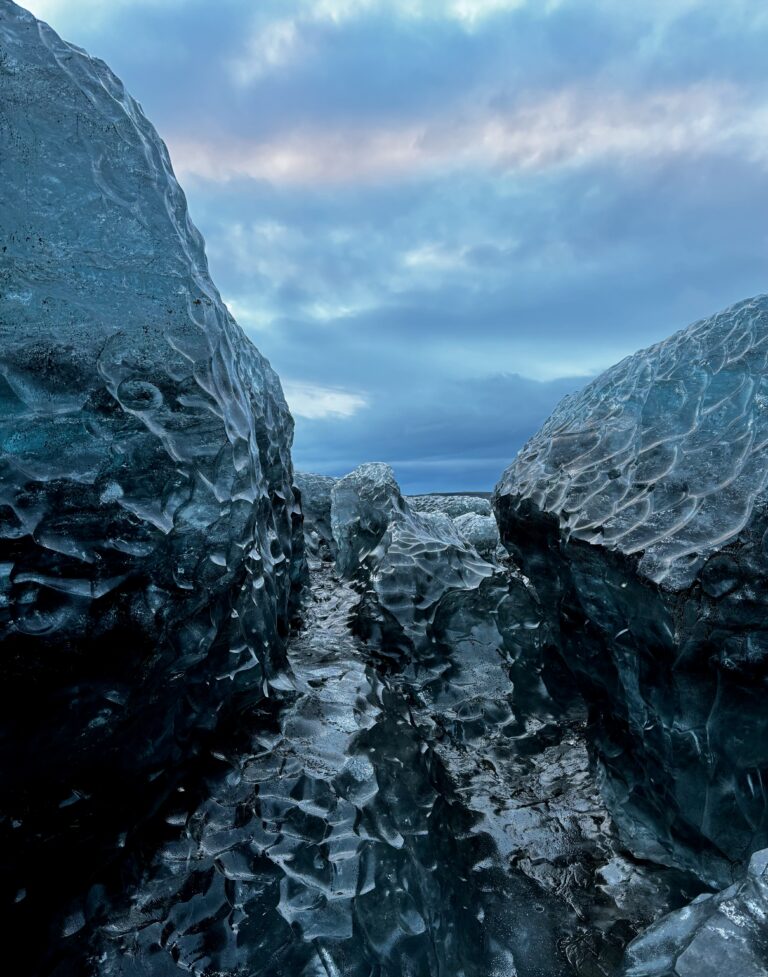
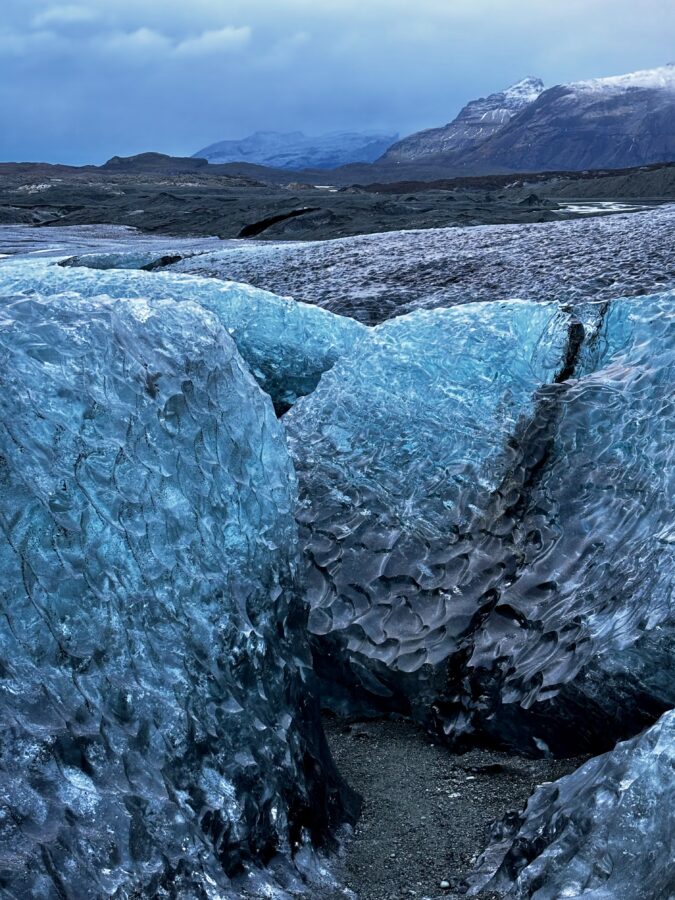
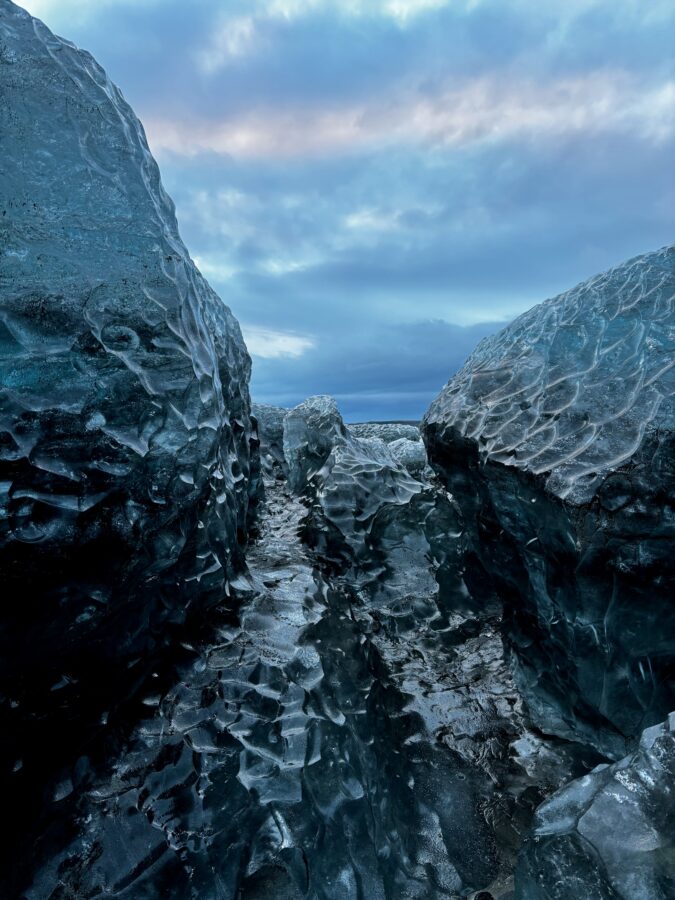
Glaciers look like frozen playgrounds for giants, until you realize you are not a giant and ice is very unforgiving. Walking on them with crampons is a workout for muscles you didn’t know existed. But once you get the hang of it, it’s not all that hard. If you go on one of the guided tours, they will give you instructions on how to walk on the ice. You will be provided with crampons that really give you grip, even on inclines.
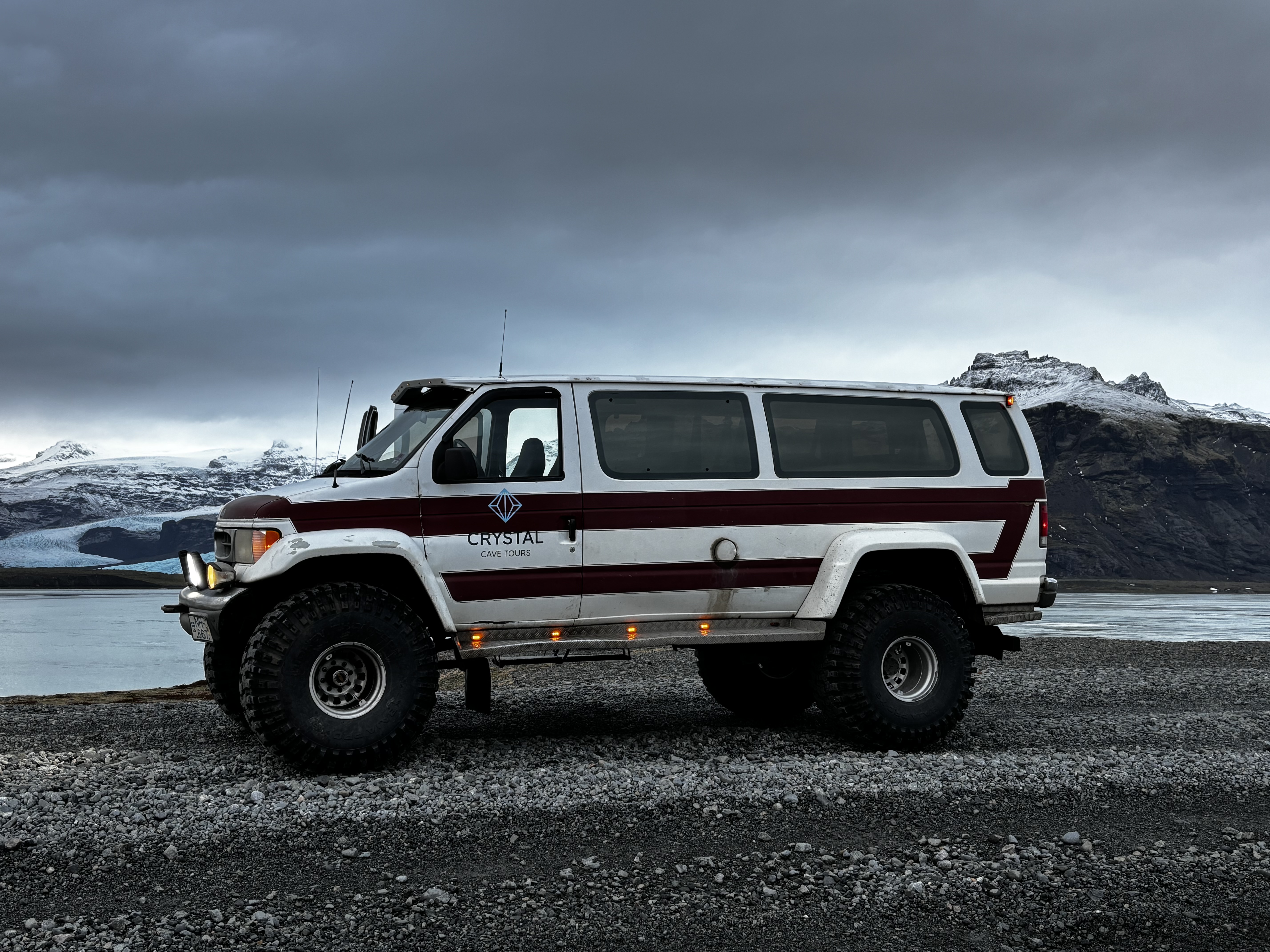
I was a bit wary of this activity but I had no trouble walking on the ice and I loved every second of it. When you do an ice cave tour expect some one and a half hours on the ice. Real glacier tours can take longer and take you further unto the glacier. Do wear your helmet (also provided). I realised it was good I was wearing it on more than one occasion of bumping my head.
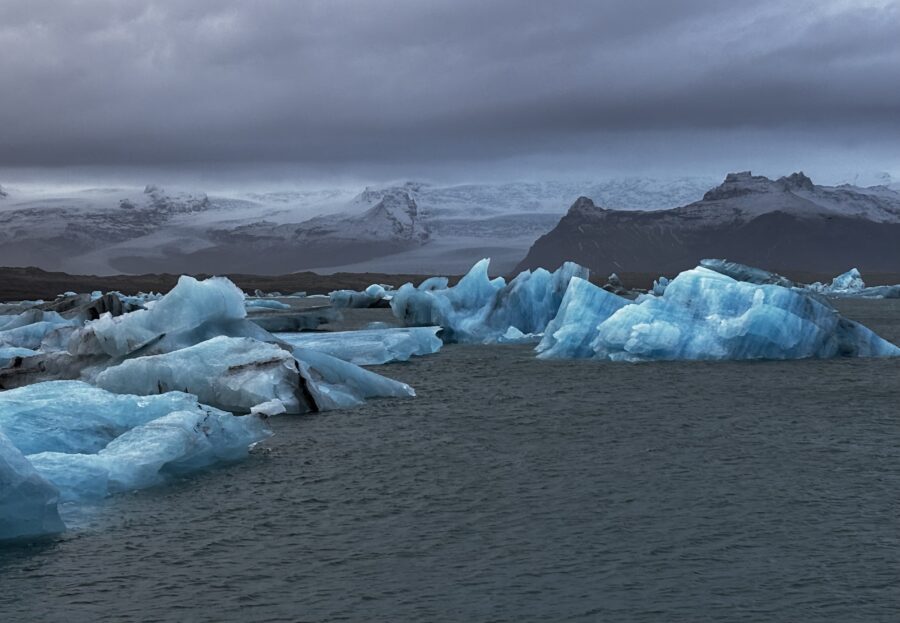
Jökulsárlón Lagoon is mostly about awe and cold fingers, but getting to the right viewpoints can involve tricky footing, icy paths, and a lot of frantic holding onto the handrail. Because of the wind, of course. Honestly, even “easy” access points feel like winter Olympics trials when the wind is involved. So here there’s not a lot of strength needed, but I did think the cold and the relentless wind were quite tiring.
For what we actually wore to survive the wind, ice, and stairs, see my Iceland packing guide.
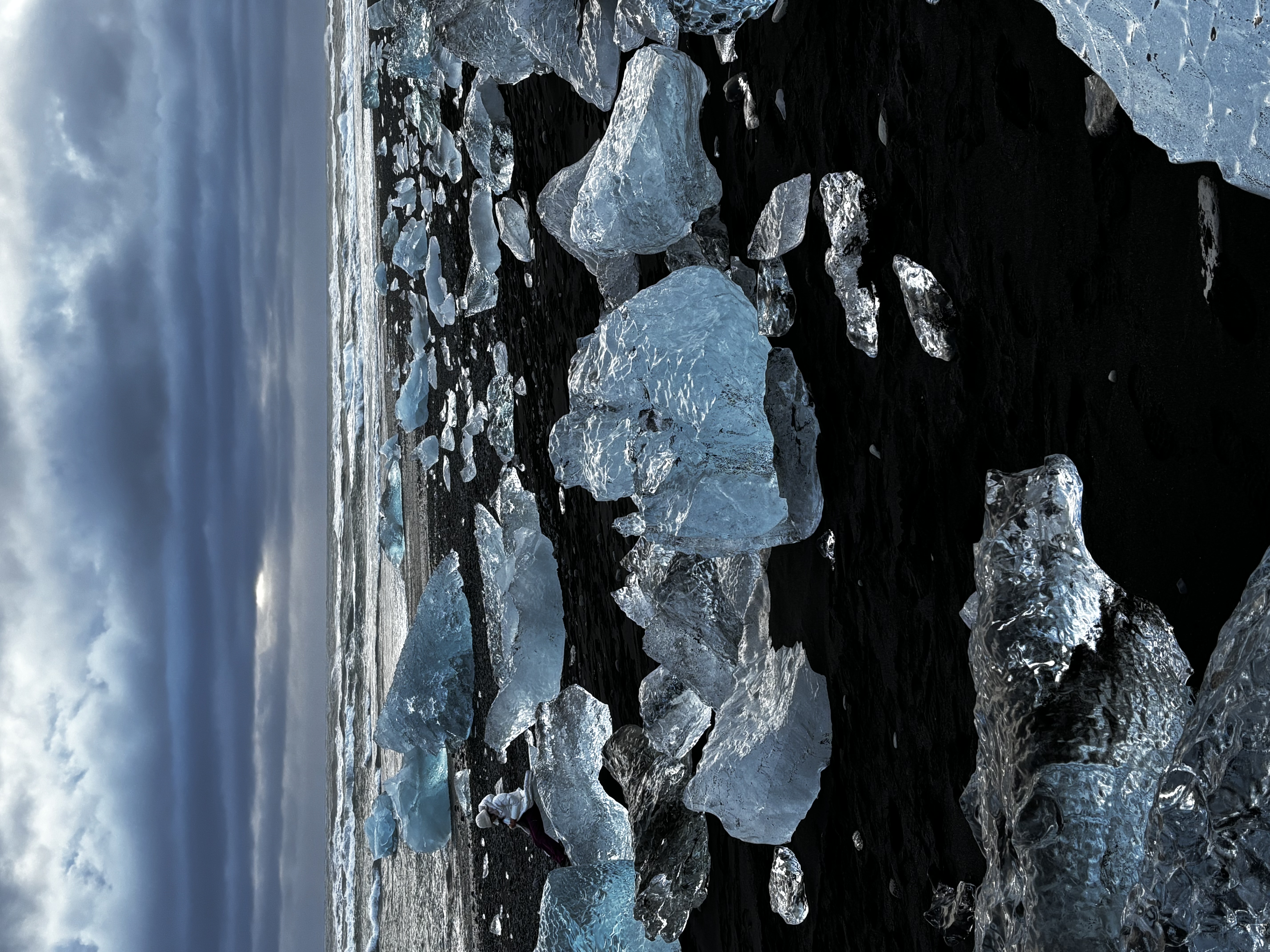
Diamond Beach is close to Jökulsárlón Lagoon and is, once again, cold and windy. Navigating the sand and the rocks isn’t all that hard; just be careful where you put your feet. It’s cold enough for the sand to be quite steady under your feet. It’s near the sea (not surprising, as it’s a beach) and the currents there are incredibly strong. Don’t let the smug-looking seals floating by fool you: you do not want to end up in that water.
Reykjavík
easy – until you decide to see everything on foot.
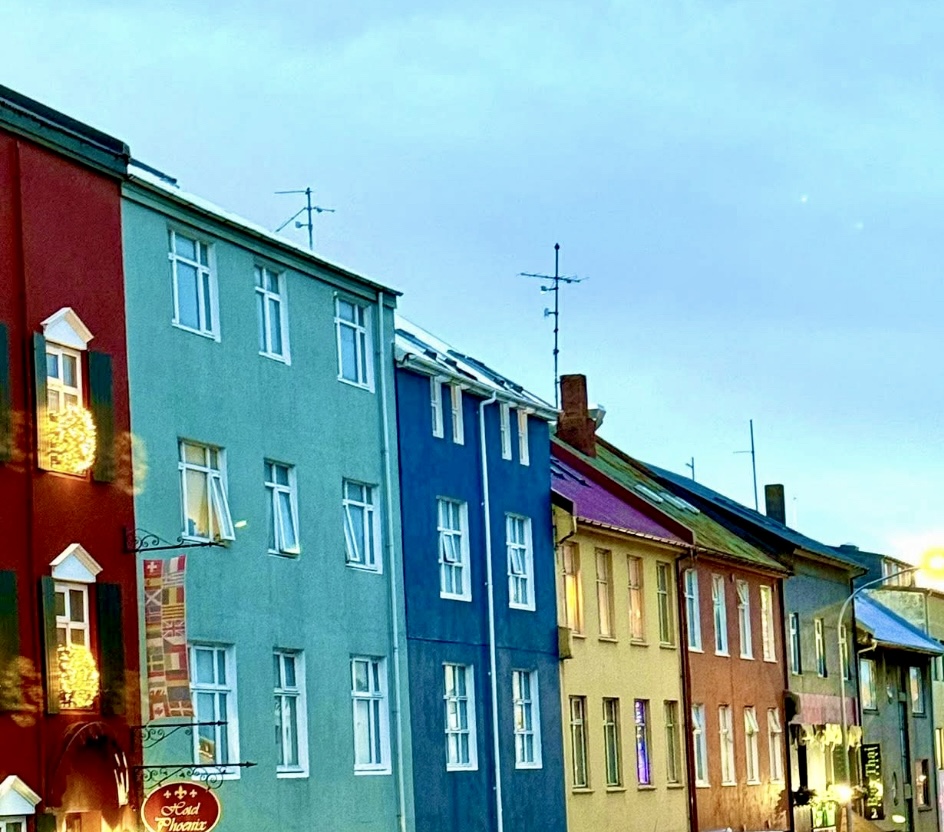
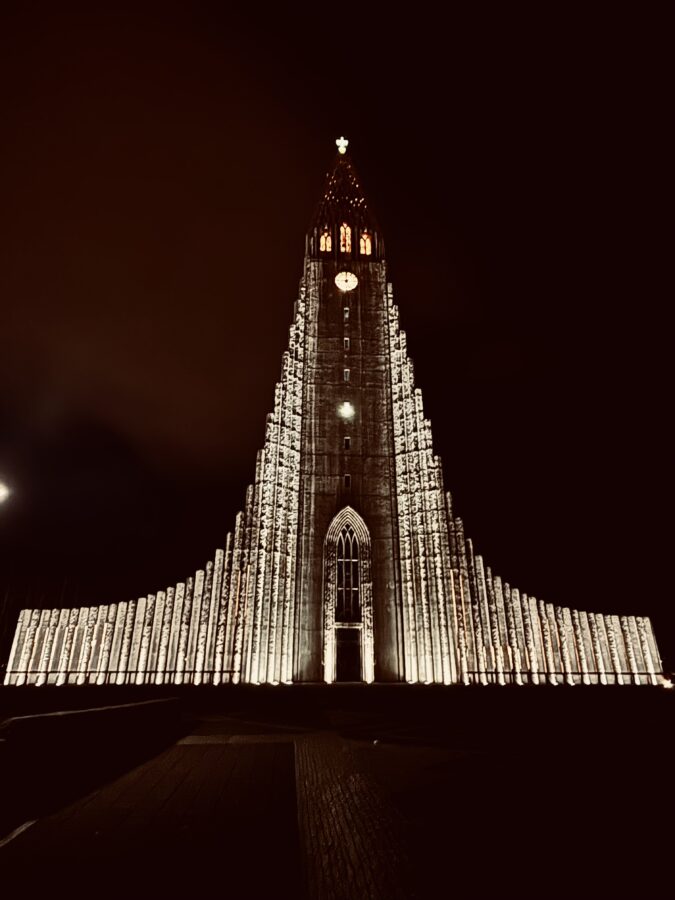
Reykjavík itself is mostly a gentle stroll. Think flat streets, cafés, and street art that makes you pause for photos (and maybe coffee). But then you decide to see Perlan or Hallgrímskirkja, and suddenly “walking around the city” involves hills that feel perfectly innocent until your calf muscles start telling you it’s time for a break. Add icy sidewalks, the omnipresent wind, and the occasional tourist obstacle course, and even this easy-going city becomes a test of balance and patience.
Closing thoughts
Iceland in winter gives you at least one spectacular view right from the parking lot so you can feel like a champ. This means almost everyone can travel independently or go on a guided tour and enjoy some amazing scenery. But if you want to see it all, you will have to brave stairs, inclines, muddy paths, sliding gravel and wind. And let’s not forget putting on your coat, hat, gloves and microspikes at least ten times a day. In our experience every stop tested something: patience, balance, or our ability to smile while freezing. In return, Iceland handed us memories worth whatever minor inconvenience we experienced. Just look at the photos. I took them all myself.
In short: in winter, Iceland delivers breathtaking views with mostly manageable physical demands for travellers 55+ – most sights are a short walk from parking, but uneven paths, short stairs, and wind mean good footwear, balance, and patience matter more than gym‑level fitness.
Quick answers to common questions
Yes. Almost everywhere we went there was at least one viewpoint at a short walk from the parking lot. The only exception was the glacier, but even there you can stay with the jeep and admire the views without going onto the ice.
Not for easy sights. Moderate ones require balance, patience, and attention to footing. Difficult ones test strength, endurance, and willingness to be outside in the cold for a longer period of time.
Yes, but they are always an addition and you can still see lovely things without climbing all those stairs.
It doesn’t have a polar climate due to the warm currents around it, so don’t expect minus 30 temperatures. However, wind chill is real and minus five in gale force winds feels very cold indeed. Layer up and make sure your outer layers are water- and windproof.
Only if you ignore the terrain, the law, the guide or the weather. Stick to paths, watch footing on ice, and adjust plans for conditions. Stay off the beach when you are told to do so, stay off the the ice when instructed, and hold on to railings if you feel insecure.