Planning a winter trip to Iceland for 55+ travellers
Planning a winter trip to Iceland sounds straightforward enough at first. Until you start looking at the details. Driving on icy roads. Limited daylight. Distances that look manageable on a map but feel different when you factor in weather, stops, and the possibility of ending up sliding sideways on ice roads. Travelling at 55+, we love an adventure. Just not the sort that involves white-knuckle moments on icy roads, slipping less than elegantly in the car park, or wondering whether this is how the saga ends.
We went into this thinking we just needed to decide between a rental car and a guided tour.
It turned out to be a slightly bigger question than that. Because what we were really trying to work out was this:
what kind of trip would actually work in Iceland in winter – and for us, at 55+?
The decision about a tour came out of that, rather than the other way around. In this post, we’ll share how we planned the best Iceland winter trip for us, the lessons we learned, and tips you can steal to make your own adventure smoother. This wasn’t just about choosing a tour – it was about figuring out what kind of trip would actually work in Iceland in winter
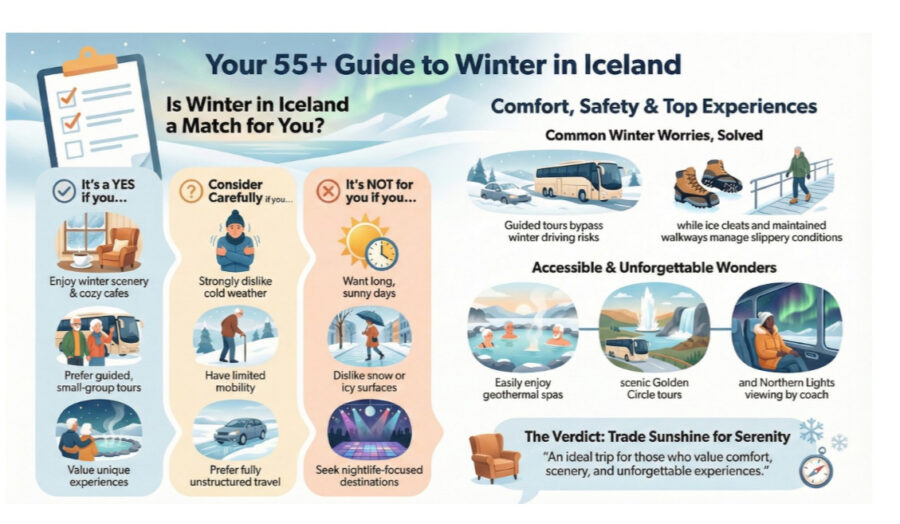
Before we go on: if you’re wondering Iceland is a good destination for you, check out this infographic!
Self-drive vs guided tours in Iceland winter.
This is the question that you should answer before everything else. Do you want the maximum flexibility of driving everywhere yourself—at the risk of overestimating your driving skills and needing rescue by taciturn men in high-vis coveralls? Or would you rather trade all the decision-making for the safety of a tour, even if it means being whisked to the next stop just as you’re starting to grow attached to the one you’re at?
Before we go into detail, quickly check your options in this table.
| Option | Best for | Cost | Flexibility | Our Experience |
|---|---|---|---|---|
| 🚗 Self-drive | Adventurous couples who love freedom | € | High | Fun, but winter roads are tricky—ice + snow are real! |
| 🧭 Guided Tour | Couples who want safety and simplicity | €€ | Medium | Relaxing, guides handle the tricky stuff, we could just enjoy the scenery |
Swipe → to see all columns
The freedom (and risks) of self-driving
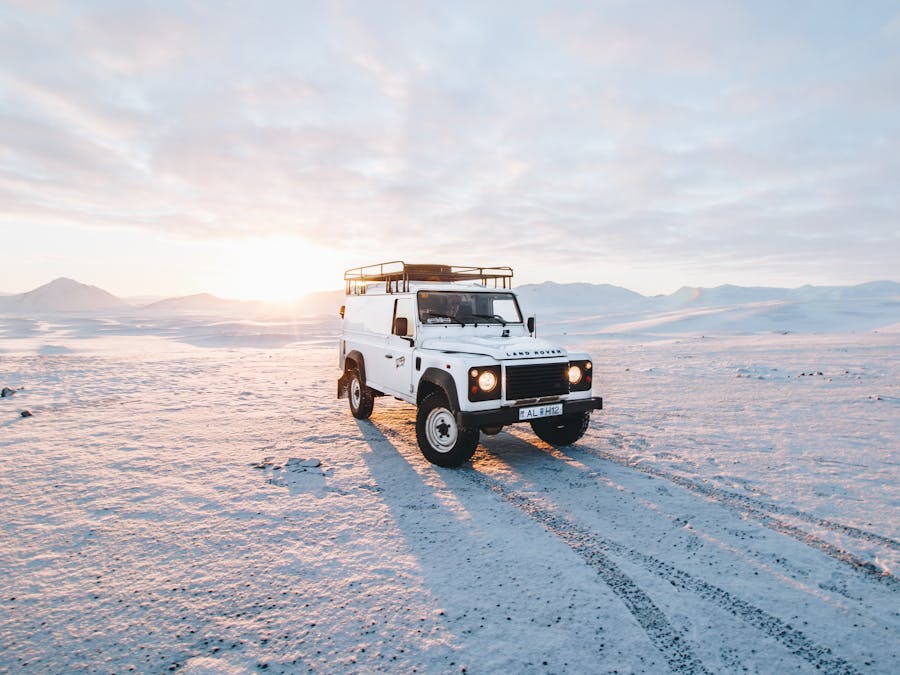
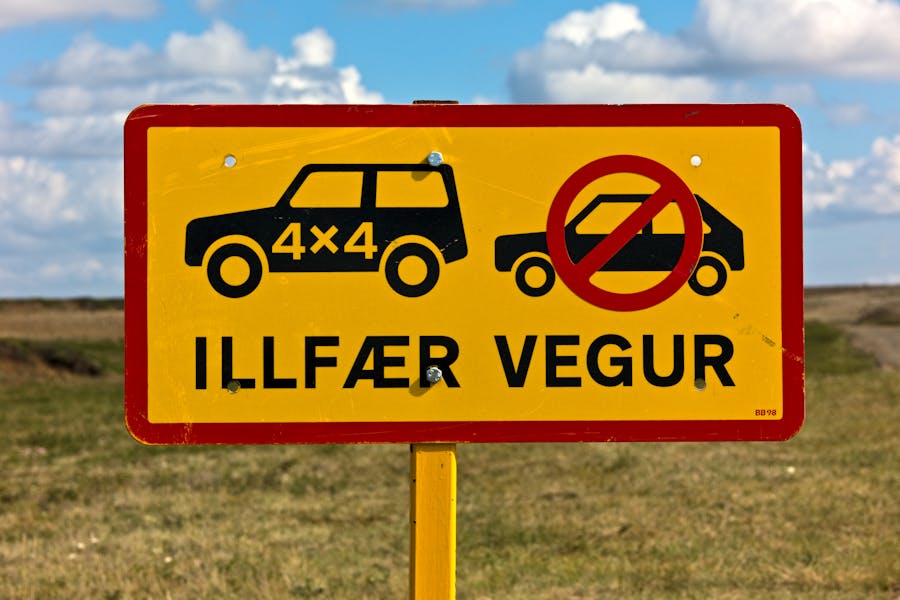
Driving yourself offers independence. You can avoid crowds by timing stops, change plans when the weather shifts, and potentially save money. However, winter roads in Iceland can be icy, narrow, and occasionally closed. Even experienced drivers may find the wind and snow challenging. A 4WD vehicle is essential, and you must be prepared to abandon plans (more than once) without sulking. Checking road conditions each morning becomes as routine as checking the weather forecast—except far more serious.
For us, the idea of self-driving in winter felt daunting. I lacked confidence, and even Marc decided to give it a miss. That said, for those comfortable with winter driving, it can be incredibly rewarding.
Guided tours: let someone else worry
For many winter visitors, tours are the sensible choice—and that includes us. Guides take care of the driving, weather assessments, and itinerary adjustments. You can enjoy glacier walks, ice caves, and Northern Lights excursions safely, often reaching places that would be difficult or unsafe to attempt on your own.
The main trade-off is timing: you may only have a few minutes at each stop before being herded back on the bus, and you’re sharing the experience with other travelers. Still, you can mix multi-day tours with nights in Reykjavík, balancing adventure with downtime. For our trip, this was the approach we chose, and it felt just right.
You can find helpful advice on how to choose the best tour for you here.
Getting to Reykjavík from Keflavík Airport.
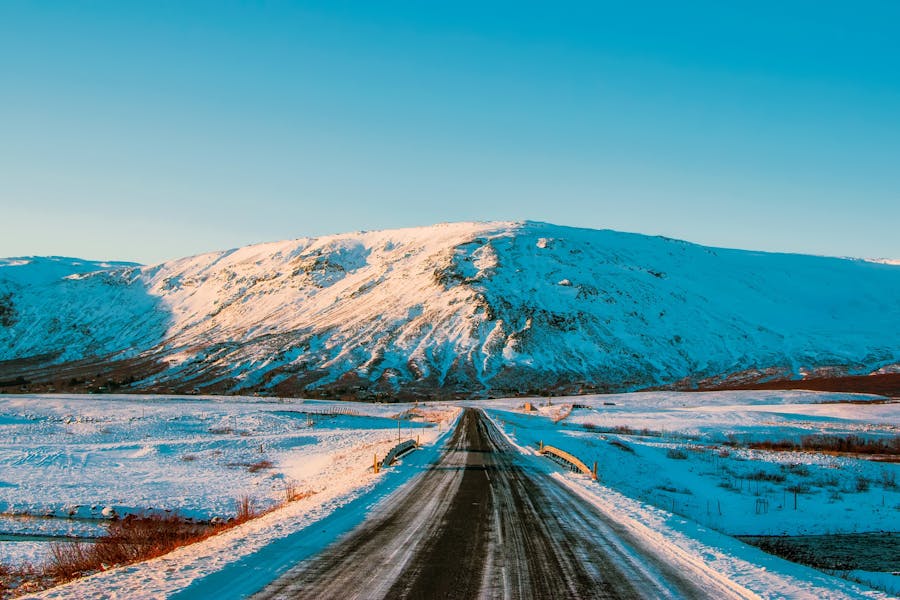
Keflavík is about 45 minutes from Reykjavík, which sounds easy — until the wind and snow remind you otherwise. Options are simple: airport shuttle (cheaper but not door-to-door), private transfer (costlier, more convenient), or self-drive if you fancy your first taste of Icelandic roads. Pick your method based on how much you want to spend, luggage, energy levels, and how urgently you need a hot drink.
Daylight in winter: manage expectations!
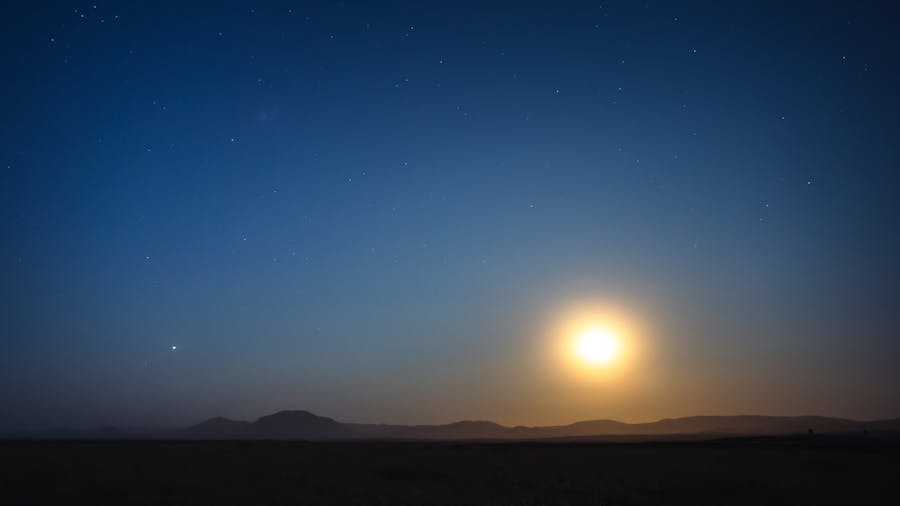
Winter daylight in Iceland is brief and precious. In the south, usable light may last just four to six hours, roughly from late morning to mid-afternoon. Up north, like in Ísafjörður or Husavík, the sun barely rises above the horizon around the solstice. Distances take longer than expected, and arriving at a waterfall in the dark is a real possibility.
Tours are designed to optimize stops and driving schedules. If self-driving, study their itineraries for inspiration. The upside of winter light? Dramatic landscapes, long nights ideal for chasing the Northern Lights, and countless thermal baths to relax after a day of sightseeing.
Accommodation: fewer moves, more comfort
With only four days, constantly changing hotels becomes exhausting. Staying in Reykjavík with day trips is sensible for self-drivers, though longer drives to the south coast may justify an overnight stay there. Limiting yourself to one or two bases saves energy and makes the trip more enjoyable.
Multi-day tours often include overnight stays away from city lights. This reduces travel fatigue and boosts your chances of seeing the Northern Lights without chasing them across the country. Warm rooms, hearty breakfasts, and quiet countryside settings feel luxurious after a long, cold day.
Packing for an Iceland winter trip
Layers and good shoes are non-negotiable: warm base layers, insulating mid-layers, waterproof outer layers, sturdy boots with grip, hat, scarf, and gloves. Touchscreen gloves can help with photography, and swimwear is a must for hot springs. Microspikes are excellent for icy paths—especially if staying upright is a priority. It was for me, so much I even wrote a post about staying upright in Iceland.
For a more detailed packing guide and checklist, check out our full post on winter essentials for Iceland.
Find the packing advice and checklist here.
How much money to bring (and how not to waste it)
Iceland is expensive, but cash is rarely necessary; cards are accepted almost everywhere. Meals out can cost €40–80+ per person, while groceries are more reasonable. Duty-free wine or beer can save money, and self-catering accommodations help control costs. Tours are an investment, but nature’s main attractions are free. For Reykjavík, the Reykjavik City Card offers museum access, thermal pools, and public transport—saving both time and money.
The key is not to chase bargains at the expense of comfort. Warm, relaxed memories are far better than a day spent cold and grumpy trying to survive on half a cracker.
I’ve written a more detailed post around costs if you’d like to know more.
Set realistic expectations
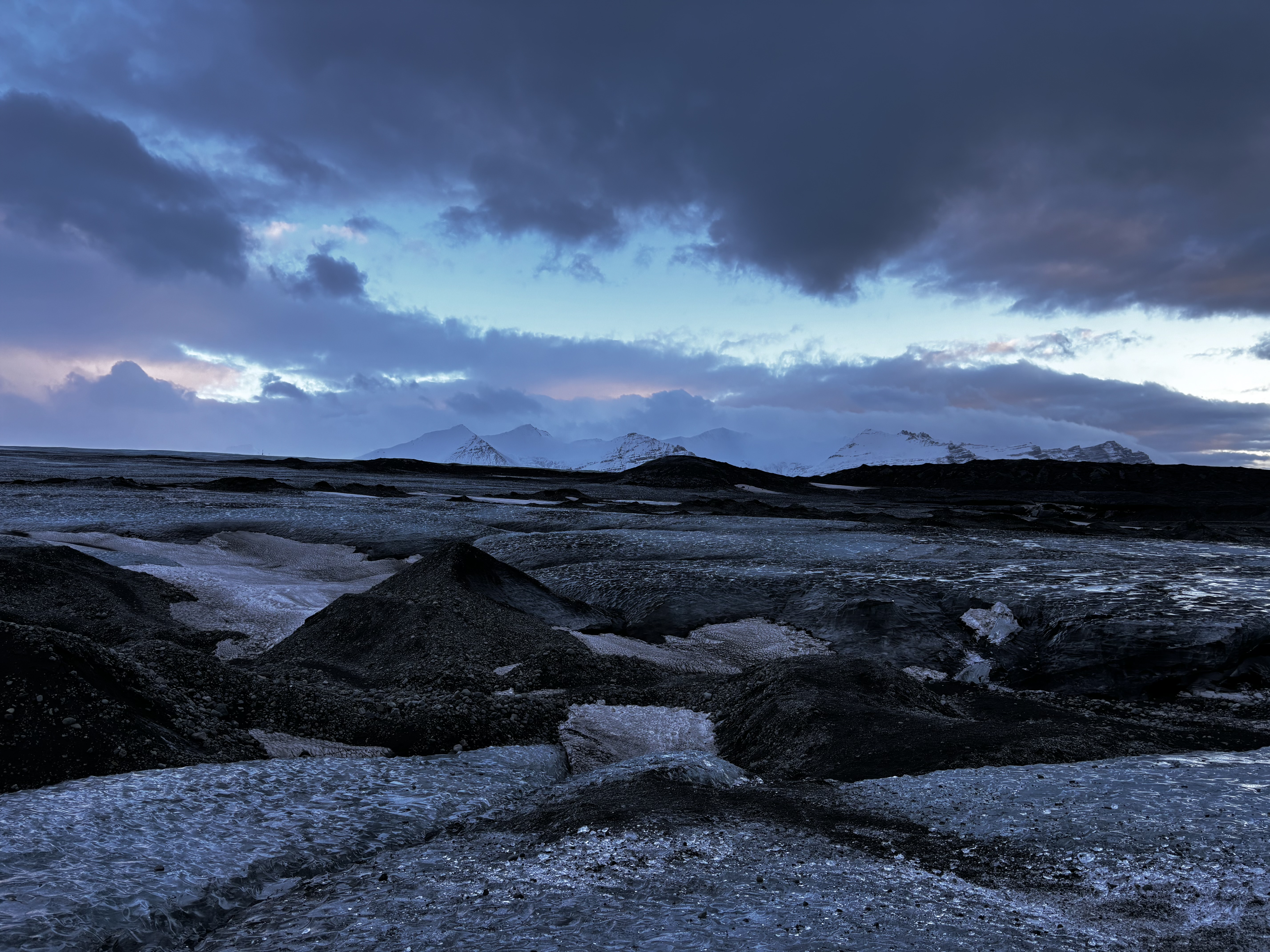
Iceland is raw, dramatic, and winter weather can disrupt plans. Sunshine today may turn into wind and snow tomorrow. The trick is to embrace the unexpected: slow your pace, let the landscape sink in, and enjoy the misadventures—they make the best stories.
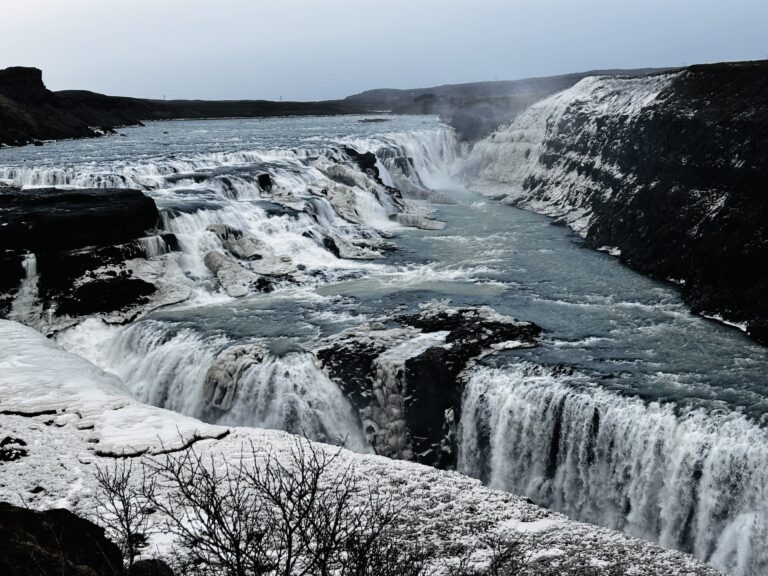
Four days won’t let you see everything—and that’s okay. What you will come away with are memories of spectacular waterfalls, crackling glaciers, roaring waves, hot springs under icy skies, and maybe, just maybe, dancing lights overhead.
Want to read more about Iceland in winter? Check the Iceland page for more posts.