Wellness and recovery in Iceland at 55+
Iceland is exhilarating, unforgiving, and completely unconcerned with how prepared you think you are. At 55+, you can still see all the sights and do all (well, most of) the hikes. But it does require a bit more planning, a little realism, and a willingness to admit that your brain may still be eighteen, but the rest of you is not.
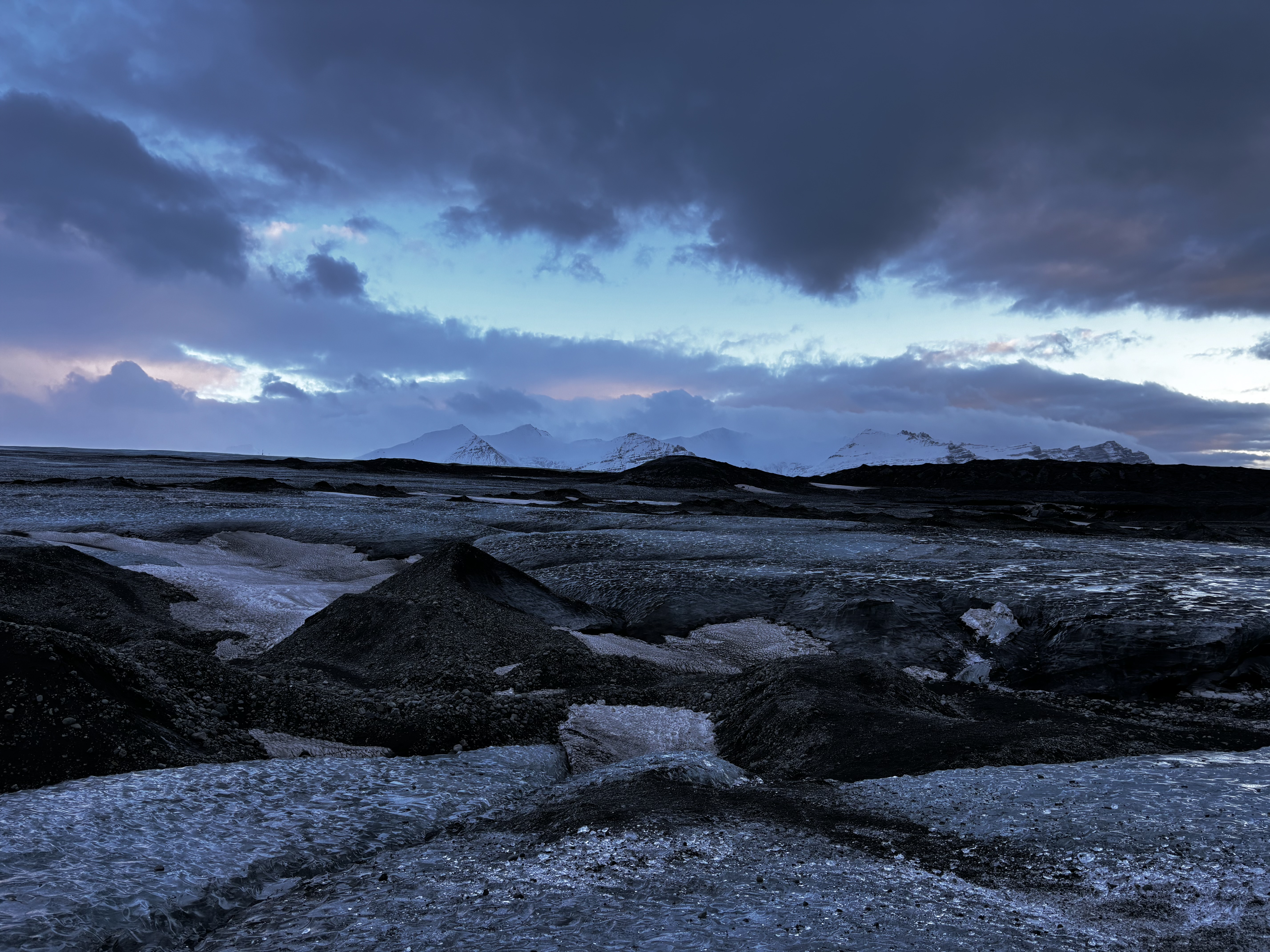
If you’ve been following my posts, you know I’ve wrestled with mud, ice, wind, and the occasional “why did I think this was a good idea?” moment. I’ve shuffled across glaciers. I’ve teetered near crater edges. Experience has taught me that microspikes and the penguin walk are not optional: they’re the difference between a scenic selfie and an embarrassing YouTube fail video.
Surviving the trip is only part of the story. The other part? Making sure your joints, muscles, and energy levels actually recover, so you can enjoy the next hike – or just make it to the café without limping.
In this post, I’ll share the preparation, strategies, routines, and useful items that have helped me stay moving, recover well, and enjoy the trip – without pretending I’m still indestructible.
What helped us most
Before we went, I thought mostly about what we would see and do. What made the biggest difference in practice was something else entirely: pacing ourselves properly, staying warm and dry, and treating recovery as part of the trip rather than an afterthought.
- Not trying to cram too much into each day
- Building in a slower rhythm after bigger outings
- Eating and drinking properly instead of pushing through
- Accepting that cold and wind can be more tiring than expected
- Choosing one really good spa experience and treating it as part of the plan
None of this was about doing less. It was about making the trip feel better and enjoying more of it.
While planning the trip: don’t be too ambitious
We only had five days in Iceland when we went. If at all possible, I’d have crammed everything into those five days. Think whale watching, a Northern Lights tour, the Golden Circle, all of the South Coast, the Snæfellsnes Peninsula and at least three different thermal spas. Unfortunately, a day only has twenty-four hours. Some of those hours need to be spent sleeping, eating or just sitting in a chair remembering all the glorious things we’d seen.
I quickly realised I had to skip the whale watching, the Snæfellsnes Peninsula and at least two of the spas. That is, if I didn’t want us to spend the entire five days running from one minibus to the next. I was in two minds about the Northern Lights tour on our last night until just hours before its planned departure. At the time we were still on a minibus four hours from Reykjavík. We decided against it. In hindsight, I’m glad we did. It would have meant even more hours on a minibus and standing outside in the cold after a long day of doing exactly that. Sitting in a comfy chair that evening in our hotel room, after a nice meal and a hot bath, I knew we’d made the right decision.
If you’re still choosing tours, I’ve written more about how to decide what’s worth your time.
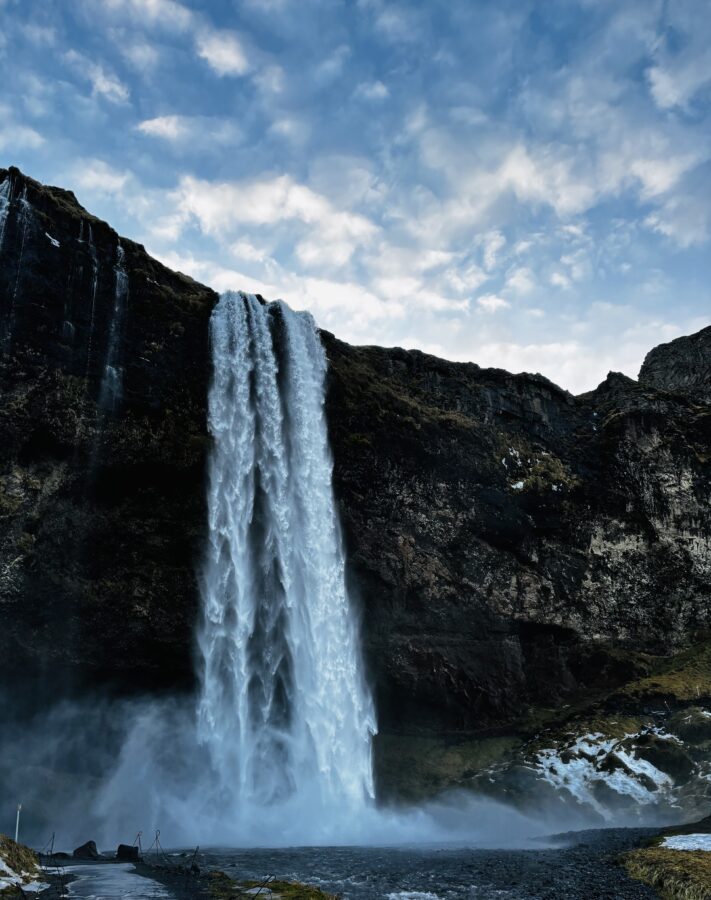
Iceland is relentless in its beauty, and it’s tempting to pack every waterfall, hike and viewpoint into one day. Resist that temptation. Build in slow mornings, thermal spa afternoons or even full “nothing” days. These aren’t wasted — they’re what allow you to savour the highlights instead of merely surviving them. If your itinerary is too rushed, you may have forgotten beautiful waterfall number one by the time you reach stunning waterfall number five. Sometimes skipping a viewpoint or taking the scenic route back to the bus is wiser than trying to see it all from every angle. When planning your trip, be careful not to cram so much into it that you don’t even enjoy the beauty of Iceland because you’re too busy stressing about whether you’ll make it to the next tour on time.
Before you go: preparing to feel human, not heroic
I booked our Iceland trip only four weeks before we went. That meant no time for serious weight loss or Andes-level training. It was time to accept that I have a bit more mileage on the clock and a few extra pounds. However, that didn’t have to stop me from enjoying a few outdoor adventures.
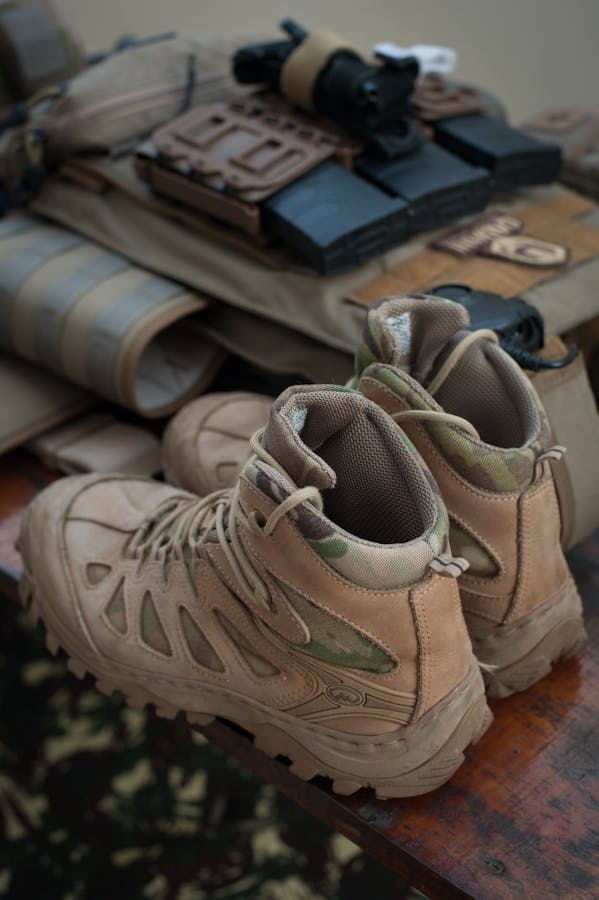
I hunted down my winter hiking boots (last seen after our Sweden trip), bought extra thermal layers, and tried on my ski pants with a mix of hope and trepidation. They still fit. I can’t stress enough how important it is to dress warmly. Being cold wastes energy I’d much rather spend enjoying the scenery than shivering. Snacks went into the pack — peanut bars, fruit bars, trail mix — along with a water bottle. Dehydration drains your energy, so staying hydrated is essential. Extra socks, gloves, and a hat joined the pile. I also packed plasters for blisters, because sore feet are even less fun than cold toes.
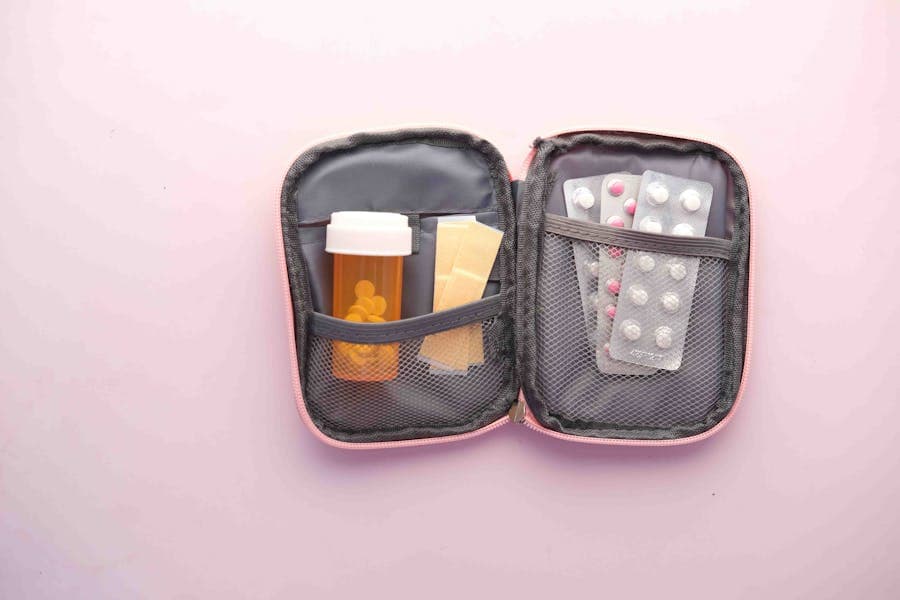
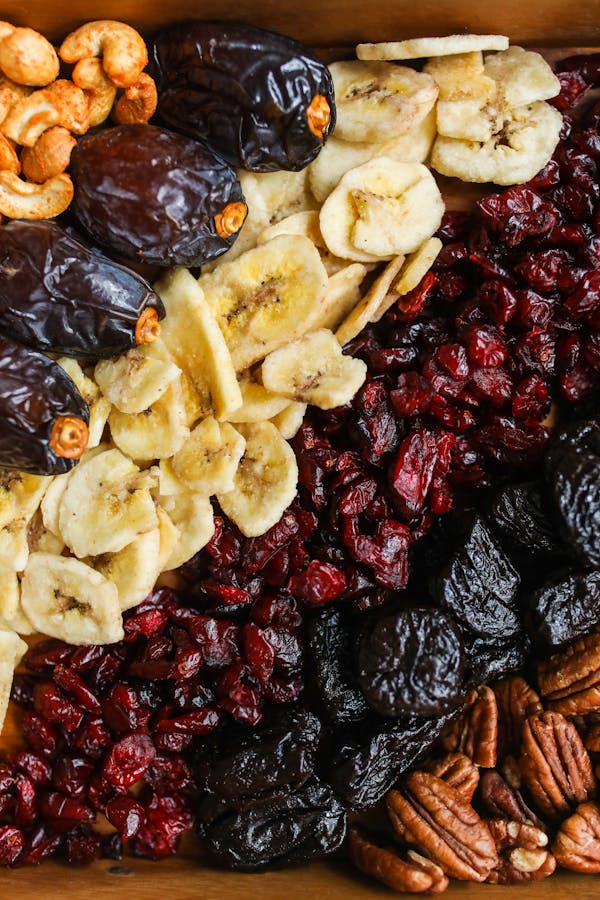
Even without proper training, I did a little preparation. My daily walks gradually increased to five kilometres in the nearby woods. I even threw in the occasional sand-dune sprint when nobody was looking. I added foot, calf, and ankle exercises, plus some stretching and rolling – hoping this would discourage my plantar fascia from flaring up halfway through the trip. Keeping my feet and ankles strong would help me handle uneven terrain without unnecessary pain.
Mentally, I reminded myself that pausing, slowing down, or skipping a stop isn’t failure. It’s pacing. If pacing means I can still make it to the hot tub without limping, that’s a win. I may not have the stamina I once had, but I’m learning that enjoying the journey matters far more than proving anything, least of all to myself.
Managing energy on the ground
Most problems in Iceland don’t start with ice or wind; they start with fatigue. Tired legs react more slowly. Tired brains make optimistic decisions about “just one more stop.” Suddenly the day feels longer than planned and you end up dreading the next busy day instead of looking forward to this. This didn’t happen to us, thankfully – but the days were long. Managing energy on the ground means paying attention to how you feel as the day unfolds, not just what’s left on the itinerary. Shorter walks, fewer mad dashes for viewpoints, and strategic pauses go a long way. I have to say that Marc did this better than I did. When I was still on beaches or near waterfalls trying to get the best photos, he sometimes went back to the bus to relax and listen to a podcast.
On guided tours, listening to your body matters even more. The pace is shared, but only you know how you feel. Let the guide know early if you’ll be moving a bit more cautiously. They’ve seen it all, and they’d much rather wait than fill out paperwork or call an ambulance. It’s perfectly fine to stay a step behind the group instead of rushing to keep up. It’s perfectly okay if you don’t climb all the stairs or see all the viewpoints. Conserve your energy so you can enjoy all the highlights, not just half of them.
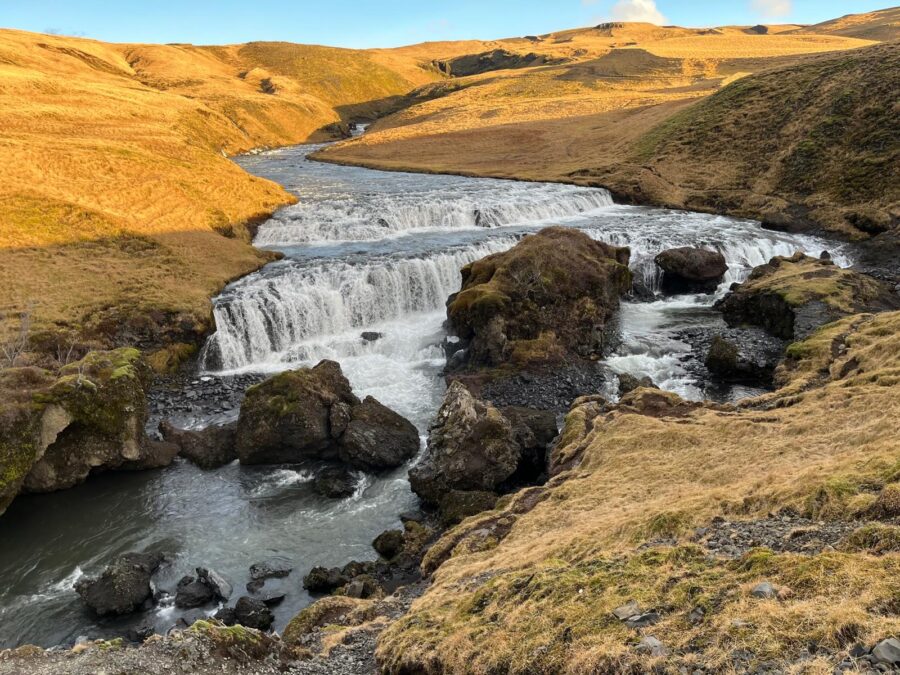
Letting other people help
Iceland is stunning, but at 55+ it can also be a little humbling. Slippery paths, hidden mud, and the odd rogue gust of wind are all reminders that sometimes it is wiser to hand things over to people who actually know what they are doing.
(I share more practical safety tips here.)
Guides, drivers, and spa staff are not just there for show. Let them help. If a guide says, “Do not walk behind the waterfall,” it is probably because they have seen too many people discover the limits of their waterproofs. If a driver offers to take you the 500 metres from Jökulsárlón to Diamond Beach, take the lift. Just because you can walk it does not mean you need to.
The same goes for the smaller things. Let someone else sort the spa booking or work out the parking if it makes the day easier. That is not laziness. It is strategy.
This is not about doing less. It is about saving your energy for the parts you will actually enjoy. A bit of common sense, a willingness to accept help, and listening to local advice can make the whole trip feel easier and better.
Recovery is part of the itinerary: Hvammsvík’s thermal pools
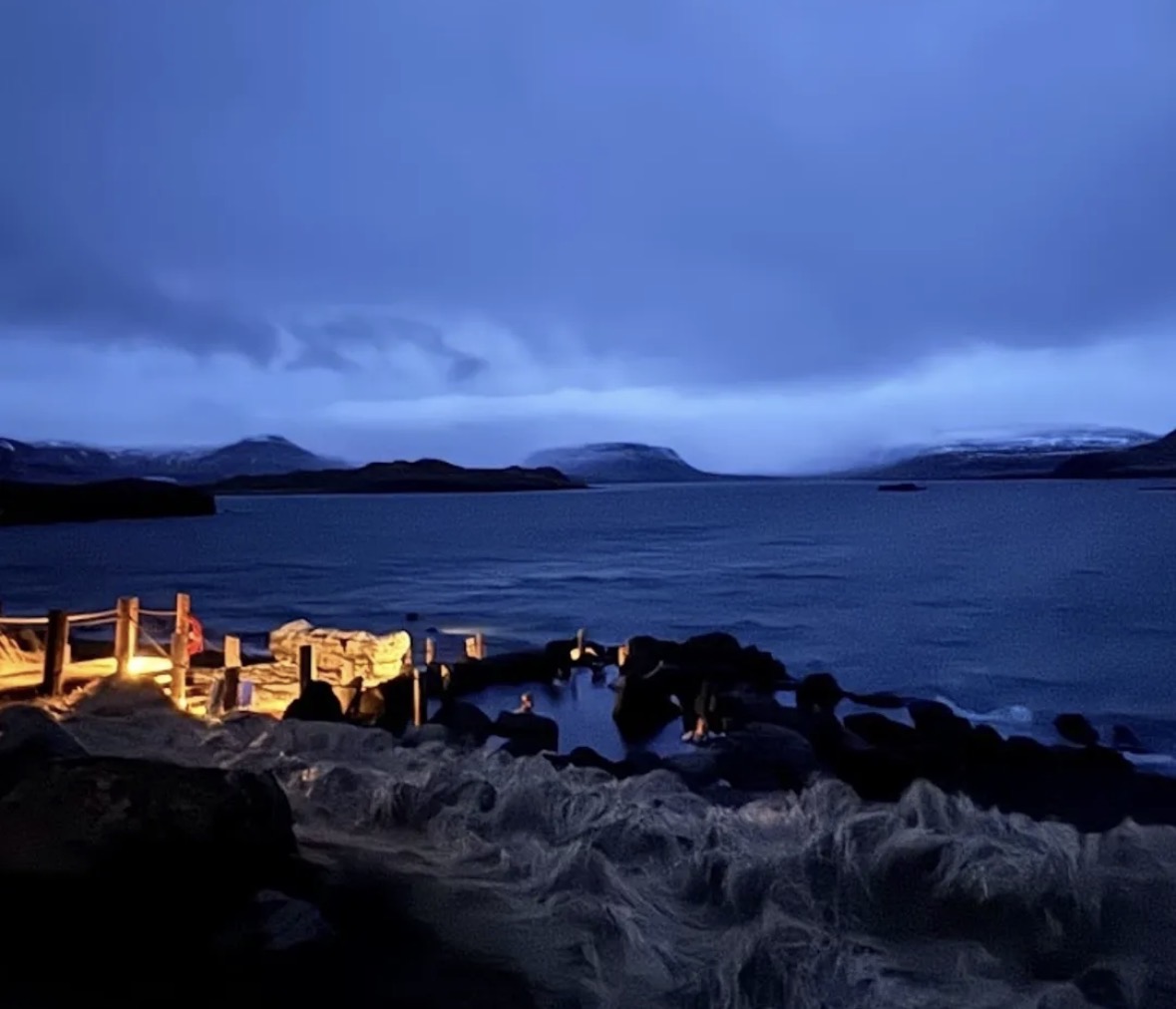
If staying upright is part of surviving Iceland, its many thermal spas are part of staying happy while doing it. We made the trip out to Hvammsvík hot springs on the first day of our tour. Slipping into warm water after a long day of walking (and standing around) in the cold felt well-deserved and very sensible.
The pools are warm enough that even my feet occasionally rebelled less loudly, and there are cooler edges for circulation (or dramatic flinching if the water surprises you). We spent most of our time alternating between soaking, gentle calf- and foot-stretching, and staring out over the bay and the mountains in utter bliss, hoping to see the Northern Lights (we didn’t as it was cloudy). Short dips of 10–20 minutes were enough to leave us feeling lighter and ready for the next day.
Some tips for using the spas:
I do have a few practical tips for fellow 55+ travellers:
Move between pools. The hot pools, slightly cooler ones, and shallow edges offer a gentle way to boost circulation and keep muscles happy. Think of it as a mini adventure without steps or sand dunes. You can even dip into the ocean but we gave that one a miss. You know, cold.
Don’t forget to enjoy the views. Sitting at the edge and looking out over the bay isn’t just scenic. It’s surprisingly restorative for both mind and muscles.
Don’t stay in the hot pools for too long. You may end up overheated and lightheaded. I think the risk of staying in the cold pools for too long is marginal.
Don’t just sit there: flex ankles, roll shoulders, or drift slowly between the pools. Water supports the body, so even small movements help tired muscles recover.
Like in all Icelandic pools you are supposed to shower and wash thoroughly without a bathing suit before entering the pools. There are individual showers if you feel uncomfortable showering in front of strangers.
Other spas
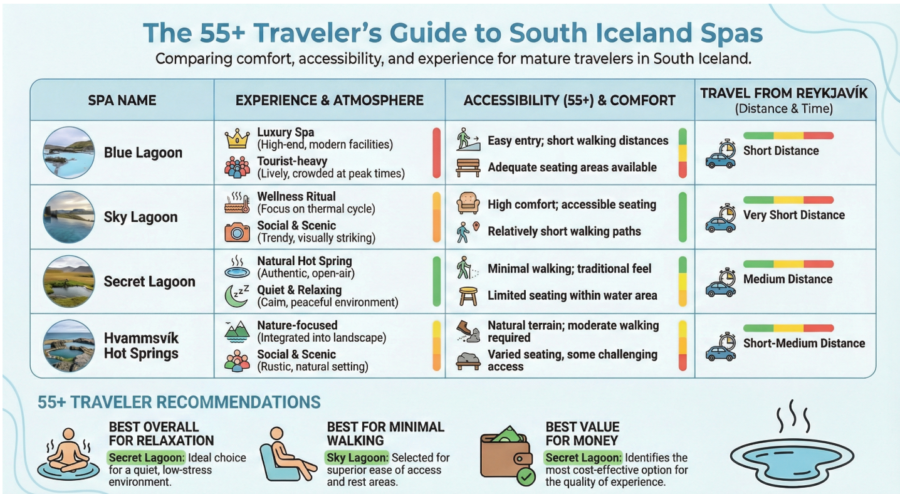
Other spas, like the Blue Lagoon or Sky Lagoon, are more famous – beautiful, crowded, and touristy. We didn’t have time for any of them and that was okay. Hvammsvík was perfect for our pace. Quiet enough to soak multiple times, and right where the scenery made it feel like a genuine Icelandic treat. My plantar fascia approved too, which is really all the endorsement I needed.
If you’re trying to decide which geothermal spa suits your pace and preferences, I’ve put together a simple comparison below. It outlines the atmosphere, setting, size, and overall feel of Hvammsvík alongside the Blue Lagoon, Sky Lagoon, and Secret Lagoon. Since we only visited Hvammsvík ourselves, the comparison is based on publicly available information. But it should give you a helpful starting point when choosing what fits your style of travel.
If a spa day is part of your plan
If you want to compare options or check current prices, these are the places I would start:
Hvammsvík
Blue Lagoon
Sky Lagoon
Secret Lagoon
These are affiliate links, which means I may earn a small commission if you book through them, at no extra cost to you.
Wrapping up
Iceland at 55+ doesn’t have to be terrifying. It does require a little planning, a lot of pacing, and the occasional reminder that your plantar fascia may be plotting against you. Sensible preparation, realistic trail days, trusting guides and locals, and strategically soaking in thermal pools, you can make sure you actually enjoy the scenery, rather than just survive it.
The secret, if there is one, is balance. A bit of ambition tempered with patience, a little common sense, and plenty of warm water. Walk, wobble, pause, soak, repeat. By the end of the trip, your muscles forgive you, your feet behave (mostly), and you leave with memories not bruises.
Suggested reading
If you’re still in planning mode, you might also find these helpful: