
Budgeting for Iceland at 55+: enjoying the adventure without breaking the bank.
Iceland is breathtaking. It’s also one of those countries where you take one step across the border and your bank account is magically empty. (Yes, this is a joke. Iceland is expensive though.) Flights, tours, meals, and accommodation can quickly add up. They add up especially if, like we do, you want to enjoy comfort, pacing, and a few wellness stops along the way. After four (and a half) days exploring Iceland, I’ve learned that a little planning goes a long way. You don’t have to skimp on experiences; you just have to be smart about how you spend.
Here’s how we approached it and what worked for 55+ traveller like us. If you’d like some help keeping track of your spendings, read our travel budget post.
Budgeting for Iceland
Open for a quick guide to tours, meals, money-saving tips and what we actually spent
Budgeting for Iceland
Open for a quick guide to tours, meals, money-saving tips and what we actually spent
This guide walks through the biggest Iceland budget decisions, from where to spend a little more for comfort to where you can save without spoiling the trip.
What’s ahead:
Flights & accommodation: comfort matters
Flight prices to Iceland can fluctuate wildly depending on season. Booking early helps, but even last-minute trips (like ours, four weeks out!) can be doable if you’re flexible with dates. If at all possible, avoid school holidays. I’m a teacher so normally I can’t go anywhere outside school holidays. This time I got lucky, and the price difference was staggering.
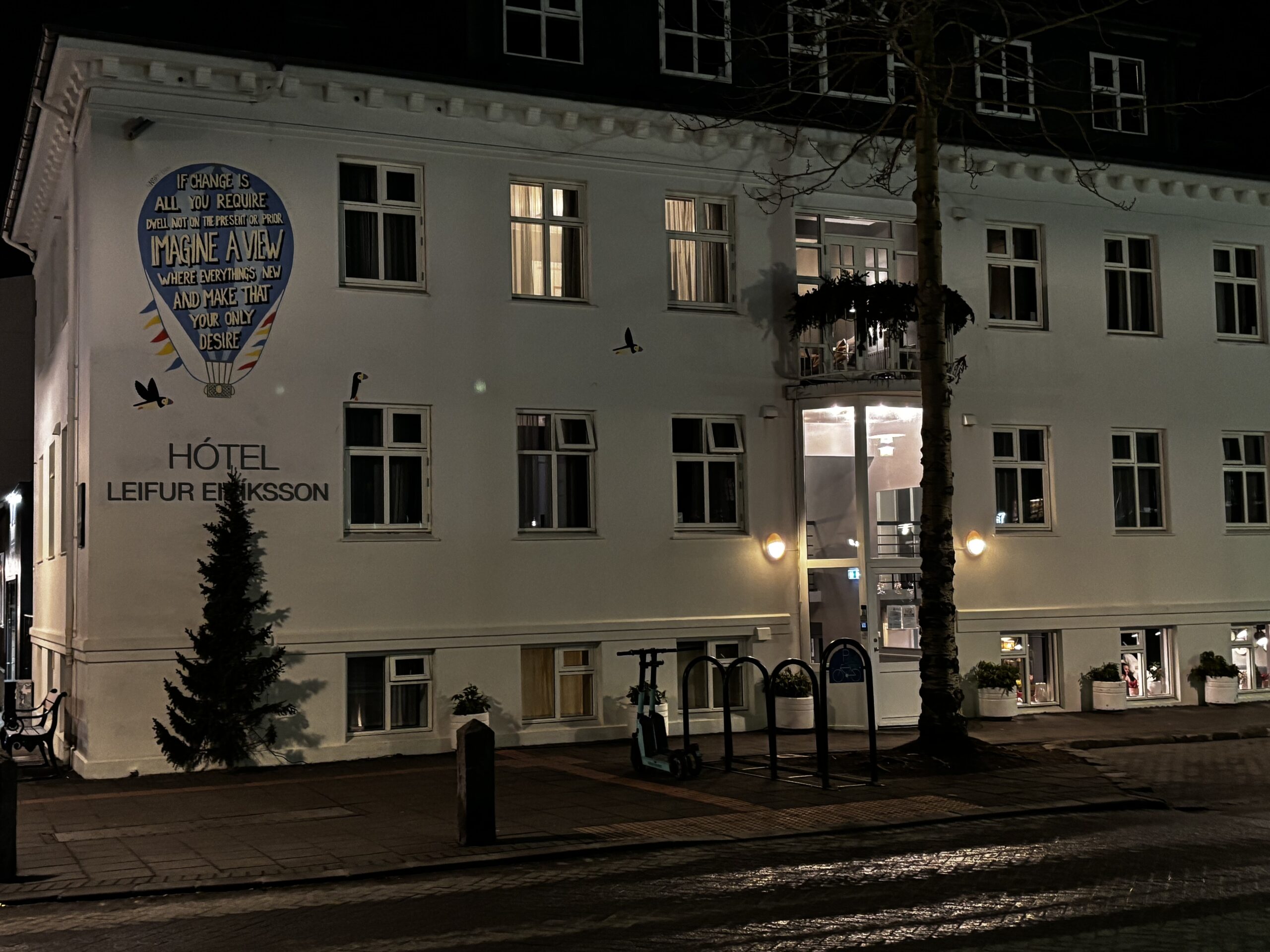
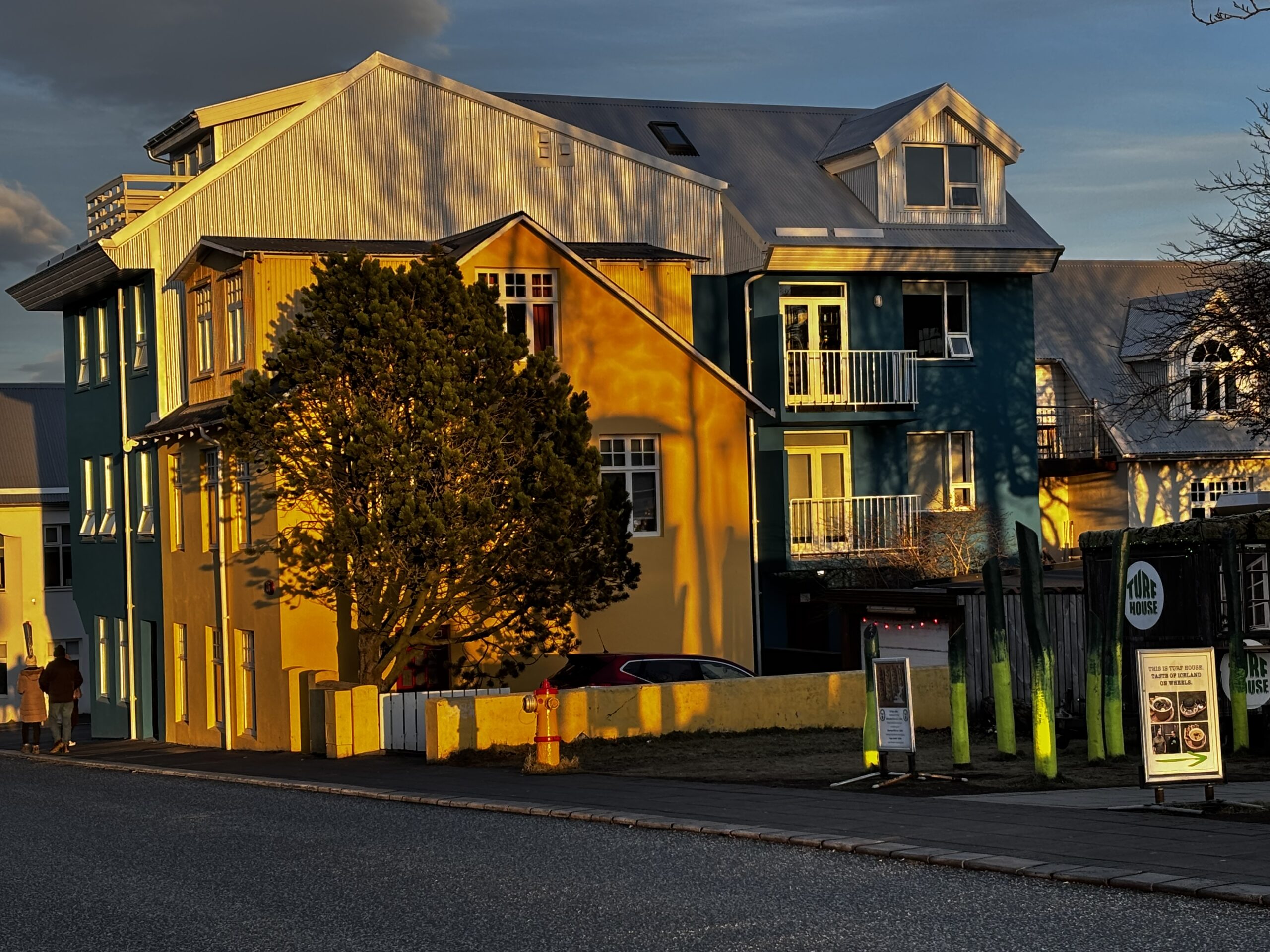
When it comes to accommodation, we prioritise comfort over cost. This doesn’t mean that we spend our nights in the most expensive hotels, but our days of sharing bunk beds in a hostel are firmly in the past. After long days walking, hiking, or just travelling, a comfortable room with a good bed is worth every krona. Small guesthouses, Airbnbs, or boutique hotels near Reykjavík or along your route often strike the right balance between price and comfort. If you’re interested, I’ve shared more tips for planning your Iceland trip and pacing your itinerary here. We stayed in three different hotels, all decent mid-range hotels. Just drop me a line if you want to know where we stayed and how it was. Or for one of them, just look at the photos.

Hotel Leifur Eriksson Reykjavík streetview
Tours & activities: pick what’s worth It
Iceland’s tours can be the biggest expense, and there’s a temptation to do everything. From the Golden Circle to South Coast hikes, glacier adventures, and Northern Lights tours, costs can stack up. A much cheaper option of course is to rent a car and drive yourself, as most of the main sights are free. We opted not to do that: Marc didn’t want to drive, I never want to drive when I’m on vacation and we didn’t want to worry about the logistics either.
My strategy? I prioritised experiences that feel like us, not ones that felt like “must-see” boxes. Pretty much all of Iceland is must-see and you can’t do it all. For example, we skipped whale watching and the Snæfellsnes Peninsula to avoid spending sixteen hours a day on a minibus – a decision we didn’t regret. We also didn’t go on a Northern Lights tour, although that one I would have booked if we’d had more time. We ended up seeing the Northern Lights right above our hotel, so the gamble paid off.
You can read more about choosing the right tours in my detailed guide.
A practical tip: choose small-group tours. You will have more time at the beautiful spots, and spend less time waiting for everyone to show up compared to a tour on a larger bus. You’ll also have a higher chance of the sights not being crowded. If you really don’t want to be in a group of strangers, there’s always the option of a private tour, but those are expensive.


Dining, snacks, and fueling your day
Meals in Iceland can be pricey. A casual lunch might be around 2,500–3,500 ISK ($20–30 USD, 18-25 EUR), while dinner in a sit-down restaurant can reach 5,000–8,000 ISK ($40–60 USD, 35-55 EUR) per person. This is always without alcohol, which really breaks the bank.
Here’s how we managed:
Breakfast: we only chose hotels that included breakfast. You don’t have to eat the whole buffet, but a hearty hot breakfast will go a long way.
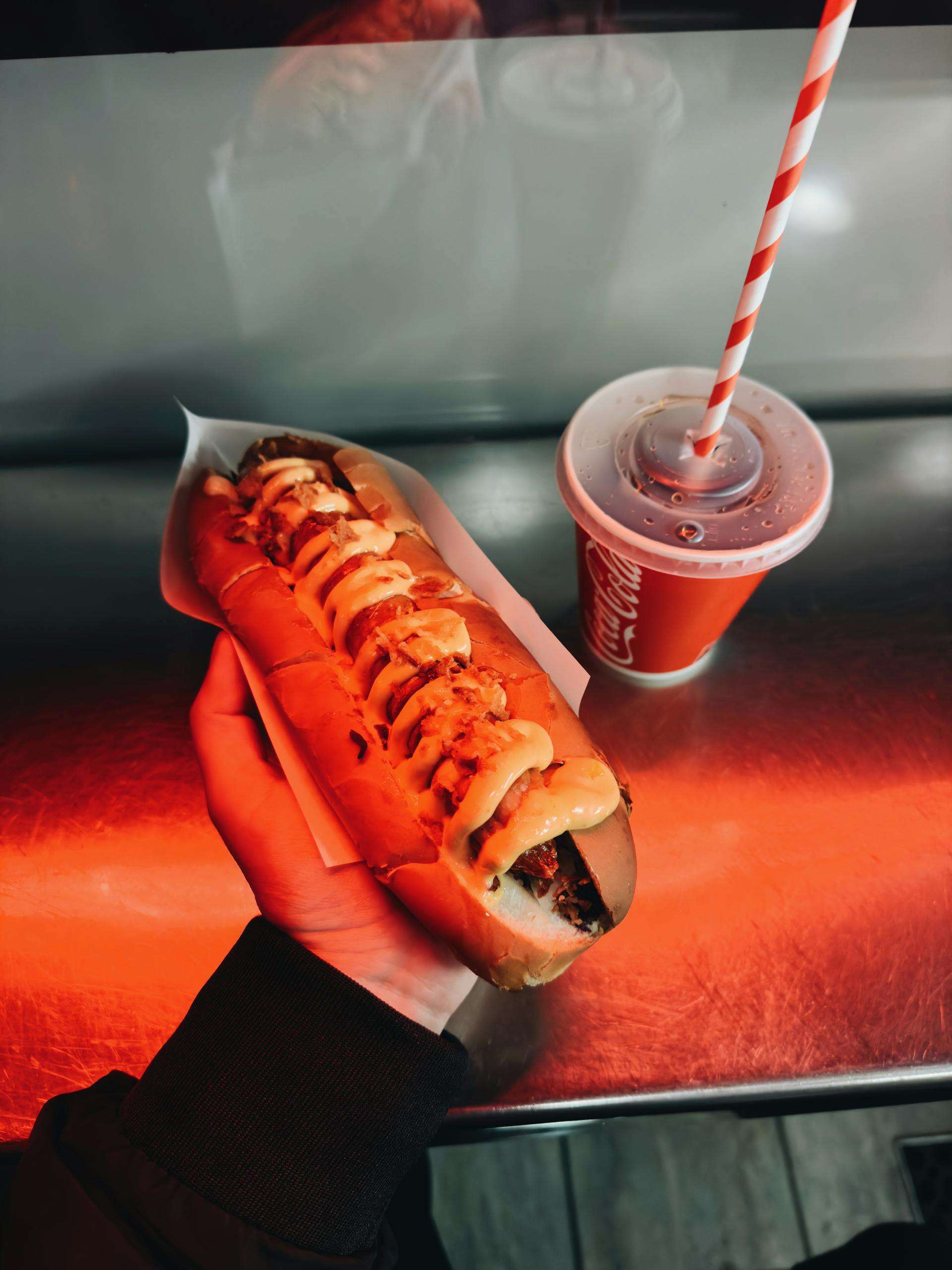
Lunch: Packed snacks from grocery stores (peanut bars, trail mix, fruit, sandwiches) were lifesavers on long days. Or try one of those great hot dogs you can buy on the street. I’d stay away from the traditional fermented shark.
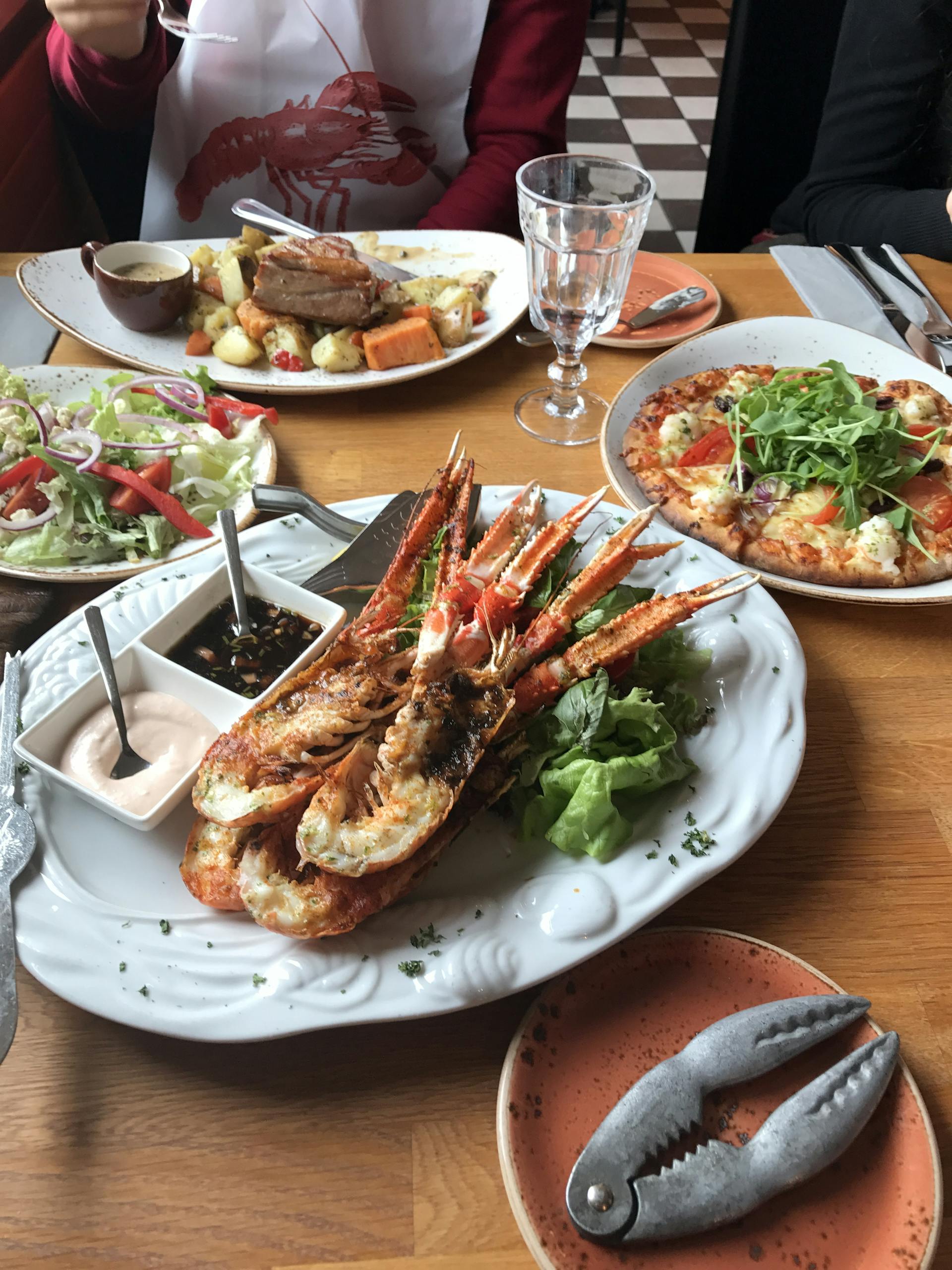
Dinner: We splurged on one nice meal each evening, either at a food court, in a hotel while on a tour or in the centre of Reykjavík. We had hearty Icelandic fare like lamb or fish, often accompanied by a hot chocolate, a coffee or a local beer. Steer clear of the alcohol if you really want to save money.
Don’t forget water! Dehydration saps energy far more quickly than a little walking or cold weather. Filling your own bottle at guesthouses or cafés saves money and keeps you energized. Water in Iceland is very safe and tastes lovely. The cold water, that is. Hot water often smells like sulfur.
This strategy also ties into wellness and recovery, which I cover in depth here — staying fueled and hydrated lets you enjoy every waterfall, hike, and thermal pool.
Practical money-saving tips
- Prioritize what matters: Some experiences are worth paying extra for (Hvammsvík spa, a glacier hike), others less so. If you’re lucky and there are clear skies and high aurora activity, you’ll see it from Reykjavík or wherever else you are in the country. The tours give you slightly more chance of finding those clear skies but they’re quite costly. Everyone I know who went whale watching was either too seasick to pay attention, too cold to stay outside, or there weren’t any whales to be seen to begin with. This depends on the season, of course. And on luck.
- Self-cater occasionally: Buying groceries for breakfast or a picnic lunch can save a surprising amount. If you have self-catering accommodation, you can choose to prepare all your own food and save money that way. You’ll still need to eat on tours though.
- You don’t have to do all the spas. Unless you love them so much that you don’t mind spending a lot of money on them of course. In that case, you do you.
- Don’t tip too enthusiastically. Iceland doesn’t have a tipping culture and although a tip is always appreciated, they aren’t an inevitable cost item like in other countries.
- Shop smart for souvenirs: Local markets or small town shops often offer better deals than tourist hotspots. Personally, I never buy souvenirs as I wouldn’t know what to do with them. The only things I ever buy are practical items that I know I’ll use. Like teatowels. Or a new hat, because mine blew into the sea at Reynisfjara.
- Iceland is not a country where you have to be extremely wary of travel scams, but of course there are pickpockets everywhere, even in Iceland. Keep an eye on your belongings. It’ll save you money, and a trip to the local police station.
If you want to know more about travel scams and how not to fall for them, this is the article for you. - Another very expensive thing: needing medical care. Hopefully (and probably) it won’t happen, but it’s good to have travel insurance if it does. Watch this space for more information and advice about travel insurance.
Remember: saving money isn’t about sacrificing comfort or safety — it’s about getting the best value for your time, energy, and enjoyment.
What we actually spent in four days
this is what we actually spent for four days as a couple, excluding flights. We didn’t try to do it on a shoestring, but we weren’t splurging wildly either.
And yes, we took taxis from Keflavík instead of the Flybus – and somehow scored a bargain at €90 each return (€180 total), which in Iceland felt like a small victory before the trip had even begun.
| Category | ISK | USD (approx) | EUR (approx) |
|---|---|---|---|
| Hotel (2 nights, breakfast included) | 55,000 | $410 | €365 |
| Taxi transfers (round-trip, 2 ppl) | 27,000 | $195 | €180 |
| Food & drinks (4 days) | 75,000 | $565 | €500 |
| 3-day Golden Circle & South Coast tour (2 ppl) | 220,000 | $1,640 | €1,465 |
| Perlan Museum (2 adults) | 13,600 | $100 | €90 |
| Misc & incidentals | 20,000 | $150 | €135 |
| Total | 410,600 ISK | $3,060 | €2,735 |
Wrapping up: spend smart, travel happy
Iceland at 55+ doesn’t have to be excessively expensive. Thoughtful planning, pacing yourself, and prioritising experiences that matter to you all help you enjoy the scenery, wellness, and adventure without financial stress.
Remember: comfort and safety are part of the budget too. A comfortable and safe room, good shoes, and a warm spa soak aren’t splurges; they’re investments in your ability to enjoy your trip to this beautiful country. With a bit of strategy, you can enjoy Iceland fully, stay safe, and leave with incredible memories – without breaking the bank.


For more tips on packing, staying upright, physical challenges, and planning tours, check out these posts:
Packing for Iceland
Staying upright in Iceland
How physically challenging is Iceland?
Choosing the right tour for you
Itinerary
Iceland country page


