Self-drive safari in Kruger National Park: sample itineraries
Self-drive safari in Kruger National Park: 3, 5 and 7-day sample itineraries
Planning a self-drive safari in Kruger can feel a bit like opening a map of a small country and thinking, “Right. Where do I even begin?” The park is enormous, the wildlife is unpredictable, and every road seems to promise elephants, lions or, at the very least, another impala looking mildly surprised to see you.
To make things easier, I’ve put together three sample self-drive itineraries for 3, 5 and 7 days. They’re not strict schedules (Kruger works best when you leave room for the unexpected), but they’ll give you a good idea of how to explore the park without accidentally spending your entire holiday driving in circles.
Whether you’re planning to stay in one camp or move between several, there’s an itinerary here to get you started.
These itineraries are part of my complete guide to a self-drive safari in Kruger National Park, where you’ll find more practical information about driving, accommodation and what to expect.
Kruger at a glance: which area should you visit?
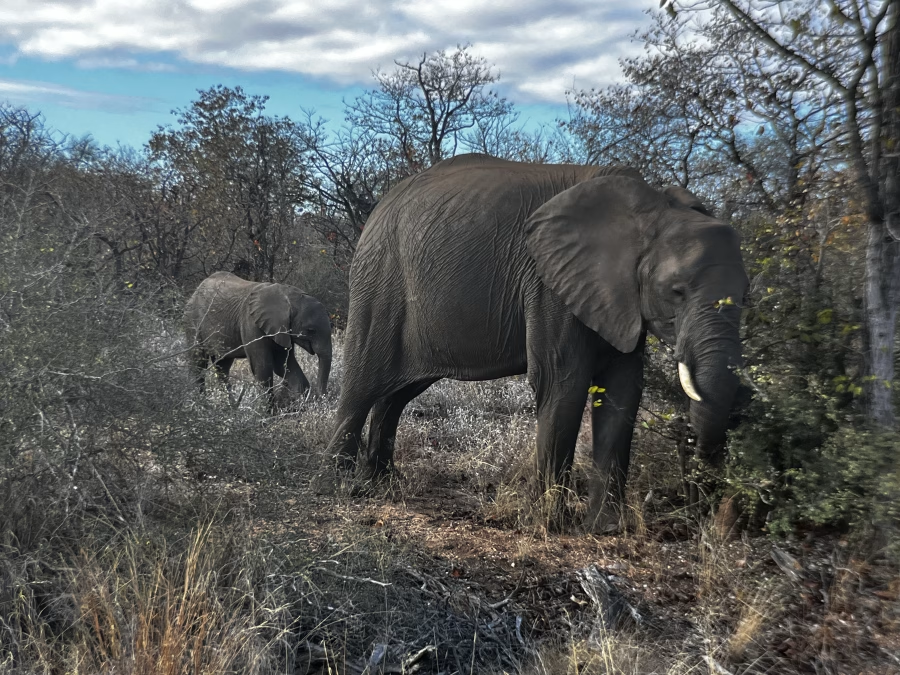
Kruger is roughly 350 kilometres long, stretching from the Crocodile River in the south to the Limpopo River in the north. That’s a lot of ground to cover, particularly when you’re driving slowly, stopping for wildlife and occasionally finding yourself in a traffic jam caused by an elephant who has absolutely nowhere else to be.
The park is generally divided into three regions, each with its own character.
Kruger at a Glance (for the “just tell me where to go” crowd)
On a phone? Swipe sideways → Kruger is big, and so is this table.
| Region | Suggested Roads | Where to Stay | Why It’s Worth It |
|---|---|---|---|
| Southern Kruger | H4-1, H4-2 | Lower Sabie, Skukuza / Hazyview lodges | Elephants, buffalo, hippos, and a lifetime of impalas |
| Central Kruger | S100, S36 | Satara, Orpen / Hazyview or Phalaborwa | Savanna, lions doing lion things, dramatic sunsets |
| Northern Kruger | H1-4, S50 | Pafuri area / Phalaborwa lodges | Quiet roads, giant baobabs, and impressive birdlife |
Which area is best?
If this is your first visit and you have limited time, I’d concentrate on the south. It’s popular for a reason: wildlife is plentiful, the roads are good and there are plenty of camps and facilities.
With five days, you can add the central region. With a week, you can venture further north and experience a rather different side of Kruger.
3-day Kruger safari: southern highlights
If you only have three days, don’t try to see the entire park. You’ll spend more time driving between regions than actually enjoying them.
The southern section is the easiest and most rewarding place to focus on. Wildlife is plentiful, the roads are excellent, and you’re never very far from a rest camp when coffee or a bathroom suddenly becomes a priority.
Suggested overnight stops:
Lower Sabie or Skukuza (two nights).
Suggested route:
Day 1: Enter Kruger and explore the southern region
Enter through Crocodile Bridge, Malelane or one of the other southern gates, depending on where you’re coming from. Make your way towards Lower Sabie, taking your time along the way. The roads around the Crocodile River and Sabie River are particularly rewarding for wildlife viewing.
If you’ve booked accommodation at Lower Sabie, you can settle in and enjoy an afternoon drive. If you’re staying at Skukuza, explore the surrounding roads instead.
Day 2: Lower Sabie and the Sabie River
This is your full day to explore without worrying about packing up and moving accommodation. Spend the morning driving along the H4-1 between Lower Sabie and Skukuza. This is one of the better-known wildlife-viewing routes in the park, with opportunities to spot elephants, giraffes, hippos and big cats.
Stop at Lower Sabie for lunch. The restaurant terrace overlooking the river is a lovely place to sit for a while. Partly for the view, and partly because staring at wildlife for hours makes you surprisingly hungry. In the afternoon, explore some of the smaller gravel roads and waterholes. You never know what might be waiting around the next bend.
Day 3: One last game drive
Get up early for one last drive before heading towards your exit gate. Depending on where you’re staying and where you’re going next, you could leave through Crocodile Bridge, Malelane or Paul Kruger Gate. Three days won’t show you everything Kruger has to offer, but it’s enough to get a taste of the experience. And quite possibly to start planning your return visit.
My tip: If you’re staying outside the park, Hazyview is a convenient base for exploring the southern and south-central areas. You’ll have to factor in the time spent entering and leaving the park each day, though.
5-day Kruger safari: southern and central Kruger
With five days, you can slow down a little and explore two different regions. You’ll get a nice mix of the busier southern wildlife areas and the wide-open savannas of central Kruger.
Suggested overnight stops:
- Two nights at Lower Sabie or Skukuza.
- Two nights at Satara.
Suggested route:
Day 1: Enter through the southern gate
Start in the south, following the same general route as the three-day itinerary. Take your time getting to your first camp and enjoy the wildlife along the way.
Day 2: Explore the southern region
Spend a full day exploring the roads around Lower Sabie and Skukuza. The H4-1 is a good choice, but don’t ignore the smaller gravel roads. You might see elephants, buffalo, giraffes, hippos and, if you’re lucky, a leopard or lion. Or you might spend an hour watching a tortoise cross the road. That’s safari life.
Day 3: Head north towards Satara
Today you’ll move into central Kruger. Make your way towards Satara, taking one of the routes through the park rather than simply driving straight there. The journey itself is part of the safari, after all.
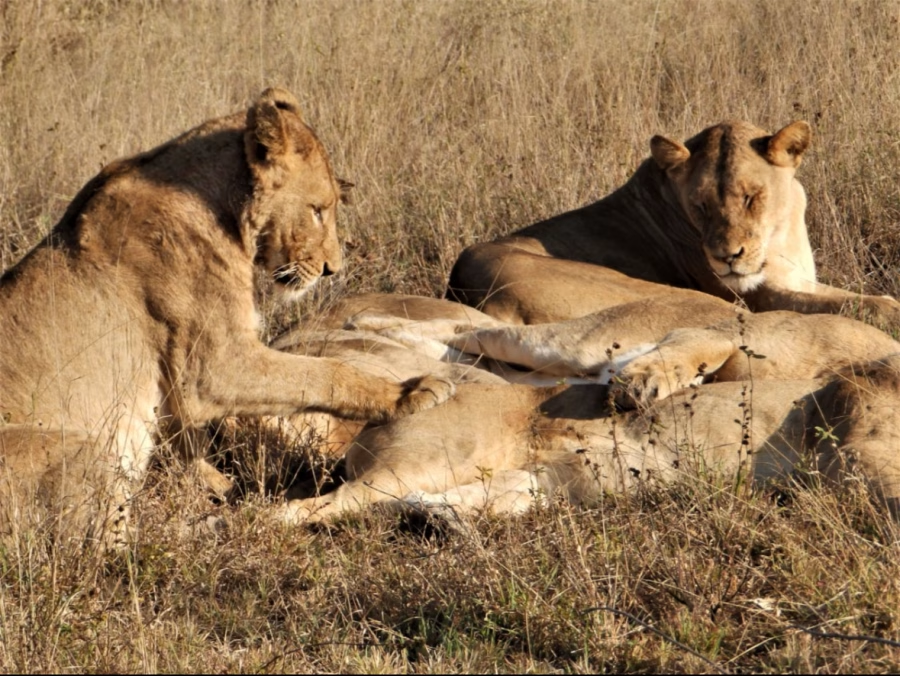
The landscape gradually changes as you head north, with more open grasslands and savanna. Satara is particularly well known for lion sightings, although the lions haven’t signed any contracts promising to appear on demand.
Settle into your accommodation and enjoy an afternoon drive around camp.
Day 4: A full day in central Kruger
Explore the roads around Satara, including the famous S100. This area has a reputation for excellent predator sightings, particularly lions. Keep an eye out for hyenas, cheetahs and the many antelope that attract them. Don’t rush. A morning drive can easily turn into several hours if you come across an interesting sighting.
Day 5: One last drive and exit
Enjoy an early morning game drive before leaving the park. Satara is relatively close to Orpen Gate, making this a convenient exit if you’re heading towards the Panorama Route or other destinations in Mpumalanga. If you’re continuing elsewhere, check which gate makes the most sense for your onward journey.
Staying outside the park?
Hazyview is a good base for the southern section, while Phalaborwa is convenient for exploring central Kruger. You could split your accommodation between the two to avoid spending too much time driving to and from the entrance gates.
7-day Kruger safari: explore further north
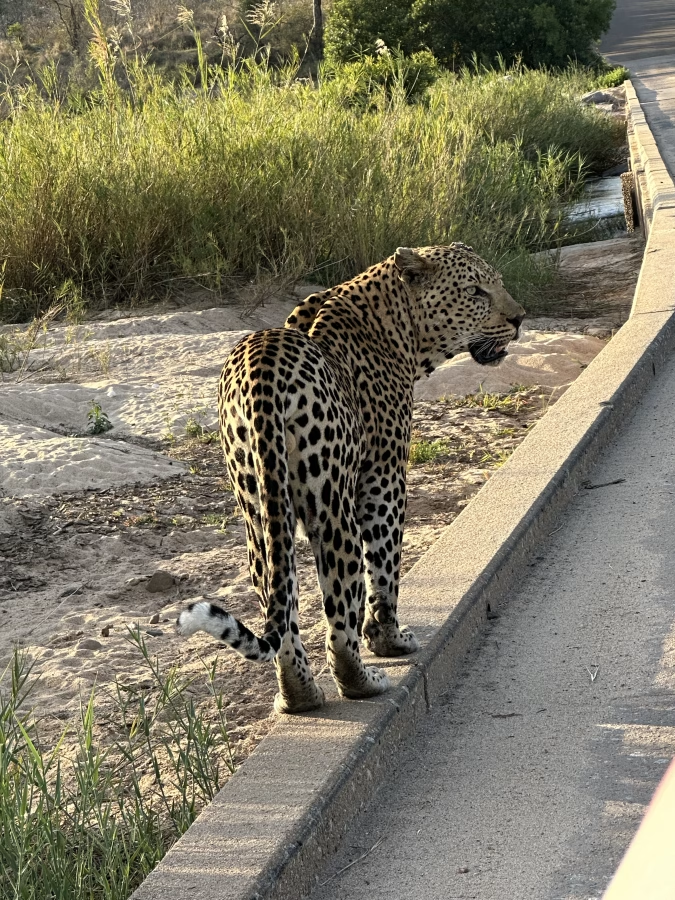
A full week gives you time to experience three different sides of Kruger: the busy southern roads, the predator-rich central plains and the quieter landscapes further north.
It’s still not enough to see every corner of the park, but you can cover a good distance without having to move accommodation every single day.
Suggested overnight stops:
- Two nights at Lower Sabie.
- Two nights at Satara.
- Two nights at Shingwedzi.
Suggested route:
Day 1: Enter Kruger and head to Lower Sabie
Start in the south, entering through one of the southern gates. Make your way to Lower Sabie, enjoying the river roads and wildlife sightings along the way.
Day 2: Explore southern Kruger
Spend a full day exploring the area around Lower Sabie and Skukuza. Take your time, visit a picnic site and enjoy a leisurely lunch at one of the rest camps.
Day 3: Drive north to Satara
Move into central Kruger, taking a scenic route towards Satara. There are several roads to choose from, so check your map and recent wildlife sightings before setting off. Once you’ve arrived, enjoy an afternoon drive around the camp.
Day 4: A full day around Satara
This is your chance to explore central Kruger properly. Try the S100 and other roads around Satara. The open grasslands make wildlife spotting a little easier, and this is a good area to keep an eye out for lions and other predators.
Day 5: Continue north towards Shingwedzi
Today you’ll head further north. Depending on your chosen route, you can pass through the Olifants or Letaba area before continuing towards Shingwedzi. Allow plenty of time. The distances on a map can be misleading when you’re driving at safari speed and stopping for every interesting animal.
Shingwedzi is a lovely base for exploring northern Kruger. The camp lies in mopane country, and the surrounding landscape is quite different from the southern savanna.
Day 6: Explore northern Kruger
Spend the day exploring the roads around Shingwedzi and the Shingwedzi River. This region is generally quieter than the south, with fewer vehicles and plenty of opportunities for birdwatching. Look out for elephants, kudu, nyala and waterbuck.
If you enjoy quieter landscapes and the feeling of having the road almost to yourself, you may find this part of the park particularly rewarding.
Day 7: One last drive and departure
Enjoy a final morning drive before leaving through Punda Maria Gate, depending on your onward travel arrangements.
If you want to explore the far northern reaches around Pafuri properly, I’d actually recommend adding another night at Punda Maria. Seven days is a good introduction to northern Kruger, but the far north deserves more time than a quick detour.
A word about accommodation: These itineraries assume you’re staying inside the park. If you’re using lodges outside Kruger, you’ll need to adjust the routes and allow for the time spent entering and leaving through the gates. Staying near Phalaborwa works well for the central and northern areas, while Hazyview is convenient for the south.
What a Typical Self-Drive Safari Day Looks Like
Self-driving in Kruger has a natural rhythm. You don’t need a timetable — just follow the animals, the sun, and your snack cravings.
Gates open at sunrise. Roads are quiet, predators are awake, and the light is perfect for photos (even your phone’s camera thinks it’s National Geographic).
Drive slowly and stop for tail flicks and ear twitches. Hunger eventually wins — time for coffee or brunch at a rest camp.
Warmest part of the day. Most animals nap. Perfect moment for lunch, picnic, or relaxed driving.
Animals become active again. Another drive, glorious light, and slow return to camp or the gate. Elephants may claim the road for themselves.
Pro tip: start early, drive slowly, stop often, and embrace the chaos when wildlife suddenly decides your car is part of their day.
A few practical tips before you set off
Don’t underestimate driving times. A route that looks short on the map can take hours once you factor in slow driving, stops and wildlife sightings. Use the official SANParks maps when planning your route.
Book your accommodation early. The popular rest camps can fill up well in advance, particularly during South African school holidays. If you’re keen on staying inside the park, don’t leave this until the last minute.
Don’t plan too many kilometres in one day. You haven’t come to Kruger to collect road kilometres. A couple of good sightings can easily make an otherwise quiet day memorable.
Keep an eye on your fuel. Most main rest camps have filling stations, but don’t assume there’s one around every corner. Top up when convenient rather than waiting until the warning light comes on.
And take snacks. Lots of snacks. You never know when an elephant will decide that your carefully planned lunch break needs to be postponed by 45 minutes.
Ready, set, safari!
If you want to dig into the details before you hit the road, there’s a fantastic collection of Kruger National Park maps on the SANParks website.
It’s a great way to visualise the routes you’ll be driving, plan which camps or picnic sites you want to visit, and get a feel for the distances between regions. You can download or print the maps and start marking up your own self-drive adventure.
And there you have it: three ways to tackle Kruger at your own pace, whether you have three days, five days or a whole week.
My advice? Don’t try to see everything. Choose your regions, allow plenty of time for unexpected sightings and enjoy the freedom of deciding when to stop and when to move on.
Pack your sense of adventure, a camera and perhaps a hat that stays on in the wind. You’re ready to hit the road.
Wildlife You’ll See
Southern Kruger
- Elephants
- Buffalo
- Hippos
- Impalas (lots!)
Central Kruger
- Lions
- Hyenas
- Cheetahs
- Savanna birds
Northern Kruger
- Rare birds
- Nyala
- Baobabs
- Peaceful, empty roads
More safari
For more practical advice, including choosing accommodation, driving safely and deciding whether a self-drive safari is right for you, head over to my complete Kruger self-drive guide.
And if you’re still deciding whether to drive yourself, join a guided safari or spend a few days in a private reserve, have a look at my South Africa safari comparison.
If you’d rather leave the driving to someone else and enjoy a little more comfort, you might also like my guide to the best safari lodges in South Africa.
Happy safari planning!