
Common travel scams, and how experienced travellers avoid them.
If you’ve ever thought, “This is odd, but I don’t want to be rude,” this post is for you. I’ve had that thought in quite a few countries – usually while smiling, nodding, and slowly realising I was being expertly ushered into nonsense. Most travel scams don’t feel dangerous at first; they feel mildly awkward, slightly confusing, and socially uncomfortable to question. And if you were raised to be polite and not make a fuss, congratulations: you’re exactly who they’re hoping for.
These scams tend to happen on arrival days, transport days, or at any moment when your body has arrived but your brain is still somewhere over the Atlantic. Someone appears who seems helpful, friendly, or faintly official. Sometimes, all of these at once. They have a suggestion. Or a concern. Or a very good reason why you should follow them just over there. It feels rude not to listen, and strangely dramatic to walk away — which, inconveniently, is exactly why it works.
The scams themselves are rarely clever—what’s impressive is how effectively they exploit our reluctance to say no and walk away. This post is a practical look at the familiar ones, and how to exit them with your money still in your pocket and your dignity intact.
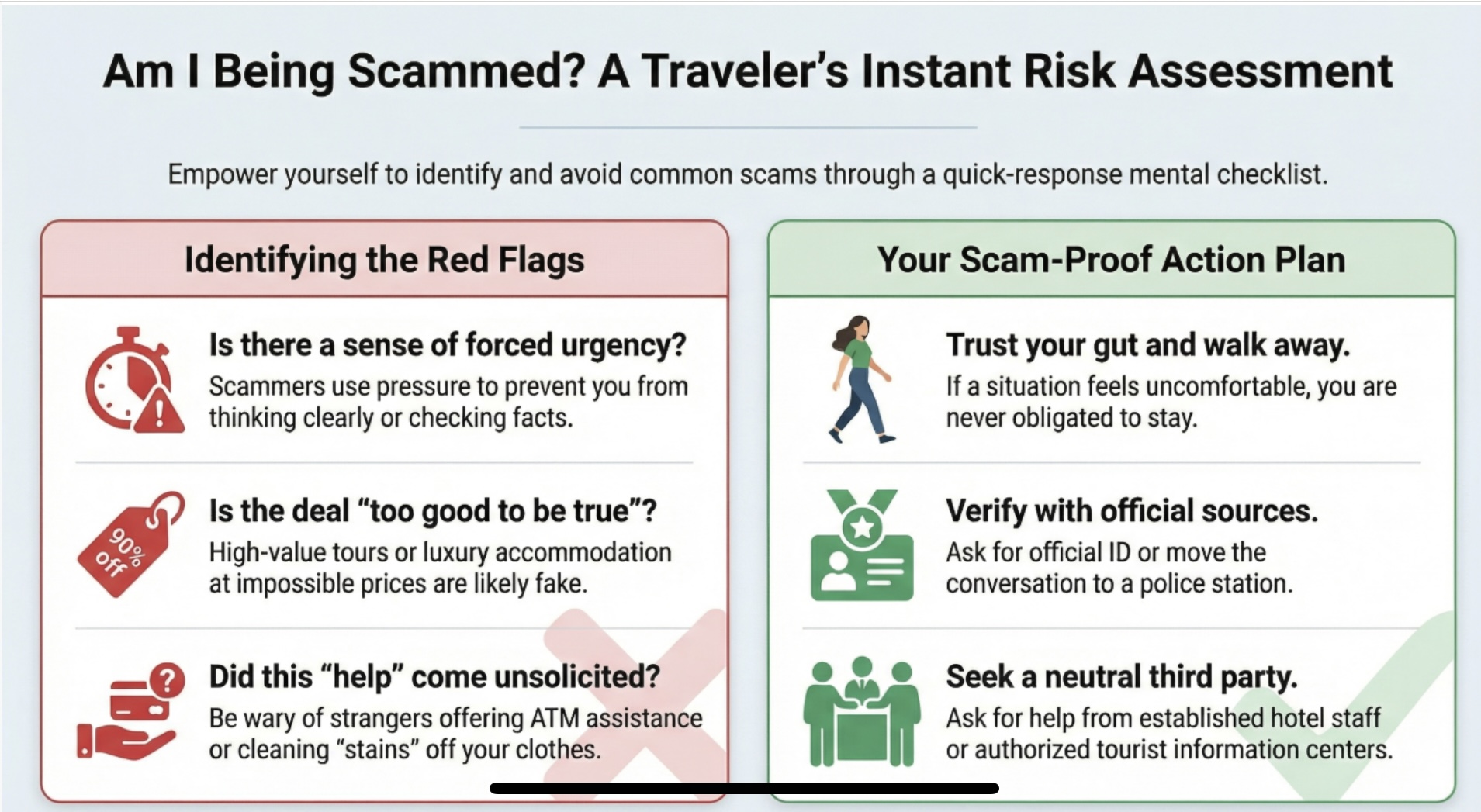
Let me first give you a quick visual of red flags to look out for. After that, let’s venture out into the wild and wondrous world of travel scams.
The helpful local
We almost fell for this one in Morocco and in Thailand. It’s a classic, so be prepared for it.
How it works
This usually starts the moment you stop moving—maybe to check directions on your phone, take a photo, or simply because you look like a tourist. A friendly local approaches, asking where you’re headed. They might say, “Oh no, that’s closed!” and offer to show you a “better” place, or suggest a hotel, tour, or shop that seems superior to what you booked. Often, these detours lead to a relative’s shop, a family-owned hotel, or another location where leaving without spending money becomes awkward.
What to do about it
Make sure you know where you’re going so you look like less like the disoriented tourist you are, a.k.a. the easy target. Check opening times of main attractions. Book hotels and tours in advance, after checking reviews. If you feel uneasy navigating on your own, consider hiring a reputable guide. When approached by someone insisting on showing you somewhere, politely say, “Thanks, but I’ve got plans,” and keep walking.

The fake official
How it works
At some point, someone official-looking may tell you there’s a problem. With your ticket, your passport, your registration, or something you didn’t know existed until that moment. They may have a badge or official-looking paperwork. They may have confidence. They will almost certainly be in a hurry and very keen to resolve the issue immediately, preferably with cash.
What to do about it
Real officials are happy to show ID and take you to an office. Fake ones prefer the pavement. If in doubt, suggest going to the police station or calling your hotel and watch how quickly the situation improves.
A particularly dangerous version is when someone tries to stop your car, pretending to be police. If you’re unsure—especially after dark—don’t stop. Stay calm, lock your doors, and drive straight to the nearest police station. Real officers will gladly follow you there; if the impostors vanish along the way, you’ll know you made the right call.
The pickpocket distraction
How it works
This scam starts with a distraction. Maybe it’s a sudden bump in a crowded square. Maybe someone urgently points at your jacket and tells you there’s a mess. It can be a group crowding around you or someone asking you for help. While you’re distracted, someone else may be quietly helping themselves to your wallet.
Crowds are their happy place: busy markets, packed buses, popular attractions. And they’re good at this. It’s almost always teamwork—one person (or a group) distracts, another does the lifting. You won’t notice a thing until later, when you reach for your phone or wallet and feel that unmistakable moment of panic.
What to do about it
Keep your belongings where you can reach them easily, but pickpockets can’t. Think crossbody bags, small pouches under your clothes, or front pockets. Back pockets are not pockets; they are donation bins. Zip everything. Extra points for slash-proof straps or those secret compartments you forget about until laundry day.
In crowded places, be suspicious of the “accidental” bump, the sudden chaos, or the inexplicably large group pressed against you. These are excellent moments to do a quick inventory check of your stuff. Step away from crowds when you can, stay aware of your surroundings, and trust your instincts—if something feels off, it probably is.

The bracelet scam, or the gift that isn’t a gift.
How it works
This usually happens in busy, tourist-heavy areas—near major landmarks, popular squares, or anywhere people tend to slow down. You might be walking along, checking your phone, taking photos, just minding your own business. A friendly stranger approaches. They smile, say hello, maybe compliment you, and before you fully register what’s happening, they take your wrist. While talking, they tie a bracelet around it—often telling you it’s a gift, a symbol of friendship, or something traditional. Once the bracelet is securely on your wrist, the tone shifts. You’re asked for money. Sometimes politely, sometimes insistently. At that point, you’re already engaged, standing there with something attached to you, and leaving without paying suddenly feels awkward—even if you never agreed to buy anything in the first place.
What to do about it
Avoiding this scam is mostly about stopping it before it starts. If someone approaches with bracelets or strings, keep moving and keep your hands close to your body. A firm “No, thank you” said early and confidently is usually enough.
Don’t stop to chat or let anyone “just show you” the bracelet—that’s often when it gets tied on. If one ends up on your wrist anyway, you can calmly remove it and hand it back or simply walk away. Paying to disengage is an option, but it’s not required. I once walked away and kept the bracelet.. I’ve still got it. Don’t know if I’d still do it now, I was in my twenties at the time and could still outrun the scammers if I had to.
Once you know how this scam works, it’s much easier to spot—and avoid—before it reaches your wrist.

The “Your hotel has called” scam
How it works
This call usually comes in the evening, when you’re back in your room, shoes off, brain off. The phone rings. It’s “reception.” They sound professional. They know your room number. They say there’s an issue with your booking, your card, or your payment. Nothing dramatic—just something that needs fixing right now. To resolve it, they ask you to confirm your credit card or passport details. And because you’re already staying there, in that exact hotel, this somehow feels reasonable—until you realise you’re about to give sensitive information to someone you’ve never seen. Hopefully, this epiphany comes before you’ve given them access to your credit card details not after.
What to do about it
Hotels don’t call guests to ask for full card or passport details over the phone. If this happens, don’t give any information. Hang up and contact reception directly, either from the hotel phone or in person. If there’s a real issue, they’ll happily sort it out at the desk. If not, you’ve just avoided a scam that relies almost entirely on timing and trust.
The broken taxi meter scam
How it works
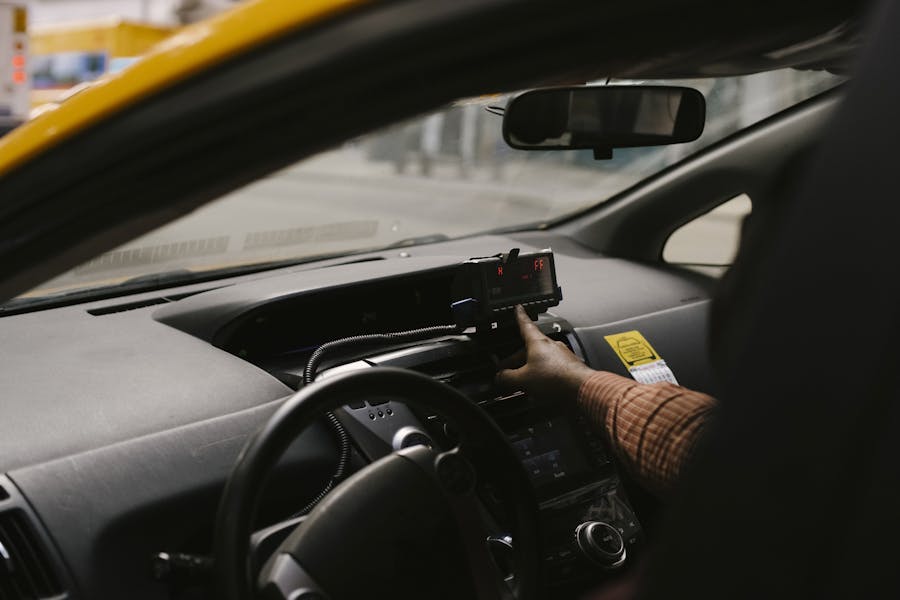
You get in a taxi. The driver tells you the meter is broken—or never turns it on at all. No problem, they say. You’ll agree on a price later.Later turns out to be significantly more expensive than expected, usually after you’ve arrived and are no longer in a negotiating mood.
What to do about it
Before getting in, confirm the meter will be used or agree on a price upfront. If the driver refuses, get another taxi. There is almost always another taxi. Ride-hailing apps like Uber and Grab reduce this risk considerably, especially in unfamiliar cities.
The fake Wi-Fi scam
How it works
You connect to free public Wi-Fi at an airport, café, or hotel. It works great—until it works too well. For scammers, to be specific. For you, not so much. The network may be fake, designed to capture passwords, emails, or payment information while you casually scroll and log in to everything you own.
What to do about it
Avoid logging into sensitive accounts on public Wi-Fi. Use a VPN if possible. When in doubt, switch to mobile data for anything involving passwords or payments. Personally, I make sure I have enough mobile data wherever I go to never have to use public Wi-Fi. Convenience is great, but not when it comes with identity theft or emptied bank accounts.
The ATM scam
How it works
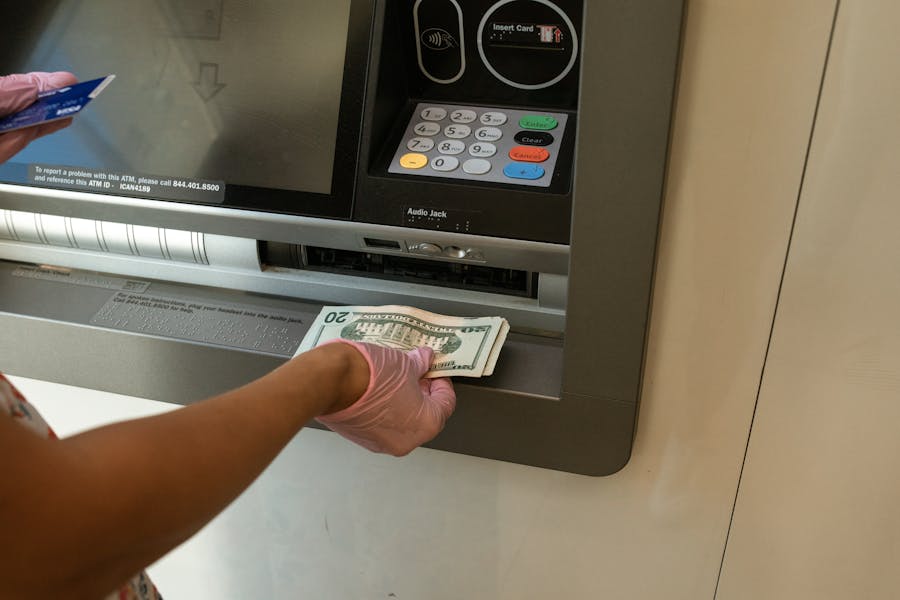
You’re using an ATM when someone approaches, offering help. Maybe the machine “isn’t working.” Maybe they show you a better way to insert your card.What they’re really doing is watching your PIN, distracting you, or swapping cards when you’re not looking.
Another version of this is that the ATM itself has been tampered with, but this one is not limited to travellers.
What to do about it
Use ATMs inside banks when possible. We prefer not to use them at all after dark. Don’t accept help from strangers. Cover the keypad when entering your PIN. If someone is standing too close to you, tell them to step back. Standing too close to someone at an ATM is rude. Telling them to back off is not. If something feels off, cancel the transaction and leave. ATMs will still exist later. If you’re travelling as a couple or with a group, have someone watch the surroundings while the other one gets the cash.
The “Where have you been all my life?”-scam
How it works
While travelling—on a cruise, a group tour, or on a shared excursion —you meet someone who feels improbably well-matched, impressively attentive, and oddly free for coffee at all hours. Travel accelerates everything, so a few days can feel like weeks. Then, just as you think you’ve found a friend for life, they come to you with a problem: a frozen bank card, a missed flight, a temporary cash issue, or a situation at home that needs help right now.
What to do about it
Enjoy new friendships or flirtations, keep your sense of humour, and guard your wallet. Don’t lend money, cover fees, or solve emergencies for someone you’ve known for all of a week. Genuine travel connections don’t come with invoices, and chemistry—however delightful—should never require a financial rescue mission.

Final Thought
Most travel scams rely on the same things: distraction, politeness, and catching you slightly off guard. Once you recognize the patterns, they’re much easier to avoid—and much less stressful to deal with.
You don’t need to be suspicious of everyone. You just need to slow down, trust your instincts, and remember that urgency plus friendliness is often a red flag.
Scam avoidance checklist
All of this is easy to remember at home. Less so after a long flight, when you’re tired, distracted, and slightly disoriented. That’s where this Travel Scam Avoidance Checklist comes in: free, printable, and built for exactly those moments. No sign-up. No one insisting they’re “just trying to help.”
If this is your kind of travel advice, you can subscribe below for occasional travel notes. Infrequent and entirely unsubscribable.