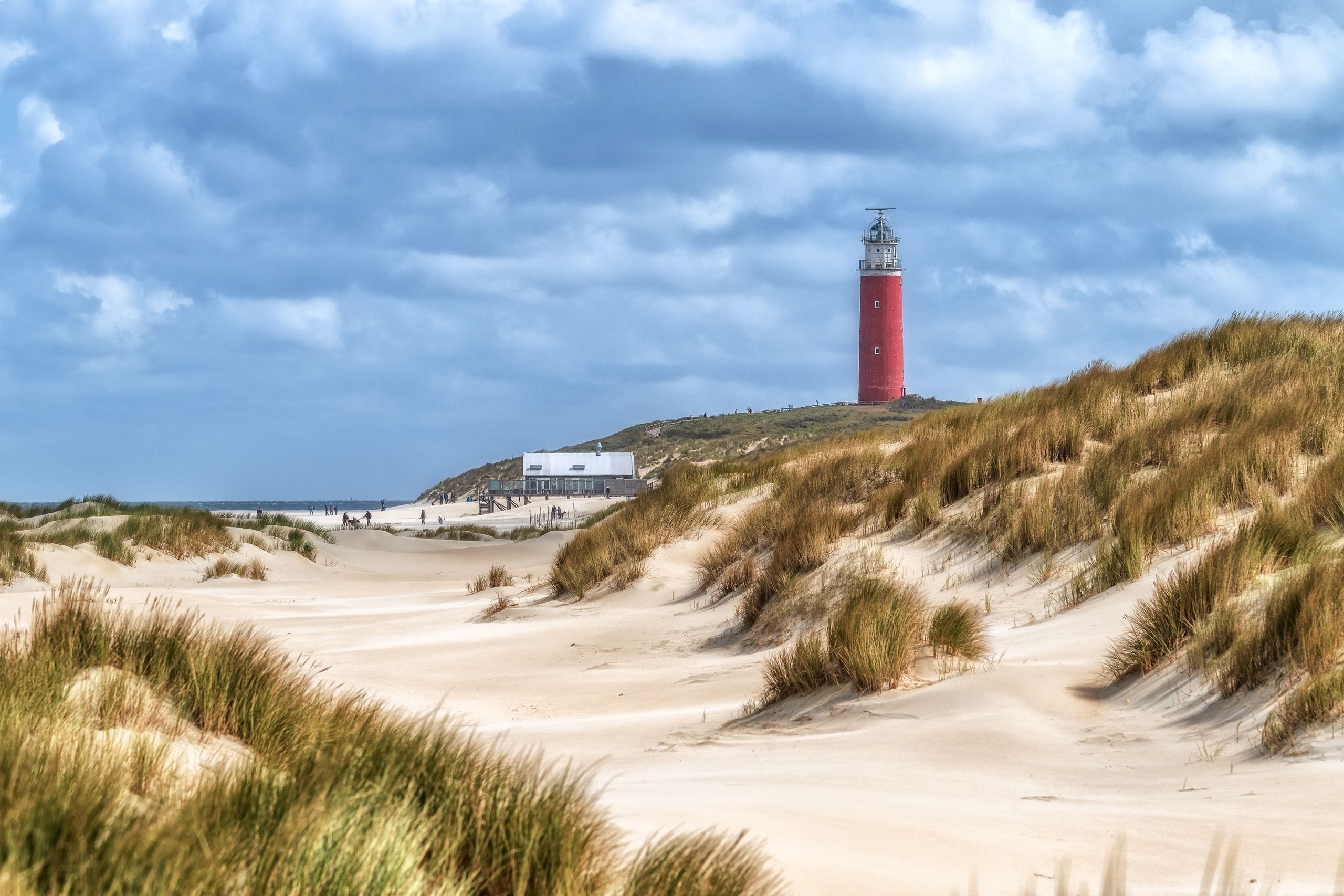
Netherlands travel guide: visit the Netherlands with a local
Before we start: the Netherlands and Holland are not the same thing. As a born southerner, I take offense. Holland refers to just two provinces in the west of the country. The country as a whole is the Netherlands, thank you very much. And yes, we have regional differences. I know that may sound slightly ridiculous in a country you can cross from the far southwest to the far northeast in under four hours, but trust me: they’re there.
I live here, so this isn’t a destination I’ve discovered on a two-week holiday. This is home. And that gives me a slightly different perspective on travelling around the Netherlands. I can tell you about the places I think are worth your time, the things that are genuinely interesting, and perhaps a few things that look better on Instagram than they are in real life.
I’ll also tell you about some of the things that might seem a little strange if you’re not Dutch. The habits, customs and cultural quirks that we barely notice because they’re simply part of everyday life here. Some of them may make perfect sense once I explain them. Others… well, we’re Dutch. We don’t promise everything will make sense.
Is the Netherlands a good holiday destination?
That depends, of course, on what you are looking for. If you want to climb mountains, dive in crystal-clear seas and shower under spectacular waterfalls, the Netherlands is not your dream destination. It may, however, be precisely your thing if you like forests and rivers, mudflat walking, sailing, charming old cities and cycling. Most of all: cycling.
Travelling in the Netherlands is easy. Distances are short, public transport is good, people generally speak English, and you don’t need to spend hours in a car to get from one place to another. Even better, you can easily combine cities with nature, history with outdoor activities, and a few days of sightseeing with a few days of doing very little at all.
And while Amsterdam is undoubtedly worth visiting, there is a lot to see outside the capital. The Netherlands has historic cities, beaches, national parks, pretty villages and some wonderfully odd landscapes involving dykes, canals, polders and large quantities of water. You can walk across the mudflats of the Wadden Sea, cycle through the countryside, sail across a lake or spend a day exploring one of the many smaller cities that rarely make it onto an international itinerary.
The country is mostly safe and the Dutch are a friendly, albeit rather blunt bunch. We are also quite fond of telling visitors that they are standing in the wrong place on the cycle path. Don’t take it personally.
So no, the Netherlands isn’t the place to come if your idea of an adventure involves scaling a volcano or swimming with tropical fish. But if you like culture, history, nature, small-scale adventures and being able to get almost everywhere without travelling vast distances, it might be surprisingly good.
When should I visit and how long should I stay?
There really isn’t a bad time to visit the Netherlands. There is, however, a better time depending on what you want to see.
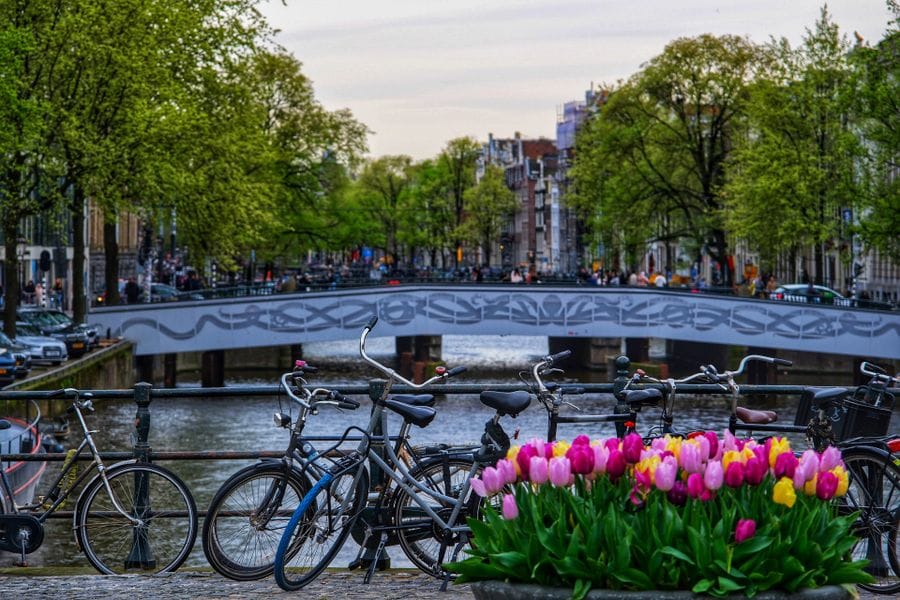
Spring is probably the season most people picture when they think of the Netherlands. Tulips, daffodils, blossom and the first properly sunny days of the year. If seeing the famous flower fields is on your list, April is your best bet, although exact flowering times depend on the weather. Just be prepared for crowds, particularly around the most famous tulip attractions. Summer is the obvious choice if you want to make the most of the outdoors. The days are long, there is plenty of time for cycling, walking and sitting on a terrace, and the beaches are actually rather good. As for the sea: don’t expect beautiful blue waters. It’s the North Sea, not the Pacific Ocean.
July and August are also the busiest months, though, and Dutch weather being what it is, sunshine is never guaranteed. Autumn can be lovely, particularly if you enjoy walking and cycling. The crowds thin out, the trees turn spectacular colours and there is something rather satisfying about finding a cosy café when the weather turns chilly. Winter is cold and dark, but don’t automatically rule it out. The big cities are still worth visiting, museums are less crowded and, if you’re lucky enough to get snow and ice, the Netherlands can look completely magical. Just don’t come expecting a guaranteed winter wonderland. We don’t do guarantees when it comes to weather.
As for how long you should stay, that depends on whether you’re coming to see Amsterdam or the Netherlands. For Amsterdam itself, three or four days will give you enough time to see the major sights without having to race around. But if you’ve come all the way to the Netherlands, I’d stay longer and get outside the capital. A week is a good starting point for seeing some of the country beyond Amsterdam. You could combine the capital with a couple of historic cities, some countryside or a day or two on the coast. With ten days or two weeks, you can slow down considerably and explore a much wider variety of places without spending your entire holiday on the train.
And that’s really the beauty of travelling around the Netherlands. You don’t need to choose between a city break and a countryside holiday. The country is small enough that you can have both.
Where should I go besides Amsterdam?
Amsterdam is worth visiting. Obviously. But please don’t make the mistake of thinking that Amsterdam is the Netherlands. It really isn’t. So where should you go instead? Well, that depends rather on what you’re looking for.
If you like water, sailing and pretty little towns: head to Friesland. There are lakes, canals, historic towns and plenty of opportunities to get out on the water. Friesland also has its own language, its own rather strong sense of identity and, apparently, an ongoing determination to prove that it is not quite like the rest of us.
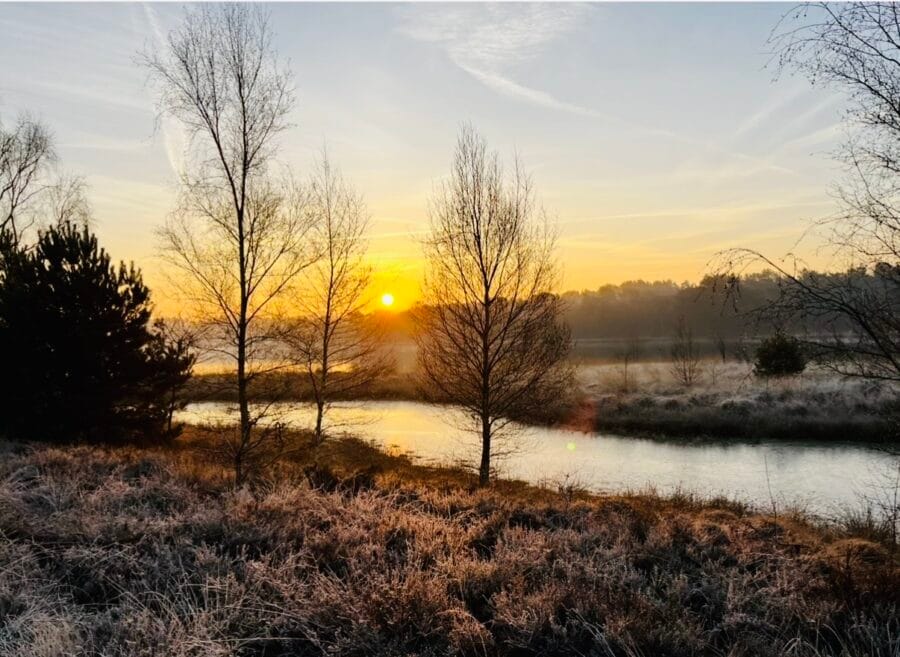
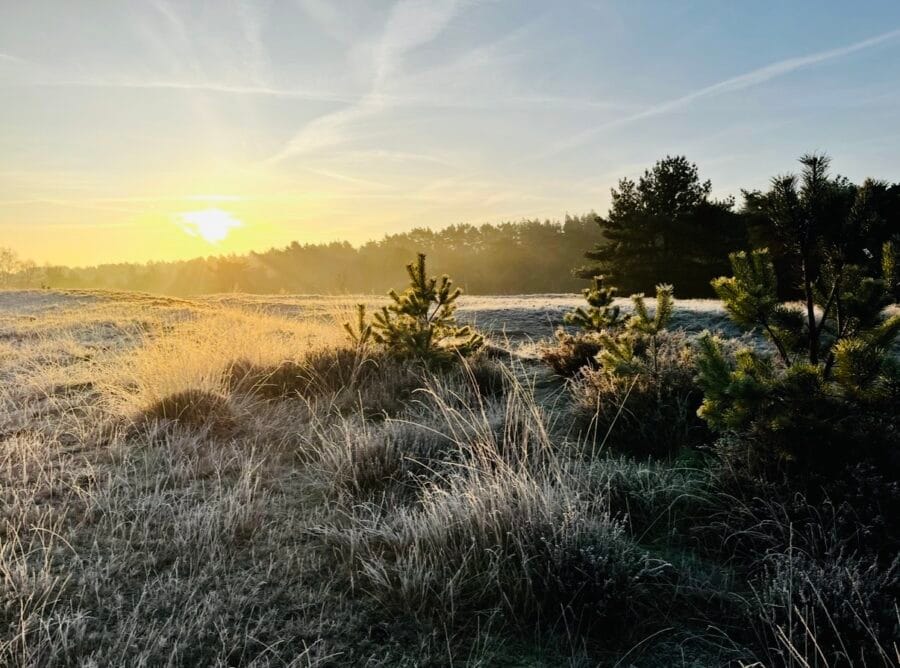
If you want nature, walking and cycling: have a look at Drenthe. Think forests, heathland, cycling and wide-open countryside rather than big cities and museums. It also has the hunebedden: enormous prehistoric stone tombs that are several thousand years old. We don’t have mountains, but apparently moving enormous rocks around will do.
If you want beaches and spectacular engineering: go to Zeeland. This is where you’ll find beaches, dunes, pretty coastal towns and the Deltawerken. After the catastrophic floods of 1953, the Dutch decided that perhaps we should do something about the sea trying to kill us. The result is an enormous system of dams, barriers and storm-surge defences across the southwest of the country. They’re genuinely impressive.
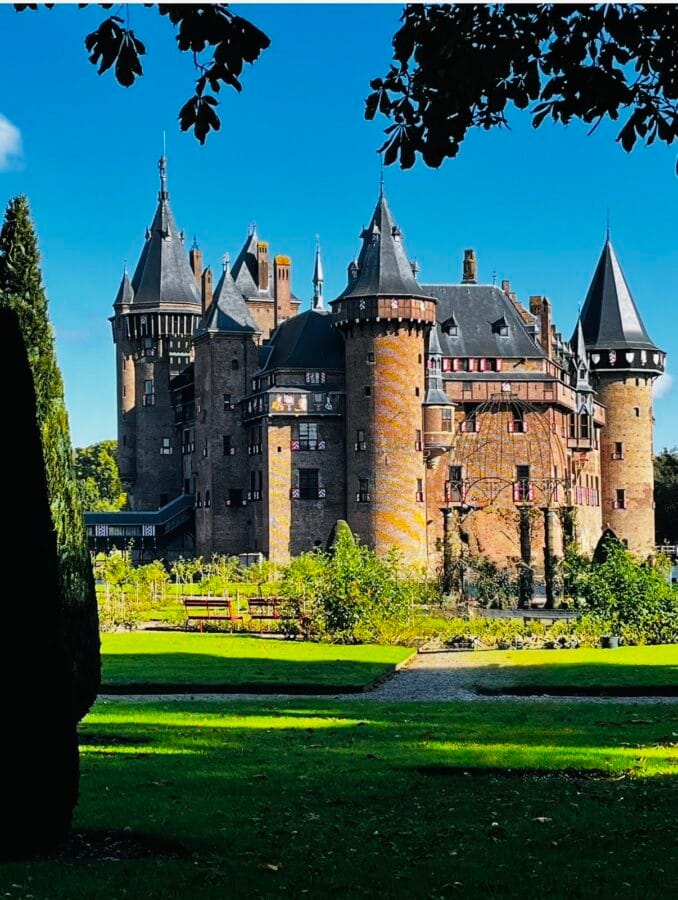
If you want hills, charming towns and a completely different feel: go to Limburg. The landscape is hilly – and yes, we do occasionally refer to some of these hills as “mountains” despite the tallest one being just over 300 metres – and you’ll find castles, vineyards, excellent walking and cycling and some lovely towns. Maastricht is the obvious place to start, but there’s plenty more to see.
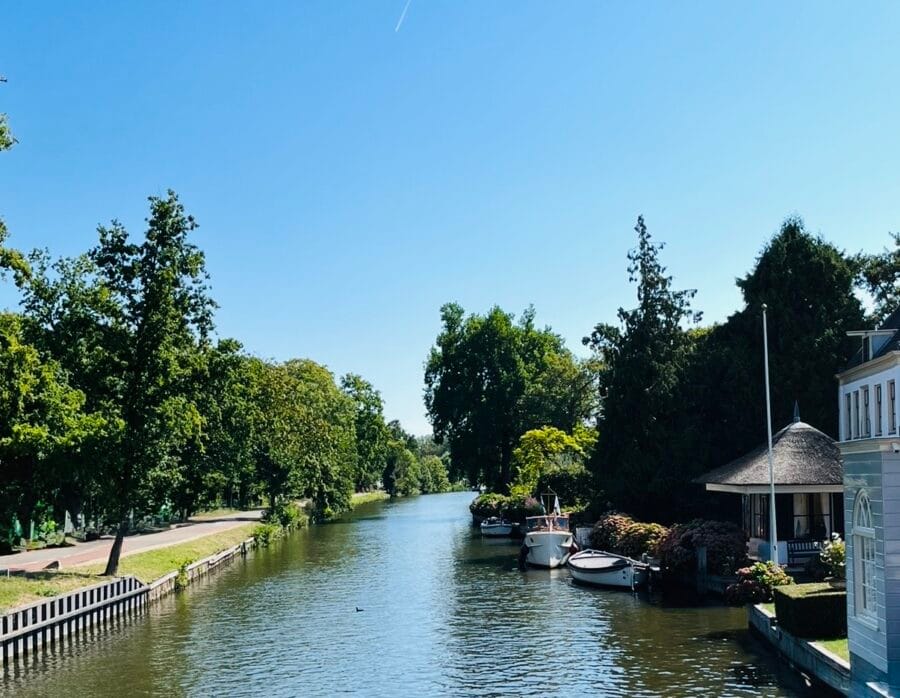
If you want a city break without Amsterdam’s crowds: try Utrecht. It has canals, historic buildings, cafés and a lively atmosphere, but on a much smaller scale. Its canals are particularly lovely, with old wharves and waterside cellars that give the city a character of its own. I wouldn’t wait too long though because Utrecht is attracting more and more tourists. Delft and Leiden are quieter alternatives.
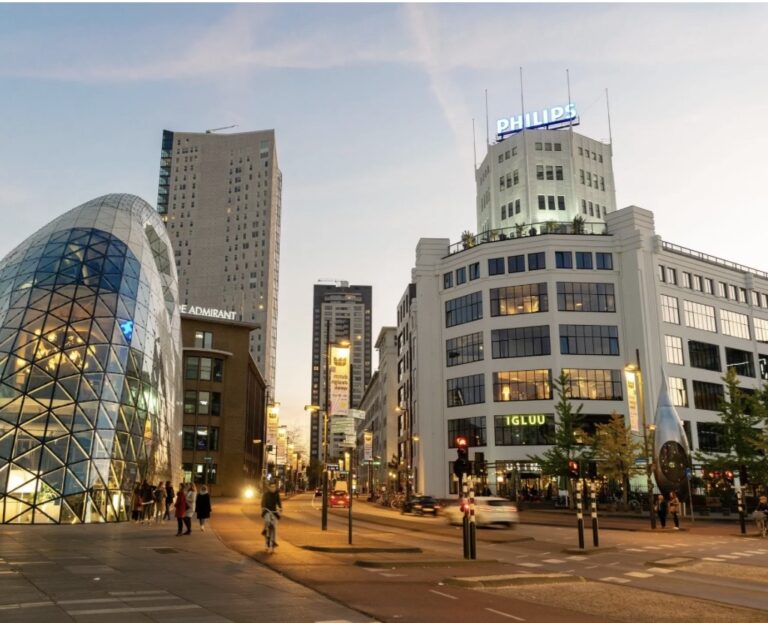
If you’re into design, architecture and technology: go to Eindhoven. Don’t come here looking for picturesque medieval streets. Eindhoven is all about design, innovation and its industrial past, and it has a very different feel from the historic Dutch cities.
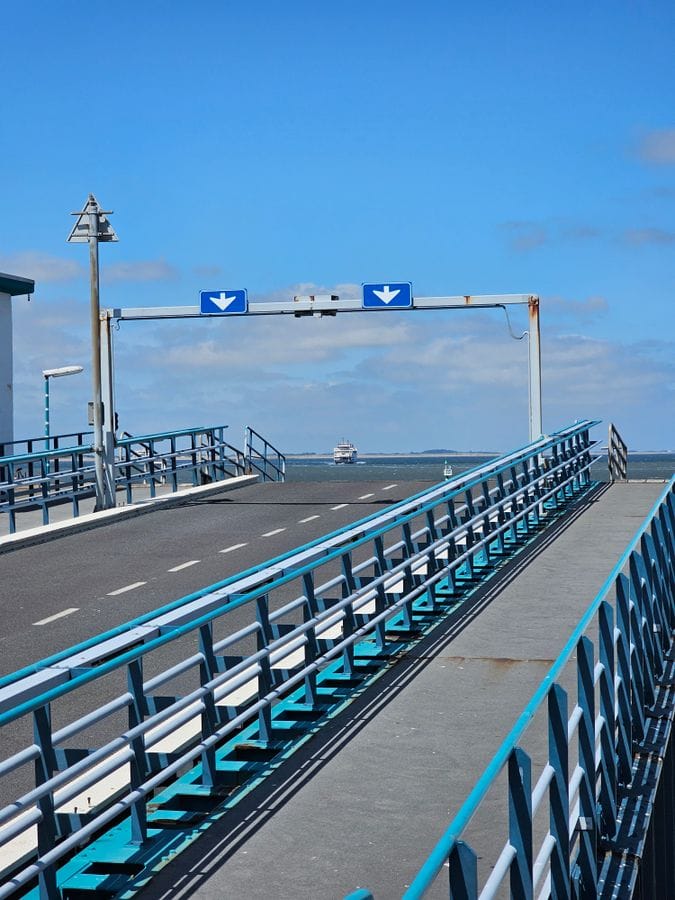
If you want beaches, dunes, nature and an island escape: take the ferry to one of the Waddeneilanden. They’re perfect for cycling, walking and doing very little at all. Each island has its own character, so you can pick the one that suits you best.
And these are only a few ideas. The Netherlands is small enough that you can combine several of them in one trip, and different parts of the country really do feel surprisingly different. So by all means, if you just want to see Amsterdam, visit Amsterdam. Just don’t fly home afterwards thinking you’ve seen the Netherlands.
Dutch weather: come prepared for absolutely anything
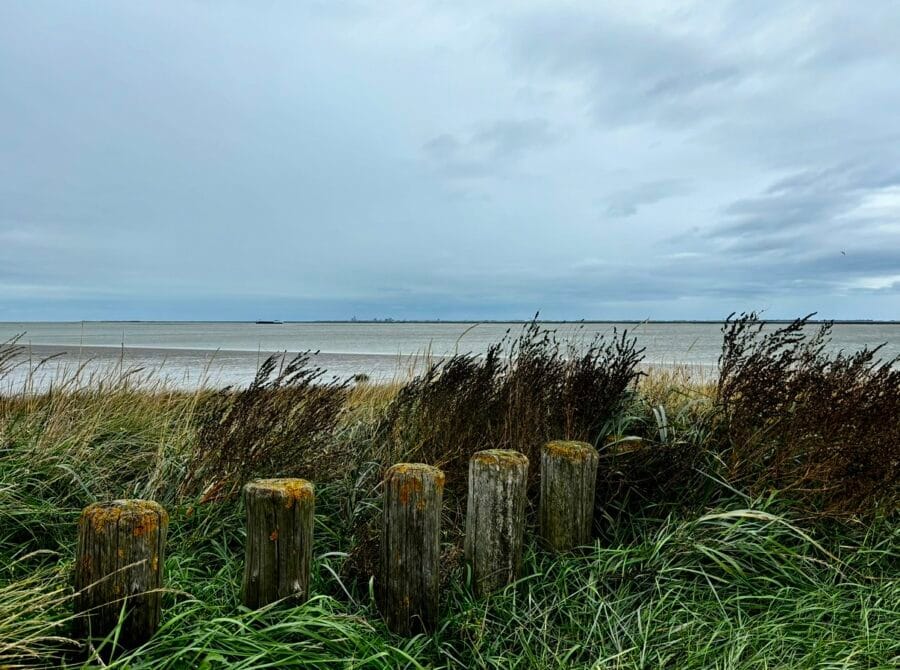
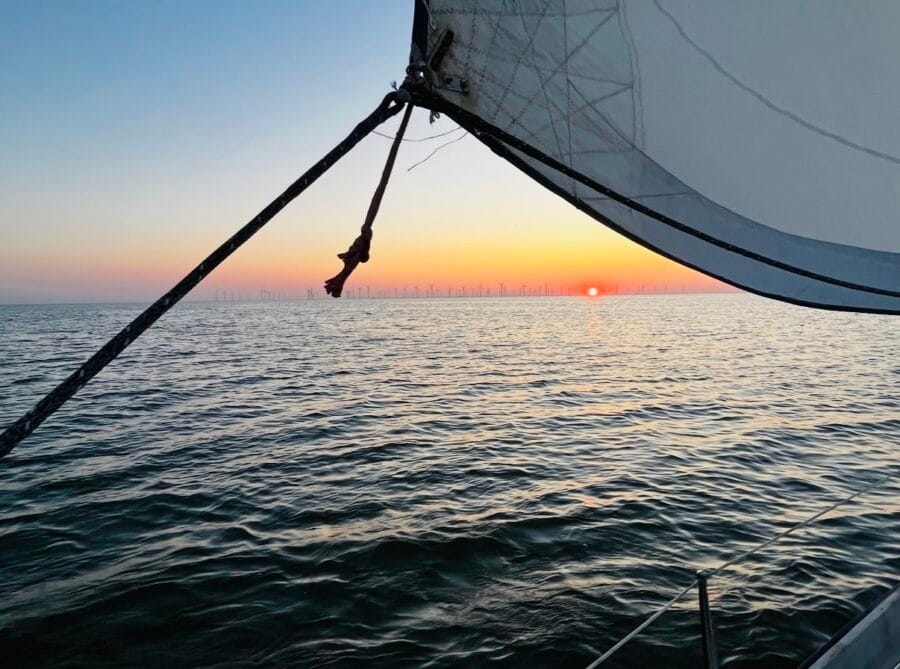
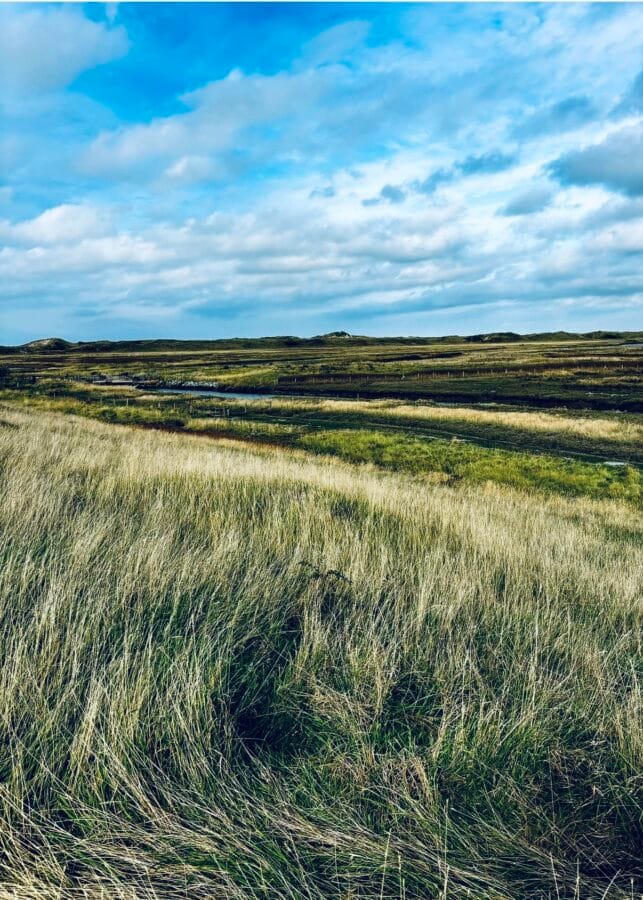
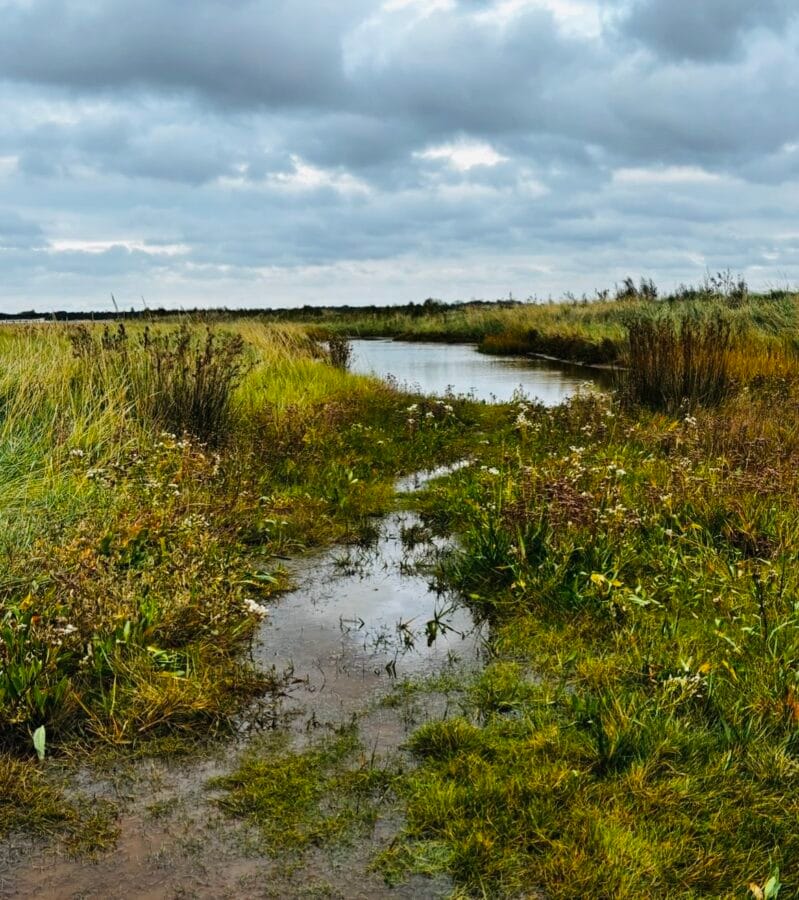
Dutch weather is notoriously unpredictable. It can be 38°C one day and 18°C the next, and while summers can bring long, warm days, winter can mean temperatures dropping to -15°C, with snow and ice. Not as much as when I was growing up and cycling over 30 kilometers to and from school, but it still happens. And then there is the daylight. In summer, the Netherlands gets roughly 16 hours of daylight. Around the shortest days of winter there are only about 8 hours between sunrise and sunset. Visiting the Netherlands in July can therefore feel like a completely different experience from visiting in December. You might have sunshine, rain, wind, frost or snow during your trip. Sometimes you’ll get several of them in the same day. Check the forecast shortly before you leave, dress in layers and bring a proper waterproof jacket. Even in summer.
If you do get to experience one of our famously miserable rainy days, here are thirty things you can do when it rains.
But there’s another important thing you need to know about Dutch weather: complaining about it is practically our national hobby. It’s too hot, too cold, too wet, too dry, too windy or not windy enough. We complain when it rains and complain when it hasn’t rained for weeks. We have Dutch people sitting outside in 15°C sunshine with a beer, declaring it a beautiful day. Or they may be complaining that 25°C is unbearably hot. Don’t take any of this too seriously. Sometimes we just don’t know what else to talk about.
We really do cycle everywhere
Yes, we really do. Cycling isn’t just something Dutch people do for exercise or because we’re trying to be environmentally friendly. It’s simply how we get around. Children cycle to school, adults cycle to work, people cycle to the supermarket, and you’ll see grandparents cycling with their grandchildren. You’ll also see mothers cycling with one child on the front, another on the back, heavy shopping bags hanging from the handlebars and somehow looking completely relaxed about it. Then there are the bakfietsen: those big cargo bikes that can transport several children, a week’s worth of shopping or, apparently, half a household. And these days, it’s not just traditional bicycles. Electric bikes are everywhere, and fatbikes (bikes looking like small motorcycles, basically) have become increasingly common too. So don’t assume that the cyclist you can hear coming up behind you is going to be moving at the leisurely pace you associate with a bicycle.
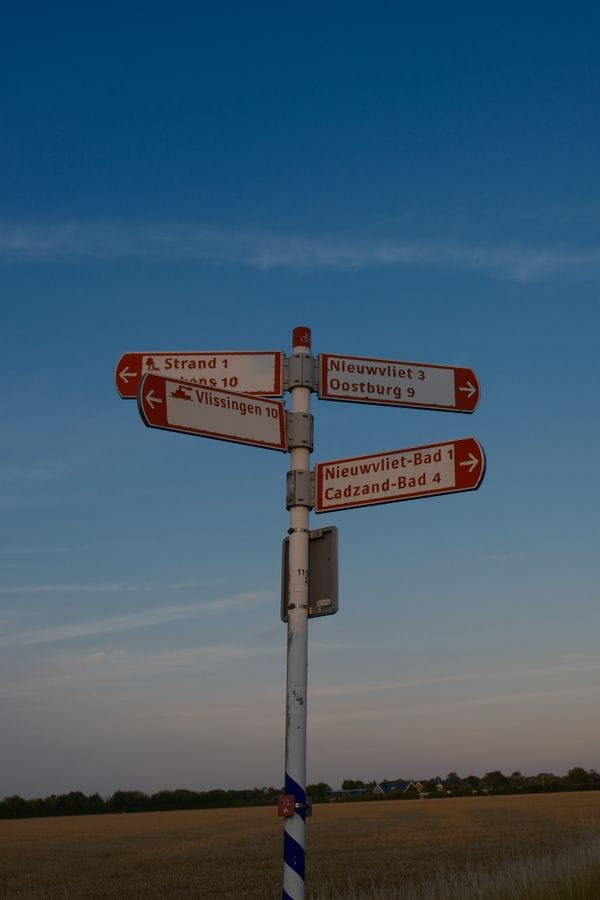
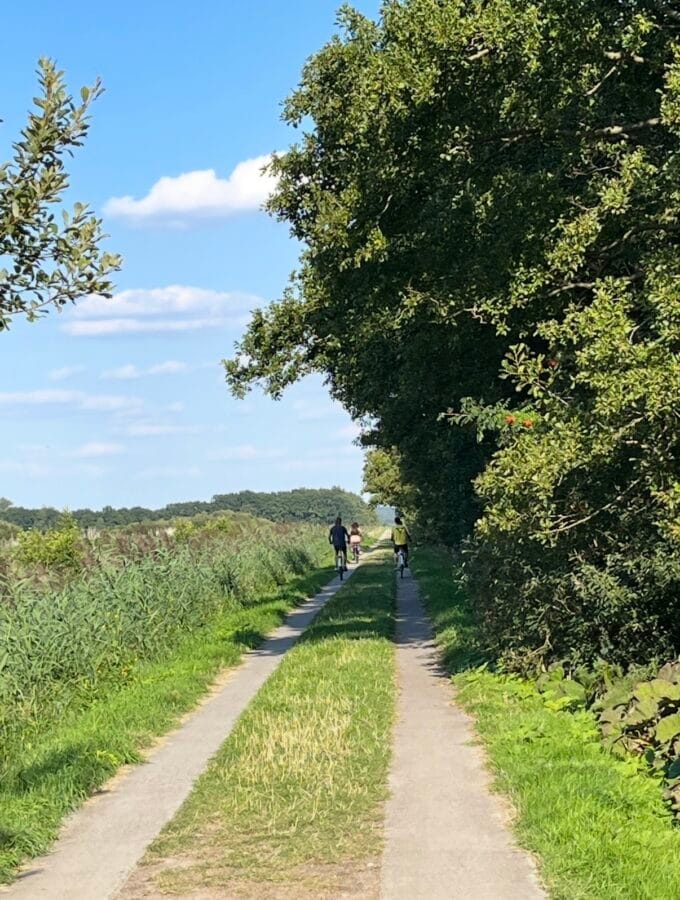
If you want to explore by bike, you’re in luck. The Netherlands has an enormous network of dedicated cycling paths. This includes routes that take you well beyond the cities and through countryside, forests, dunes and villages. You can easily plan a day trip or a much longer cycling tour without having to share most of your route with cars.
You don’t have to cycle when you visit the Netherlands, of course. Public transport is excellent and you can walk surprisingly far. But if you do rent a bike, remember that you’re joining a system that Dutch cyclists are very comfortable navigating. Stay in the cycle lane, keep to the right, don’t stop in the middle of it to take a photo, and pay attention to what is happening around you. And whatever you do, don’t casually wander into a cycle lane while looking at Google Maps. The cyclist coming towards you probably isn’t going to be impressed.
Oh, and one final piece of Dutch cycling wisdom. Whichever direction you cycle in, you will always be facing a headwind.
Dutch people are direct, we’re not being rude. Well, not deliberately.
Dutch people have a reputation for being direct. And I’m afraid we deserve it. If a Dutch person thinks your plan is a terrible idea, there’s a good chance they’ll tell you. If your new haircut doesn’t suit you, don’t necessarily expect your Dutch friend to politely tell you that you look lovely. We tend to value honesty over saving someone’s feelings, and what we consider perfectly normal conversation can come across as blunt to visitors. This also means that you don’t need to spend ages working your way into a conversation. Dutch small talk exists, but we’re generally quite happy to get to the point. A Dutch person asking you what you think of something probably genuinely wants to know what you think.
We’re also fairly relaxed about personal space. We don’t generally stand nose-to-nose when talking to someone, and we’re not particularly fond of unnecessary fuss or formality either. A friendly hoi is perfectly acceptable in many situations where other cultures might expect something more formal.
And then there’s Dutch practicality. We tend to favour straightforward solutions over ceremony. If something works, great. If it doesn’t, we’ll probably tell you and suggest what you should do instead. None of this means we’re unfriendly. In fact, once you get used to the directness, it can be rather refreshing. So don’t take offense if a Dutch person tells you exactly what they think. Smile and take it in the spirit in which it was intended. You’ll probably find that we’re a pretty friendly bunch underneath all that bluntness. And if all else fails, blame it on the weather. We Dutch love a good chat about that.
The Netherlands is easy to get around. Mostly.
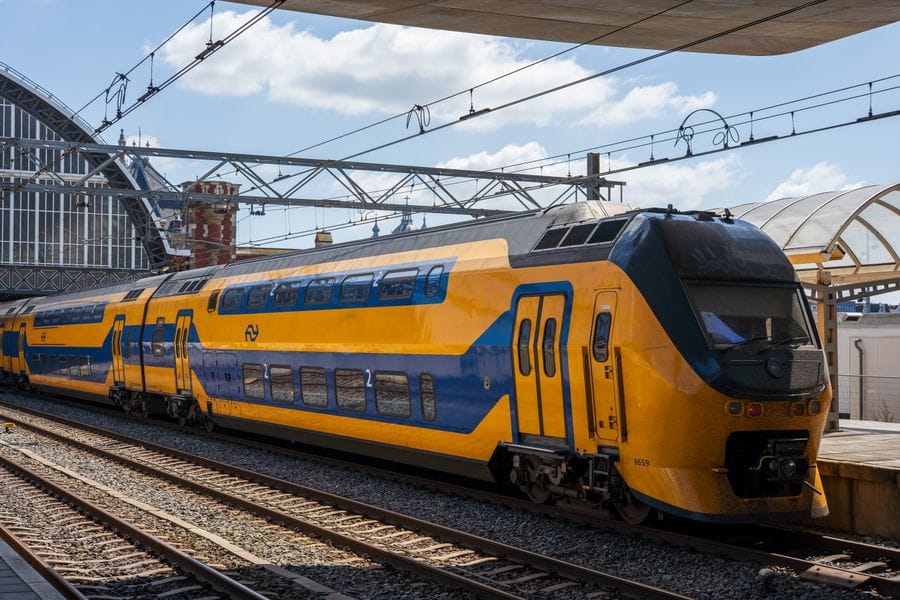
Trains, buses, bikes, walking, and the occasional Dutch railway meltdown. Seriously though, getting around the Netherlands is remarkably easy. The train network connects most cities and towns. Buses fill in the gaps, and cycling is often the quickest way to get around locally. You don’t need a car for most trips, and distances are short enough that getting from one part of the country to another rarely takes very long.
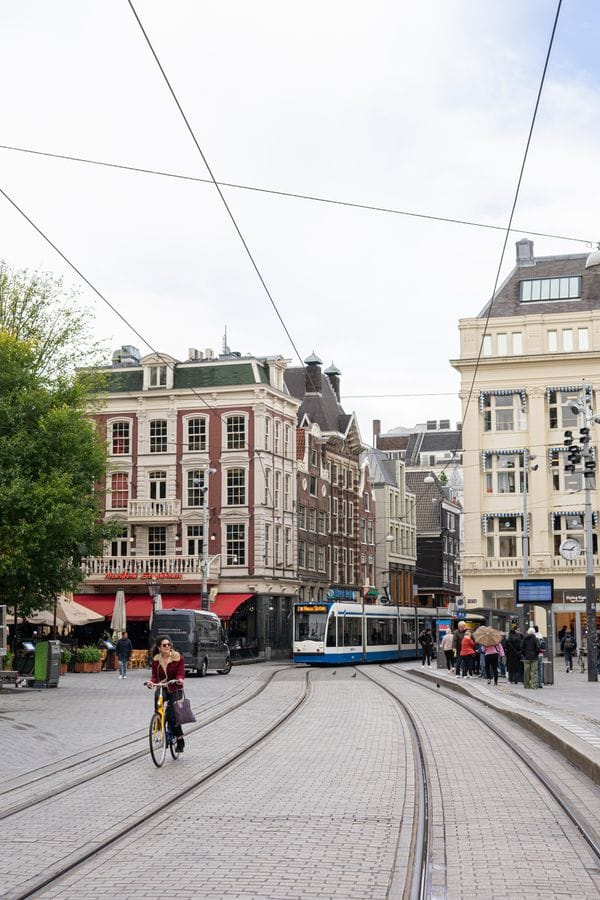
Public transport is also well integrated, so you can easily combine trains, buses, trams, metros and the occasional ferry. For public transport, download the 9292 app. It gives you door-to-door routes using trains, buses, trams, metros and ferries. This is ideal: you don’t need to work out which transport company operates which bit of your journey.
And here’s the really easy bit. You can use your contactless debit or credit card to check in and out on public transport. Just tap in when you start your journey and tap out when you arrive. No need to buy a separate ticket or figure out which ticket machine to use. The Netherlands is small, too, so you can get around surprisingly quickly. And if public transport isn’t your thing, there are always bikes. Lots and lots of bikes.
Dutch food: hotchpotch and the snack wall
There is a reason why you will find restaurants from all corners of the world in the Netherlands. From Thai to Mexican, from Greek to Chinese, from Italian to Korean, from steak to fish, from sushi to burgers. The reason is that the original Dutch kitchen isn’t exactly inspirational.
Think of what we call an AVG-tje: potatoes, vegetables and meat. Local delicacies (and I’m using that phrase loosely) include pea soup thick enough for your spoon to stand upright in, and all kinds of stamppot, or hotchpotch. This can be kale, sauerkraut, or onions and carrots, mashed together with potatoes and served with a questionable kind of sausage called rookworst and gravy. You will be hard-pressed to find a restaurant serving these dishes. Some restaurants in the big cities do offer them, though.
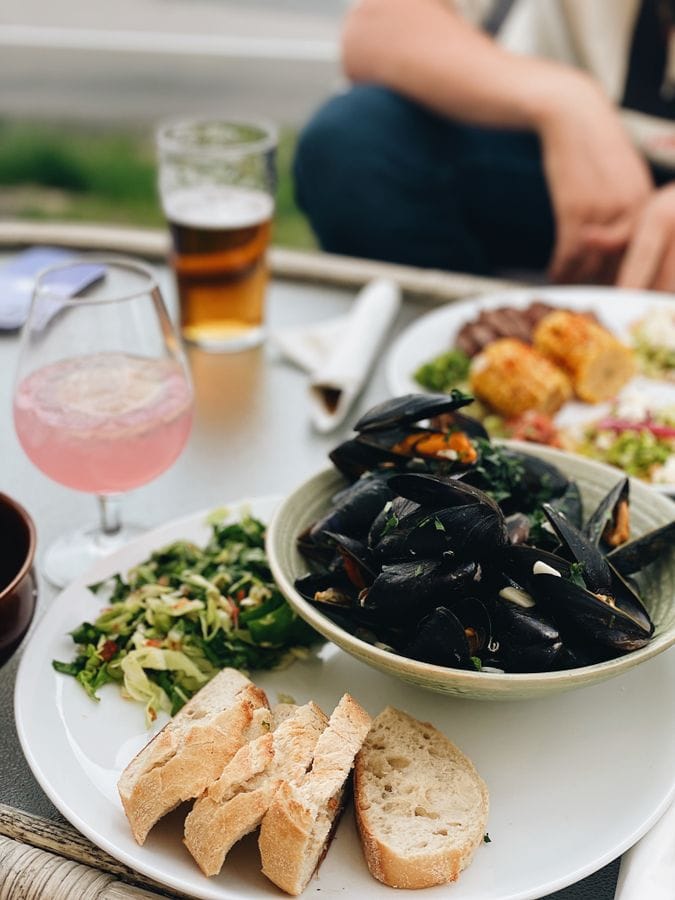
Even though traditional Dutch food may not sound all that exciting, we do make a mean steak and fries, and many bistros serve a kind of fusion food that is tasty and, generally, affordable. Then there are pancake restaurants, where you can order pancakes with all kinds of wild toppings and ingredients. Also, don’t forget mussels. Homegrown in the south of the country. Vegetarian and vegan restaurants are also easy to find, and most restaurants have vegetarian and vegan options.
One thing I do need to mention is the typical Dutch phenomenon of the snack wall. Yes, we have restaurants where you buy your food from a wall. No, I’m not making this up. The snack wall is exactly what it sounds like. It’s a wall filled with little heated compartments, each containing a hot Dutch snack. Put your money in, open the little door and take your kroket, frikandel, kaassoufflé or whatever deep-fried delicacy takes your fancy. It’s fast food, but with a distinctly Dutch approach to efficiency. No waiting for someone to bring your food to the table. Just walk up to the wall, pay, open a door and there it is. The most famous example is FEBO, but you’ll find snack walls elsewhere too. And yes, you should probably try one. When in the Netherlands, right?
And if all of this scares you, which I can imagine, don’t worry. The well-known global fast-food chains are everywhere too.
Some advice about strange Dutch phenomena
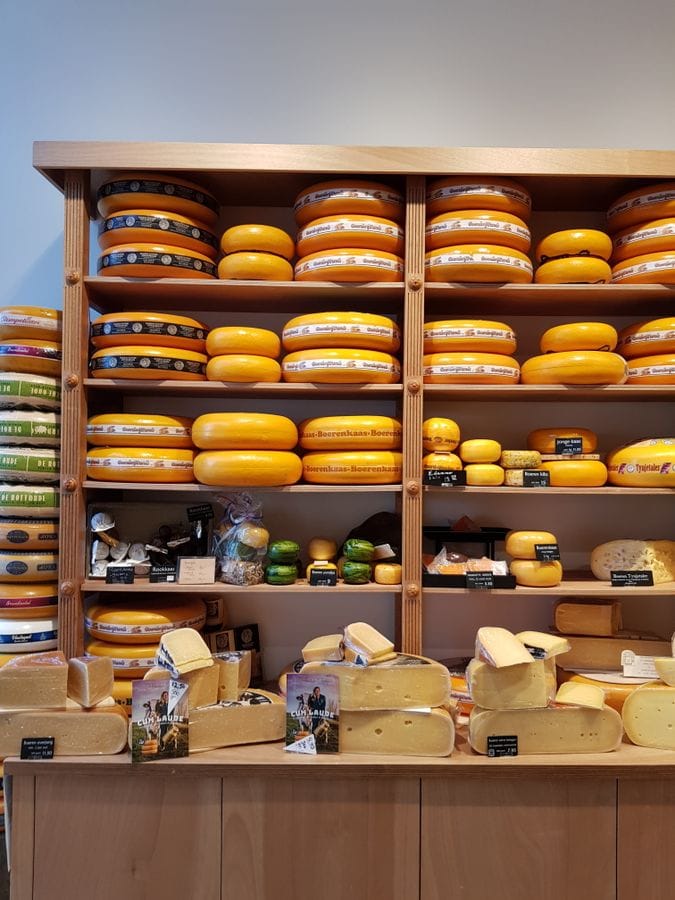
Even if you are prepared for the fact that we don’t all live in windmills, walk around on wooden shoes and eat our own weight in cheese (well, maybe we do), there are some things in the Netherlands that may come as a surprise to you. Let me talk you through some things you should be aware of – or maybe even beware of.
Beware of the bitterbal.
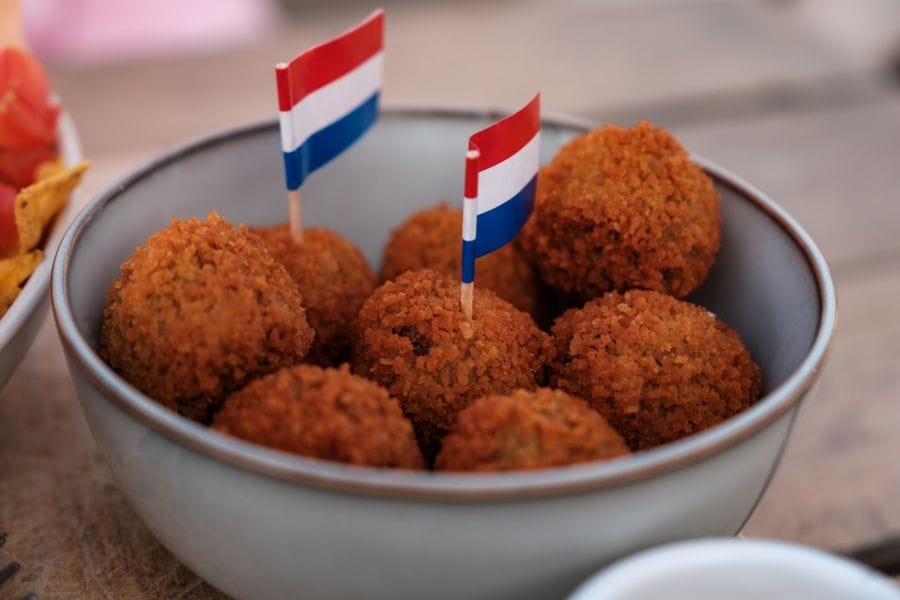
The bitterbal is a small, round, deep-fried Dutch snack with a crispy breadcrumb coating and a very hot, savoury filling of thick beef ragout. It’s traditionally served with mustard and is a staple of Dutch borrel culture, usually accompanied by a drink. And when I say hot, I mean really hot. The outside will be pleasantly crispy. The filling inside, however, is capable of removing several layers of skin from the roof of your mouth. Do not bite enthusiastically into a freshly fried bitterbal unless you enjoy pain. Wait. Cut it open. Blow on it. Then wait some more. You’ve been warned.
Beware of the Kringverjaardag
If you ever find yourself invited to a Dutch birthday party, you will witness a phenomenon that I haven’t come across anywhere else. It’s a kringverjaardag, and this is how it works: everyone sits on chairs in a circle. As more people arrive, the circle is widened until the entire room is filled with this circle of chairs. Tables are no longer within reach, so you will sit awkwardly with your drink in one hand and your cake in the other, trying not to spill everything onto the carpet. Whenever a new guest arrives, they are expected to go around the circle and congratulate everyone in it. You do this even if you’re just the neighbour from five doors down who barely knows whose birthday it is. Maybe this is why Dutch people tend to arrive early.
All the while, the person celebrating their birthday doesn’t get to talk to anyone. They are too busy serving coffee, cake and bitterballen.
Beware of the Dutch lunch
If you come from a country where lunch involves a hot meal, a salad, a sandwich with something exciting in it or, frankly, any sign that somebody has made an effort, Dutch lunch may come as a bit of a shock. The traditional Dutch lunch consists of bread. Usually two slices. On top of this you put cheese, ham, hagelslag (chocolate sprinkles) or some other cold topping. Then you eat it. That’s it. And don’t expect a Dutch person to apologise for this. We are perfectly happy eating essentially the same lunch every day. Some people have been doing this since primary school and see absolutely no reason to change. If you’re lucky, there may be a boiled egg. If someone has gone completely wild, perhaps a krentenbol or a bowl of soup.
And then there is the Dutch lunchbox: several slices of bread wrapped up and taken to work or school, ready to be eaten at your desk or in the staffroom. No elaborate lunch break required. It’s practical, inexpensive and completely unpretentious. Is it exciting? Not particularly.
To be fair, the younger generation has discovered bowls and salads, often involving things like lentils, quinoa, hummus and nuts. People who don’t want to say goodbye to the old traditions tend to call this grachtengordeleten. Literally, that’s “canal belt food” – a reference to the more affluent, progressive parts of Amsterdam. The term has since grown into a tongue-in-cheek description of a whole demographic and the food they supposedly eat. So if your Dutch colleague turns up with a quinoa bowl for lunch, you now know exactly what to call it. Or maybe don’t.
The traditional Dutch lunch isn’t going anywhere, though. Give us two slices of bread, a decent piece of cheese and a glass of milk and we’ll still tell you we’ve had a perfectly good lunch.
Beware of King’s Day
If you’re in the Netherlands on 27 April, you may suddenly wonder whether you’ve wandered into the wrong country. You haven’t. It’s King’s Day, and the Dutch have decided that the appropriate way to celebrate the King’s birthday is to dress almost everyone and everything in orange. There are street parties, live music, enormous flea markets, children selling things they no longer want, and enough beer to keep the entire country cheerful for the day. In the bigger cities, the canals fill with boats and people, and things can get very crowded indeed. Orange wigs, orange hats, orange sunglasses and orange clothing are all perfectly normal. Nobody looks particularly stylish. That isn’t the point.
One of the nicest traditions is the vrijmarkt, when anyone can set up a little stall and sell their unwanted possessions. Children get particularly enthusiastic about this and will happily spend hours selling old toys for fifty cents.
King’s Day is great fun, but if you’re visiting one of the major cities, plan ahead. Public transport can be extremely busy, accommodation gets booked well in advance and navigating a city full of orange-clad people is not always straightforward. Or just embrace it. Put on something orange, find a street party and join the Dutch in celebrating the King’s birthday. We promise not to judge your outfit.
A few practical questions you might want the answers to
Is the Netherlands expensive?
Let me put it this way: I don’t ever find other countries particularly pricey. That’s because the Netherlands is among the more expensive countries, even in Europe. It’s not expensive like Switzerland, where you set one foot across the border and magically your bank account is empty, but it’s certainly not cheap.
Accommodation, eating out and public transport can all add up, especially in Amsterdam and other popular destinations and during peak periods. That said, you don’t have to spend a fortune here. A supermarket lunch is perfectly acceptable, cafés don’t have to be fancy and there are plenty of perfectly decent places to eat that won’t require you to take out a second mortgage. Amsterdam is where you’ll notice the prices most, particularly when it comes to hotels. Outside the big tourist hotspots, things tend to be a little more reasonable. And since the Netherlands is small, staying somewhere slightly outside the centre doesn’t necessarily mean you’ve condemned yourself to an hour-long commute every time you want to see something.
So yes, the Netherlands can be expensive. But unless you insist on a five-star hotel, eating out for every meal and sitting on the most expensive terrace in Amsterdam, you don’t need a huge budget to have a good time.
Is the Netherlands safe?
Well, I’ve travelled everywhere on my own for over 40 years, so I would go with yes. That said, like in every other country in the world, you need to keep an eye on your surroundings, avoid obviously dodgy situations and use your common sense. The Netherlands is also perfectly safe to explore for women travelling solo. I regularly travel around the country by myself and use public transport without giving it a second thought. As always, though, ‘safe’ doesn’t mean ‘nothing can ever happen’. Keep your wits about you, take the usual precautions, and you’ll probably find that the Netherlands is a very easy country to travel around.
The biggest thing you’re likely to encounter is petty theft, particularly in busy tourist areas, on public transport and around major train stations. Keep an eye on your phone and wallet, don’t leave your bag unattended, and don’t make yourself an easy target. Pay special attention if you’re suddenly surrounded by a large group of people, sometimes including children. This can be a distraction technique used by pickpockets. While you’re trying to work out what’s going on, someone else may be trying to get into your bag or pockets. If a situation suddenly feels a bit too crowded or chaotic, step away and check that you still have your belongings.
Cycling is probably a bigger hazard than crime. Dutch cyclists can be surprisingly fearless, and they generally don’t appreciate tourists wandering into the cycle lane while admiring the scenery. Pay attention to the cycle paths, look both ways before crossing them, and don’t assume a bicycle will stop just because you are standing in its path.
You may also have heard about drug-related crime in the Netherlands. There is organised crime connected to the production and trafficking of drugs, and some of it can be violent. This is a genuine problem in the country, but it is largely a world away from the experience of the average visitor. Tourists are not generally wandering into drug wars or being targeted by organised crime gangs. As a visitor, the usual advice applies. Don’t get involved in anything illegal, don’t buy drugs on the street, and stay away from situations that clearly look dodgy.
Are drugs legal in the Netherlands?
Not exactly. This is one of those things the Netherlands is famous for, but the reality is a little more complicated. Cannabis is illegal, but its sale and use are tolerated under certain conditions, which is why you’ll find coffeeshops selling it. And no, a Dutch coffeeshop is not where you go for a cappuccino and a slice of apple pie. If you want coffee, find an actual café. Other recreational drugs remain illegal. So no, the Netherlands isn’t a place where “all drugs are legal”. The Dutch approach is considerably more complicated than the stereotype suggests.
Do I need cash in the Netherlands?
Generally, you can pay contactless, with debit cards and credit cards almost everywhere. Mastercard and Visa are widely accepted; American Express can be more difficult. ATMs are easy to find, although you certainly won’t need one often. In fact, there are places where cash is no longer accepted at all, including some public transport and smaller shops. So don’t worry about arriving with a wallet full of euros – your card will usually do just fine.
Do people speak English in the Netherlands?
Yes. In fact, you’ll find that English is spoken remarkably widely across the Netherlands. Most Dutch people will have no problem having a conversation with you. In tourist areas, hotels, restaurants and shops, you can generally expect to be able to get by without speaking a word of Dutch.
And sometimes even speaking Dutch won’t get you anywhere. The Netherlands is an international country, and particularly in hospitality and retail, you may well find that the person serving you is from another country and doesn’t speak Dutch either. English is often the common language. Don’t be surprised if someone switches to English before you’ve even finished saying “Goedemorgen”. We Dutch are very good at hearing an accent and deciding that we’d be doing you a favour by practising our English! You don’t need to learn Dutch to visit the Netherlands, but a few words such as hallo, dank je wel and alsjeblieft are always appreciated.
What are the opening hours like?
Shops generally open around 09:30 or 10:00 and close around 18:00. Supermarkets usually open earlier and close later, and shops in bigger cities often do too. Most shops are open on Saturdays, but Sunday opening depends on where you are. In smaller towns, don’t assume everything will be open. Thursday is usually koopavond – shopping evening – when shops stay open until around 21:00. Handy if you’ve spent the day sightseeing and suddenly realise you forgot to buy something.
Restaurants tend to have set lunch and dinner hours, with a break in between, so don’t expect a full restaurant menu at 15:00. Museums and attractions have their own opening hours, and many museums are closed on Mondays. Check before you go rather than turning up and finding the doors firmly shut.
What voltage and plugs are used?
We use the standard European two-pin plugs (Type C and F) and the electricity supply is 230V, 50Hz. If you’re coming from elsewhere in Europe, you’re probably fine. Coming from the UK, US, Canada or Australia? You’ll need a plug adapter. Check your devices too, as some countries use a different voltage.
What about tipping?
Tipping isn’t compulsory in the Netherlands, but it is appreciated if you’ve had good service. In restaurants, rounding up the bill or leaving around 5–10% is perfectly fine. You don’t need to tip everyone who hands you a coffee, carries your suitcase or does their actual job, though. We’re Dutch. We like to keep things sensible.
Do I need to book attractions in advance?
Sometimes. For the really popular museums and attractions, particularly in Amsterdam, booking a time slot in advance is often a very good idea. Some places won’t let you in without one. For smaller museums and attractions, you can often just turn up and buy a ticket. Outside the busiest tourist season, you’ll have more flexibility. My advice? Check the attraction’s website before you go. If you can book a timed ticket, I’d do it for the popular places. It saves you standing in a queue only to discover that the next available entry time is three hours away.
Can I self-drive in the Netherlands?
Yes, absolutely. The Netherlands is easy to explore by car, and once you’re out of the cities, driving is generally straightforward. It’s particularly useful if you want to explore smaller towns, villages and places that aren’t well connected by public transport.
Driving itself can take some getting used to. There are cyclists everywhere, motorways can get very busy, and Dutch drivers aren’t always known for their patience. If you rent a car and don’t know how to drive a manual, make sure you specifically ask for an automatic. Manual cars are still very common here, so don’t assume you’ll get an automatic unless you book one. In the cities, I’d seriously consider leaving the car at your hotel and using public transport instead. Parking can be expensive, parking space difficult to find, streets can be narrow and confusing, and you’ll need to keep a very close eye out for cyclists and pedestrians crossing roads without even looking in your direction.
And please take the traffic rules seriously. Speed limits are enforced, there are plenty of speed cameras, and traffic fines can be eye-wateringly expensive. Running a red light or putting your foot down because you think nobody is watching can turn into a very expensive souvenir.
Planning a Trip to the Netherlands?
Come back everyone once in a while as I publish new stories and tips
Christmas in the Netherlands: festive events that don’t pack up and leave on December 27th
Think Christmas in the Netherlands is over on 27 December? Think again! From underground Christmas markets and Winter Efteling to illuminated palaces and tropical gardens, these six winter events continue well beyond Christmas. Plus, a little Belgian bonus in Bruges.
Dark, wet and miserable? Things to do in the Netherlands on a rainy day
Dutch winter isn’t always picturesque canals and cosy cafés. Sometimes it’s just cold, grey and raining. Here are 30 ideas for things to do in the Netherlands when the weather refuses to cooperate.
Eindhoven: not much to do, plenty to see.
Eindhoven isn’t the prettiest city in the Netherlands, but there’s plenty to do. Discover its museums, former Philips buildings, international restaurants, shopping, annual events and nearby countryside in this guide, written by someone who’s lived there almost all her life.
Escaping the doom and gloom of Dutch winter: 6 light festivals to brighten your days
Dutch winters are dark, grey and often rather wet. Luckily, there are plenty of ways to brighten things up! Discover six Dutch light festivals worth visiting in winter 2026–2027, from spectacular city-centre displays to illuminated historic villages.
Going to a Harry Styles concert with my adult daughter: practical tips, crowd survival and unexpected feelings
From ticket-buying battles and concert etiquette to earplugs and exceptionally well-dressed giraffes, here’s what I learned from going to a Harry Styles concert with my adult daughter.