Indonesia travel guide: volcanoes, jungles and beaches
Is Indonesia a good destination for travellers who like their adventures with a bit more comfort?
Absolutely. But it helps to arrive with realistic expectations and a healthy respect for geography. One of the biggest mistakes people make when planning Indonesia is thinking of it as a single destination. It isn’t. Indonesia is an enormous archipelago made up of thousands of islands, and some of them feel as though they belong in completely different countries.
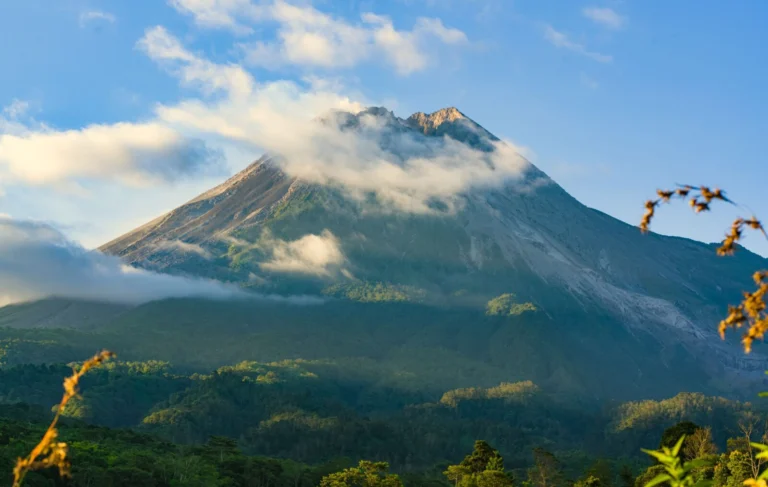
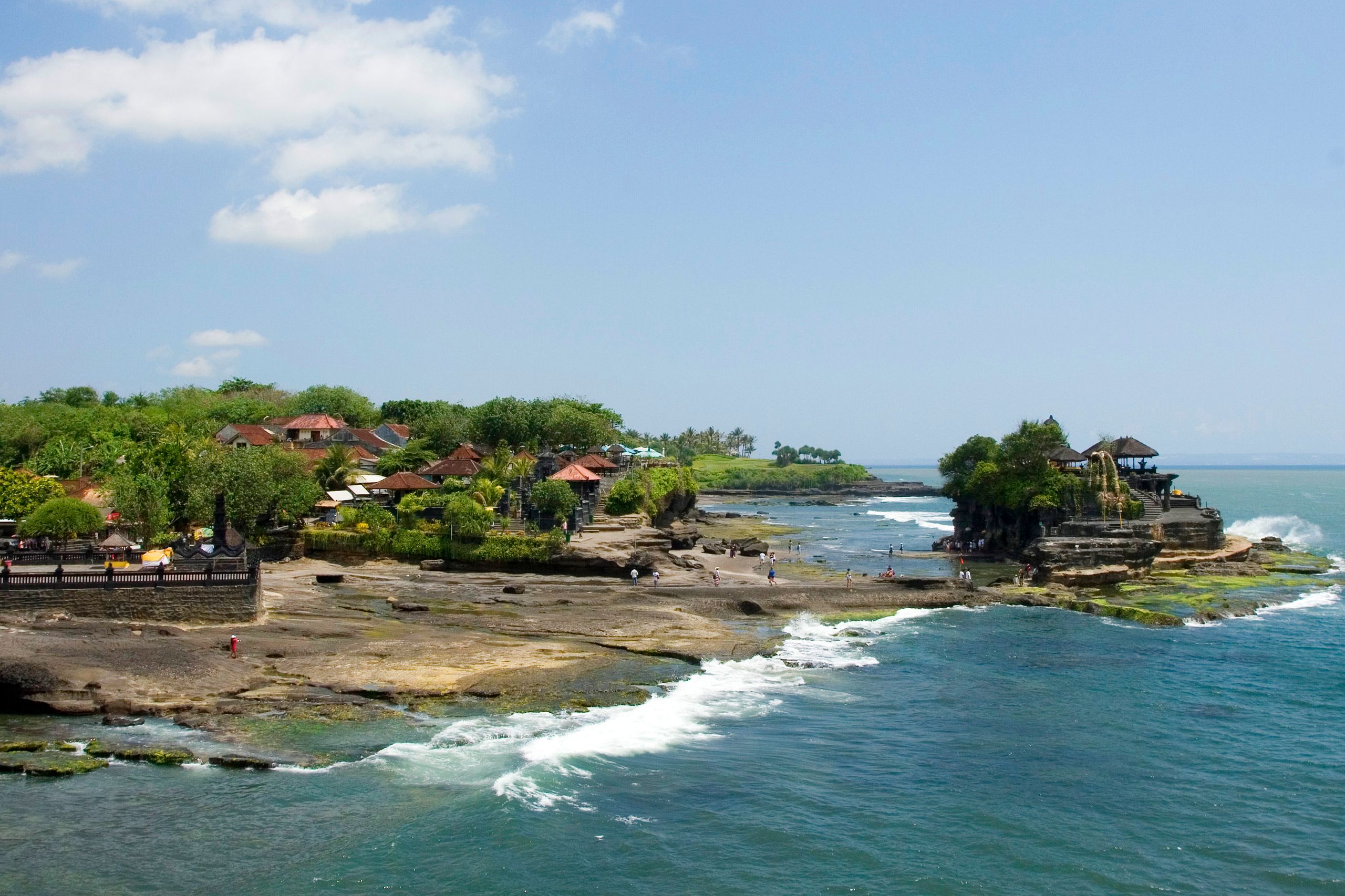
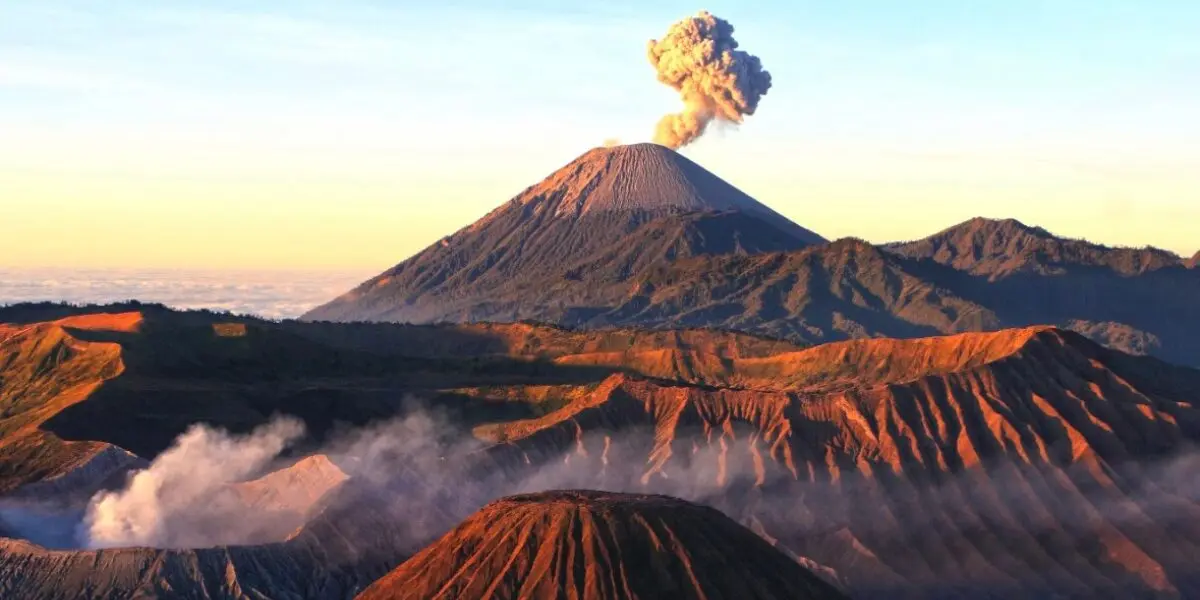
Sumatra is known for rainforest landscapes and wildlife. Java brings major cultural sights, volcanoes and some of the country’s (and the world’s) most famous temples. Bali has beaches, temples and a tourism infrastructure that can make travel feel surprisingly easy. Then there are places like Lombok, Flores, Komodo and Sulawesi, each with their own distinct character. This variety is one of Indonesia’s greatest strengths. It is also why travelling here can feel more demanding than somewhere like Thailand or Singapore.
Indonesia is not difficult in the sense that you need exceptional fitness or specialist skills. At least, it doesn’t have to be if you take it easy on the volcanoes. What it requires is patience. Distances are longer than they look, transfer days have a habit of swallowing entire afternoons, and the country’s size only really becomes apparent when you start moving around it.
In my opinion, Indonesia often works best when you resist the temptation to see everything. Fewer destinations, longer stays and realistic pacing usually lead to a much more enjoyable trip than trying to squeeze half the archipelago into a single holiday.
Although I’m not entirely sure I followed my own advice when planning our own 24-day Indonesia itinerary.
Heat, humidity and pacing yourself
If Indonesia catches you out, it is likely to be through energy rather than difficulty.
The heat can be draining, the humidity can be wearing, and what looks perfectly manageable on a map can feel rather more ambitious by mid-afternoon when you are hot, sticky and wondering why you thought a “quick wander” sounded so harmless.
That does not make Indonesia unsuitable for travellers who prefer not to come home exhausted. It just means pacing matters. Start early when you can, build in breaks, and do not feel obliged to turn every day into a grand expedition. Some mornings are for temples, markets or wildlife. Some afternoons are for shade, a cold drink and thanking past-you for booking somewhere with a pool and decent air-conditioning.
The more you move between places, the more the heat, humidity and travel days can wear you down. Indonesia tends to reward travellers who leave a little breathing room between the exciting bits.
Getting around Indonesia: distances, ferries, flights and patience
One of the biggest things to understand before travelling to Indonesia is that getting around can be more tiring than the itinerary makes it look.
This is not because it is impossible. It is because Indonesia is vast, spread across many islands, and stitched together by flights, ferries, road journeys and a fair bit of logistical optimism. Indonesia’s official tourism material presents the country as a wide-ranging, multi-region destination, which tells you something in itself.
The real trick is to be careful with transition days. A flight between islands is never just the flight. It is packing, checking out, getting to the airport, waiting around, landing, sorting the next transfer and discovering that most of the day has quietly wandered off without you.
Indonesia can absolutely be done comfortably, but comfort often comes from choosing your route wisely rather than assuming every move will be quick and simple. Think in terms of a few good bases, not a frantic dash from one highlight to the next.
Comfort, health and general practicalities
Indonesia can be very comfortable, but comfort varies a lot depending on where you go.
In Bali and the more established parts of Java, it is easy to find lovely hotels, villas, boutique stays and guided experiences. In more rural areas or remote islands, things can feel simpler, less polished or just a little more improvised. That is not a problem unless you arrive expecting everything to feel equally smooth.
This is also one of those destinations where a bit of health planning is worth doing before you go. Current official travel advice recommends checking vaccine guidance for your route and making sure your travel insurance actually covers the sort of trip you are taking.
In other words, this is not the moment for flimsy insurance and vague optimism. Indonesia is glorious, but it is still a long way from home. If you want to know all the things I worried about and researched extensively, read my post about imaginary travel disasters. Apart from all the worrying, I also did some actual, albeit slightly unhinged preparation. Read about it in How not to lose your phone in a volcano.
Culture, dress and respectful behaviour
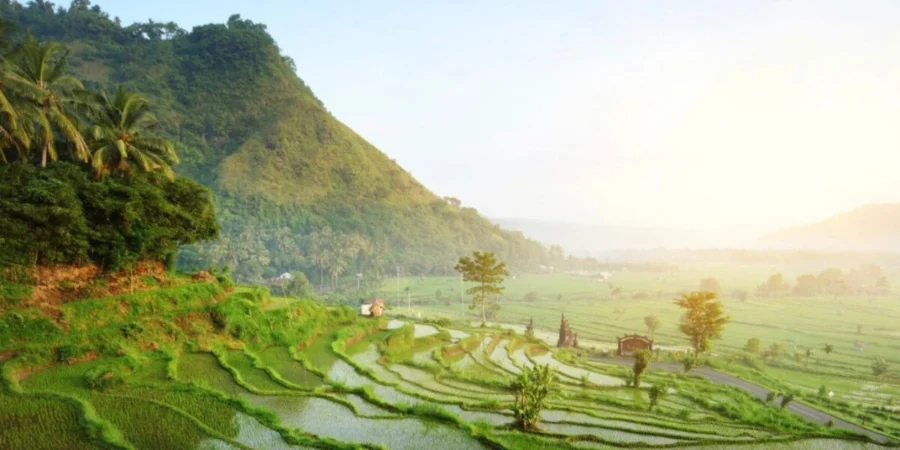
One thing worth remembering is that Indonesia is wonderfully varied, and Bali is not the template for the whole country.
Indonesia is majority Muslim overall, while Bali is notably Hindu-majority, which means customs and expectations can feel a little different from one island to the next.
In practice, this usually just means using a little cultural common sense. Outside Bali and resort areas, it often makes sense to dress a bit more modestly, especially in smaller towns, villages or places of worship. Covering shoulders and knees in more traditional areas is sensible, and very beachy outfits are usually best left for the beach.
Behaviour-wise, the same rule applies: read the room. Keep public displays of affection fairly low-key, ask before photographing people, and be respectful in temples, mosques and other religious sites. Indonesian tourism guidance for places of worship also stresses modest dress and respectful behaviour, which is not exactly shocking news, but it is useful to keep in mind.
None of this is difficult. It is simply part of travelling well and remembering that not every island runs on Bali rules.
Healthy travel behaviour
A few sensible habits go a long way in Indonesia.
Drink bottled or properly filtered water unless you know the local supply is safe or you like to live dangerously. Be a little cautious with food that has been sitting out in the heat, favour places with good turnover, and do not underestimate the combined powers of sun, humidity and dehydration. Mosquito repellent is worth having, and so is the occasional strategic retreat into shade.
It is also wise to admire wildlife from a respectful distance rather than trying to turn every animal encounter into a photo opportunity. Indonesia offers some extraordinary nature experiences, and they tend to stay more extraordinary when everyone keeps their hands to themselves.
In short: drink water, trust shade, use repellent, and do not let holiday brain take over from common sense.
Costs and budgeting
Indonesia can work very well for travellers of all types because it offers range.
You can travel fairly simply, but you can also choose more comfortable hotels, private drivers, guided excursions and domestic flights without necessarily tipping into eye-watering territory. That flexibility is one of Indonesia’s big strengths. You do not have to rough it to have an interesting trip.
The real question is less whether Indonesia is cheap and more what sort of trip you want. Adventure, comfort and convenience can all be arranged here, but not always in equal measure. For me, the sweet spot is a trip that still feels exciting without requiring the stamina of an Olympic hopeful and the spine of a twenty-something backpacker.
Is Indonesia safe for travellers?
Indonesia is not the sort of destination that should put you off, but it is one where a little awareness goes a long way.
For most travellers, the bigger risks are the everyday ones: traffic, uneven pavements, long transfer days, heat, stomach upsets (the dreaded Bali belly) and simply trying to do too much. Transport is one area where it pays to be sensible. If your trip involves boats or ferries, it is worth choosing reputable operators and keeping an eye on weather conditions, as ferry accidents do happen. We avoided boat tours as much as we could and definitely didn’t book any night-time ferries.
Terrorism is also something travellers should be aware of. Official travel advisories continue to treat it as a background risk in Indonesia, including in places popular with visitors. That does not mean most trips feel tense or unsafe, but it does mean it is wise to stay alert in crowded places, major tourist areas and transport hubs, in the same way you would in many parts of the world.
Overall, Indonesia feels far more manageable than intimidating. Travel with decent insurance, keep your wits about you, and do not confuse optimism with a transport strategy.
When Indonesia might not be for you
Indonesia may be less suitable if you strongly dislike heat, get worn down easily by long travel days, or prefer destinations where everything feels smooth, orderly and effortless.
It may also be a poor fit if you want one compact, easy-to-navigate trip with very little moving around. Indonesia is many things, but compact is not one of them. Even a well-planned itinerary can involve a fair bit of travel, and some parts of the country are definitely easier than others.
That said, if you are curious, adaptable and happy to travel at a measured pace, Indonesia can be hugely rewarding. It does not require youthful knees so much as patience, flexibility and the good sense not to cram too much into each day.
The verdict
Indonesia isn’t difficult to travel; it’s just much bigger than most people expect. It’s easy to build an itinerary that looks perfectly sensible until you discover that one ‘quick hop’ between islands has eaten an entire day. Resist the temptation to see everything. Choose fewer places, stay a little longer, and let the country unfold at its own pace.
You don’t need to squeeze every possible sight into a single trip. You can spend longer in one place, skip the things that don’t interest you, and save your energy for the experiences that really matter. Indonesia rewards that approach. Whether you’re watching orangutans in Sumatra, exploring temples in Java or simply sitting on a terrace listening to tropical rain hammer down outside, the country tends to reveal itself best when you stop trying to conquer it and allow yourself to experience it.
Latest Indonesia posts
-
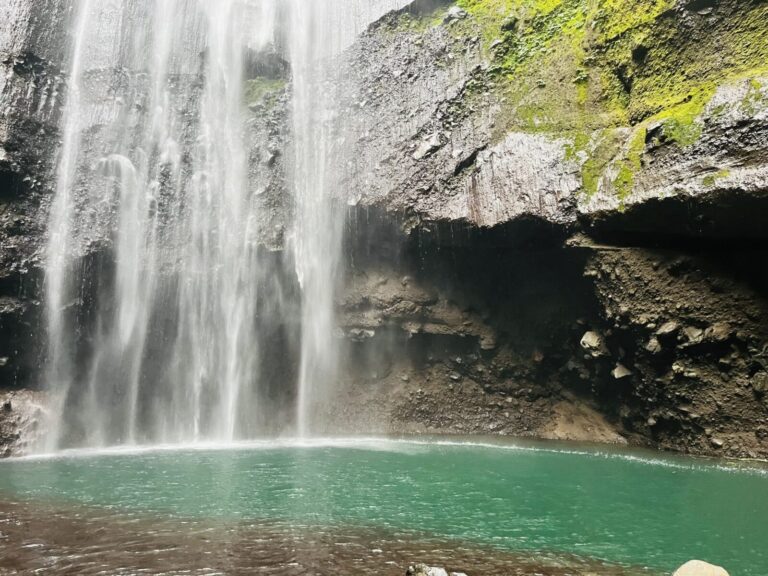
Can I really make it to the Madakaripura Waterfall, Java? River crossings, a motorcycle and ruined shoes
Madakaripura Waterfall is spectacular, but getting there is an adventure in itself. Here’s what to wear, what to expect and why I ended up sacrificing a pair of leather sandals to the river.
-
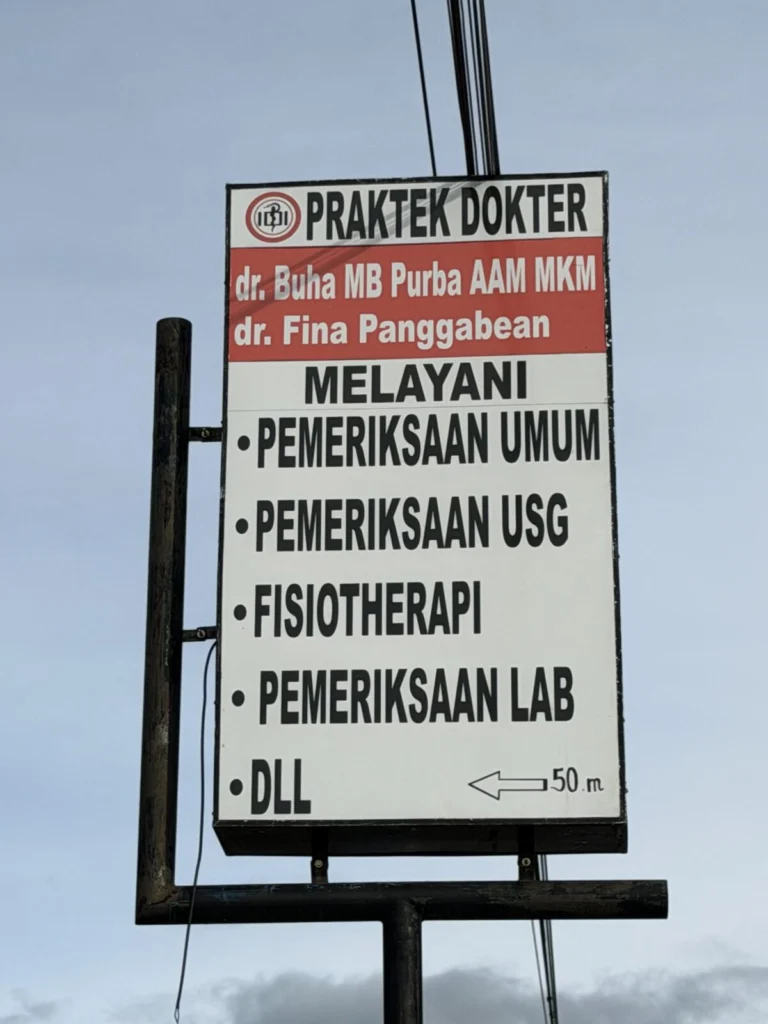
The Overthinker’s Scorecard: needing medical care in rural Indonesia
Getting sick in rural Indonesia wasn’t part of the plan. After developing a high fever and severe sore throat in Sumatra, I visited a small local clinic. What I found inside completely overturned my assumptions about healthcare in remote places.
-
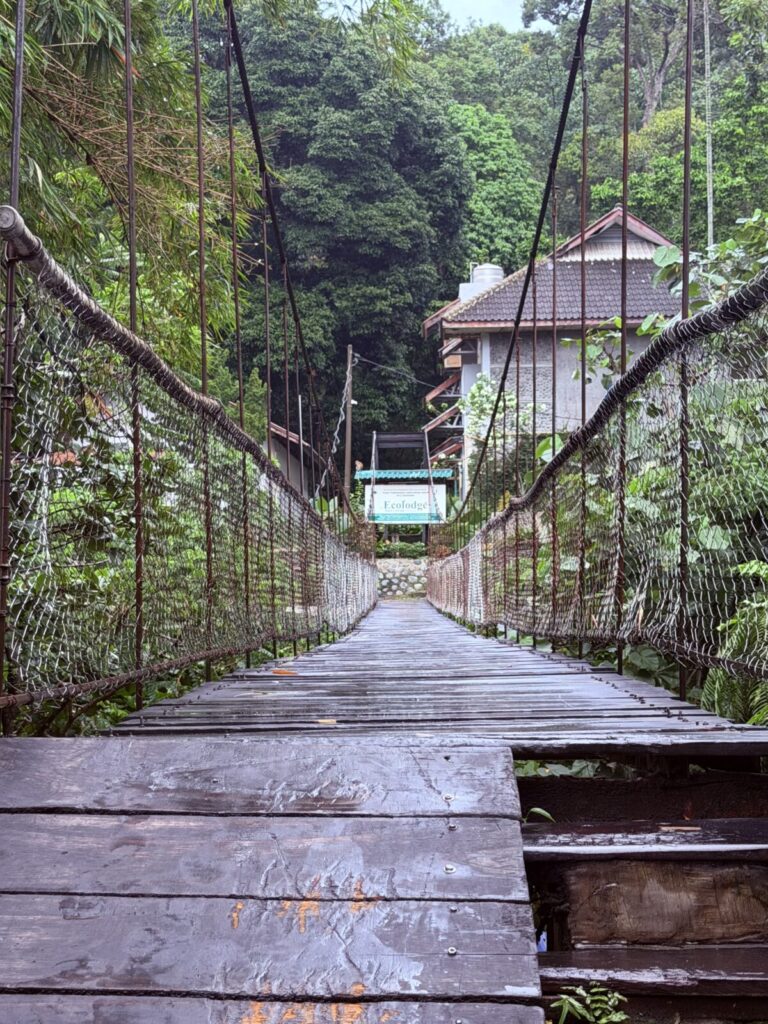
The Overthinker’s Scorecard: crossing the suspension bridges of Bukit Lawang
Before arriving in Bukit Lawang, I was convinced the suspension bridges would be one of the scariest parts of my trip. Four bridges, one motorbike encounter and plenty of wobbling later, here’s how they scored on the Overthinker’s Scorecard.
-
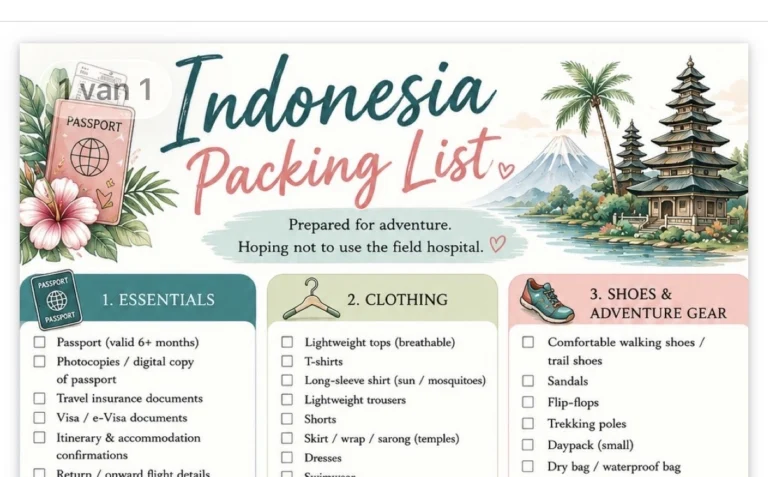
Packing for the tropics: somewhere between sensible and slightly unhinged
Packing for the tropics sounds simple until you’re staring at an open suitcase wondering how many tops, pairs of shoes and “just in case” items you really need. After several trips to hot and humid destinations, I’ve learned that packing less often makes travel easier. Here’s what earns a place in my suitcase—and what stays at home..
-
How not to lose your phone in a volcano: preparing for Indonesia
Preparing for Indonesia turned into a much bigger project than I’d expected. Between visas, travel insurance, a phone-loss-in-a-volcano recovery strategy and enough medication to open a small clinic, I may have gone just a little overboard.
-
A brief history of imaginary travel disasters: overthinking my way to Indonesia.
I love travelling. I also worry before travelling. Before heading to Indonesia, I made a list of everything currently causing mild concern, unnecessary overthinking and occasional pre-trip panic, along with the solutions I’ve come up with so far. Some are practical. Some are psychological. Several involve DEET.