Only one day in Kraków? This is how we spent it
It is frankly a miracle we even reached Kraków, given the fact that this was the trip where I forgot my passport and crossed two international borders into Poland anyway.
By the time we arrived, everyone in the car was slightly emotionally depleted. I was still quietly convinced that I might be arrested at any moment for accidental international illegality. Meanwhile my son, a very good but still fairly inexperienced driver, had just navigated several enormous Polish roundabouts, dense city traffic and pedestrians who seemed completely relaxed about walking directly into traffic. He handled it brilliantly. He was also visibly stressed.
Fortunately, Kraków turned out to be exactly the kind of city that encourages you to exhale a little once you arrive.
We only had one full day in Kraków. This meant accepting very quickly that we were not going to see absolutely everything. Instead of trying to sprint between museums, churches and attractions until our feet gave up entirely, we focused on seeing the city at a pace that still allowed us to enjoy it.
Start in the Main Square and let yourself recover slightly
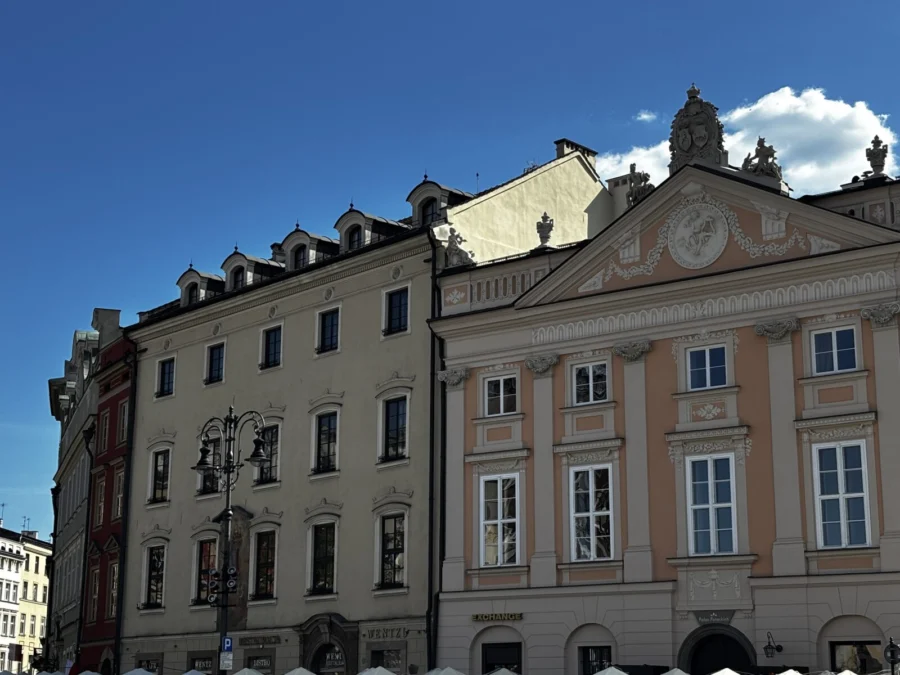
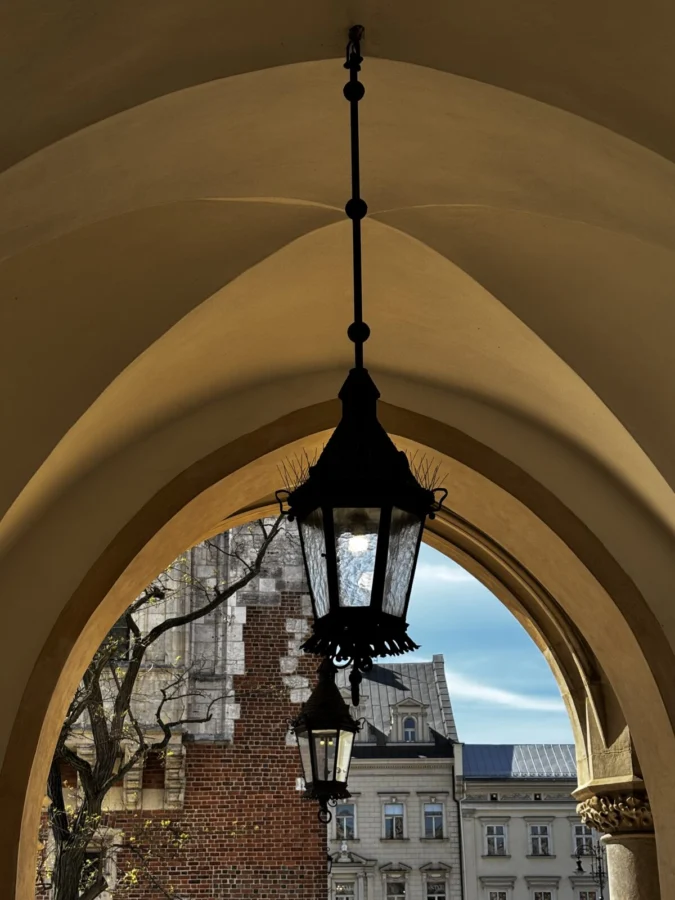
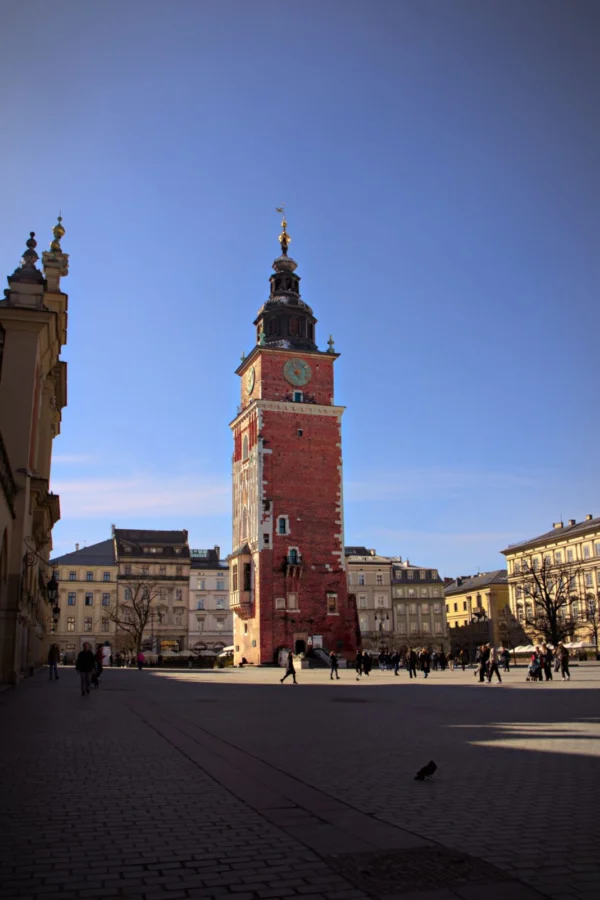
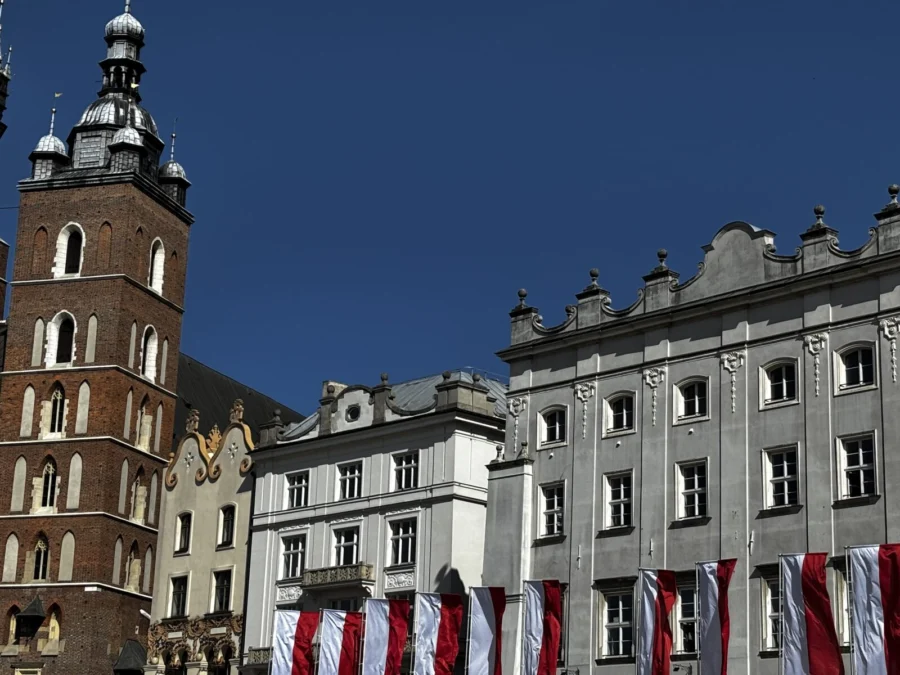
Our first stop was Rynek Główny, Kraków’s enormous medieval main square. Here, we immediately did the sensible thing and sat down with coffee and pie. After several hours in the car and an arrival involving low-level traffic-induced psychological warfare, the square felt almost absurdly calm. People drifted past outdoor cafés, horses clattered over the cobbles, and the city somehow managed to feel lively without feeling frantic.
This was also the moment where it became clear that Kraków rewards slower travel far more than aggressive itinerary management. You could easily spend half a day in the square alone simply watching the city happen around you. But did we have time for that? No.
Take a walking tour early
One of the best decisions we made was booking a walking tour almost immediately after arriving. We booked one of Kraków’s “free” walking tours with Walkative – “free” here meaning “you pay what you think it was worth rather than handing over your credit card in advance.” We paid 400 złoty for the five of us at the end. That is probably towards the generous end, but the tour was excellent and we all felt it was money very well spent.
Our guide accepted both cash and cards at the end. This was helpful because many people no longer travel with large amounts of cash. If the “pay what you think it’s worth” system feels awkward, there are also lots of standard pre-booked tours with fixed prices. Either way, though, a good guide is absolutely worth tipping.
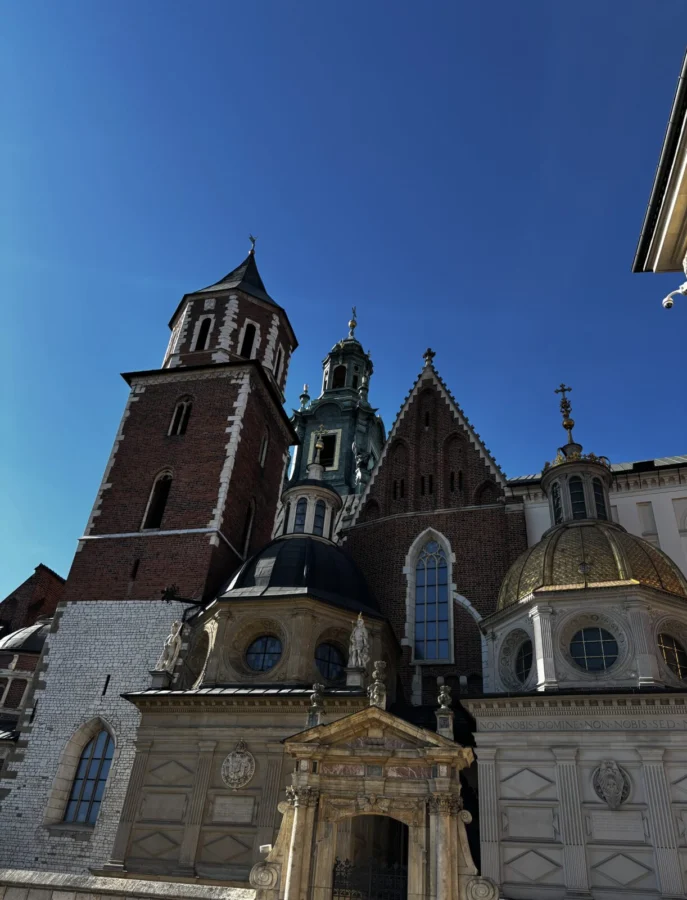
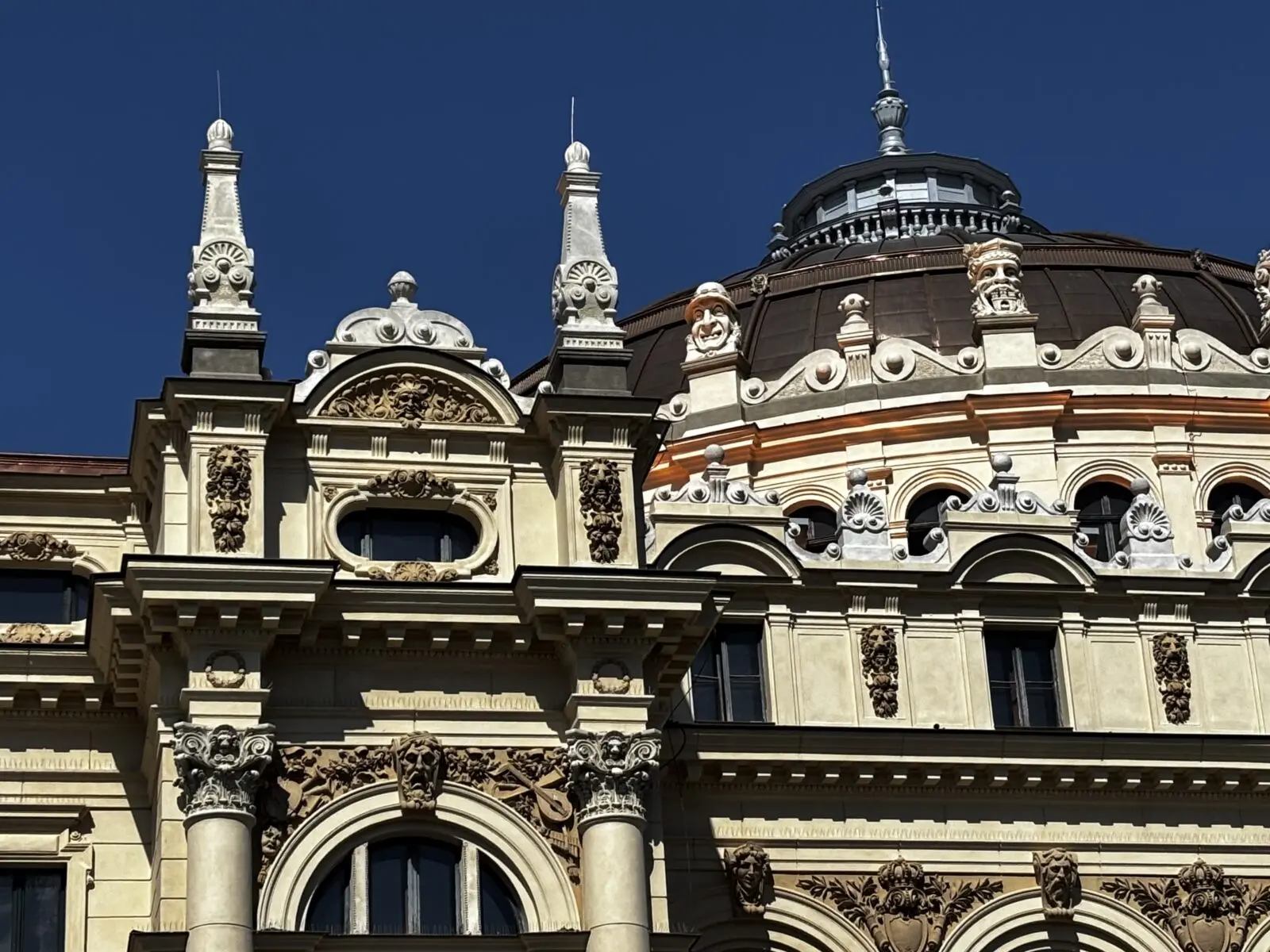
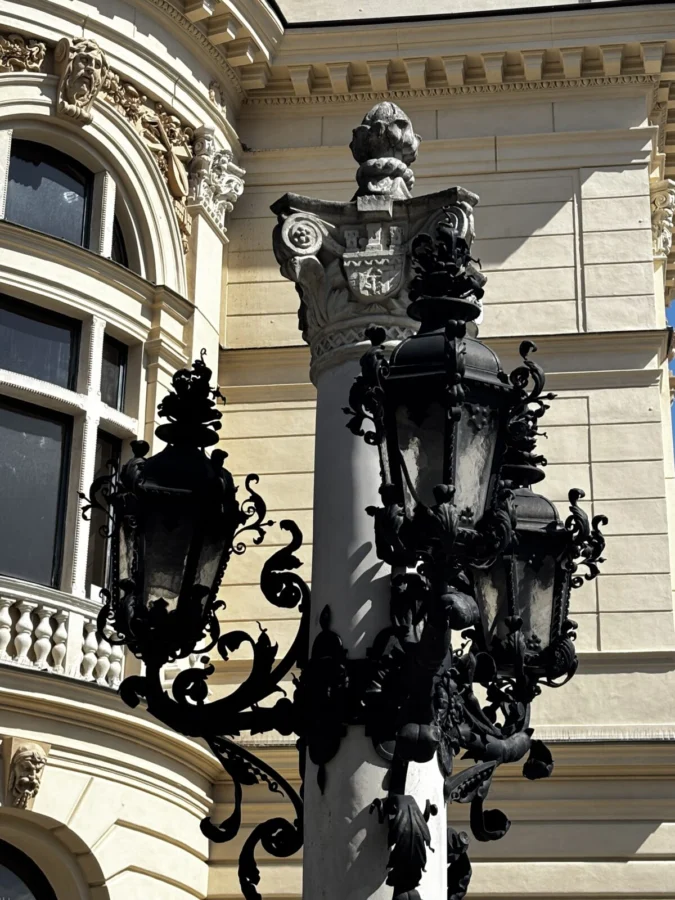
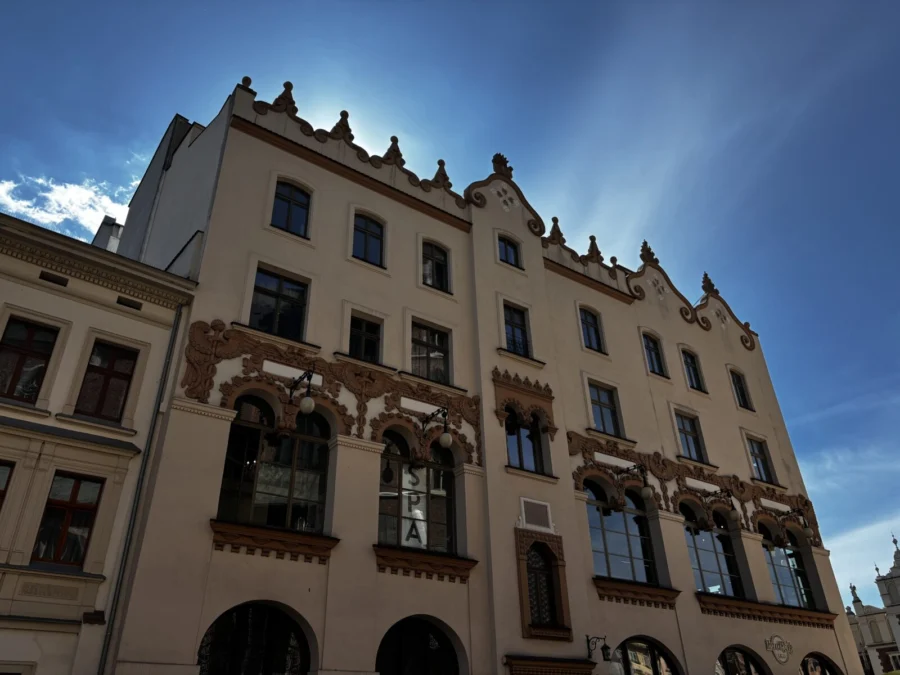
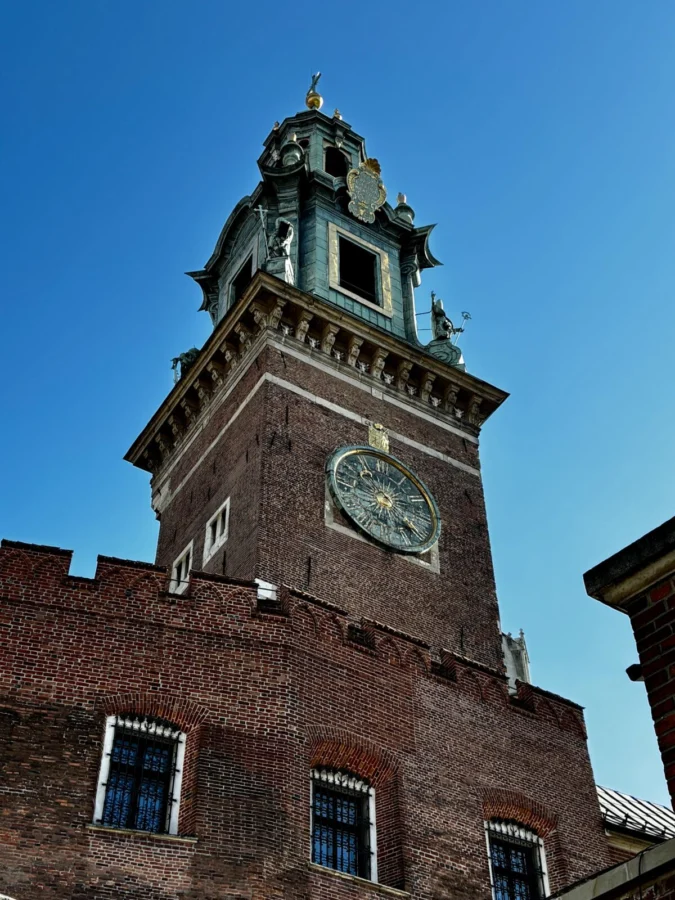
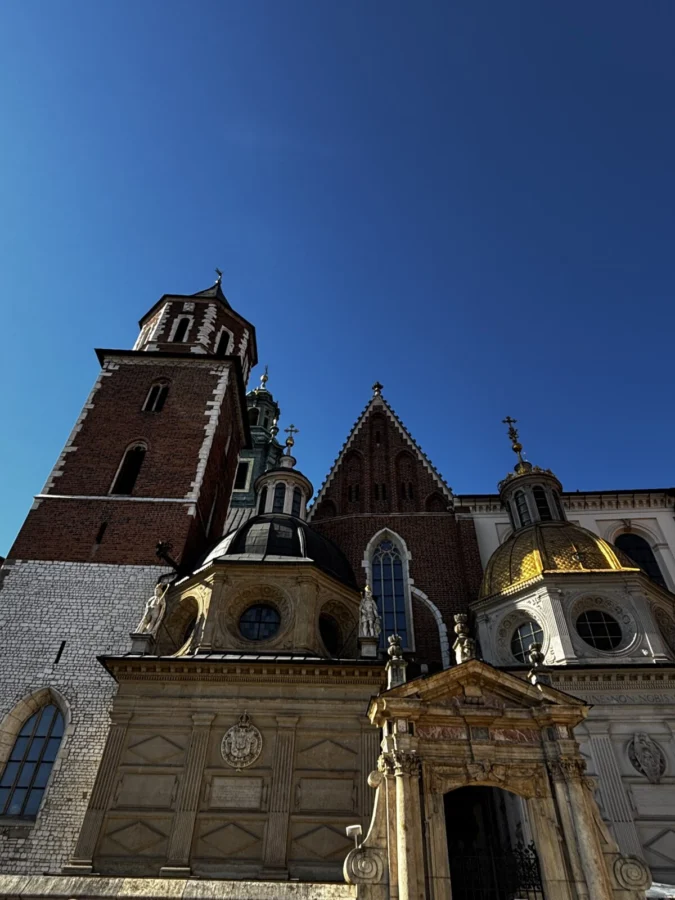
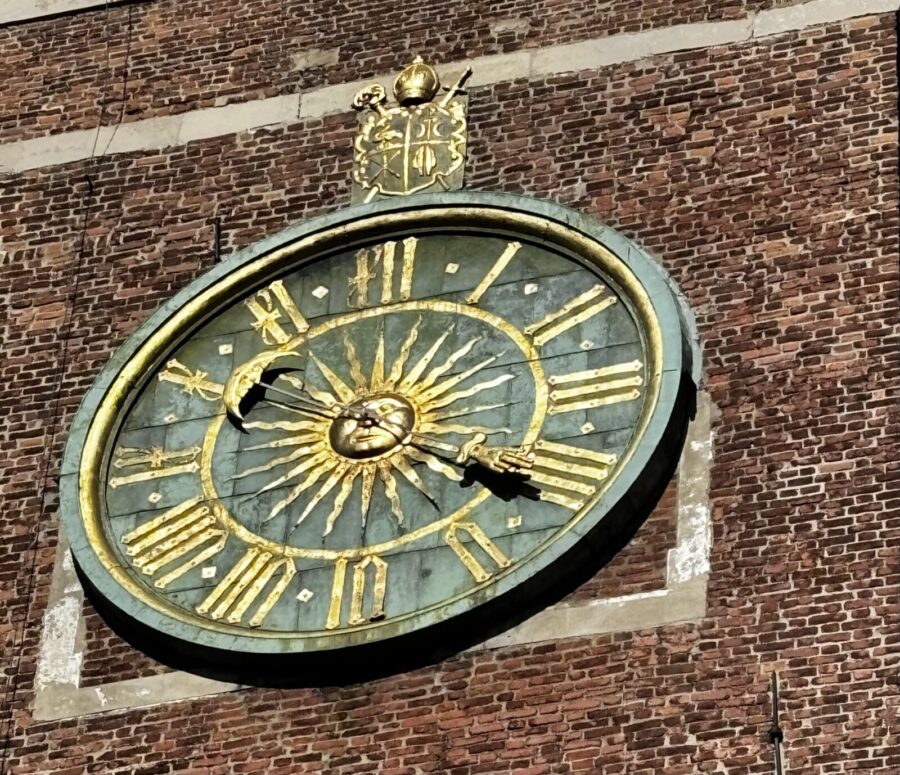
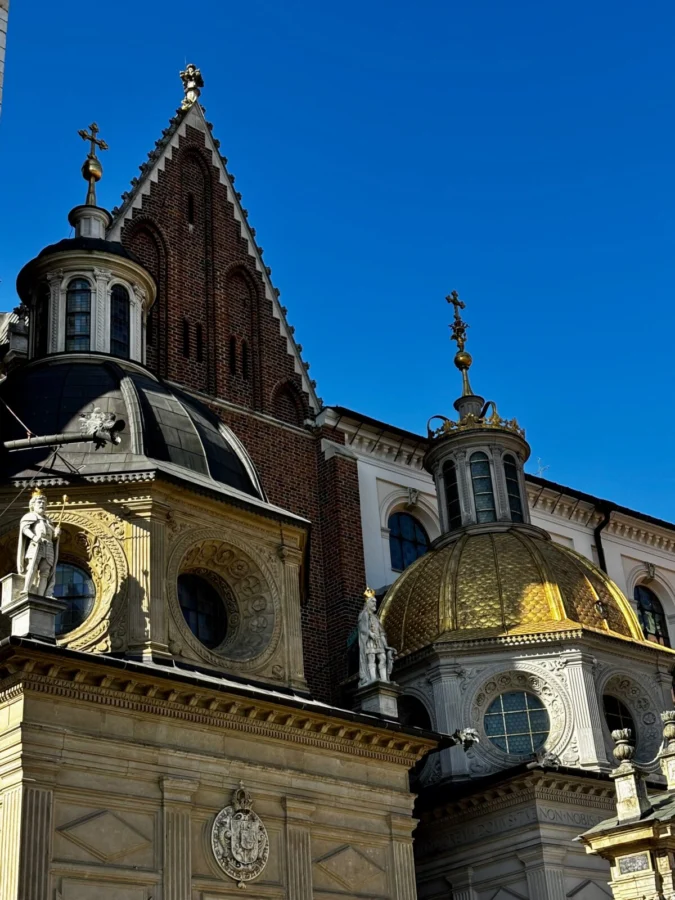
Kraków is one of those cities where understanding the layers of history changes the entire experience of walking through it. Our guide took us through the Old Town, past the major landmarks and gradually up towards Wawel Castle, explaining the history in a way that somehow managed to feel detailed without becoming overwhelming.
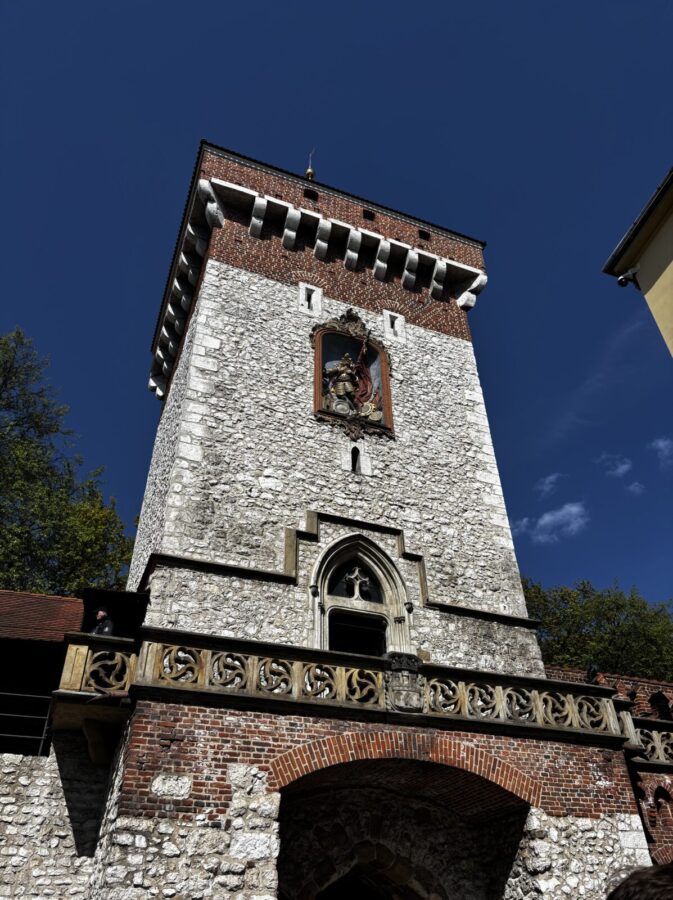
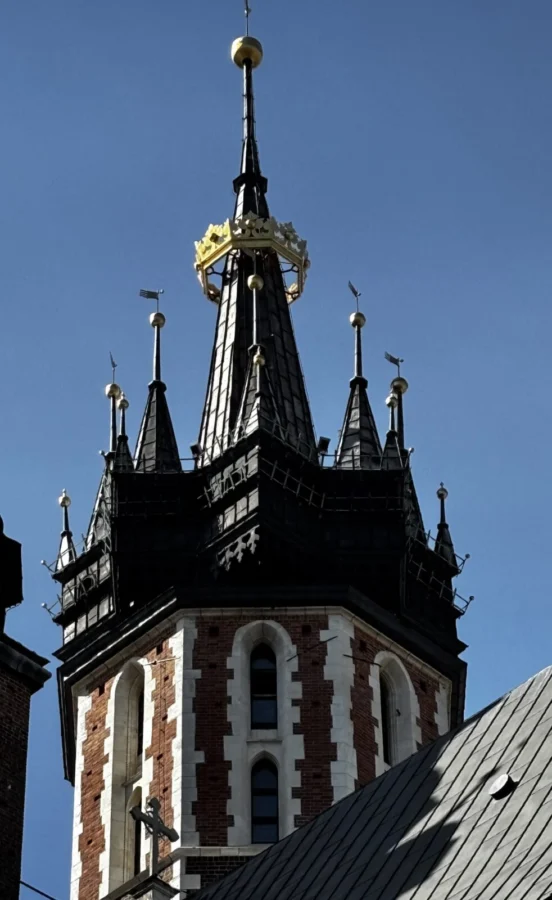
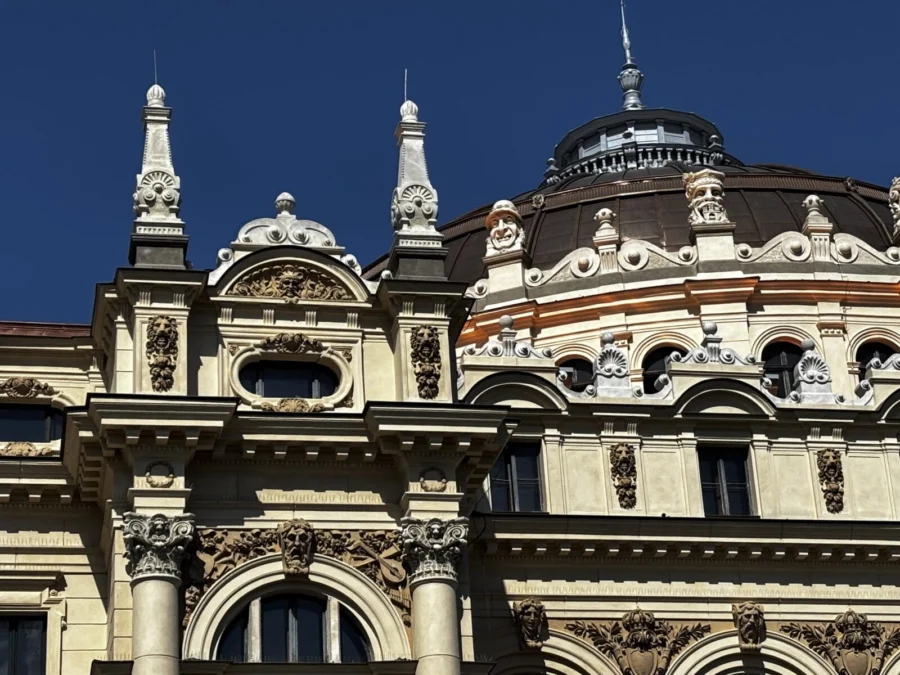
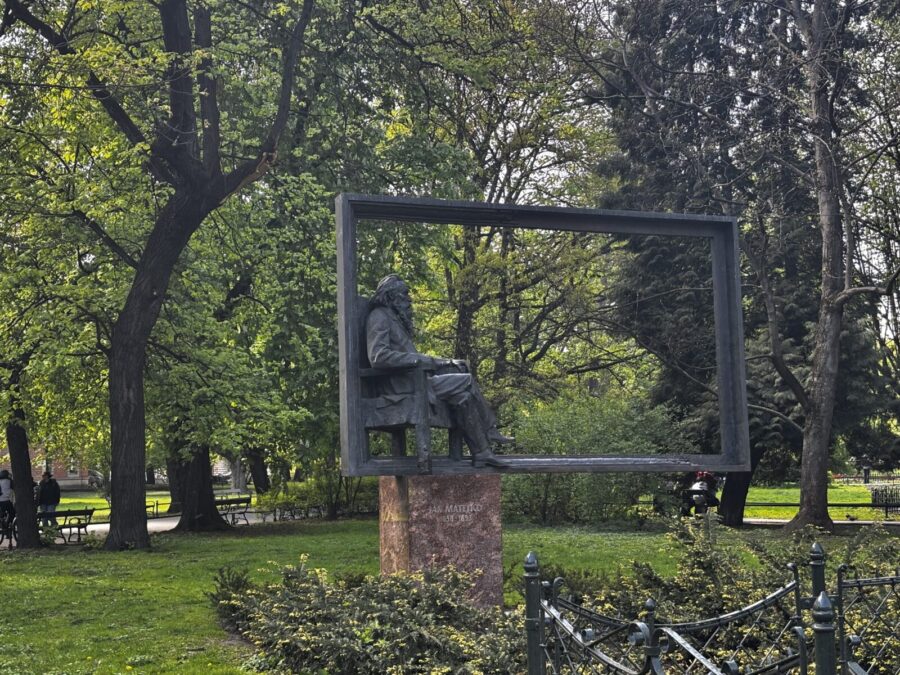
We passed churches, courtyards, university buildings and hidden corners we would never have noticed by ourselves. At one point, he also led us into a tiny café tucked beneath the university buildings for coffee. This felt exactly like the kind of place you hope to find while travelling but usually miss completely.
By the end of the tour, however, we had also quietly accumulated a truly unreasonable number of steps. Kraków has a deceptive relationship with distance. Everything appears close together until your phone politely informs you that you have walked approximately 15,000 steps without fully noticing. Well, my feet had noticed. The rest of me was still too busy staring at everything around me in awe.
Walk to Kazimierz Slowly
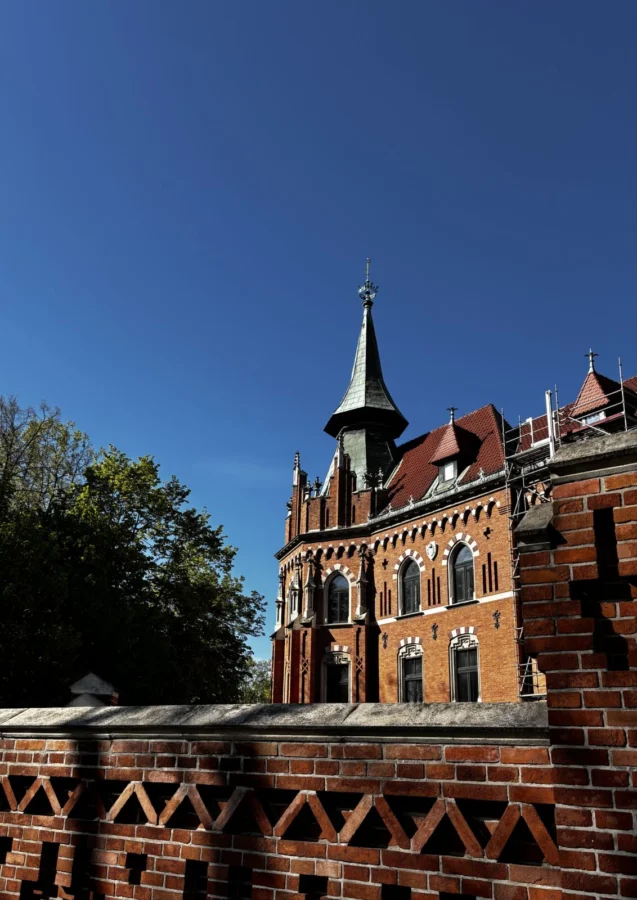
After the tour, we continued on foot towards Kazimierz, Kraków’s historic Jewish quarter. This ended up being one of the most memorable parts of the day, partly because the atmosphere shifts so noticeably as you move through the city. The Old Town feels grand and elegant; Kazimierz feels quieter, more reflective and somehow more personal. We wandered slowly through the streets without much structure, stopping whenever something caught our attention.
At one point, we found ourselves standing silently in one of the alleys displaying photographs and reminders of what happened there during the Second World War. After the busy energy of the main square, the stillness of that moment landed heavily. Kraków does this repeatedly: it moves very naturally between beauty, normal life and deep historical weight, often within the same street.
End the day back in the Old Town
Eventually, our feet – and our stomachs – informed us that further ambitious exploration would be unwise. So we walked back towards the Old Town and did what I increasingly believe is the correct way to end most city days: cocktails in the sun followed by dinner somewhere atmospheric.
By the time we finished eating, the city had changed again. The crowds had thinned, the buildings were glowing softly in the evening light and Kraków somehow felt even more beautiful after dark.
Then, while walking back to the car, we heard a violinist playing an intensely sorrowful and dramatic piece of music somewhere nearby. We all paused for a moment because it sounded strangely familiar. A few seconds later, we realised the hauntingly emotional violin composition was, in fact, Despacito.
And honestly, that felt like a fairly perfect ending to the day
If I Had More Time in Kraków
One day in Kraków was enough to make me understand why people return repeatedly, but not nearly enough to feel finished with it. If I went back for two or three days, I do not think I would actually add dramatically more sightseeing. It would mostly mean just doing Kraków less aggressively.
I would absolutely take one of the river cruises, partly because the city clearly deserves to be seen from the water and partly because eventually even my enthusiasm for historical wandering collides with the reality of having feet. I would also book some kind of theatre performance, concert or jazz evening. Kraków feels like the sort of city that deserves at least one slightly dramatic cultural night out – ideally involving music that does not turn out to be Despacito played mournfully on a violin.
Mostly, though, I would leave more room for sitting still. Longer lunches. More cocktails in the square. More wandering around Kazimierz without trying to turn the day into a slightly unhinged step-counting competition.
If you do have two or three days, I would simply spread things out more gently than we did. Keep one day for the Old Town and Wawel Castle, another for Kazimierz and museums, and then use the extra time for whatever version of Kraków appeals to you most: river cruises, cafés, concerts, the nearby salt mines, Auschwitz or simply recovering quietly from the number of steps the city somehow tricks you into taking.
Because that is the strange thing about Kraków. Even after fifteen thousand steps, cocktails, history, churches, pie, coffee and an emotionally devastating violin rendition of Despacito, it still feels as though you barely scratched the surface.