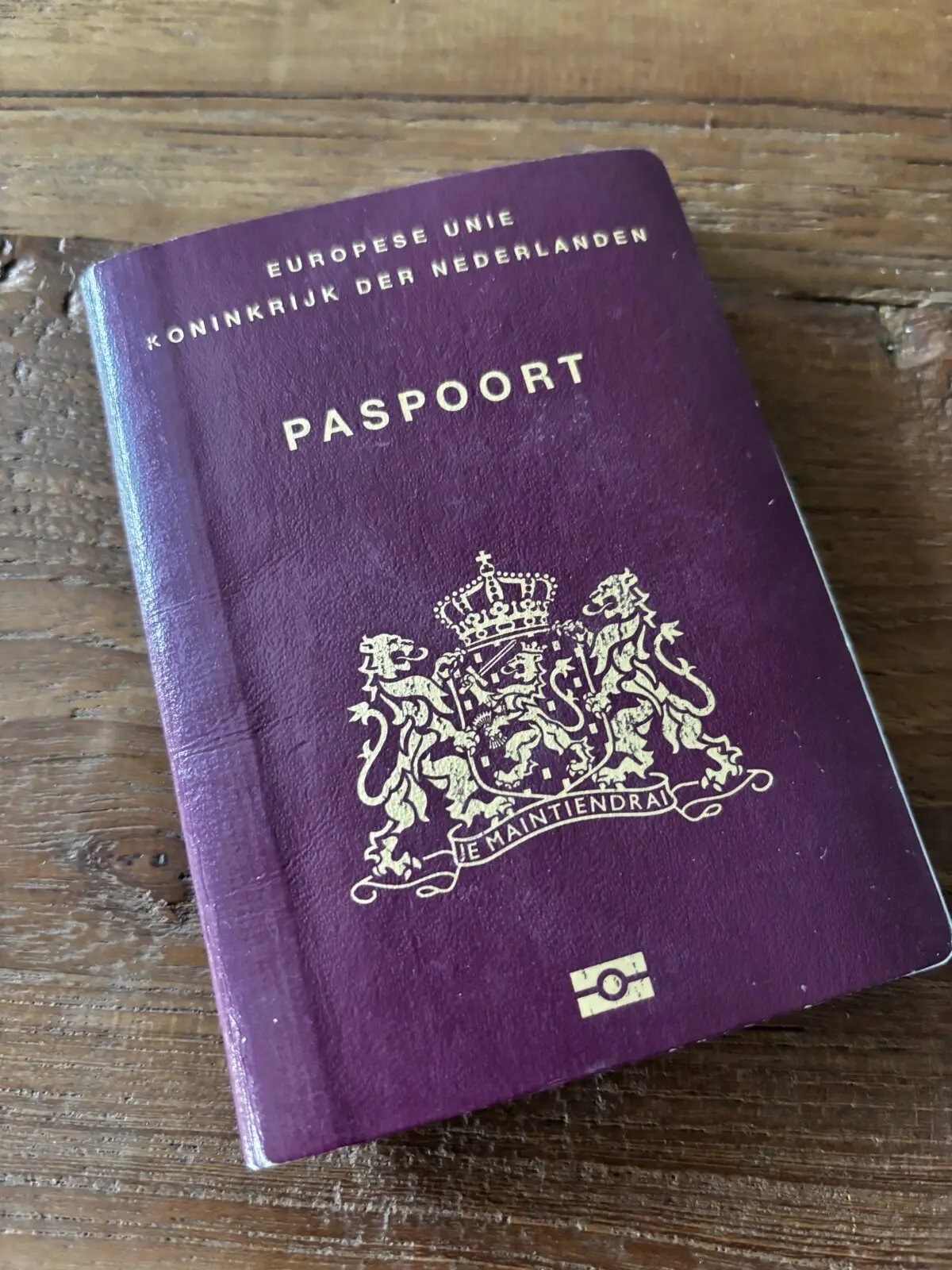
Driving to Poland without a passport: a study in disproportionate panic
There are few things guaranteed to ruin a perfectly pleasant road trip faster than suddenly realising you may have accidentally committed a cross-border administrative error.
Two hours into Germany, I discovered that I had left my passport at home. Not in a hotel. Not buried at the bottom of a suitcase. At home. In the Netherlands. Several hundred kilometres away. What followed was a deeply educational few hours in which I became convinced I was about to be detained by Polish border police, separated from my family and remembered forever as the woman who managed to get arrested inside the Schengen Zone.
In hindsight, my panic may have been disproportionate. Unfortunately, it was not entirely unfounded. Because while the Schengen Zone is supposed to allow passport-free travel between member states, you still have to be able to identify yourself. Border checks do still happen. More and more, actually. Hotels also legally require valid identification at check-in, which meant my situation was not, in fact, ideal.
This is the story of how I accidentally travelled from the Netherlands, through Germany, to Poland without proper identification. It includes why my family found the entire thing much less concerning than I did, and what the rules actually are if you are travelling through Europe by car.
The realisation and the ensuing panic
The truly frustrating part is that I am normally obsessively organised when travelling. I check documents repeatedly. I make lists. I mentally rehearse border crossings as though I am smuggling dissidents across the Iron Curtain rather than driving to Poland for a family holiday. I even have a ridiculously structured trip-planning system.
And yet somehow, despite all this preparation, I had managed to leave behind the one item that was legally required.
After my sheepish confession the rest of the family seemed content to continue the journey in a state of cheerful nonchalance. My own brain however immediately launched into a detailed analysis of every possible disaster scenario. Border checks. Hotel check-ins. Police controls. Fines. Administrative humiliation. Potentially becoming family folklore. If catastrophising and doom-spiralling were Olympic sports, I could compete for my country and bring home every medal.
There was only one thing I could do: Google the living daylights out of the situation and hope this was merely an overactive imagination problem rather than an actual international travel problem.
Frantic googling and the official advice
Unfortunately, my frantic Googling confirmed that this was, in fact, not merely an overactive imagination problem. I was, technically speaking, travelling illegally. Yes, I was inside the Schengen Zone, where borders are officially open. But being able to show valid identification when asked is still a legal requirement. I had my driving licence with me, which is not valid identification. I also had a photo of my passport on my phone, which is equally useless from a legal perspective.
Ten years ago, I probably would not have worried nearly as much. Border checks were rare, hotels barely seemed interested in who was staying in their rooms and, as long as you behaved yourself, nobody was likely to ask for identification anyway.
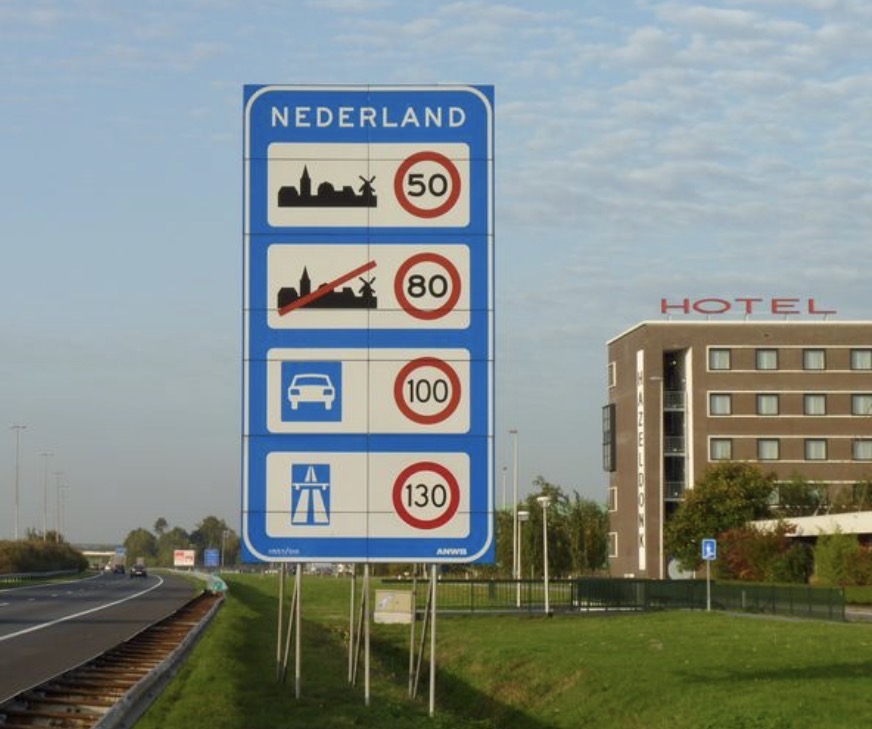
These days, things are different. Germany in particular has reinstated border controls, as have several countries in Eastern Europe. The legality of some of these checks has been challenged in court, including in the Netherlands, but that felt like fairly academic comfort. “A Dutch court might disagree with this situation” did not strike me as a particularly persuasive argument to present to a German immigration officer on the side of a motorway.
Hotels, meanwhile, are legally required to check identification at check-in. And as for avoiding legal trouble altogether: I decided I should probably not be the one driving.
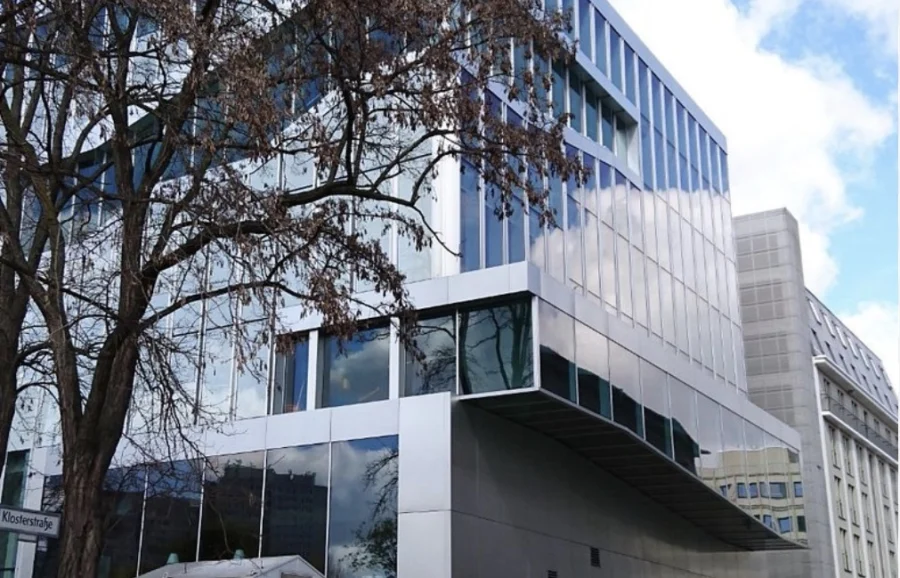
At this point, I decided to call in expert advice. I looked up the Dutch embassy in Berlin, our first stop. Unfortunately, it was Sunday, so it was closed. Even more unfortunately, the following day was King’s Day in the Netherlands. I did not need a king. I needed the embassy to be open. It would not reopen until Tuesday, which happened to be the exact day we were supposed to continue on to Poland.
Finally, I phoned the Dutch emergency assistance number, hoping for reassurance or perhaps a miraculous bureaucratic loophole. Instead, my fellow countryman advised me to turn around immediately and go home to retrieve my passport. By this point, we were halfway to Berlin, so this did not feel like an especially helpful suggestion.
An emergency passport, apparently, would only be issued if there was an urgent reason I absolutely had to travel onward immediately. A holiday in Poland did not seem likely to qualify as a national emergency. At least this realisation saved us half a day at the embassy.
There was no way around it: either I convinced Marc to drive back to the Netherlands, or I took my chances and hoped for the best. The choice was remarkably easy.
On we went.
What could actually have happened?
The interesting thing about forgetting your passport is that it suddenly turns a perfectly ordinary holiday into a long series of situations in which you become very aware of your own legal vulnerability. Border checks, hotel check-ins, traffic controls, hospitals, official paperwork: all perfectly manageable situations when you have valid identification, and all considerably less relaxing when you do not.
Take driving, for example. Normally, if police stop you during a traffic control, producing a driving licence and vehicle documents is fairly straightforward. But what if they want to see real identification? And causing an accident while technically travelling without valid identification felt like an excellent way to ruin everyone’s day.
I therefore decided it would be best not to drive at all. Luckily for me, there were four other adults in the car.
Then there were all the unexpected situations that might require identification. Medical emergencies, for instance. Ideally, I would avoid requiring hospital treatment in a foreign country while technically unable to prove who I was. (I’d rather avoid it altogether). The same applied to any interaction involving police, official reports or bureaucracy in general.
At one point, my brain even briefly wandered into “accidentally caught in a demonstration” territory. Not because I had plans to overthrow any governments during my holiday, but because police officers tend to become considerably more interested in people’s identities during public disturbances. I suddenly felt a strong desire to live an exceptionally law-abiding and medically uneventful life for the remainder of the trip.
And then there were the feared border crossings. Border checks without valid identification could potentially lead to fines, lengthy delays or being taken somewhere unpleasant while officials verified my identity. Hotels could legally refuse to let me check in at all. None of this was likely to become a dramatic international incident, but it had definite potential to become extremely inconvenient.
So while my imagination may have added a few unnecessary Cold War thriller elements to the situation, the underlying problem was real enough that the Dutch emergency number had literally advised me to turn around and go home.
The journey begins: hurdles to overcome.
Having accepted that turning back was not going to happen, there was only one thing I could do. Continue the journey and see exactly how many situations over the next week would require me to prove my identity.
First hurdle: checking into our Berlin hotel
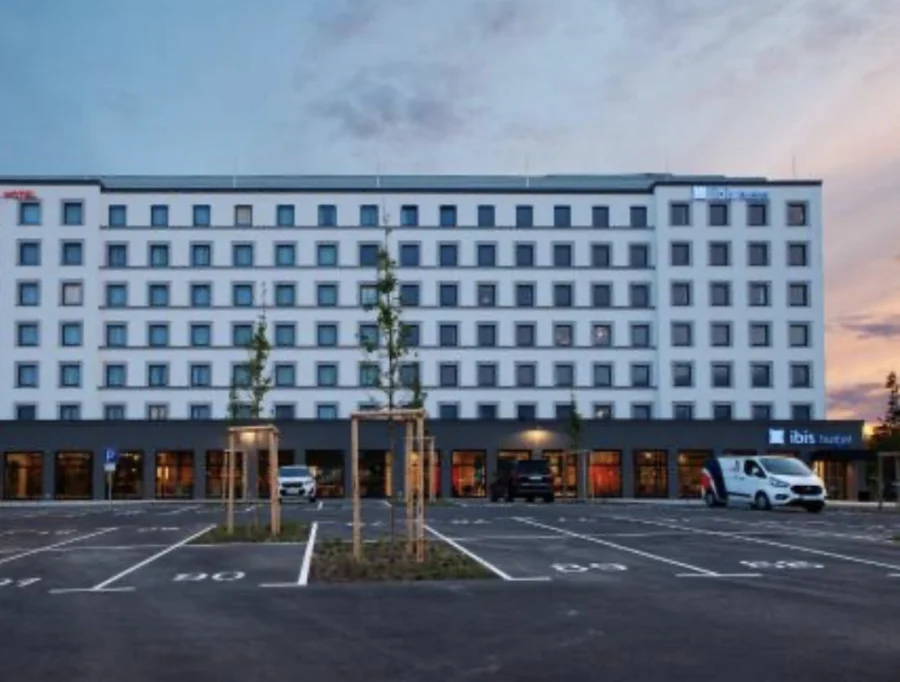
The first hurdle was checking into our hotel in Berlin. I’d booked all the rooms in my name, which was unfortunate, considering I was also the only person without valid identification.
While we were still driving, I dug up the online reservation and quickly changed the bookings to my husband’s, son’s and daughter’s names instead. At least now every room had one legally identifiable adult attached to it.
I instructed Marc to handle reception while I hung back nearby, attempting to look inconspicuous. Upon arrival, he went to the desk while I positioned myself strategically behind a plant, hoping not to attract the attention of anyone professionally interested in passports.
In the end, the receptionist only needed one passport per room. We got our keys, went upstairs and crossed the first hurdle without incident. Although I did still flinch slightly every time I saw a police officer or security guard in Berlin that evening.
Second hurdle: crossing the German-Polish border
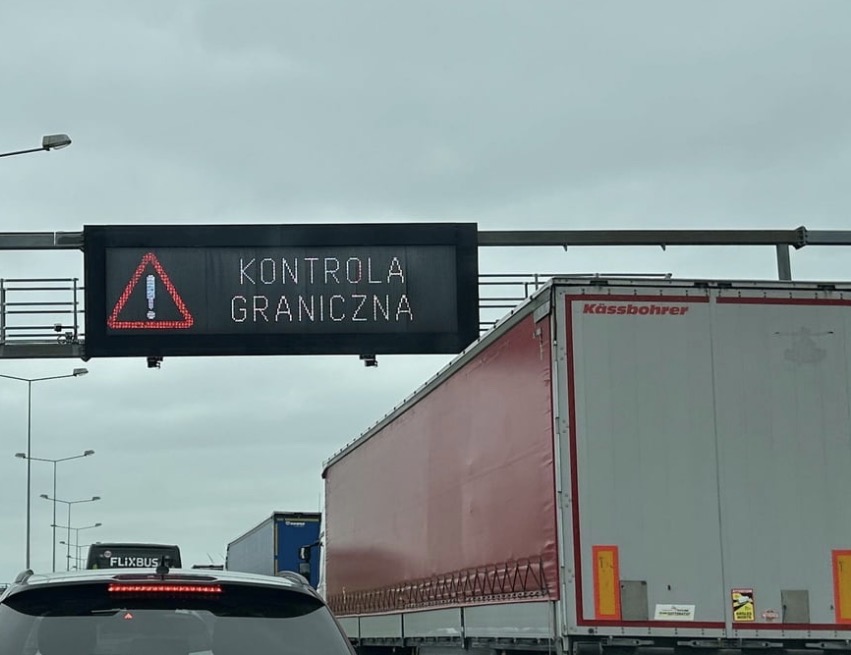
After a day of walking 25,000 steps through Berlin without being asked for identification or accidentally ending up in a riot, it was time for hurdle number two: crossing the German-Polish border.
The moment we left Berlin, I noticed a suspicious red line of traffic on the navigation screen. Was this border control? Or merely the roadworks Germany appears incapable of avoiding? The uncertainty occupied me for a considerable part of the journey. As we approached the border, it became clear that they were indeed checking cars. Some vehicles were being pulled aside into a parking area where, in my imagination at least, everyone without valid identification was immediately handcuffed and processed for administrative crimes.
Then it was our turn. A bored-looking officer glanced at us, glanced at the car and waved us through without a second thought. Just like that, hurdle number two was over. We were in Poland.
Third hurdle: checking into our apartment in Poland
While driving through Poland, I received a text that immediately made me suspect the apartment check-in would not be a problem after all. The message from the letting agency informed us that the apartment door was open, the key was inside and we could stop by later to settle the bill and ask for sightseeing tips.
This did not sound like an organisation preparing to deny entry until every guest had produced internationally valid identification. It was also a considerable relief, especially because my heart rate had only just recovered from the border crossing.
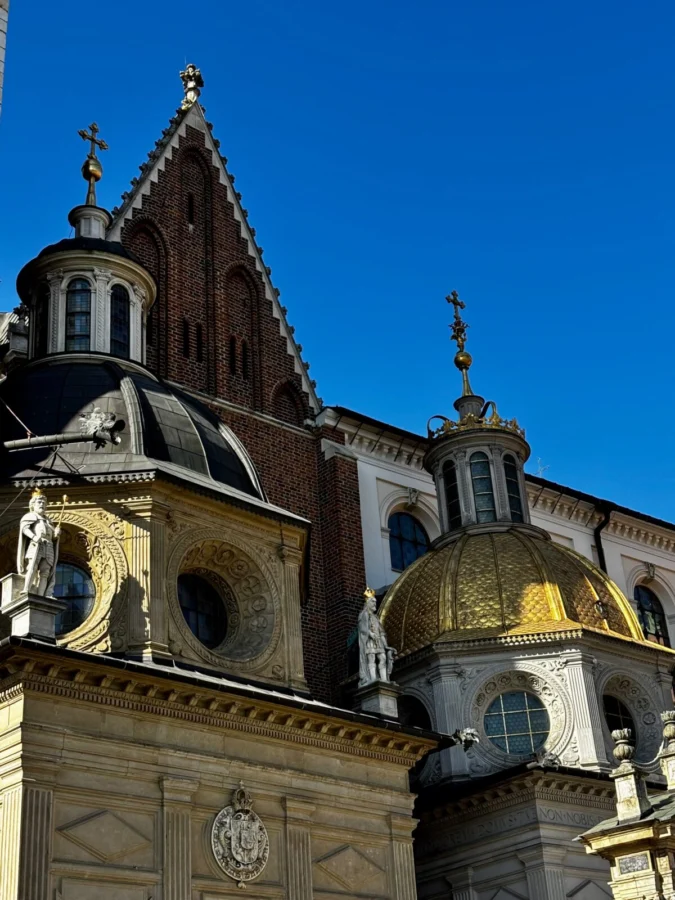
We entered the apartment, located the key and celebrated my continued freedom with a glass of wine while the rest of the family congratulated me on not ending up in a Polish jail cell after all. The following morning, Marc settled the bill and waved his passport around on behalf of the family.
Hurdle number three: cleared. Off to Kraków.
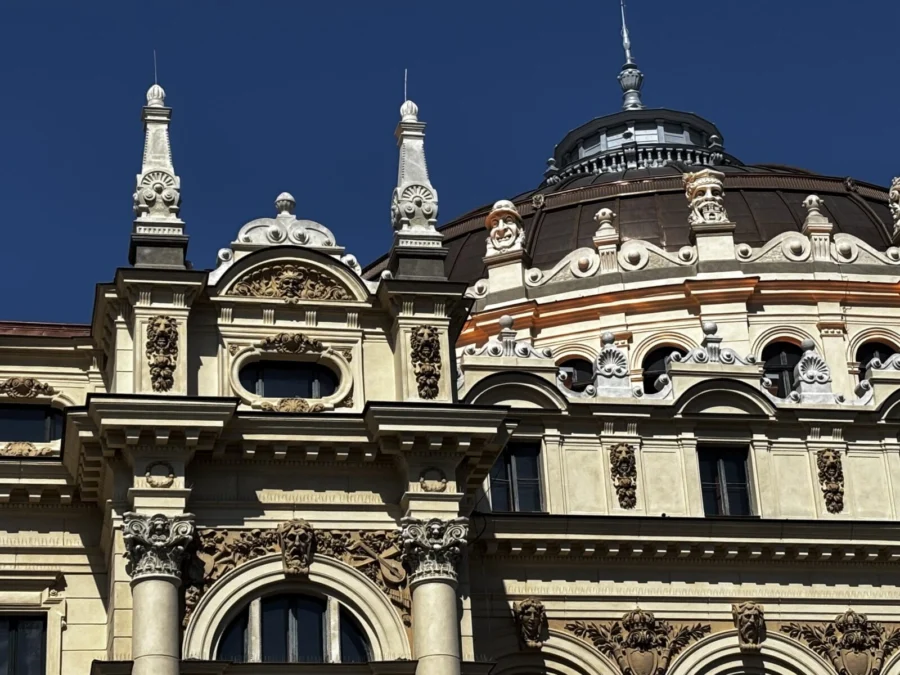
Fourth hurdle: crossing back into Germany
I actually started the drive feeling cautiously optimistic. None of my carefully constructed disaster scenarios had materialised so far.
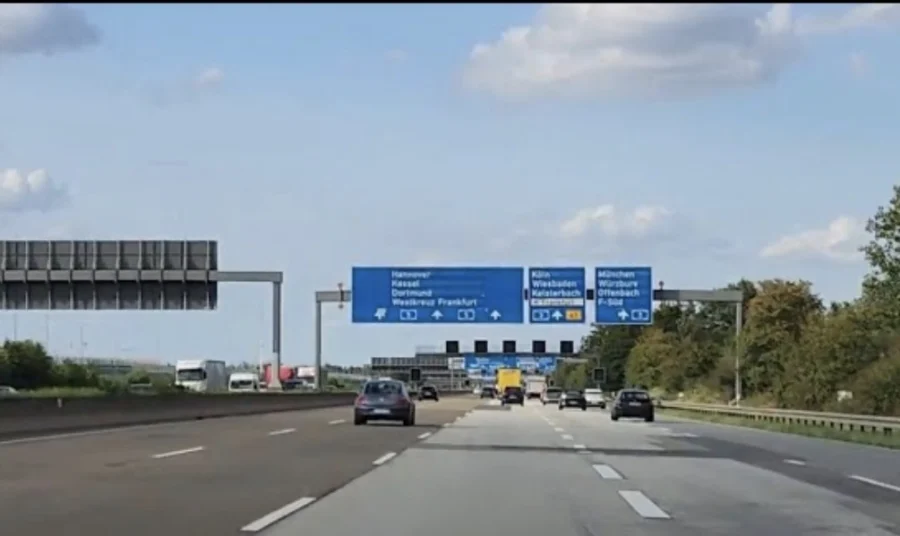
That optimism lasted right up until the enormous signs above the motorway started shouting things like TRAFFIC JAM, BORDER CHECKS, PREPARE DOCUMENTS and, as interpreted by my nervous system, PREPARE FOR IMMINENT DOOM. This continued for at least 25 kilometres. It gave me plenty of time to mentally rehearse every possible outcome before we finally reached the border itself, where all traffic was funnelled into something that looked suspiciously like a cattle chute staffed by at least ten uniformed officers.
“Well mum,” my daughter said cheerfully, “we’ll think of you when we’re drinking Aperols on a terrace later and you’re in a holding cell.”
Possibly because I laughed at this much harder than a genuine international fugitive would have done, possibly because I looked aggressively law-abiding, or possibly because a car full of Dutch tourists simply did not raise international alarm bells, we were waved through without incident yet again.
Marc slowed the car, a perfectly expressionless officer glanced at us and motioned us onward.
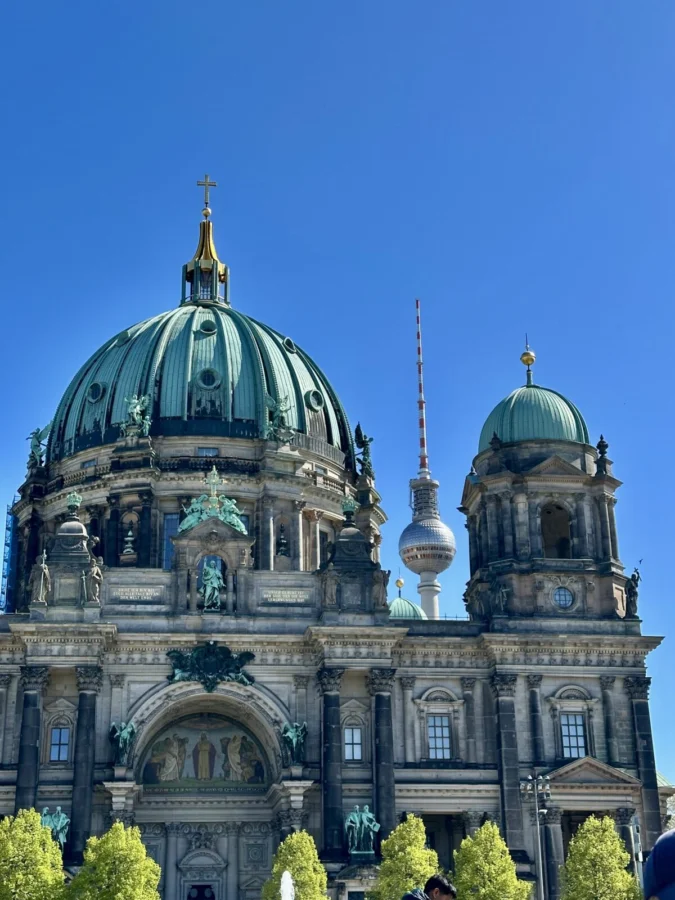
And I can confirm that the Aperol I drank on a sunny terrace in Dresden shortly afterwards tasted absolutely magnificent.
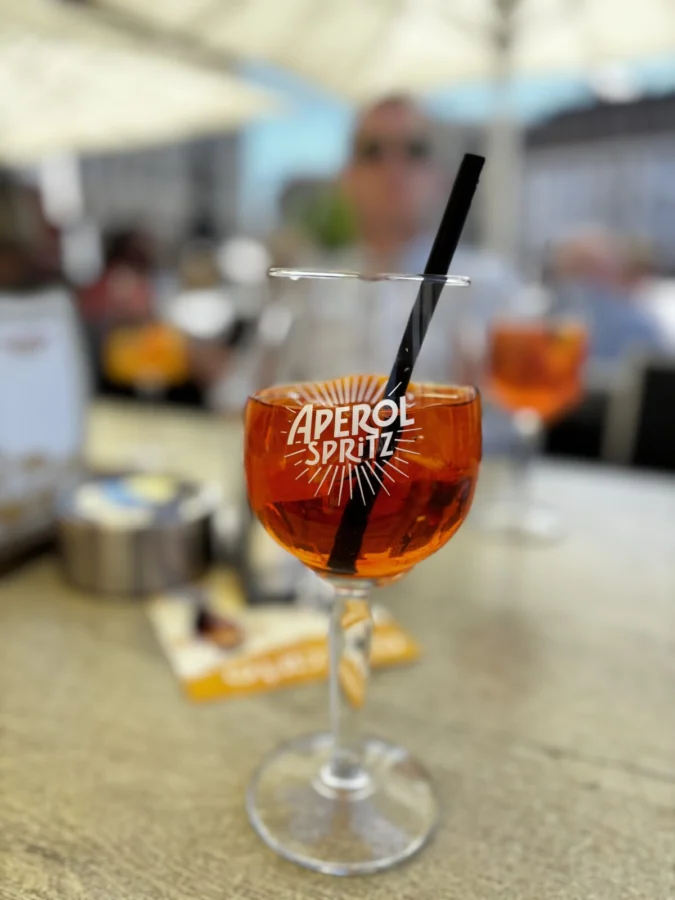
Fifth hurdle that turned out not to be a hurdle at all: our hotel in Dresden
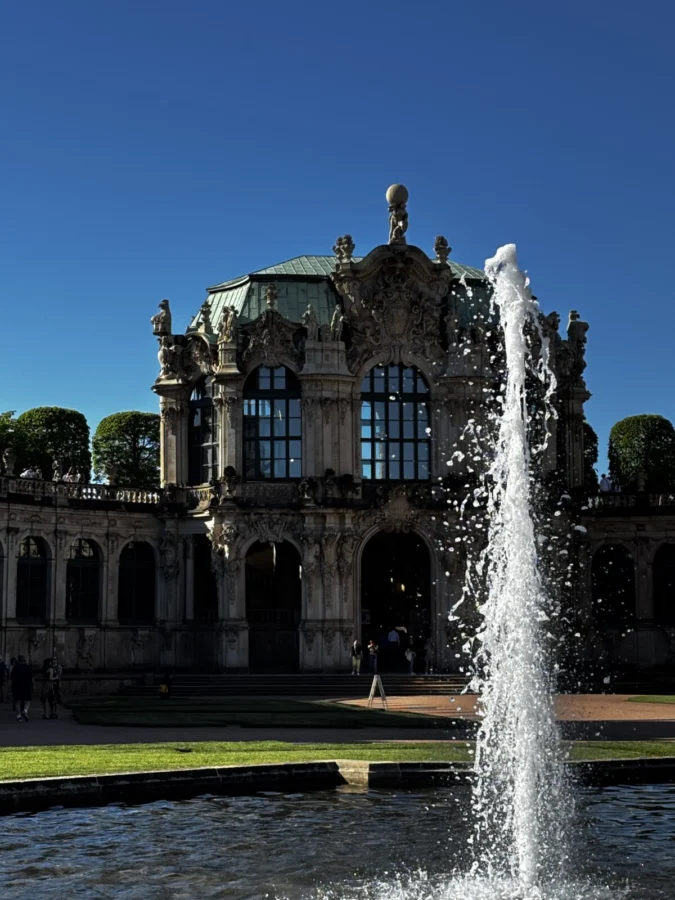
After two Aperols, a pleasant stroll and an excellent dinner in Dresden, it was time for what I had mentally designated as the final hurdle: checking into our hotel just outside the city. By then, however, my worries had all but disappeared. Nothing had gone wrong so far and, in the absolute worst-case scenario, we could still drive home and arrive sometime around four in the morning.
The receptionist did not strike me as a man preparing for an aggressive identity inspection. He was watching football on television while texting, and looked up only briefly to glance at Marc’s passport, hand over the room codes and inform us that breakfast was unavailable because the hotel was full. Then he immediately returned to the match.
Under normal circumstances, I might have appreciated slightly more human interaction. On this particular occasion, however, being almost entirely invisible suited me perfectly.
Final twist: the checks that might have helped me.
Our final border crossing was back into the Netherlands. This one didn’t worry me in the slightest. Several Dutch court cases had already ruled systematic Schengen borders unlawful, and I fully intended to weaponise that legal trivia the second anyone asked me for papers. Besides, Dutch police officers are considerably less intimidating than German immigration officers.
Naturally, we breezed right through.
The real irony, however, was waiting on the other side of the highway. While our lane was completely clear, the traffic queuing to cross into Germany was backed up for kilometres. The authorities were checking absolutely everyone.
This struck me as deeply funny. If they had been doing those exact checks a week earlier when we first left home, I would have discovered my missing passport less than 45 minutes from my house. I could have just turned around, grabbed it, and saved myself a week of mild panic. My family agreed it was hilarious, although I suspect they mostly just enjoyed the fact that their “mum in a holding cell” jokes had survived the entire trip.
How I stopped it from ruining my holiday
The problem with having a brain that permanently runs on overdrive is that it does not simply worry. It constructs elaborate, hyper-detailed cinematic universes of doom. Once my frantic Googling confirmed that I was, technically speaking, travelling illegally, my imagination immediately got to work. Within an alarmingly short amount of time, I had mentally rehearsed my administrative arrest, designed the approximate layout of a Polish holding cell and calculated how the rest of the family would continue the holiday without me. In hindsight, the level of panic was slightly absurd. Given that we happily self-drive around South Africa, this level of terror over a European border crossing was especially ridiculous.
The worst part was that none of this felt irrational at the time. My brain was simply doing what it always does: gathering information, analysing risks and enthusiastically preparing for the absolute worst-case scenario.
But somewhere on a German motorway, I realised that if I allowed this process to continue unchecked for the next seven days, I was going to ruin my own holiday long before any border guard had the chance. So I decided to approach the situation the only way my brain seems to understand: by turning it into a logistical problem.
Once I removed myself from the driving, I broke the trip down into a handful of genuinely difficult moments: the hotel check-ins, the border crossings and anything involving official administration. Those became the hurdles. Then I forced myself to look directly at the worst-case scenario. Could I be fined? Yes. Could I be delayed for hours? Also yes. Would it be embarrassing and stressful? Absolutely. But would I survive it? Probably. And crucially: we could afford the fines if it came to that. Oddly enough, that helped.
Because once I had identified the actual risks, I also realised something important: I had already done everything I reasonably could do about them. From that point on, every time my brain tried to start another spiral of catastrophic thinking, I repeated the same sentence to myself:
“I solved this. The rest is just my brain.”
That became my emergency brake.
What helped even more was telling my family exactly how stressed I was and how foolish I felt for forgetting my passport in the first place. Instead of getting angry, they immediately transformed the entire situation into what my son called “a family mission.” And honestly, the humour helped enormously.
At some point, the situation stopped feeling like a catastrophic personal failure and started feeling more like an extremely niche road-trip challenge involving border controls, strategic invisibility and repeated jokes about holding cells. My imagination still occasionally tried to add Cold War thriller elements to motorway signs, but by then I had managed to downgrade the situation from an international crisis to a highly bureaucratic inconvenience. I did make a mental note to include “possible accidental border-crossing fines” in future trip budget planning.
And once the panic stopped running the itinerary, the holiday could finally begin.
Please do not use this as your travel strategy
Although this story ended with Aperols in Dresden rather than international administrative disaster, I would strongly recommend not copying my approach to European travel.
Border checks inside Europe are no longer unusual. Germany, Poland and several other Schengen countries have all extended temporary internal border controls well into 2026, and both Germany and Poland have indicated checks will continue until at least autumn 2026. (Migration and Home Affairs)
At the same time, Europe is moving towards even more digital and biometric border systems. The EU’s new Entry/Exit System (EES) is now operational and increases identity checks and data registration at borders, even if it currently applies mainly to non-EU travellers. (Migration and Home Affairs)
In other words: “nobody checks anymore anyway” is no longer a sensible assumption.
If you are travelling within Europe, bring valid identification. A driving licence is not enough. Neither is a photograph of your passport. Vague confidence in the Schengen Agreement: ill-advised. You need actual, valid identification. Ideally, also check that you have packed it before crossing several international borders and mentally preparing yourself for prison-themed family jokes.
Can I laugh about this now? Absolutely.
Would I recommend repeating the experience? Absolutely not.
⚖️ Behind the Scenes: The Legal Reality of the Dutch Border
One reason the final border crossing back into the Netherlands worried me far less than the German ones was the strange and highly contested legal situation surrounding Dutch border checks.
For the fellow law nerds out there, I wasn’t bluffing about the Dutch courts. If you ever find yourself at the Netherlands border wondering what the rules actually are, here is the real legal backdrop:
- The Rebrand: Under European law (the Schengen Borders Code), permanent border controls between EU countries are banned. To get around this, the Dutch government technically doesn’t call them border checks; they are officially called Mobiel Toezicht Veiligheid (Mobile Security Supervision); random identity checks meant to spot human trafficking.
- The Court Backlash: The Dutch courts caught onto this cheeky workaround. In a landmark case, the Court of Appeal in ‘s-Hertogenbosch ruled that if these checks become too systematic, frequent, or look exactly like a real border control, they are legally invalid.
- The Anti-Profiling Ruling: In February 2023, the Dutch State lost a major Appeals Court case brought by civil rights groups. The court strictly banned the Royal Marechaussee from using race, skin color, or ethnicity as a selection shortcut to pull drivers over.
- The 2024-2026 Shift: While I had the law on my side for random checks, note that since late 2024, the Netherlands has joined Germany in using emergency EU loopholes to trigger official temporary border checks. So while the courts hate them, the politicians are still fighting hard to keep them.


Honestly curious: if you’d realised this while travelling alone, would you have turned back or kept driving?
Good one. I think I’d have gone back. It would have been much harder to get away with it without family (and plants) to hide behind. And I would only have wasted my own time, not that of four others.