Bangkok to Chiang Mai sleeper train review: magical experience or sleepless night?
When my twenty-something backpacker daughter casually announced that she’d taken the overnight sleeper train from Bangkok to Chiang Mai, she made it sound wonderfully simple. You book a bunk, climb aboard, fall asleep somewhere north of Bangkok and wake up in Chiang Mai the next morning ready for temple-hopping and iced coffee.
Easy for her to say.
For me, the idea came with slightly different questions. Would I actually sleep? How cramped were the beds? Was getting on and off the train more awkward than the glossy travel blogs admit? And was this one of those “magical travel experiences” that feels very different when you’re no longer travelling on three hours of sleep and pure backpacker optimism?
Still, there was something deeply appealing about it. Flying felt fast but forgettable. The sleeper train felt like travel in the old-fashioned sense: slower, atmospheric and part of the adventure itself. So after my daughter tested it first in full backpacker mode, we went on our own overnight journey between Bangkok and Chiang Mai (and back!) during our two-week Thailand trip.
Our mission: to see whether Thailand’s famous sleeper train really works for travellers who still love adventure… but also appreciate comfort and a reasonably functional night’s sleep.
And honestly? It turned out to be one of the most memorable parts of our Thailand trip.
Bangkok to Chiang Mai Sleeper Train: Quick Facts
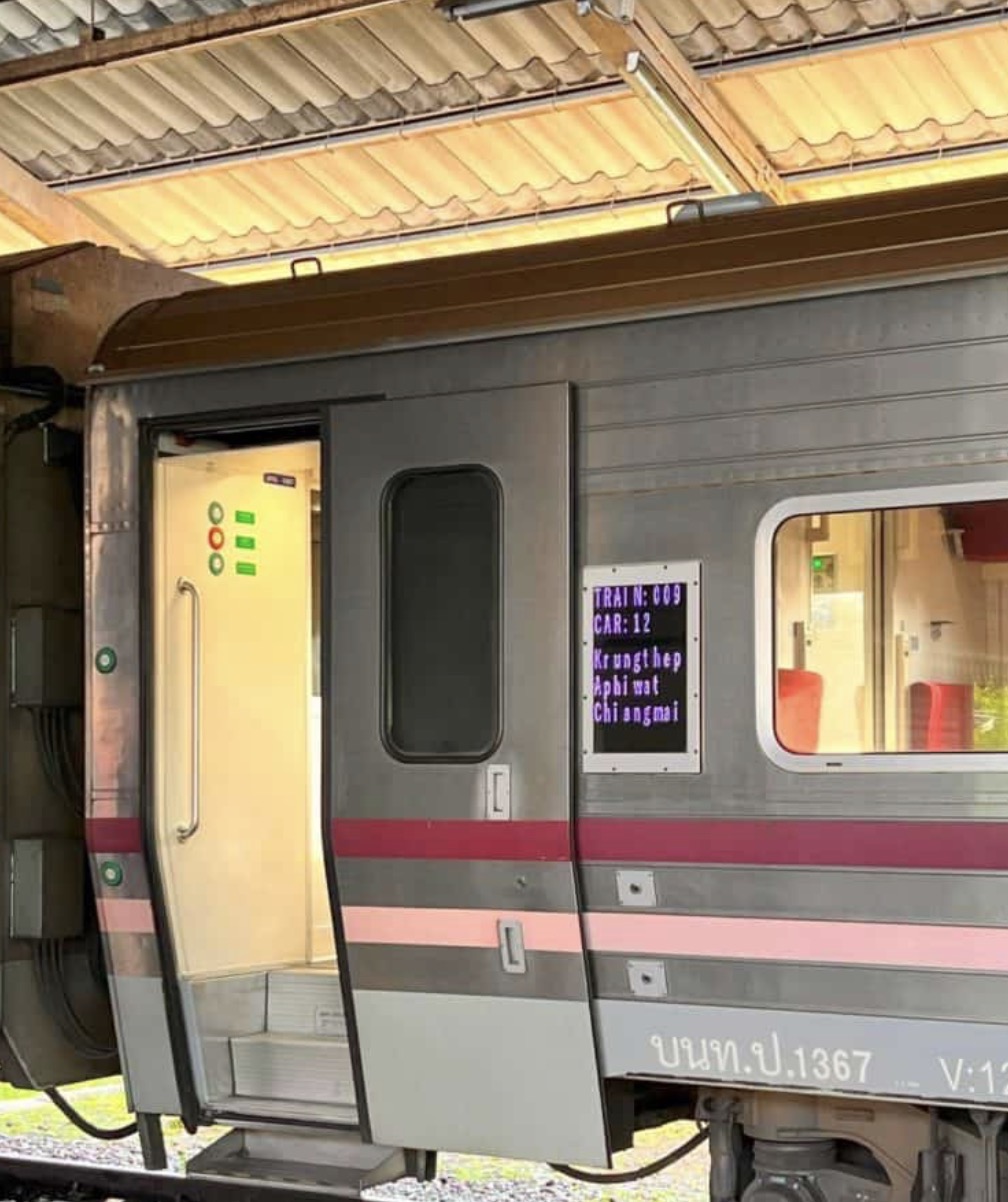
Train 9 (Bangkok → Chiang Mai)
Train 10 (Chiang Mai → Bangkok)
Modern carriages, smoother ride and more comfortable beds.
Journey time:
Usually around 12–13 hours overnight
Departure station in Bangkok:
Krung Thep Aphiwat Central Terminal
Arrival station in Chiang Mai:
Chiang Mai Railway Station (a short taxi or Grab ride from the Old Town)
Best class for most travellers:
Second Class A/C Sleeper (Lower Berth)
Approximate prices:
• Second Class Upper Berth: 900–950 THB
• Second Class Lower Berth: 1,000–1,050 THB
• First Class Cabin: 1,450–2,450 THB
How far ahead to book:
• First Class: as early as possible
• Second Class Lower Berth: ideally 2–6 weeks ahead
• Peak season (Nov–Feb): book early
Where to book:
Official SRT D-Ticket Website
12Go Asia
Boarding usually involves climbing fairly steep metal steps from the platform onto the train. Upper berths also require ladder climbing, so travellers with knee, hip or balance issues should book a lower berth if possible.
The newer Train 9/10 sleeper trains do have one wheelchair-accessible carriage with a lift and accessible toilet, but availability is limited and should be booked early.
Lower berths are wider, easier to get into and next to the window — definitely worth the small extra cost for most travellers. The air-conditioning can also feel surprisingly cold overnight, so bring a light layer.
Information checked and updated for 2026.
Which sleeper train should you book?
This is the part that gets surprisingly confusing once you start researching the Bangkok to Chiang Mai (and vice versa) sleeper train. There isn’t just one overnight train – there are several – and some are definitely nicer than others.
If possible, book:
• Train 9 from Bangkok to Chiang Mai
• Train 10 from Chiang Mai back to Bangkok
These are the newer trains with the more modern carriages, and yes, it really does make a difference. Thailand has upgraded several of the Bangkok–Chiang Mai sleeper trains in recent years. This means the experience now feels far more modern. These trains feel cleaner, quieter and generally more comfortable than some of the older overnight trains still running in Thailand.
So if all the train numbers and carriage diagrams are making your head spin, here’s the short version.
Book Train 9 or 10 and choose an air-conditioned sleeper carriage. That’s the version most people picture when they imagine the classic Thailand overnight train experience.
First class vs second class: what’s the difference?
Before this trip, I wasn’t completely convinced about the whole “sleeping in a carriage full of strangers” idea. But once the curtains are closed, it genuinely doesn’t feel like that at all. It actually feels surprisingly private and cosy.
We had friends who splurged on First Class and still didn’t sleep particularly well. This made me feel much better about not spending the extra money. Yes, First Class gives you a private cabin, but the train still rattles and sways its way through Thailand all night long. A door doesn’t magically turn it into a luxury hotel.
For most people, I honestly think the sweet spot is:
Second Class A/C Sleeper, lower berth.
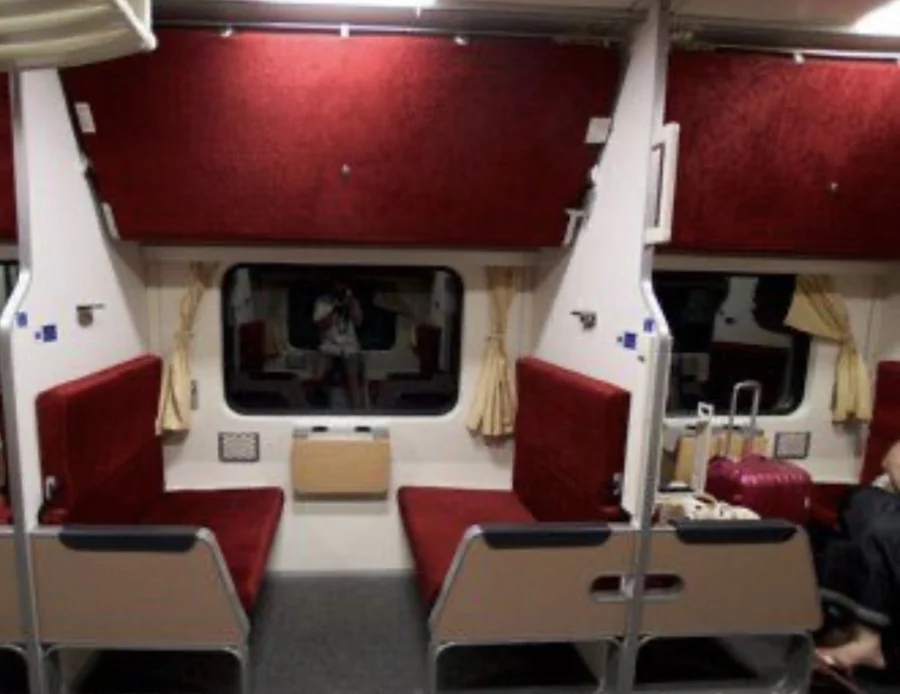
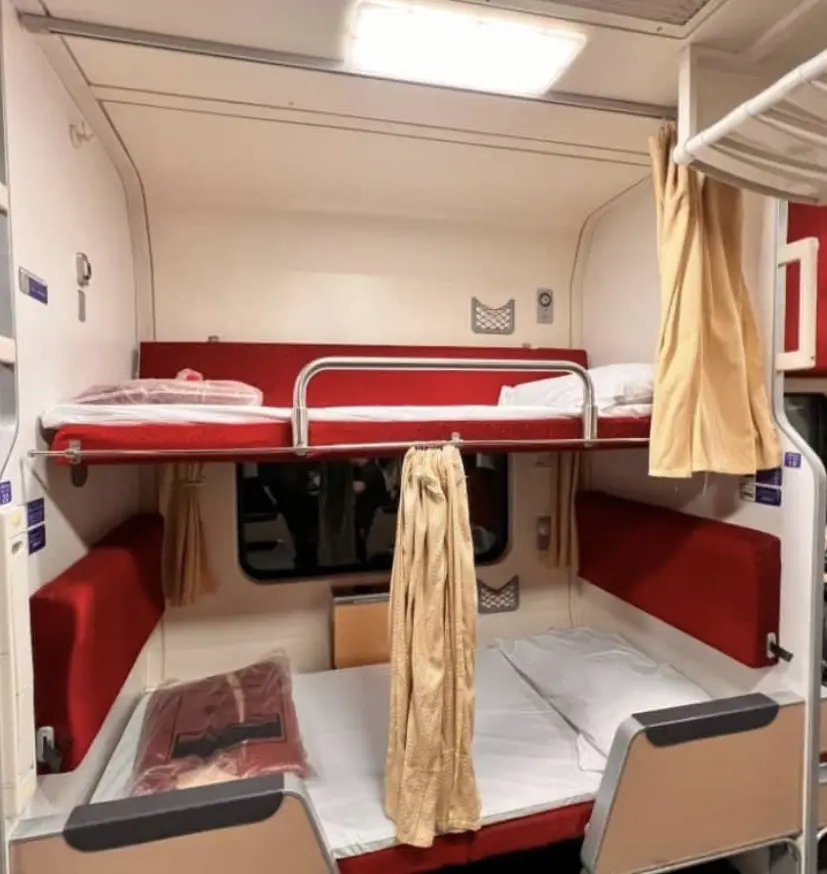
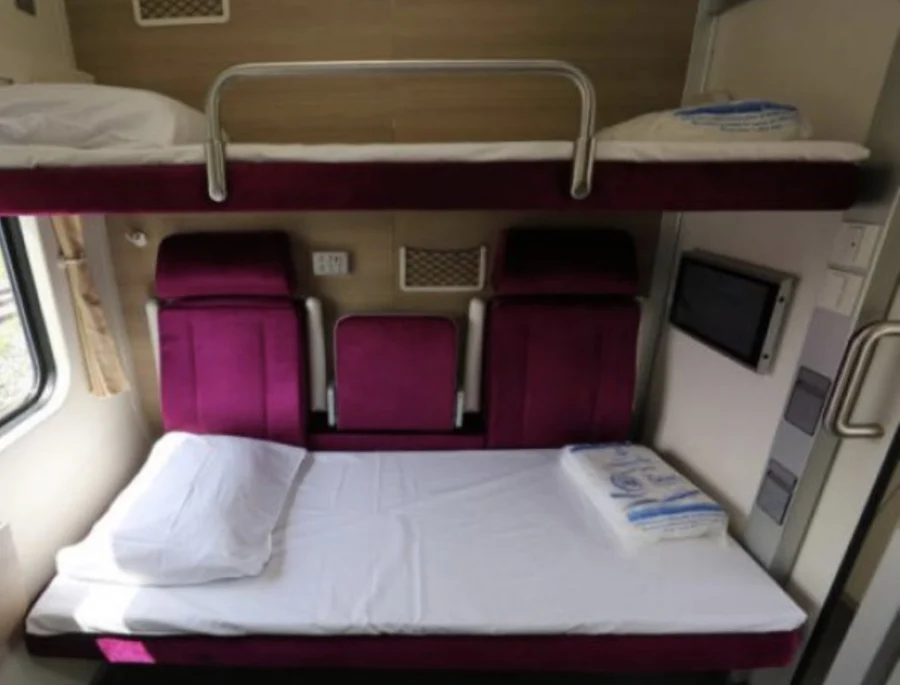
Our Second Class sleeper was honestly much nicer than I expected. Clean bedding, decent air-conditioning, enough privacy and a strangely calming atmosphere once everyone settles down for the night. Which was surprisingly early, because once it’s dark outside, there’s nothing much to do and the seats were more comfortable when they were turned into beds. Also, it was absolutely freezing.
The one thing I would pay extra for is the lower berth. The lower beds are wider, easier to get into and you get the window. The upper berths are cheaper, but you do have to climb up a little ladder and the space feels more enclosed. Perfectly manageable, I’ve been told. I solved this particular issue by sending Marc into the upper berth while I happily claimed the lower one.
You can technically do this journey in Third Class too, which is the true backpacker-budget option: upright seats, fans instead of air-conditioning and absolutely no beds. My twenty-something daughter would probably have considered that “part of the experience”. I personally enjoy arriving in a new city with at least some remaining will to live, so sleeper class felt like money very well spent. It was indeed quite comfortable and I had a surprisingly good night’s sleep, once I was used to the swaying and the sound.
If you’re debating whether First Class is worth the splurge, I’d personally say probably not, unless privacy matters hugely to you or you’re an exceptionally light sleeper. Second Class on the newer trains feels far more comfortable and civilised than the name suggests.
Booking the Thailand sleeper train: what you need to know
I massively overcomplicated this part before our trip. Some websites made it sound as though booking the Thailand sleeper train required military-level planning, secret insider knowledge and the reflexes of someone trying to buy Harry Styles tickets. In reality, it’s fairly straightforward once you know a few key things.
First of all: yes, you should book ahead. The popular sleeper trains on this route do sell out, especially during Thailand’s busy season from roughly November to February. Lower berths disappear first, followed by First Class cabins. If your dates are fixed, I’d book sooner rather than later simply for peace of mind. For quieter times of year, booking a few weeks ahead is usually enough. We booked ours well in advance because I knew I’d spend the entire trip mildly stressed otherwise.
The easiest booking sites for international travellers are:
• The official SRT D-Ticket website
• 12Go Asia
We used 12Go Asia because it was simple, the payment worked immediately and I could clearly see exactly what we were booking without accidentally reserving something involving upright seating and regret.
When booking, you’ll usually need to choose:
• upper or lower berth
• air-conditioned or fan carriage
• First, Second or Third Class
One important detail: Thailand’s railway website does not always make things look especially intuitive. Don’t panic if the carriage diagrams seem slightly mysterious at first. Once you know your train number and class, the rest becomes much easier.
You also don’t need to print piles of paperwork anymore. Most travellers simply show their booking confirmation on their phone before boarding.
And finally: don’t assume you can just turn up on the day and grab a sleeper ticket. Thailand’s overnight trains are hugely popular now, with both tourists and Thai travellers, and the best berths genuinely do disappear.
Boarding the train: what to expect
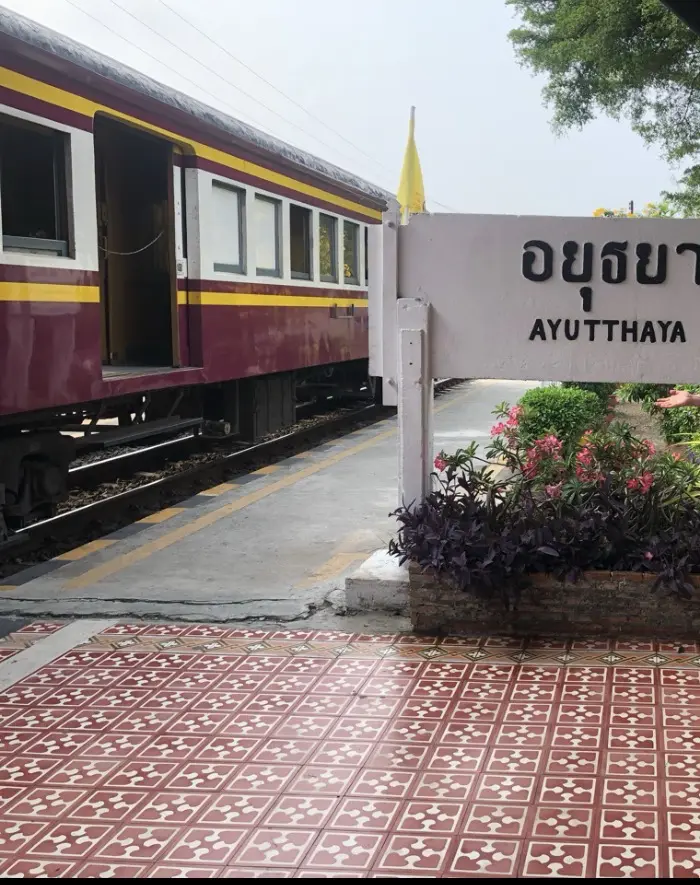
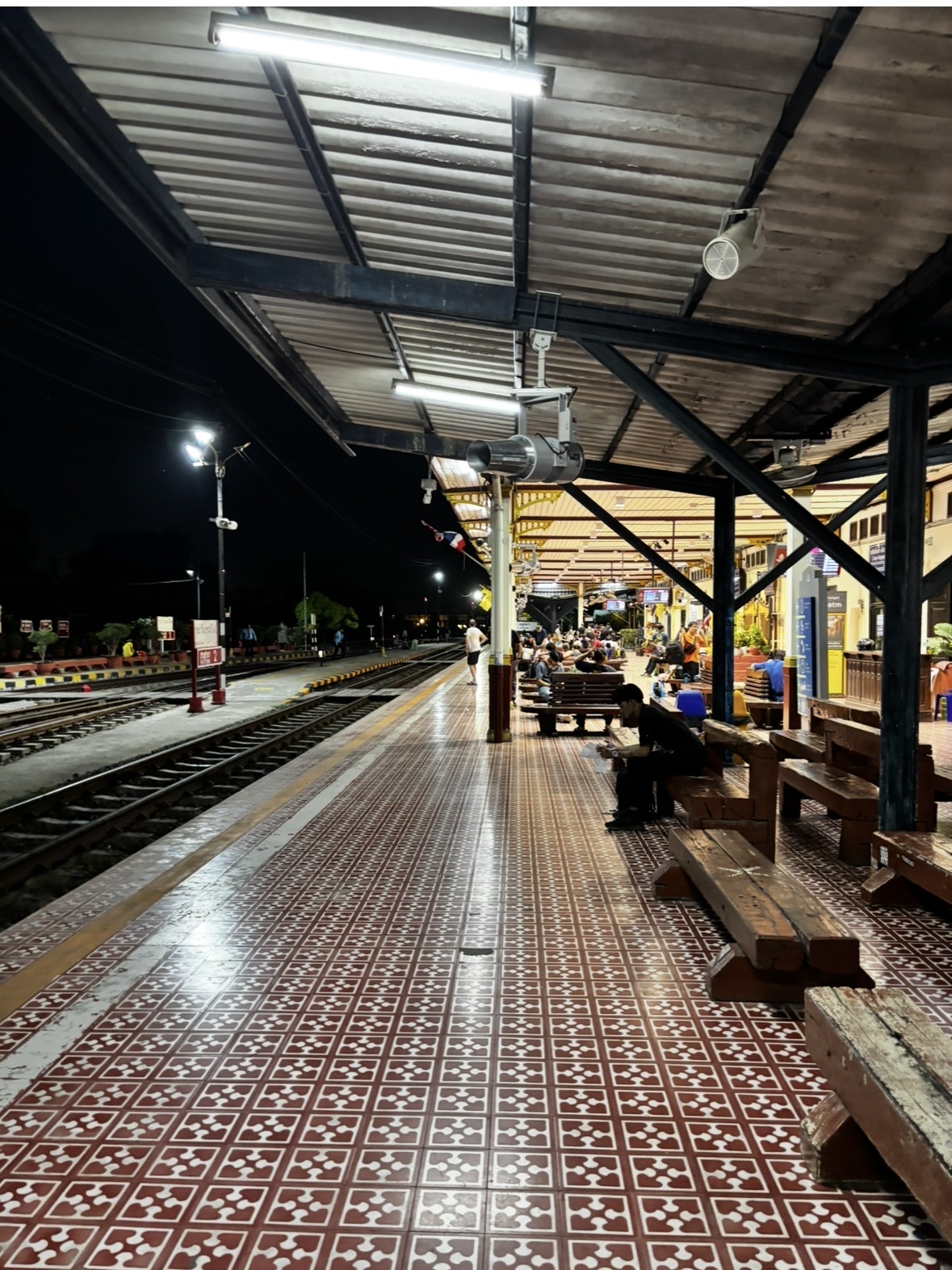
We actually didn’t board in Bangkok on the way to Chiang Mai. Instead, we picked up the sleeper train in Ayutthaya after spending a day there first.
What I hadn’t expected was how little we needed to worry about actually making it on the train. Our driver dropped us at Ayutthaya station and told us very firmly to wait in the station restaurant until somebody came to get us. Normally I would have assumed something had been lost in translation, but considering it was approximately 42 degrees outside and the restaurant had air-conditioning, we followed instructions without argument.
About ten minutes before departure, a railway employee appeared, checked our tickets, told us to follow him and calmly walked us down the platform before leaving us in exactly the right place for our carriage. It all felt oddly VIP considering we were simply standing there looking slightly overheated and confused.
The return journey from Chiang Mai to Bangkok was less organised in that respect. Nobody came to collect us and we had to work out for ourselves where the carriage numbers would stop along the platform. Thankfully, enough people were hovering around looking equally uncertain that it became fairly obvious after a while.
In exchange, however, somebody immediately appeared and carried our suitcases onto the train for us, which was deeply appreciated because boarding does involve a bit of a climb. The steps into the carriage are quite steep and narrow, particularly with luggage.
It was perfectly manageable, but it’s worth knowing in advance if mobility is a concern for you. The upper berths also require climbing a small ladder. More about accessibility later.
What the sleeper train is actually like overnight
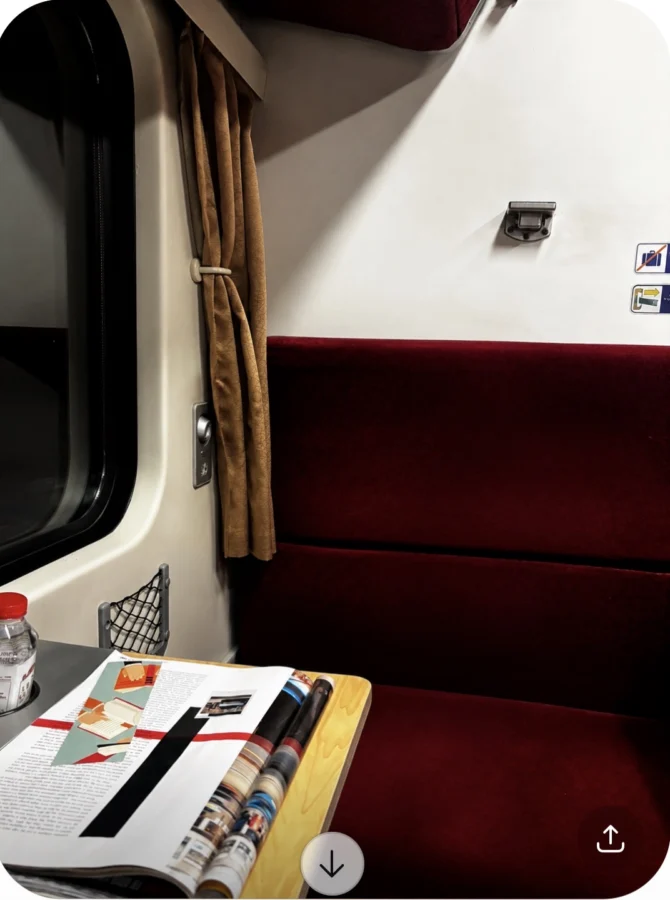
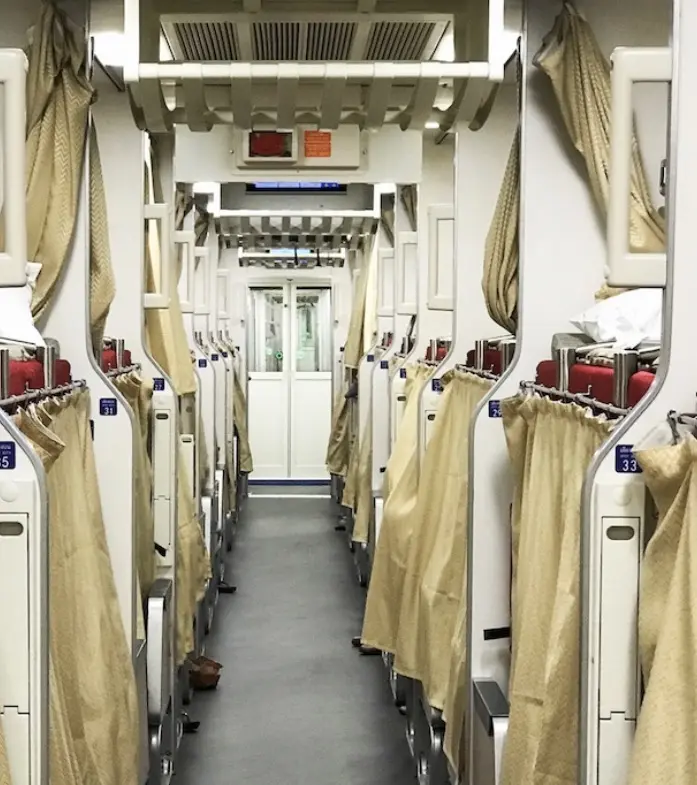
One thing I hadn’t fully understood before this trip is that you do not board the train and immediately find neat little ready-made beds waiting for you. At the beginning of the journey, everyone sits upright in pairs of fairly hard, straight-backed seats facing each other, with a small table in between. Across the aisle are more seats. It sounds far less private than it actually feels, because there’s a small dividing wall between each seating section, so you’re not directly staring at the people in front of or behind you the entire evening.
It was also surprisingly cold almost immediately. I had read this online beforehand and still underestimated it. The air-conditioning on Thai sleeper trains is enthusiastic. If you’re someone who is permanently cold anyway, bring layers. I was very grateful I’d brought the sweater so many people had made fun of.
The really funny part is how early the train staff convert everything into beds. And when I say early, I mean ridiculously early. At around eight o’clock, employees suddenly appeared and efficiently transformed the entire carriage while everyone scrambled to move bags, drinks and limbs out of the way.
After that, there honestly isn’t much left to do except accept your fate and climb into bed. The lights dim, the curtains close around the carriage and suddenly the whole train turns oddly peaceful. Personally, I suspect the freezing temperatures and early bedtime situation are a deliberate form of crowd control. But once I pulled the curtain closed along the aisle and left the window curtain open, I actually found it incredibly relaxing. There was something strangely soothing about lying there watching Thailand slide past in the darkness while the train rattled gently north.
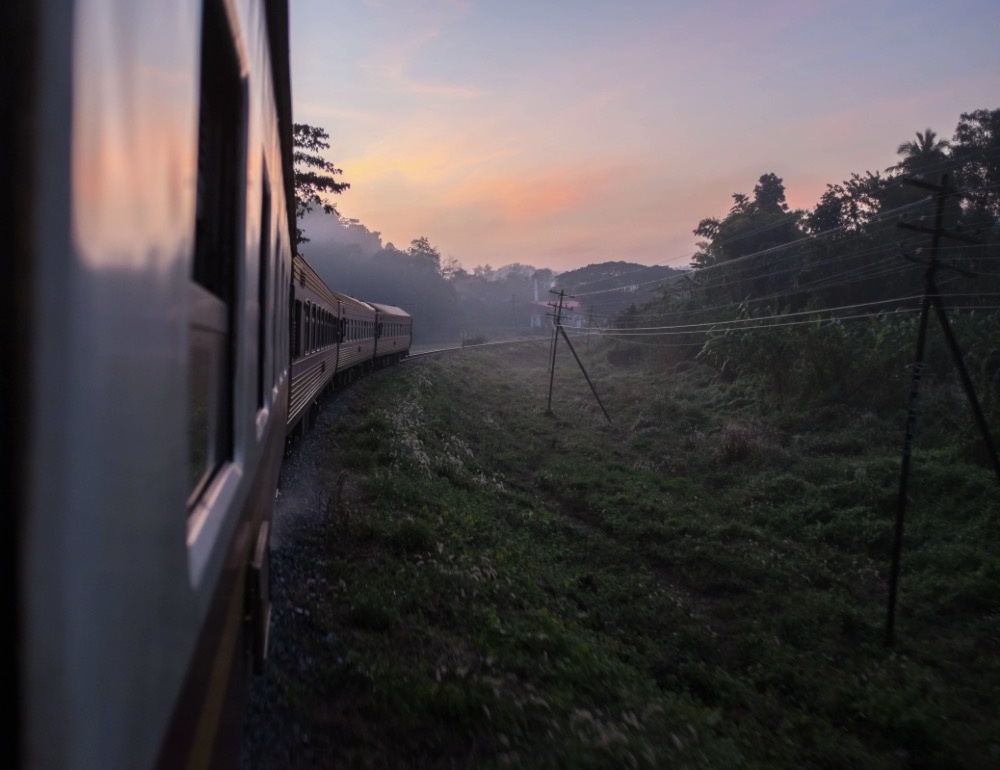
And surprisingly, I slept reasonably well. Not perfect sleep, obviously. You are still on a moving train surrounded by unfamiliar noises, occasional station stops and the gentle sway of the carriage. But considering the circumstances, it was far better than I expected. I woke up around sunrise, which turned out to be one of my favourite parts of the whole journey. Soft morning light, misty scenery outside the window and that lovely feeling of waking up somewhere completely different from where you fell asleep.
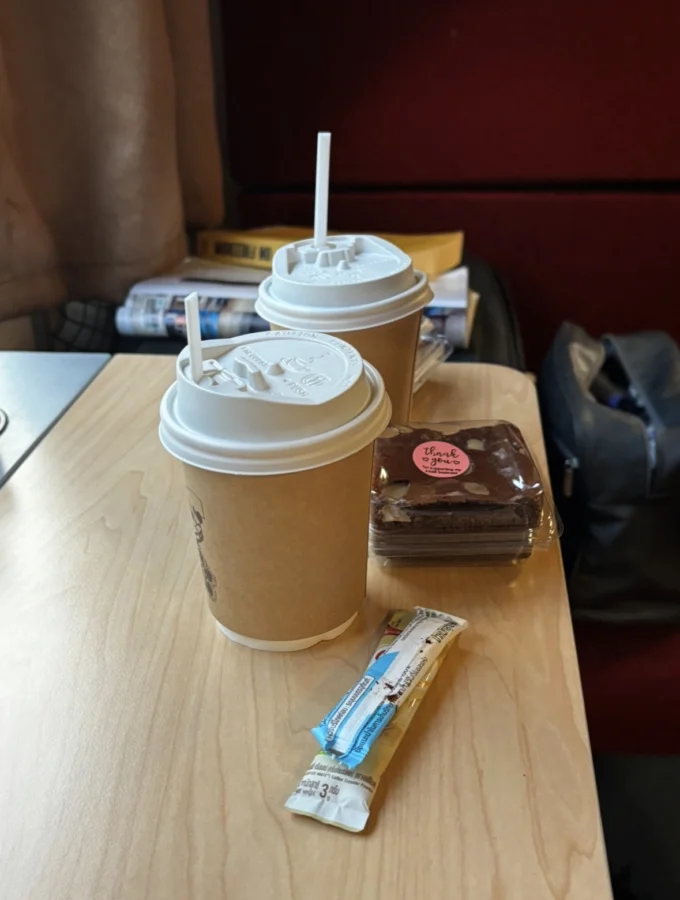
The night before, we’d ordered coffee and a brownie from the train staff for the morning, which became our slightly random but deeply appreciated pre-breakfast while watching northern Thailand roll past outside the window.

Accessibility and comfort: can you manage the sleeper train easily?
Honestly? I think most reasonably mobile travellers will manage the Bangkok to Chiang Mai sleeper train perfectly well, but I also think many travel blogs gloss over the practical realities a bit. The biggest thing to know is that boarding the train involves quite a steep climb up into the carriage. The steps are narrow metal steps rather than gentle little staircases, and if you’re carrying luggage yourself it can feel slightly inelegant. Especially in the heat.
The aisles inside the carriage are also fairly narrow. Not impossible at all, but definitely more “shuffle sideways while somebody walks past” than spacious luxury train vibes.
And then there’s the bathroom. Tiny. Truly tiny. Perfectly functional, but if you’re imagining roomy changing facilities where you can elegantly prepare for bed, absolutely recalibrate those expectations now. I became very skilled at brushing my teeth while trying not to elbow the sink, wall and door simultaneously.
The beds themselves were more comfortable than I expected, but this is still an overnight train rather than an orthopaedic sleep retreat. If you already struggle with back pain or are an exceptionally light sleeper, you may find the movement of the train and relatively firm mattresses tiring by morning. The upper berth also requires climbing a small ladder. Again, perfectly manageable for many people, but worth knowing in advance. Marc took one for the team (twice) and claimed the upper berth both ways while I happily spread out downstairs with my window view and easier midnight bathroom access.
That said, the newer Train 9 and 10 sleeper trains are much more accessible than older Thai trains used to be. The modern carriages now include a wheelchair-accessible carriage with a lift and larger accessible toilet facilities, which is genuinely encouraging to see.
Food, luggage and other things nobody tells you
One thing nobody really explains beforehand is what happens to your luggage once you board. There isn’t a huge dedicated luggage compartment like on some European trains. Larger suitcases are generally slid underneath the lower seats before the beds are made up for the night. It worked perfectly well, but if you travel with giant hard-shell suitcases the whole process may feel a little bit like advanced suitcase Tetris.
I kept valuables like my phone, passport and handbag close to me overnight simply because that felt sensible rather than because I felt unsafe. Once the curtains are closed, people largely disappear into their own little cocoon spaces anyway.
Food-wise, yes, you can buy food on the train. On our journey back from Chiang Mai to Bangkok there was a restaurant carriage attached, which initially sounded quite exciting and romantic in an Orient Express sort of way. The reality was somewhat less glamorous. The food was perfectly edible. But it definitely fell into the category of “slightly bland train dinner” rather than memorable Thai cuisine.
I honestly can’t remember whether there was a restaurant carriage on the way north from Ayutthaya to Chiang Mai. We simply never investigated properly before the entire train transformed itself into bedtime mode at an aggressively early hour. Staff did come through the carriage taking orders for drinks, snacks and breakfast items. The coffee and brownie we ordered for the following morning turned out to be a surprisingly excellent life decision.
My biggest tip would actually be: bring snacks. Especially if you board in the early evening and don’t want to rely entirely on whatever happens to be available on board. A few drinks, snacks and maybe something sweet for later made the whole experience feel much more relaxed and cosy.
Another small thing nobody mentions often enough: once the beds are made up, getting to your luggage underneath the seats becomes slightly awkward. So before the train staff begin their nightly carriage transformation, make sure you’ve already retrieved pyjamas, toothbrush, chargers, medication, a book or anything else you don’t want to excavate from beneath a mattress later.
Ask me how I know.

Arriving after an overnight train
I had secretly expected to arrive after the sleeper train feeling slightly broken. Not dramatically broken. Just the sort of tired, rumpled state overnight transport often produces, where you vaguely question your life choices while clutching bad coffee. But actually? We felt surprisingly functional both times.
One of my favourite parts of the whole experience was waking up at sunrise and peeking out through the curtain to see where we were. Heading north to Chiang Mai, the scenery slowly became greener and softer as morning arrived.
The journey back into Bangkok was fascinating in a completely different way. You wake up thinking you must be nearly there by now… and then Bangkok just keeps going. Endless suburbs, buildings, tracks, stations, highways …… the city seems to stretch on forever before you finally arrive properly back in civilisation. If you’re spending a few days in the capital before or after taking the train, here’s how we spent our three days in Bangkok.
By that point, the carriage slowly starts waking up around you. Beds are turned back into seats surprisingly early. Bags reappear from under benches, coffee arrives and everyone emerges from behind their curtains looking remarkably decent considering we’ve all essentially spent the night rattling across Thailand together.
We had arranged drivers at both ends of the journey, which turned out to be an excellent decision. After an overnight train, there is something deeply comforting about walking out of the station and immediately spotting somebody holding a sign with your name on it. I could very easily get used to that level of organisation in my life.
What was probably the biggest surprise of the sleeper train overall: it never really felt like “lost travel time”. The journey itself became part of the trip rather than simply the annoying bit between destinations. Would I have slept better in a proper hotel bed? Obviously yes. But would waking up in Chiang Mai – or slowly rolling back into sprawling Bangkok at sunrise – have felt half as memorable if we’d simply taken a quick flight? Probably not.
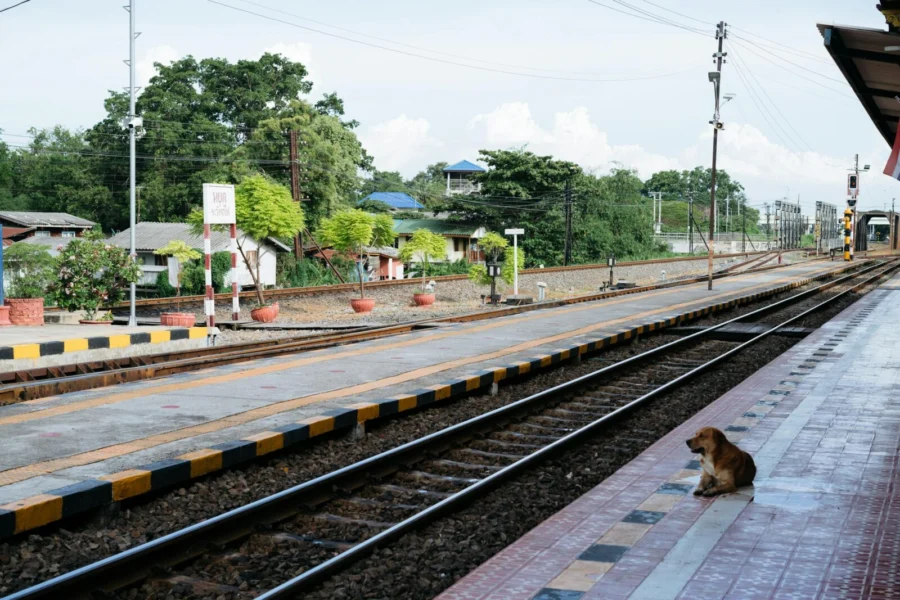
Would I take the sleeper train again?
Yes. But maybe not both ways.
I’m genuinely very glad we did it because the sleeper train ended up becoming one of the most memorable parts of our Thailand trip rather than just a way of getting from A to B. I loved the whole atmosphere of it: the little curtained beds, the sunrise views, the early morning coffee and the gentle feeling of travelling slowly through the country rather than simply flying over it. And honestly, it was far more comfortable than I expected.
That said, overnight travel is still overnight travel. Even with a decent sleeper berth, you’re still dealing with train noises, movement, cold air-conditioning and a night that is never going to feel quite like sleeping in a proper hotel bed. Doing it once felt adventurous and memorable. Doing it twice in fairly quick succession did make me appreciate the concept of staying still for a night.
So yes – I would absolutely take the Thailand sleeper train again. But next time I’d probably combine one overnight train with one short domestic flight. Partly for variety and partly because I suspect that’s the sweet spot between “wonderful travel experience” and “middle-aged woman who now requires proper recovery time”.
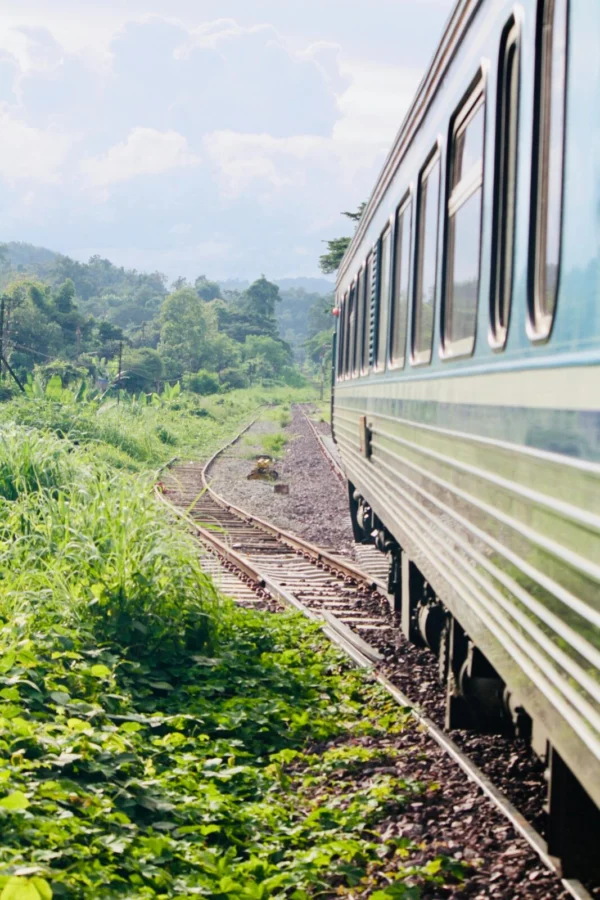
Final verdict: who this train is perfect for and who should probably fly instead
I completely understand now why so many people love the Bangkok to Chiang Mai sleeper train. It turns the journey itself into part of the trip rather than simply the inconvenient bit between destinations. You fall asleep in one part of Thailand and wake up somewhere completely different. Stay awake and you may even get a small glimpse of the country in between. You simply don’t experience that from 35,000 feet in the air.
For travellers who enjoy slower travel, a bit of atmosphere and the feeling of actual adventure, it’s absolutely worth doing at least once. I also think it works particularly well for people who don’t love airports. No aggressive baggage rules, no turning up three hours early, no racing through terminals trying to find Gate 47B while carrying liquids in tiny plastic bags.
That said, I wouldn’t recommend it to absolutely everyone. If you are an extremely light sleeper, have significant mobility issues, struggle badly with back pain or simply know that you become a terrible human being after one disrupted night of sleep, a short domestic flight may honestly be the kinder choice. And there’s no shame in that whatsoever. The sleeper train is comfortable for a train. It is not a luxury hotel on rails, no matter what Instagram occasionally suggests.
But for us? I’m very glad we did it.
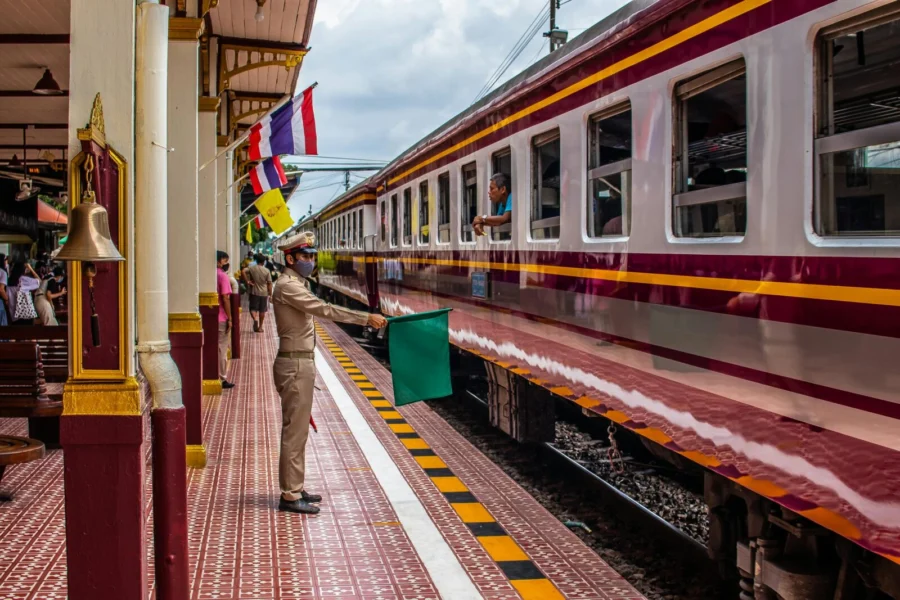
If you’re still in the early planning stages of a trip to Thailand, I also wrote about how these days we plan itineraries without trying to cram too much into every single day.