Can I still go on safari at 55+? (Updated december 2025)
Wondering about safari at 55+
If you’re over 50 or 55 and wondering whether a safari is still realistic, safe, or enjoyable, you’re not alone. I asked myself the same question before going on safari.
At 55+ with a few pounds too many, I wasn’t sure how demanding a safari would really be. Would it be bumpy? Exhausting? Terrifying? Would I be expected to leap gazelle-like into a tall 4×4?
This experience is part of our South Africa travel for over-55 travellers guide, which covers comfort, safety, and what to expect when visiting South Africa.
At a glance
- Can you do it? Yes — totally achievable for most people
- Fitness needed: Low to moderate (mostly sitting in a vehicle)
- What to expect: Bumpy roads, early starts, guided drives
- Comfort tips: Bring water, sunscreen, a hat, layered clothing
- Highlights: close wildlife sightings, relaxed pace, expert guides
Spoiler: it was absolutely fine. More than fine, actually.
A safari is far more manageable – and far more magical – than many older travellers expect. You spend most of the day sitting, the pace is unhurried, and the guides are experts at making the experience accessible for any age and fitness level.
To find out what our safari day was really like, read on!
Up before dawn
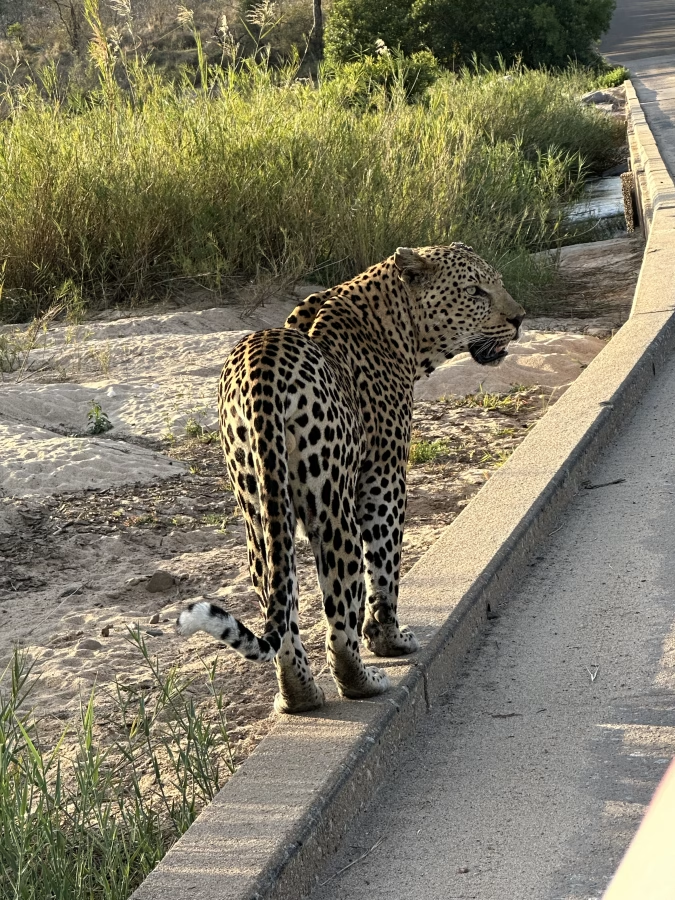
Getting up at the crack of dawn isn’t usually my idea of fun. I prefer my adventures to start in broad daylight and after a cup of coffee. But waking up at 4:30 AM in our resort Bush Villas on Kruger, all I felt was excitement – okay, and maybe mild terror. After all, we were about to climb into an open vehicle and trust the guide’s breezy reassurance that “the animals wouldn’t attack as long as we kept our arms and legs inside the vehicle.” Comforting: nothing says holiday relaxation like sitting a few feet away from a leopard and hoping it has been thoroughly briefed and knows to respect the rules.
Is safari safe at 55+?
Our guide, Clinton from Bushbaby Adventures, drove us to the Phalaborwa entrance of Kruger Park. A young French couple joined us for the day. Clinton quickly dealt with the paperwork (there’s a LOT of paperwork): so passports at the ready and be prepared to sign a waiver. After that, he went on to give us our safety briefing.
Apart from “stay inside the vehicle” it came down to two things: don’t be complacent and don’t ever turn your back on anything. He then regaled us with the tales of other guides who had become complacent and must have turned their backs on something as well, as one was dragged into a river by a crocodile and the other one was trampled by a hippo. This did not exactly inspire confidence. After that cheerful little “Don’t get yourself killed”-chat, it was time to head into the park.
Sunrise and sightings
The very first thing we saw was a sunrise straight out of the Lion King. A sunrise worthy of its own soundtrack. The only thing stopping me (and I suspect everyone else) from breaking into the Rafiki-song and hoisting a pluche lion in the air was the presence of three total strangers.
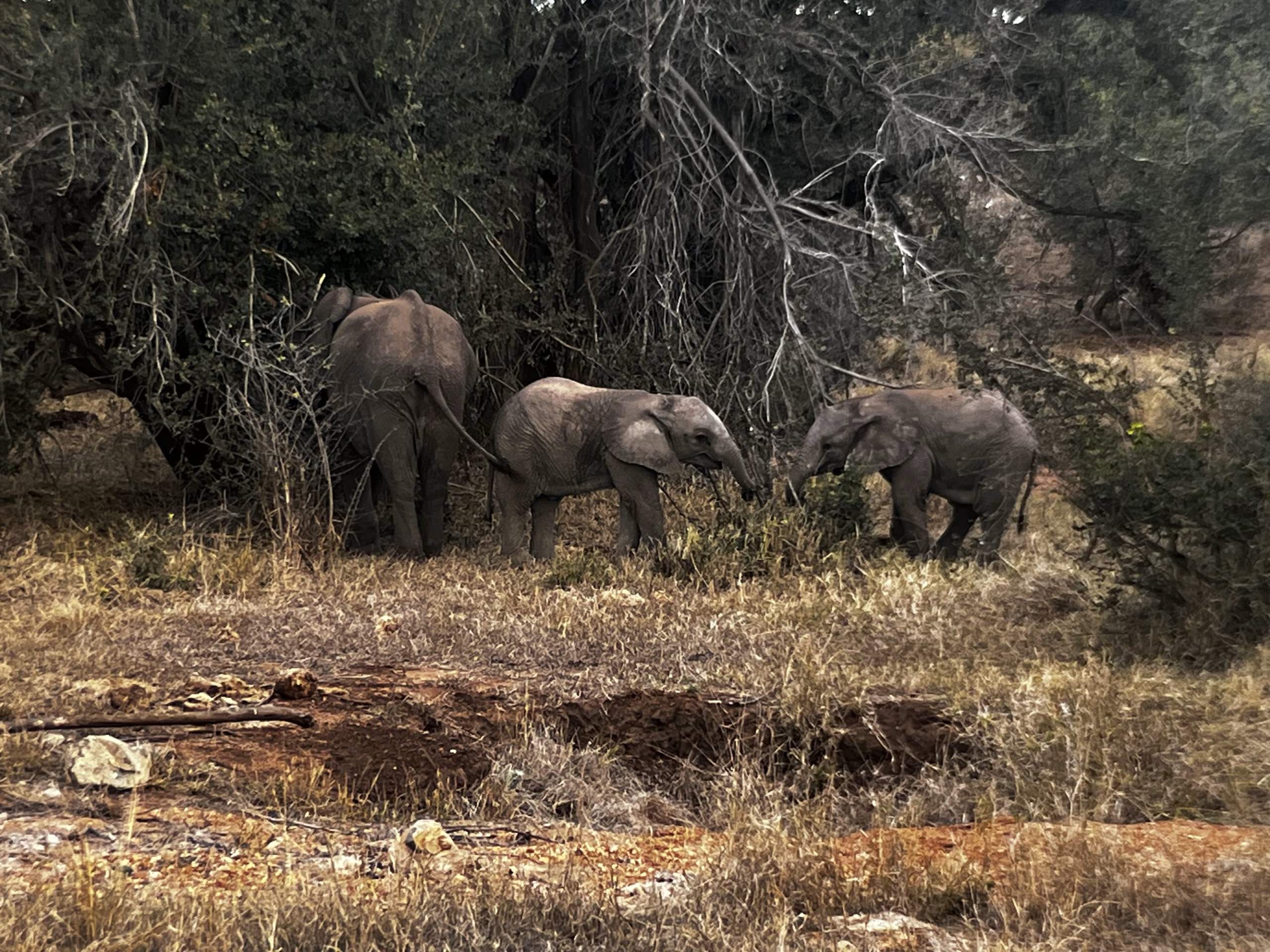
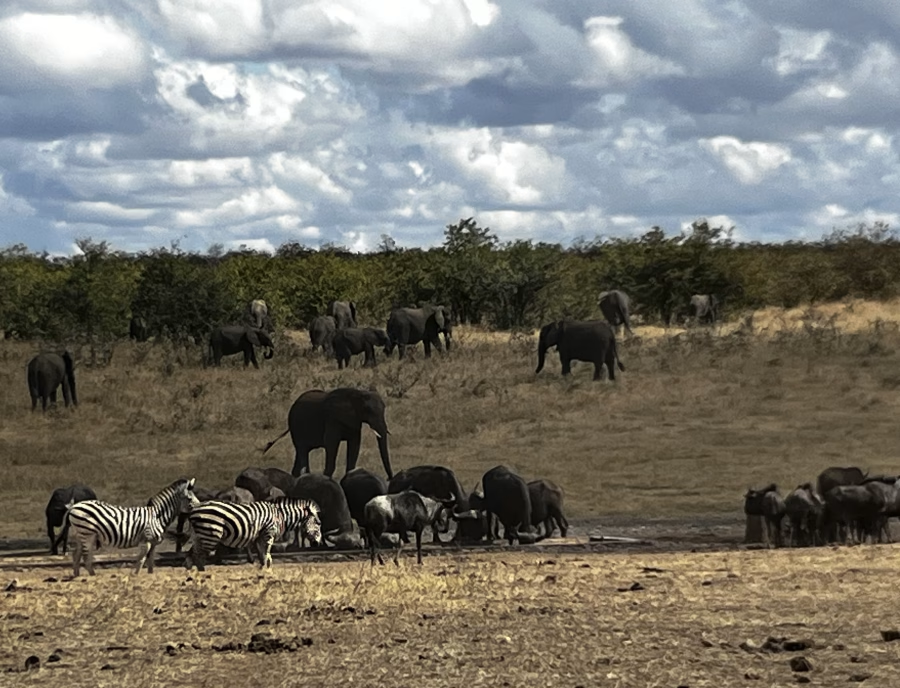
And then: an elephant. A real, wild, “I own this place” elephant. With her baby. Sure, I’ve seen elephants before, in zoos. Yes, I’m old enough to remember when they wore silly hats in the circus. But this was something else entirely. Here, they aren’t confined or performing. They just exist – massive and magnificent. It was awe-inspiring – and it was the start of a day that kept getting better.
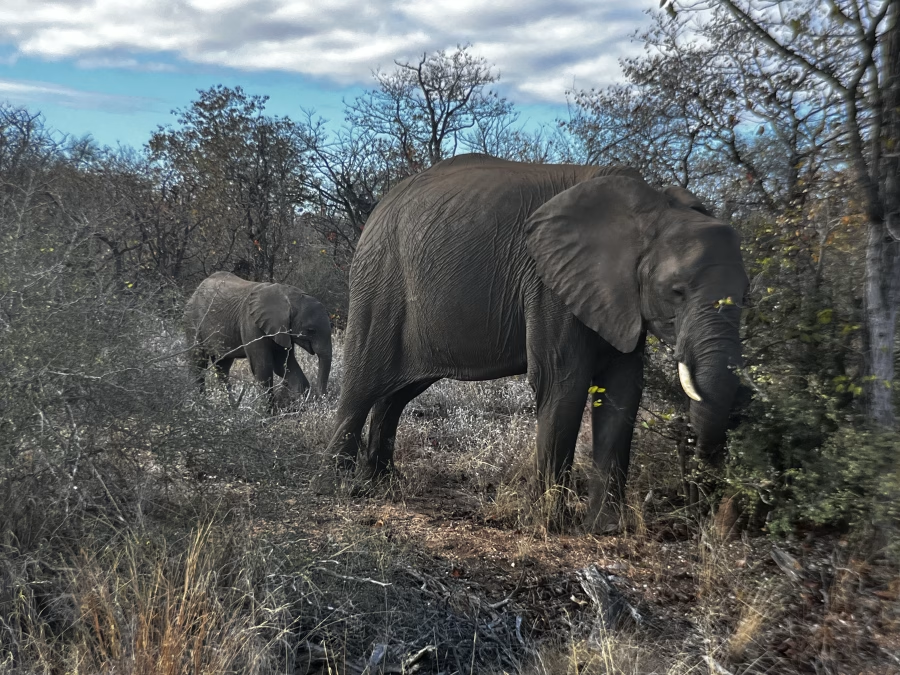
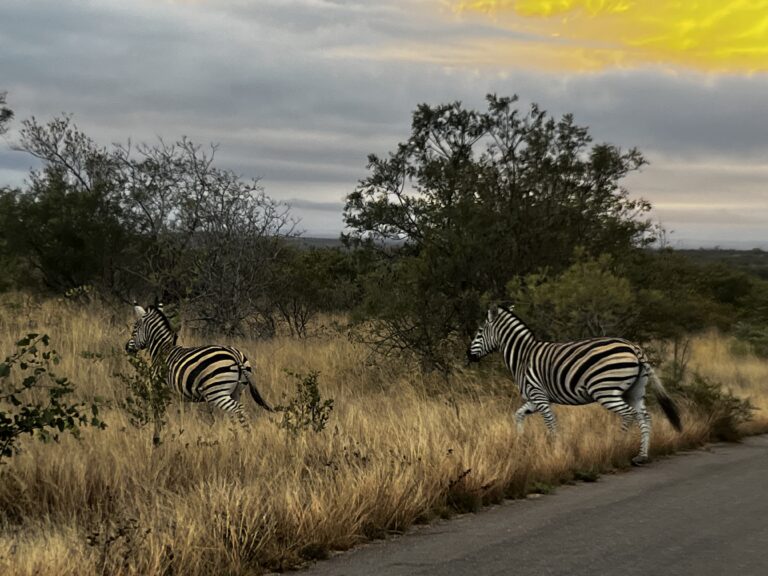
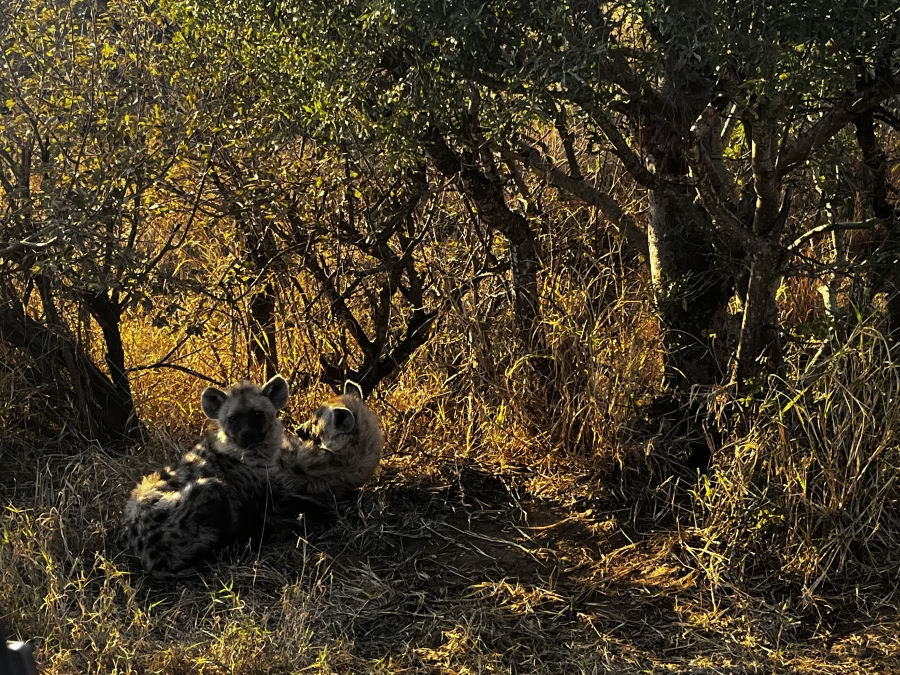
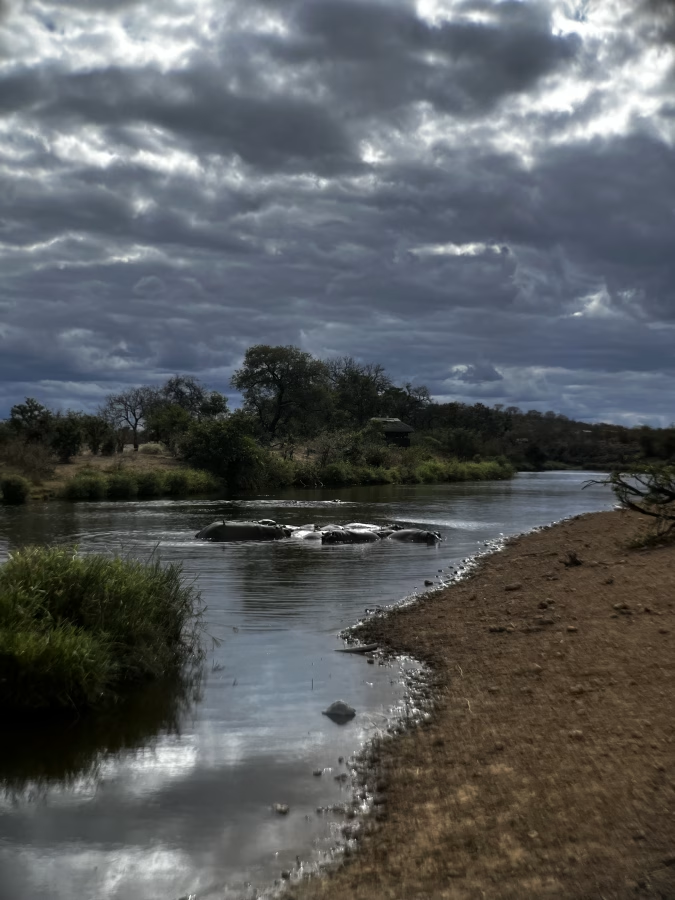
From there, the day just kept delivering: giraffes gliding by gracefully, hippos lurking in rivers like oversized pool floats, zebras and hyenas, more elephants, impalas and other jumpy beasts, a herd of scary-looking buffalo, more birds than I even knew existed and -gasp – a leopard. Throw in the wonderful breakfast and lunch Clinton prepared for us and all the information he gave us about the park and the animals, and it felt like the day was over before it had even started.
How physically demanding is a safari at 55+?
Now, for the most pleasant surprise of safari life – how easy it all is, physically. You’re not hiking across the savannah or chasing lions on foot (or vice versa). Instead, you’re sitting comfortably in an open vehicle (arms and legs firmly inside, obviously) while the animals do all the moving. It’s the laziest thrilling adventure you’ll ever have.
Will my bladder make it to the next rest camp?
Sure, there’s a bit of bouncing over the dirt tracks, but it’s more easy massage chair than Camel Trophy. All you have to do is sit back, take photos and try not to gasp too loudly when something big and toothy stares at you from the foliage. There’s the “will my bladder make it to the next rest camp”-worry. At least there was for me. But let me assure you, there are enough stops so you can use a toilet instead of having to squat in the bushes, surrounded by apex predators. Just tell the guide.
Will I be roughing it?
Not really. A few things to think about though. It can get hot, it can get cold and it will get dusty. Trust your guide to provide water, warm blankets and hot water bottles. Wear sunglasses and a hat and bring sunscreen and you’ll be fine.
There is some physical activity involved: climbing in and out of the safari truck, totally doable for everyone who has normal use of their legs. Just consider it your morning workout.
The pace is slow, the drives broken up with coffee stops and if your idea of fun is adventure without exhaustion, a safari ticks every box.
Can I still do it?
So to answer the question: yes, I can absolutely still go on safari and so can you. You don’t need to be superfit, fearless or even fully awake. All you need is curiosity and the ability to say “wow” every ten seconds. Just climb aboard that truck, don’t let the guide’s cautionary tales freak you out and let Africa do the rest.
Answers to questions about comfort and safety
Not really. Most safaris involve driving and optional short walks. Just don’t choose the type of safari camp where walking is the only way. There are not many of those, but they do exist. As long as you can climb in and out of a safari truck you’ll be fine.
Depends where you’re going. Kruger has tarmac roads and very bumpy dirt tracks and everywhere in between. Private game reserves generally have bumpy tracks, but vehicles are equipped for comfort and safety. Guides will do their utmost not to launch you from your seat into a nearby water hole. They will succeed at this. Bring a cushion or travel pillow if needed.
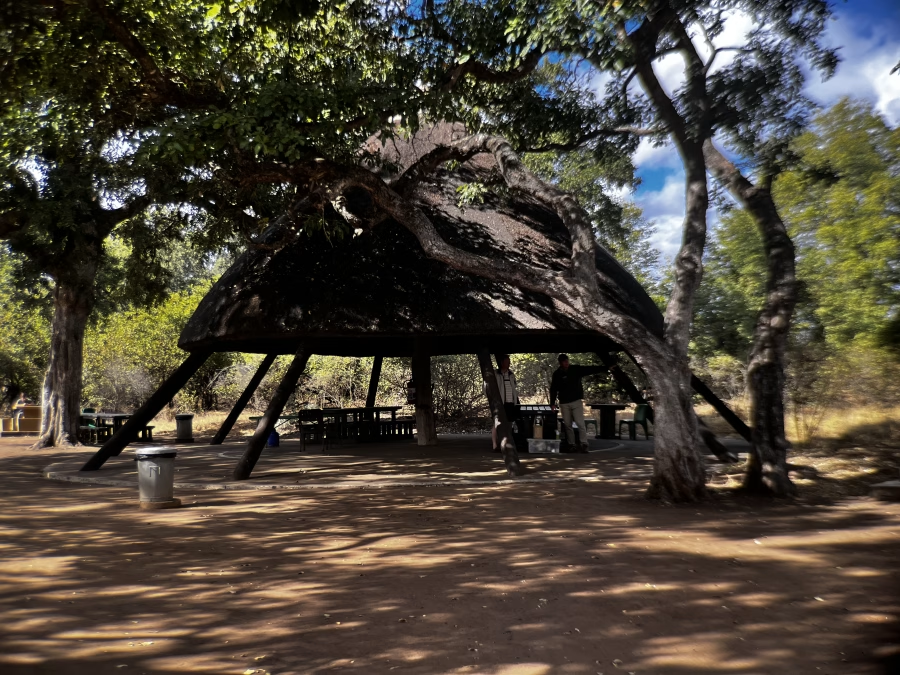
Mostly yes in Kruger Park and the other national parks. There are plenty of rest camps and picnic sites with toilet facilities. My advice: use them at every opportunity if you don’t want to have to ask a guide to keep watch while you squat behind a bush. In private game reserves there are fewer facilities while on the drive, but you don’t stay away as long.
Nothing is ever 100% safe of course but safari guides are trained for safety and emergencies. Listen to the guides, keep your arms and legs inside the vehicle, don’t stand up or make other sudden movements. I’m not the bravest person in the world and I never felt unsafe or scared.
We did both, and I loved both. But then, I wasn’t the one doing the driving. I’ll write more about this choice in a separate post, but if you have to opportunity: do both.
Layers. As always, the answer is layers. Mornings and evenings can get cold, so bring a light jacket and maybe (gasp) a pair of those flattering zip-off trousers. Bring a hat, a scarf, sunglasses and sunscreen as well. And of course, don’t forget your binoculars and your camera.
Want to read about our stay in a safari resort in Timbavati private game resort? Click here!
Find general information about travelling to South Africa here
Want to stay in the same lovely resort we did?
Take a look at Bush Villas on Kruger
What about you?
Is there a ‘bucket list’ trip you’ve been hovering over the ‘book now’ button on? I’d love to hear what’s holding you back—or better yet, tell me about the time you said ‘yes’ to the wild in the comments.