Awe and hesitation: what travellers over 55 really ask
If you’re wondering whether South Africa is realistic and enjoyable at 55+, the short answer is yes. Most travellers manage it comfortably. The key is pacing yourself, choosing the experiences that matter most, and being realistic about logistics. It’s not about age; it’s about stamina, curiosity, and planning your days sensibly.
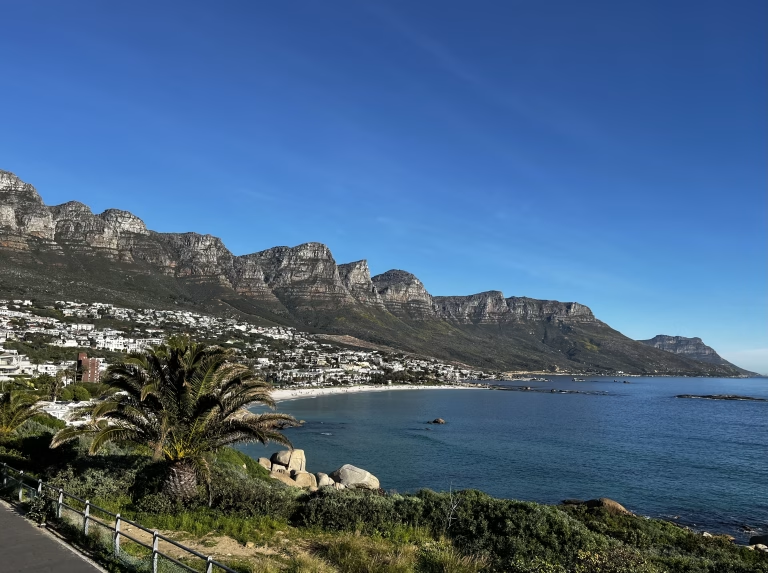
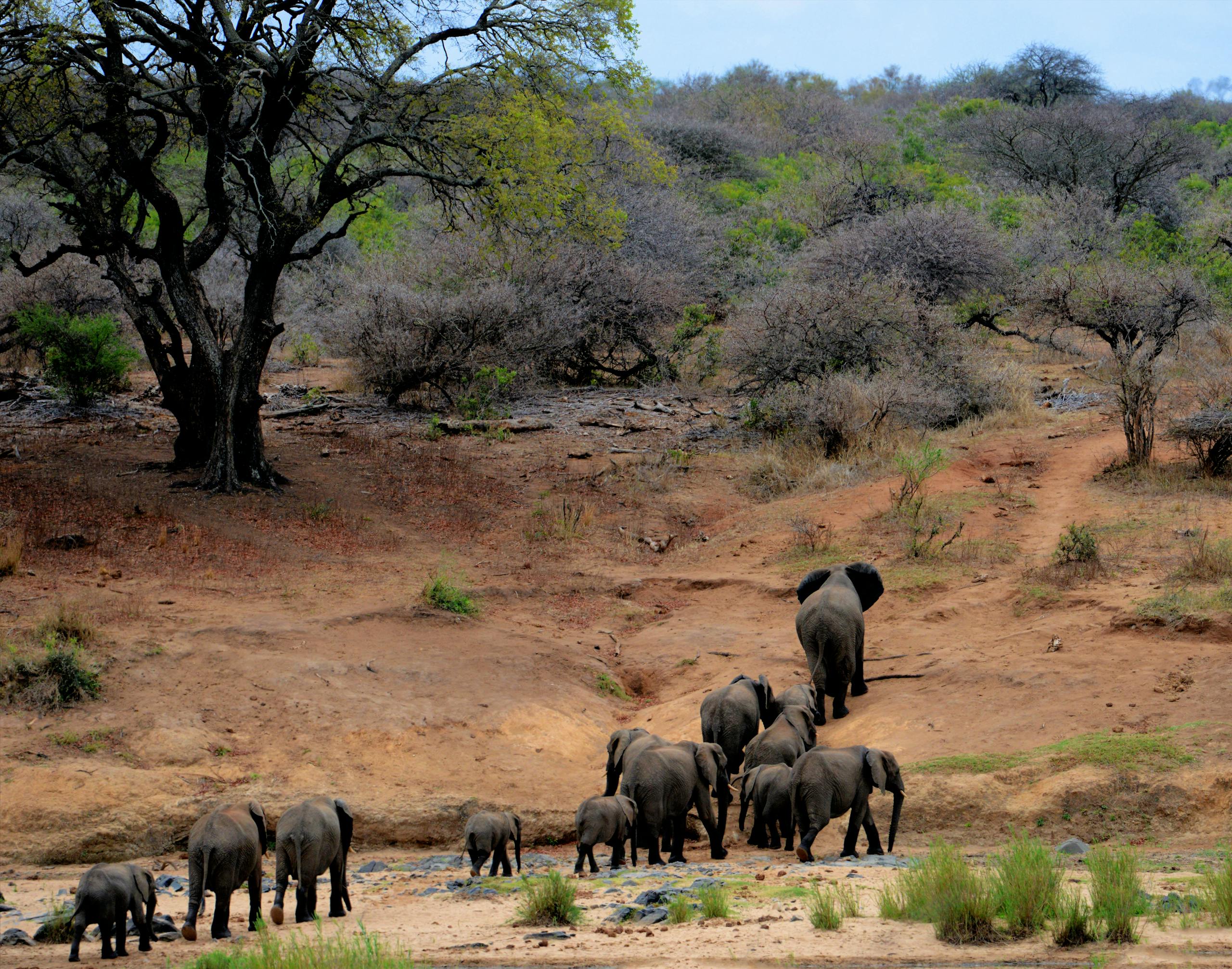
In a lot of people, South Africa evokes two immediate reactions: awe and hesitation. Awe, for its sweeping coastlines, wild landscapes, beautiful wildlife and vibrant culture. Hesitation, because of its scale, complexity, and reputation.
While planning this trip, our questions were mostly practical. Think: “Is it safe?”, “Will it be exhausting?” and “Can I drive myself or should I join a tour?”. Rather than “What are the best instagram spots in Cape Town?” and “Is it possible to look good in beige?” Although truth be told, I googled the last two as well.
After exploring Cape Town, the Winelands, the Karoo, the Garden Route, Kruger Park and private game reserves in our late 50s, I can safely tell you this: South Africa is extraordinary- if you plan with awareness and pacing.
Safety considerations
Yes, South Africa has a reputation for high crime. That gave us pause when planning our trip – and, let’s be honest, we double-checked our insurance. But for travellers sticking to well-established routes, the reality is usually far less dramatic than headlines suggest.
A little caution and common sense go a long way: choose accommodations wisely, avoid wandering around aimlessly after dark, keep an eye on your belongings, and trust your instincts. Inner-city areas are best avoided at night, unattended ATMs are best ignored, and if something feels off… walk away.
We spent just over three weeks exploring South Africa, and the only moment I felt slightly uneasy was walking between a restaurant and a cinema in Johannesburg. Even then, it wasn’t because of any real danger – just the city’s reputation.
Energy and pacing yourself.
The biggest trap isn’t age: it’s underestimating the scale. South Africa is vast: distances are longer than they look, and ambitious itineraries can quickly become exhausting. Cape Town alone deserves four or five days. The Garden Route may seem compact on a map, but it unfolds slowly in real life. Spend less than four or five days in and around Kruger Park or other major game reserves, and you’ll likely wish you’d stayed longer. We didn’t even touch on the area around Durban, eSwatini, or the Drakensberg Escarpment – the country is simply too big to fit into a single trip.
Pro tip: Fewer hotel changes, built-in recovery days, and extra days spent doing not much at all can turn a rushed itinerary into a truly immersive experience.
For inspiration, check out our full South Africa itinerary here.
Safari: comfortable adventure
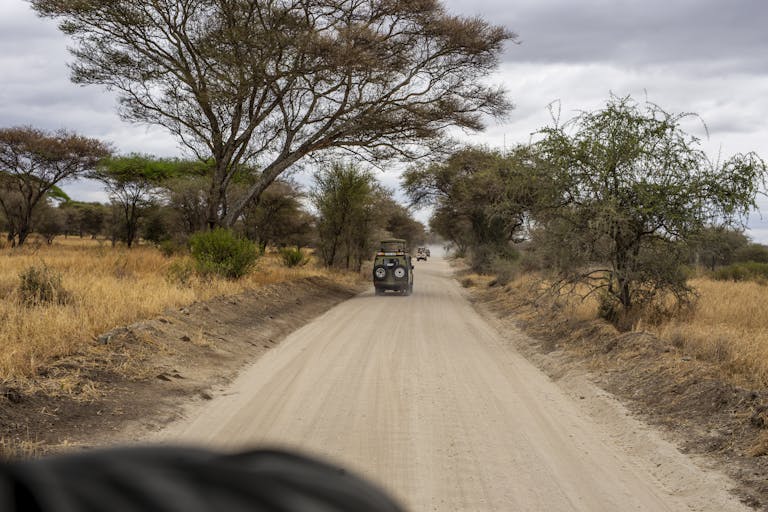
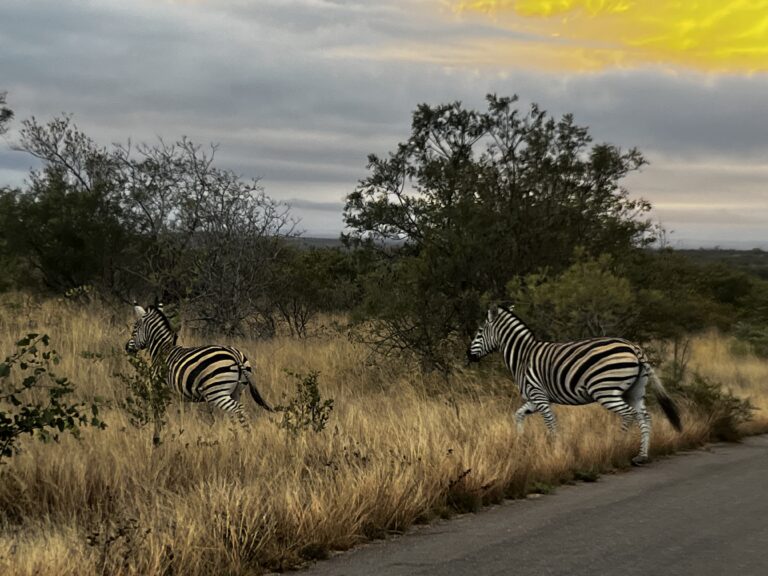
Many travellers assume safari is physically demanding. It rarely is. If you can get up early, climb in and out of a safari vehicle and tolerate a few hours bouncing along dirt roads, you’ll be absolutely fine. Yes, many lodges offer walking safaris — but joining them is entirely optional.
When it comes to safari styles, you’ve got three main choices: self-drive, guided game drive, or a stay in a private game reserve.
Private reserves usually run sunrise and sunset drives, with long, lazy breaks in between. They’re typically all-inclusive, the lodges are luxurious, and the staff somehow anticipate your needs before you even realise you have them. It’s a dreamy setup – just not the cheapest.
Guided game drives start early and can stretch into the afternoon. If you’re sharing a vehicle, you’ll need to accept that someone else might be very passionate about birds. Or about leopards, if you prefer birds. Read about our guided safari adventure here.
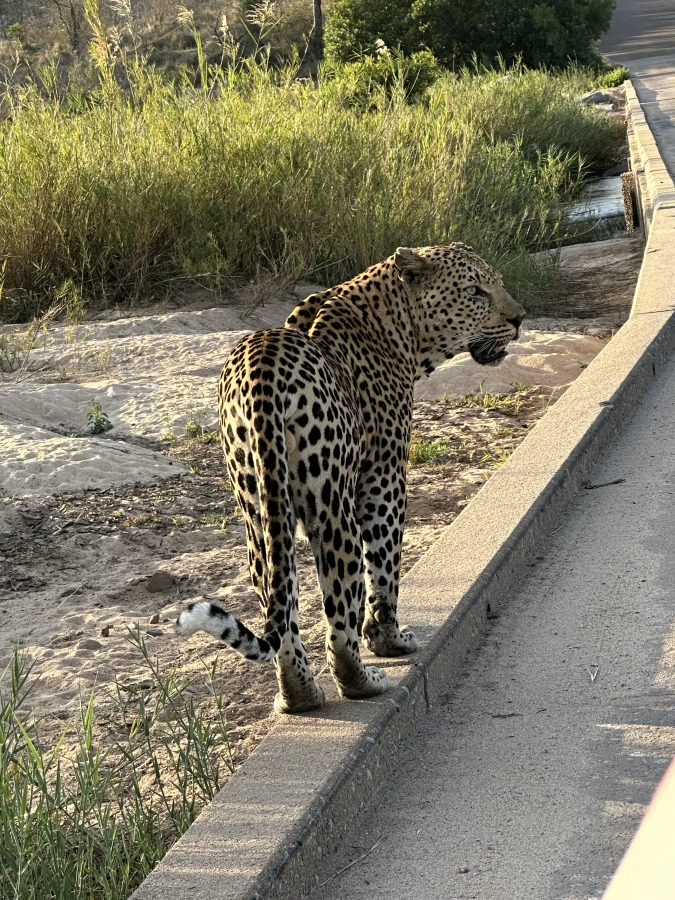
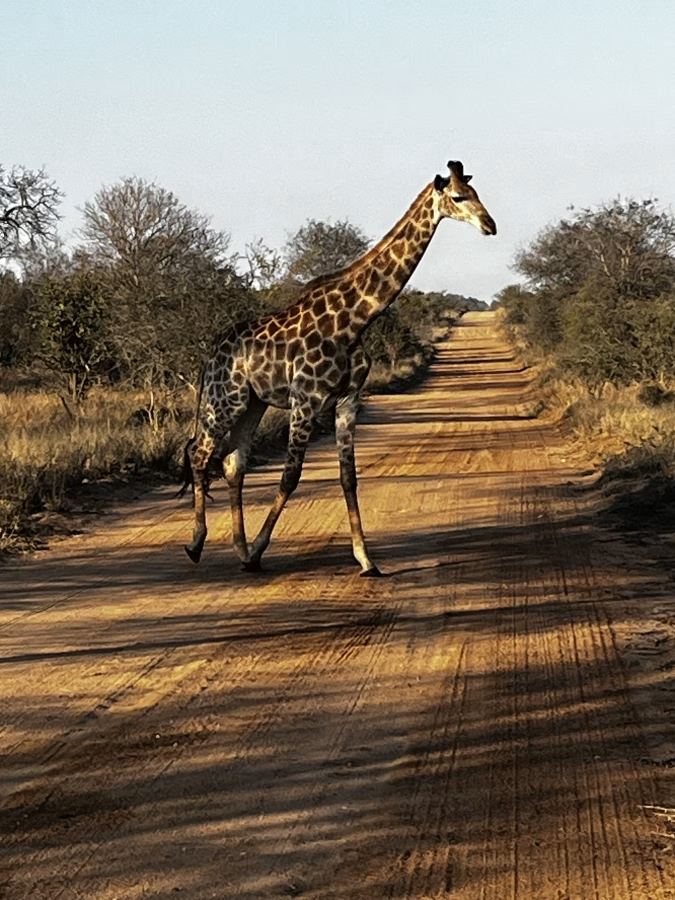
Self-driving gives you full control (within park opening hours). You decide when to leave, where to linger, and when to call it a day. Personally, I found it the most adventurous option – although I wasn’t the one doing the driving.
If you’re weighing up your options, I’ve written a detailed comparison of the three safari styles to help you figure out what suits you best. My honest advice? If time and budget allow, do them all. And stick to safari etiquette, of course.
Driving in South Africa at 55+
Roads are generally in good condition, although potholes do make surprise appearances. The stretch between Hoedspruit and the Panorama Route was particularly rough when we drove it – not somewhere we’d choose to navigate after dark. Otherwise, signage is clear, petrol stations are dependable, and yes – driving is on the left. If you’re used to the right-hand side of the road, it takes a little concentration at first, but the adjustment is quicker than you might expect.
The bigger challenge isn’t the roads themselves, it’s stamina. A three-hour drive can quietly turn into four or more, and a couple of back-to-back driving days can sneak up and leave you feeling surprisingly weary. My advice: build in breathing space, don’t push every day to the max, and if a stretch looks especially ambitious, consider a short domestic flight.
Self-driving in South Africa is highly rewarding, giving you freedom, flexibility, and plenty of moments to feel like a proper adventurer. Just be realistic with your itinerary, and try to keep optimism within reasonable limits.
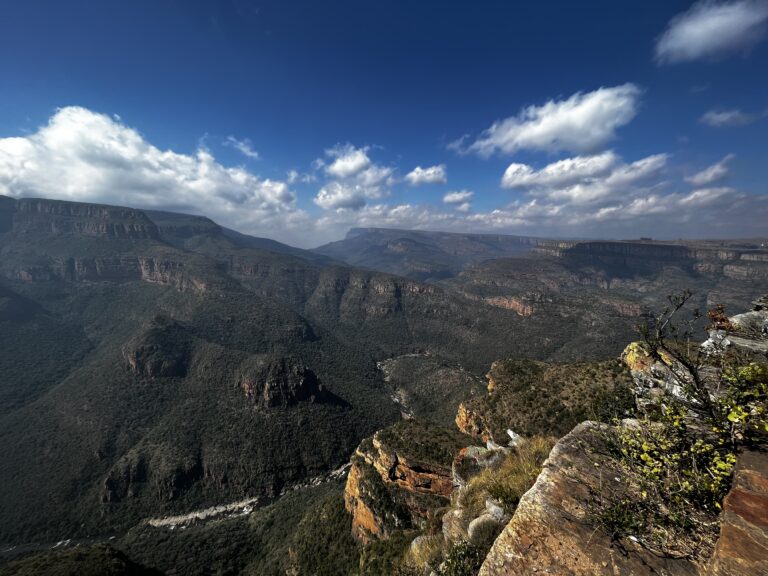
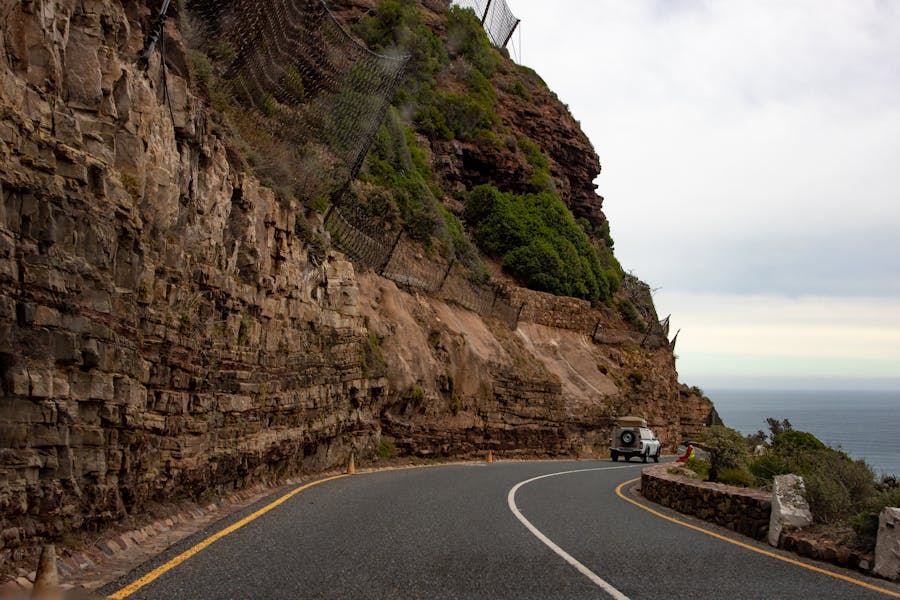
South Africa is home to some of the most scenic road trips in the world. If you have to choose one, make it the Panorama Route.
Comfort, health and practicalities
South Africa’s infrastructure is excellent. All major cities have private hospitals and clinics, pharmacies are everywhere, and food safety is generally very high. Tap water is safe to drink in most places. English is widely spoken, so you won’t be fumbling with translation apps for every conversation. Accommodation standards are also high, with options to suit every taste and budget.
A few practical points for older travellers: South Africa can get very hot in summer, particularly in the northern regions, so stay hydrated and wear lightweight clothing. Safari mornings and evenings can be surprisingly chilly, so layers are essential. If you’re visiting in winter (July –August), pack warmer clothes, especially for the Cape Provinces.
Certain areas carry a malaria risk, so discuss prophylaxis with your doctor if you’re travelling to these regions. Vaccinations aren’t generally required — except for yellow fever if you’re arriving from a country where it’s present. Direct flights from Europe, the US, or Oceania don’t require this. A little mosquito repellent is never a bad idea. Sunscreen, a hat, and sunglasses will make your trip far more comfortable in the strong South African sun.
You might want to get travel insurance. It covers medical emergencies, unexpected cancellations, and your luggage ending up in Colombia while you’re in Cape Town. Like all insurance, it’s far better to have it and not need it than to need it and not have it.
You may also want to know that credit and debit cards are widely accepted, but having a small amount of cash for tips, rural areas or local markets is useful. Wi-Fi is generally reliable in hotels, lodges, and cafes, and taxis or rideshares in major cities are convenient if you’d rather not drive everywhere. We Ubered everywhere in Cape Town and Johannesburg, but outside the big cities it was more of a struggle.
When South Africa might not be for you
South Africa is not for travellers who prefer fully walkable cities, dislike long drives, or want minimal planning. Early starts are common for safaris and longer itineraries. If you’re not keen on waking up at the crack of dawn, this is something to consider. Some trails, older city streets, and national parks can be uneven underfoot, so mobility considerations matter.
Visible economic inequality is also part of the landscape. If this unsettles you, it’s worth thinking carefully before booking.
The verdict
For active, curious travellers over 55, South Africa delivers wildlife encounters that feel almost unreal, dramatic coastlines and landscapes, friendly locals, exceptional wine and cuisine, and comfortable accommodations blending style with ease. With thoughtful planning (pacing yourself, knowing when to drive or fly, and keeping practicalities in mind) the country rewards your effort with experiences that are genuinely unforgettable.
Explore more South Africa content
South Africa has so much to offer that one page can’t cover it all. Below, you’ll find a hand-picked selection of our guides on safaris, road trips, itineraries and practical tips — all written with curious travellers over 55 in mind. Choose what sparks your interest, or use the button below to explore every South Africa post.
-
Beyond the Big Five: best non-safari day trips near Kruger Park
Looking beyond game drives? These non-safari day trips near Kruger Park include the Panorama Route and other scenic, accessible outings perfect for travellers who want comfort, great views, and a slower pace.
-
Self drive safari in Kruger National Park: channel your inner Attenborough
Planning a Kruger National Park self-drive safari? Discover practical tips, routes, and safety advice for 55+ explorers seeking a relaxed African adventure.
-
Safari etiquette for first-time safari travellers: what to do (and what not to do)
Discover 10 essential safari etiquette tips for first-time travellers. Learn how to stay safe, respect wildlife, and enjoy the adventure,
-
Best hikes along the Garden Route for 55+ explorers
Want to hike places on the garden route, but you aren’t sure whether you can do them at 55+? I tried them for you!
-
3-Week South Africa Itinerary (2026) – all the highlights without the rush.
A relaxed three-week journey through South Africa for active 55+ travellers, combining scenery, wildlife, culture and comfort — with time to enjoy it all.
-
Kruger National Park safari options: self-drive, guided safari or private game reserve
This post compares different types of safari: a guided game drive, self-drive and private game reserves.