A guide to massages in Thailand (or how not to get folded into the shape of a deckchair)
I have a confession to make. One of my favourite things about Thailand isn’t the beaches, the temples or the food. It’s the massages. Not in a glamorous “wellness retreat” sort of way. More in a “I’ve spent all day wandering around in 35-degree heat and my feet are threatening to go on strike” sort of way.
In Thailand, a massage isn’t necessarily an occasional treat. It can be an ordinary part of travelling. Many are affordable enough that you don’t have to save them for special occasions, and after your first foot massage you may find yourself wondering why your own country hasn’t embraced this concept quite so enthusiastically.
During our trip to Thailand, massages gradually became part of my travel routine. A foot massage after a long sightseeing day. A traditional Thai massage when my shoulders had seized up from carrying a daypack. Occasionally a massage just because the heat was becoming too much and spending an hour in an airconditioned room seemed like an excellent life choice.
If you’ve never had a massage in Thailand before, the sheer number of options can be a little overwhelming. Every street seems to have another massage shop, each with a menu longer than some restaurant menus. Foot massage, Thai massage, oil massage, neck and shoulder massage, herbal compress massage… suddenly you’re expected to make decisions when all you really wanted was for your feet to stop hurting.
The good news is that you don’t need to become a massage expert before your trip. Here’s what the most common types involve, what to expect, and how to avoid accidentally booking something that leaves you folded into the shape of a deck chair.
Traditional Thai massage
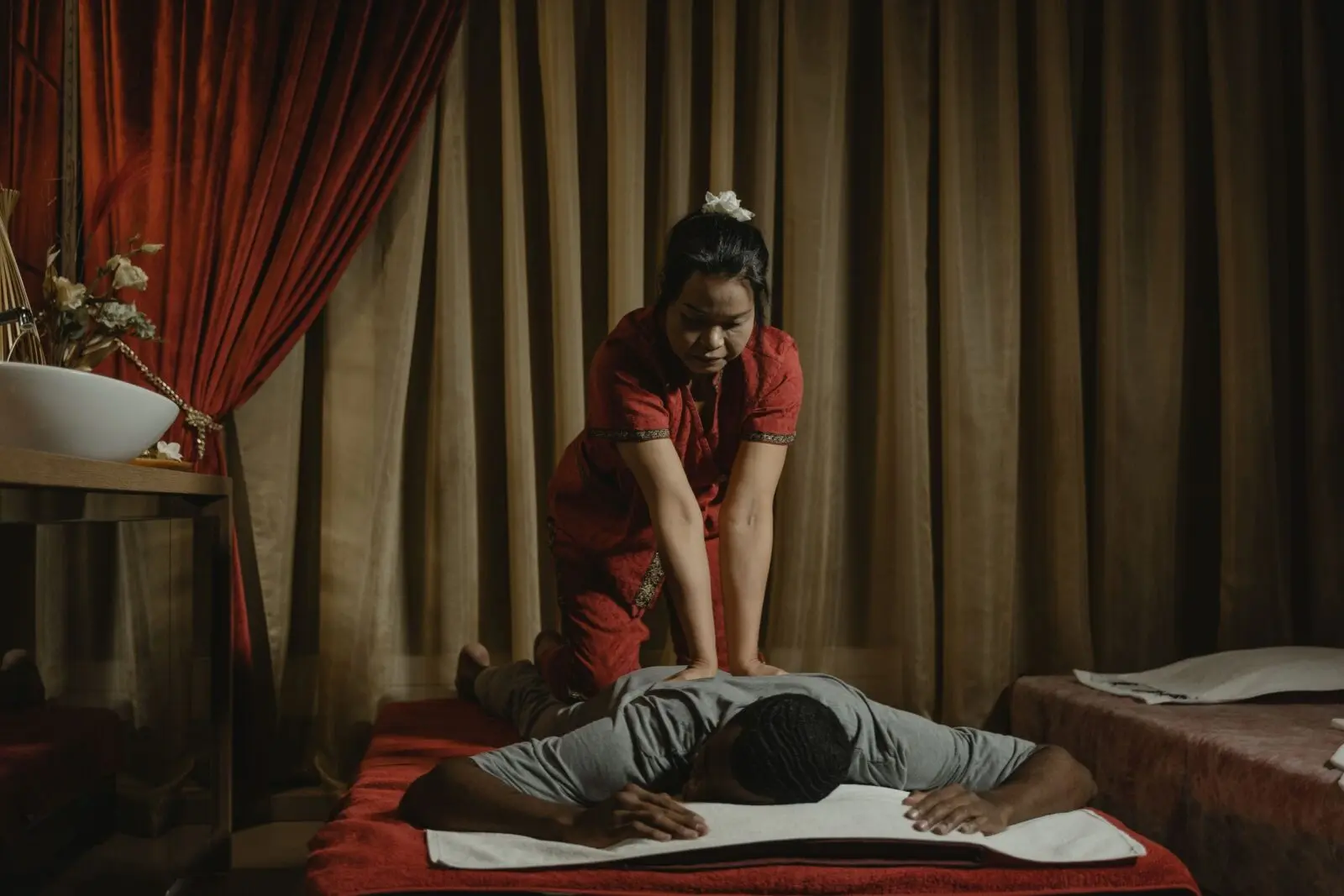
This is probably the massage most people think of when they hear “Thai massage”. Unlike many Western massages, you usually remain fully clothed and lie on a mat rather than a massage table. The therapist uses hands, elbows, knees and occasionally what feels suspiciously like the laws of physics to stretch and manipulate your muscles.
Some parts can be surprisingly intense. If you’re imagining a gentle spa experience with relaxing music and scented candles, this may come as a shock. At one point during my first Thai massage I became mildly concerned that I was being assembled into a piece of flat-pack furniture. Somewhere around the same time, I also started wondering when I’d last had a bone density scan. That said, many travellers swear by it. If you’ve been carrying luggage, sitting on long flights or walking all day, it can leave you feeling considerably less creaky afterwards.
Foot massage
My personal favourite. I’ve had foot massages in Bangkok, Chiang Mai, on Koh Samet and in Ayutthaya, and I can confidently report that I’ve never met a foot massage I didn’t like.
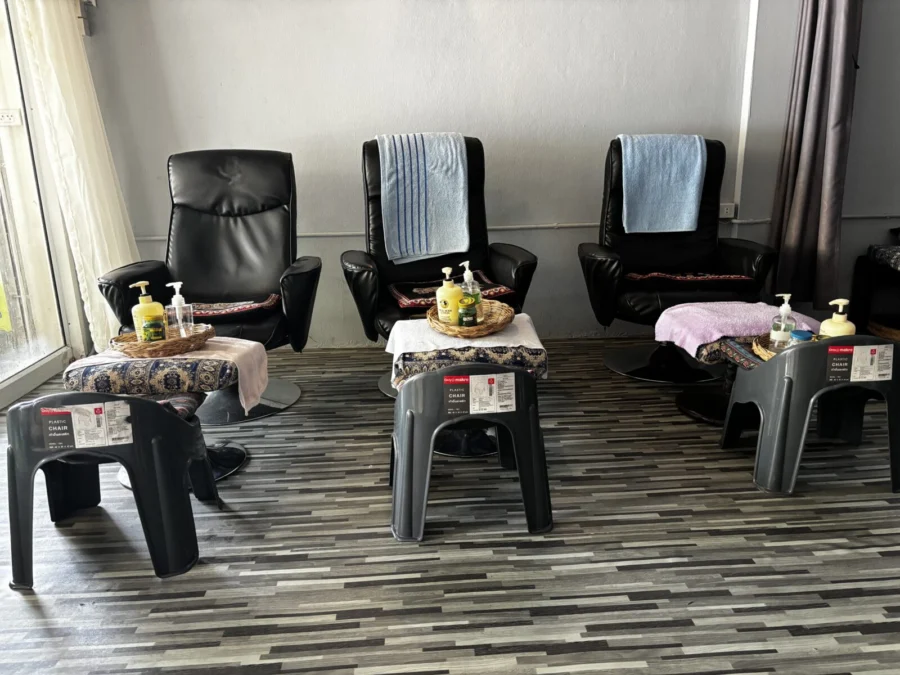
A typical foot massage focuses on the feet and lower legs, although many therapists will also include a bit of shoulder and neck work while you’re sitting in a reclining chair. After spending hours exploring temples, markets or historic towns, this can feel absolutely glorious. It’s also a good choice if you’re not entirely comfortable with the stretching involved in a traditional Thai massage. Be warned, however, that the therapist may discover and get to work on muscles in your feet and calves that you weren’t previously aware existed. You’ll become aware of them soon enough.
Oil massage
If relaxation is your main goal, an oil massage is often the gentlest option. These massages are usually performed on a massage table using scented or unscented oils. The movements are smoother and less vigorous than a traditional Thai massage, making them popular with travellers who simply want to unwind. This is the closest thing to the classic spa massage that many visitors are familiar with at home.
How much do massages cost?
One of the reasons massages became such a regular part of my Thailand trips is that they’re surprisingly affordable. Depending on where you are and what type of massage you choose, a one-hour foot or traditional Thai massage often costs somewhere between €5 and €10. That’s less than a sandwich and a mediocre coffee back home.
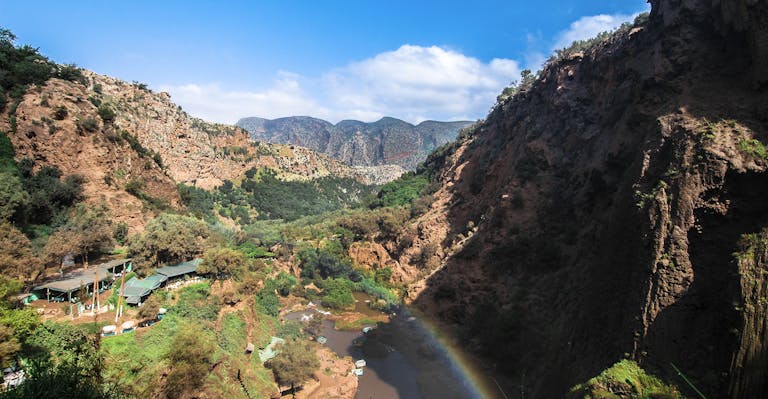
I’ve had spa treatments in other countries too. My hammam experience in Morocco remains one of my favourite travel experiences, but massages in Thailand were generally cheaper and much easier to fit into an ordinary day. You don’t need to set aside half a day or book an expensive package. They’re simply part of everyday life.
What starts as a one-off treat can quickly become part of your travel routine. We never booked massages in advance. We’d simply spend the day sightseeing, decide our feet had suffered enough, and wander into whatever local massage shop happened to be nearby. More often than not, it turned out to be excellent. After a while, a foot massage feels less like a luxury and more like a perfectly sensible way to end a day of exploring Thailand.
Massage etiquette in Thailand
The good news is that getting a massage in Thailand is generally very straightforward. You don’t need to learn a complicated set of rules, and the staff are used to dealing with travellers from all over the world.
The most important thing to know is that it’s perfectly acceptable to speak up. If the pressure is too strong, ask for less. If it’s too gentle, ask for more. A good therapist would much rather know what you’re comfortable with than have you spend an hour silently questioning your bone density.
It’s also worth arriving reasonably clean, especially if you’re having a foot massage after a long day of sightseeing. Your feet may have walked several kilometres through Bangkok, but that doesn’t mean your therapist needs a detailed record of the journey. Every foot massage I’ve had started with either a therapist washing my feet, or a bowl of water to do it myself.
After your massage, drink some water and take a few minutes before rushing off to your next activity. And don’t feel obliged to choose the most intense treatment available. Despite what some travellers seem to believe, there are no bonus points for choosing the massage most likely to leave you folded, stretched and rearranged into the approximate shape of a rolled-up yoga mat.
Most importantly, remember that a massage is supposed to make you feel better, not survive an endurance challenge. If you’re spending the entire session wondering whether your skeleton is still correctly assembled, it’s probably time to ask for a little less pressure.
Final thoughts
Before my trip to Thailand, massages weren’t really on my radar. I was far more interested in the temples, the food and figuring out how not to melt in the tropical heat. Then I had my first foot massage.
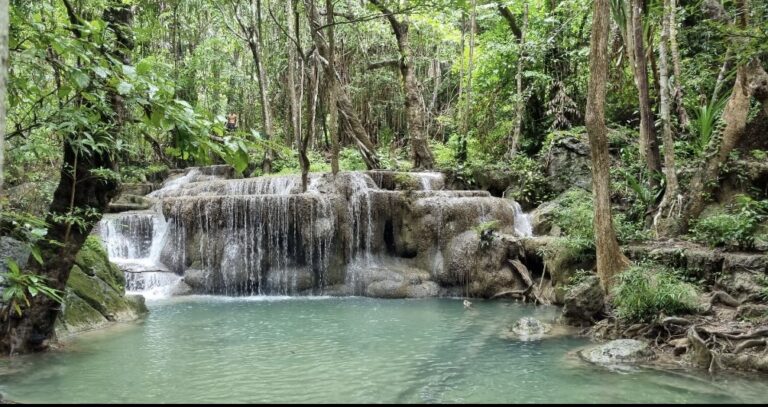
By the end of the trip, they had become one of my favourite parts of travelling in Thailand. Not because they’re luxurious or particularly glamorous, but because they make travelling easier. After a day spent exploring Bangkok, Chiang Mai or Erawan Falls, there’s something wonderfully satisfying about sitting down and letting somebody else deal with your tired feet for a while.
The fact that massages are affordable and easy to find only adds to the appeal. We never planned them, booked them in advance or researched the best places. We simply wandered in whenever our feet started filing formal complaints.
So if you’re visiting Thailand and wondering whether a massage is worth trying, my advice is simple: give it a go. You might leave with a greater appreciation for traditional Thai massage, a newfound respect for muscles you didn’t know existed, and a strong suspicion that your own country should really be offering more foot massages.
As for me, I’m heading to Indonesia next. If anyone would like to reassure me that affordable foot massages are equally common there, I’d be delighted to hear it.
Further reading
If you’re still planning your Thailand trip, you might also enjoy my full Thailand guide, my guide to common Thailand travel mistakes, and my guide to smart spending in Thailand.