“Will I fit? Will I cope?” The realities of travel in a non-whippet-shaped body.
There are travel worries I put on lists: bring passport, pack enough bikinis, buy a SIM card, remember chargers, stop pretending I’ll travel light this time.
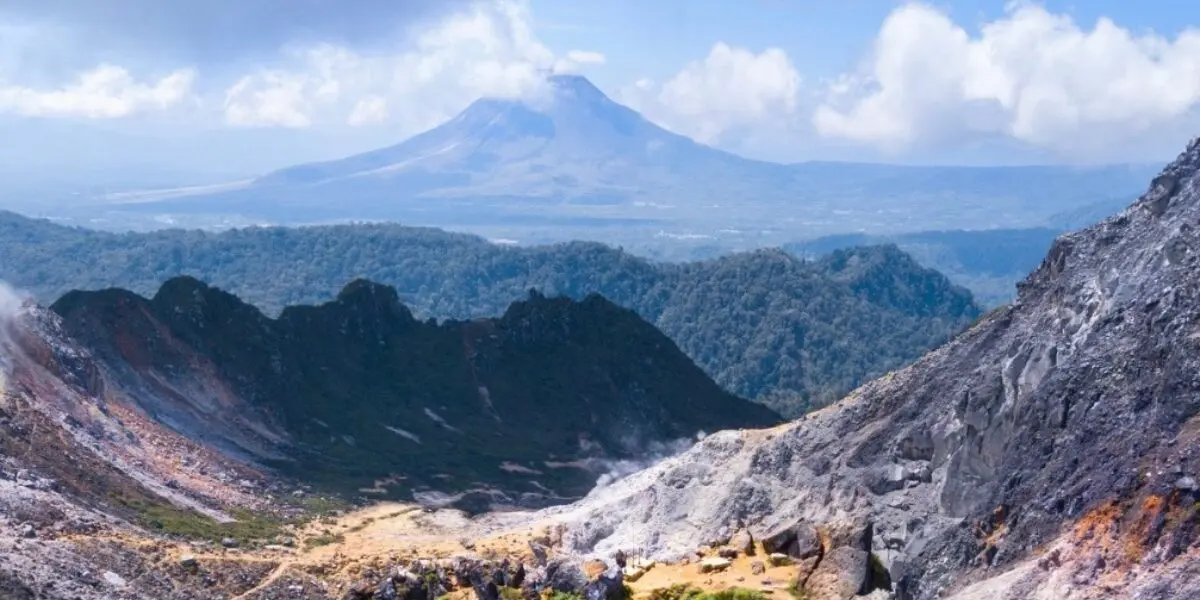
Then there are worries that never make it onto paper but insist on coming anyway. Will I fit comfortably in the airline seat? Will I be the slowest person on the walk? When someone from a travel agency describes the hike up Mount Sibayak as “completely doable”, are they speaking from experience or just trying to make a sale?
As a woman in my late fifties, travelling in a body that is not especially whippet-shaped, I know these thoughts well. I also know I’m not the only one, though travel writing often suggests otherwise. Most of it seems to assume that women spend their holidays gliding about in linen, lightly tanned and untroubled.
Mine is a less elegant style of travel. I pack the bikinis, bring the doubts, and go anyway. This is not a guide to fearless travel. It’s simply what it means to worry, and still get on the plane.
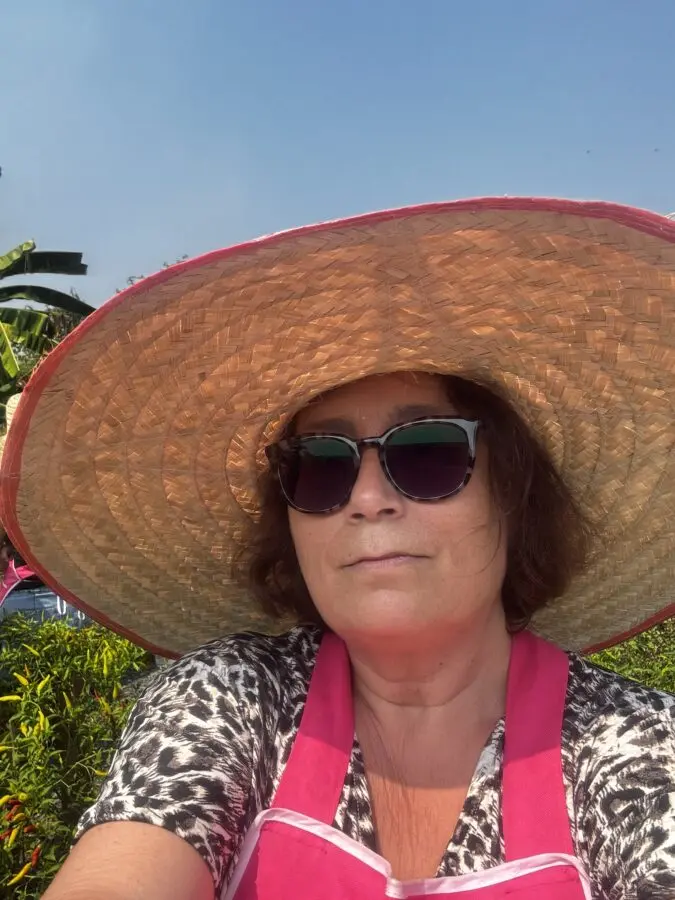
Fear of the airline seat
An all-too-familiar fear is the airline seat. Not just the seat itself, though that would be enough, but the whole business around it. As soon as I know the plane type, I start checking seat dimensions like I work for some tiny aviation watchdog. Then I check again to make sure I’ll fit. I know I’ll fit. So far, I always have. But anxiety is not especially interested in precedent.
What I dread is not only discomfort, but arriving at row 27 already feeling like a problem. Even when the seat is technically fine, there are still the armrests, the general snugness, and the possibility of getting That Look from the person beside me, as though they had been hoping for someone with the dimensions of a rolled-up yoga mat.
In reality, it is usually less dramatic than I expect. Sometimes the seat is cramped, yes, but cramped is not the same as catastrophic, and most people are far too busy with their own bags, screens and grievances to pay me much attention. I still check the seat measurements, because apparently this is who I am now, but I try not to mistake anxiety for fact. Taking up the space I have paid for is not bad manners. It is simply boarding a plane.
This helps: these days I usually book an aisle seat, partly for comfort and partly because knowing I can stand up easily makes me less anxious before the flight even starts.
Fear of holding up the group
Another fear I know well is the fear of holding everyone up. This usually appears the moment an activity is described as “easy”, “gentle”, or, most suspiciously of all, “completely doable”. I have learned that such phrases cover a wide range, from “pleasant stroll” to “sweaty uphill correction of character”. Before I have even put my shoes on, I am imagining myself trailing behind the group, breathing heavily and pretending to stop for photographs when really I am trying to rejoin my body.
What I dread is not just tiredness. It is being the reason other people cannot enjoy themselves at their natural pace. The person who makes the guide glance discreetly at their watch. The one everyone waits for with exaggerated politeness. It is oddly easy, on holiday, to revert to the sort of social anxiety usually left behind in school changing rooms.
In reality, things were rarely as dramatic as I had expected. Sometimes I was slower than the rest. I needed a pause occasionally. But I was hardly ever the only one. Someone else’s knees were acting up, someone else had worn the wrong shoes, and the world did not end because I was not scampering uphill like an over-excited mountain goat. Most group excursions, I found, are simply a matter of people adjusting to one another.
To my own surprise, I was even one of the more competent participants on a bike tour through Bangkok, proving that growing up Dutch does occasionally have practical applications abroad.
I still do not love being last, and I don’t imagine I ever will. But I have become better at accepting that going at my own pace is not a moral failure. It is just my pace. I am allowed to be on the excursion without performing athletic ease for the comfort of strangers.
What I’ve learned: asking guides very direct questions beforehand (“How steep is steep, exactly?”) is far more useful than pretending I have no concerns.
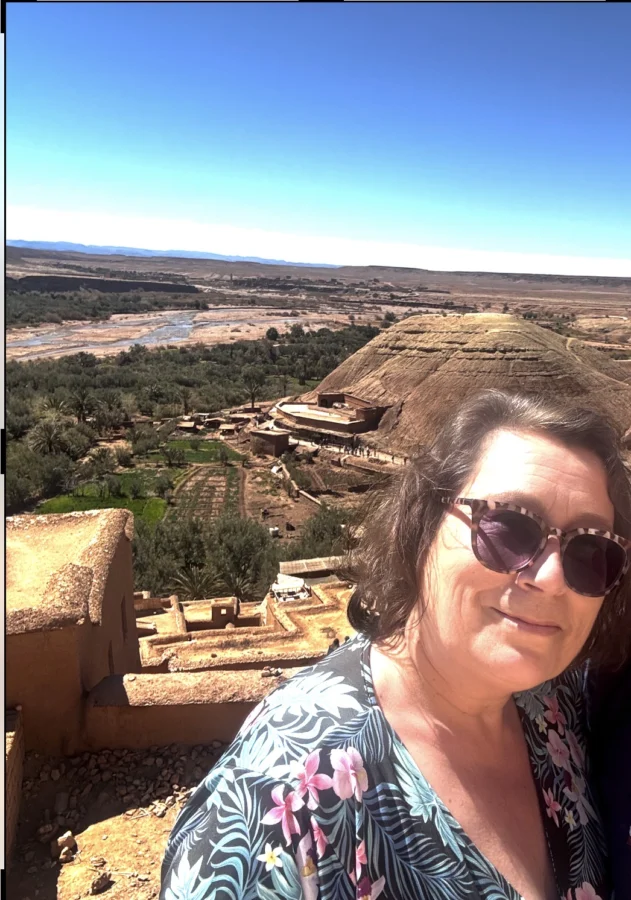
Fear of being in photos
One fear I know particularly well is the fear of being photographed. You may have noticed that photographs of me are rather thin on the ground in this blog. There is a reason for that. For years I treated cameras with the kind of quiet avoidance usually associated with people trying not to be served legal papers. I would offer to take the picture, or position myself just outside the frame, or suddenly discover a pressing interest in the view.
The fear itself was familiar enough. That the photograph would confirm every unhelpful thing I had ever thought about my face, my shape, my posture, my general arrangement. That I would look older than I felt, larger than I wanted, and unmistakably like someone who had been caught existing in public.
But after a while, my refusal to be in photographs began to seem less like self-protection and more like a small act of disappearance. My daughter once said that one day, when I am gone, they might want those pictures. That stopped me. It made me realise that every time I stepped out of the frame, I was not only sparing myself that moment of “Do I really look like that?“. I was simply removing evidence that I had been there.
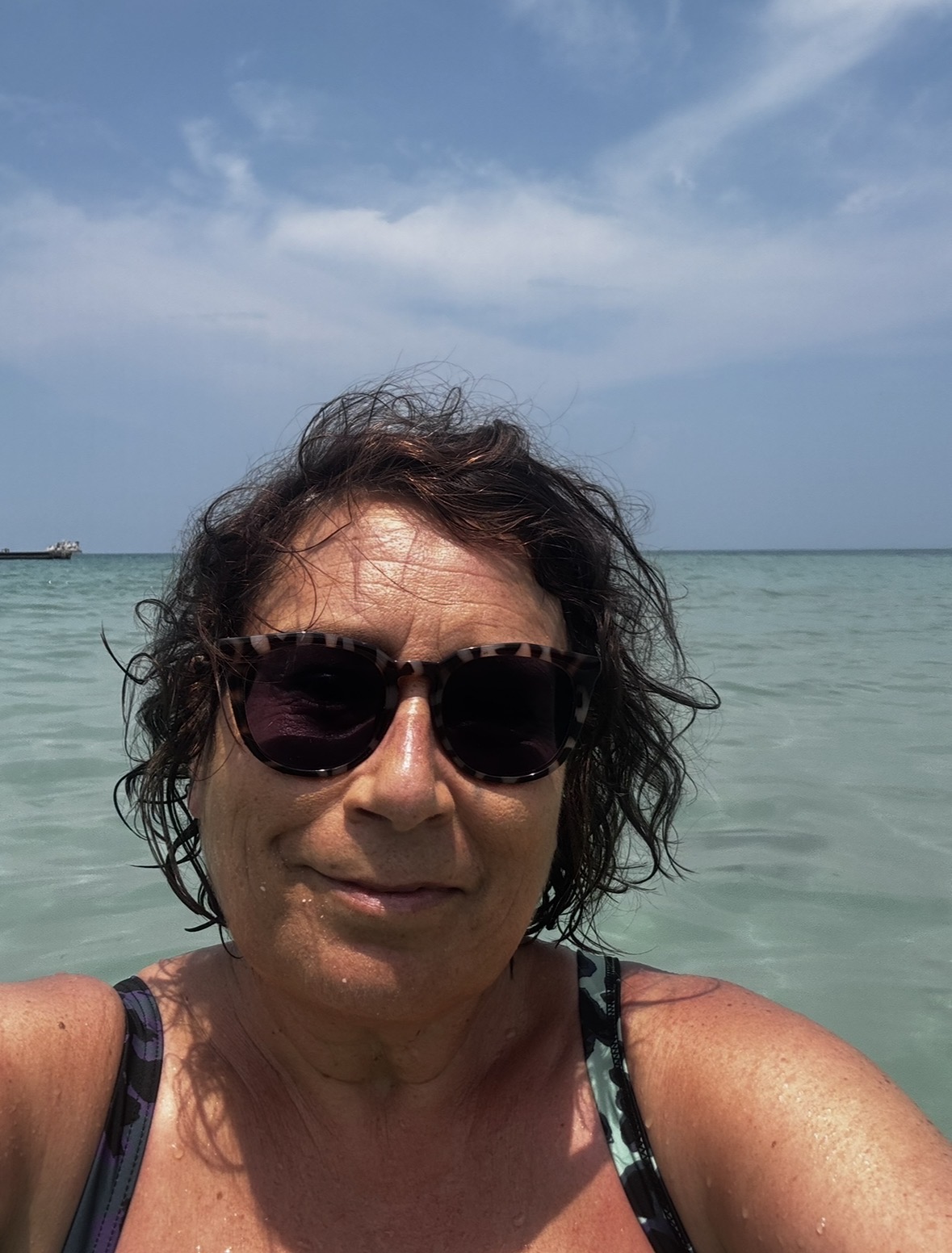
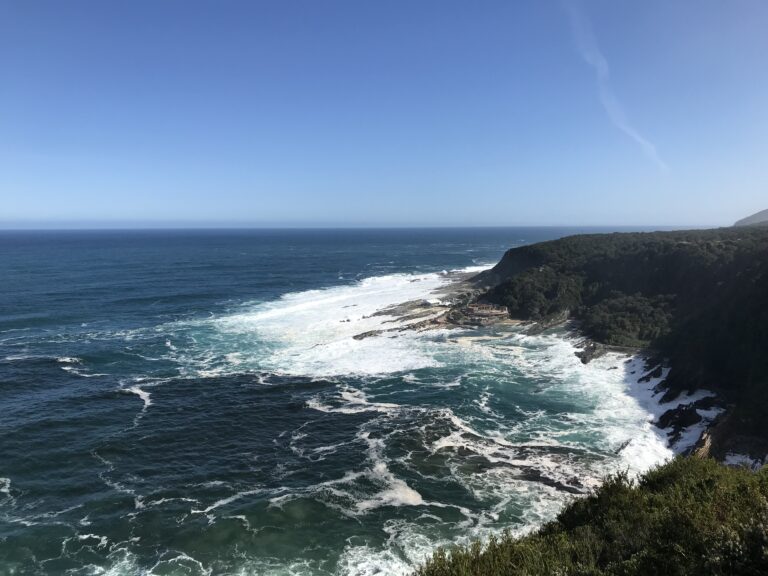
So now I make more of an effort to get in the picture. Some of those photographs now include me looking slightly windswept on safari in South Africa, sweaty at waterfalls, and unexpectedly cheerful on a camel in Morocco. Not enthusiastically, and certainly not in the spirit of a woman launching a resort-wear brand, but willingly enough. I stand where they tell me to stand. As pleasant-looking as possible. I let the photograph happen. Because the people who love me are not studying these pictures for flaws or judging my upper arms. They are looking for me. I am trying, slowly, to do the same.
The reality: I now try to get in at least a few photographs on every trip, even if my first instinct is still to hide behind the camera – or in the shrubbery.
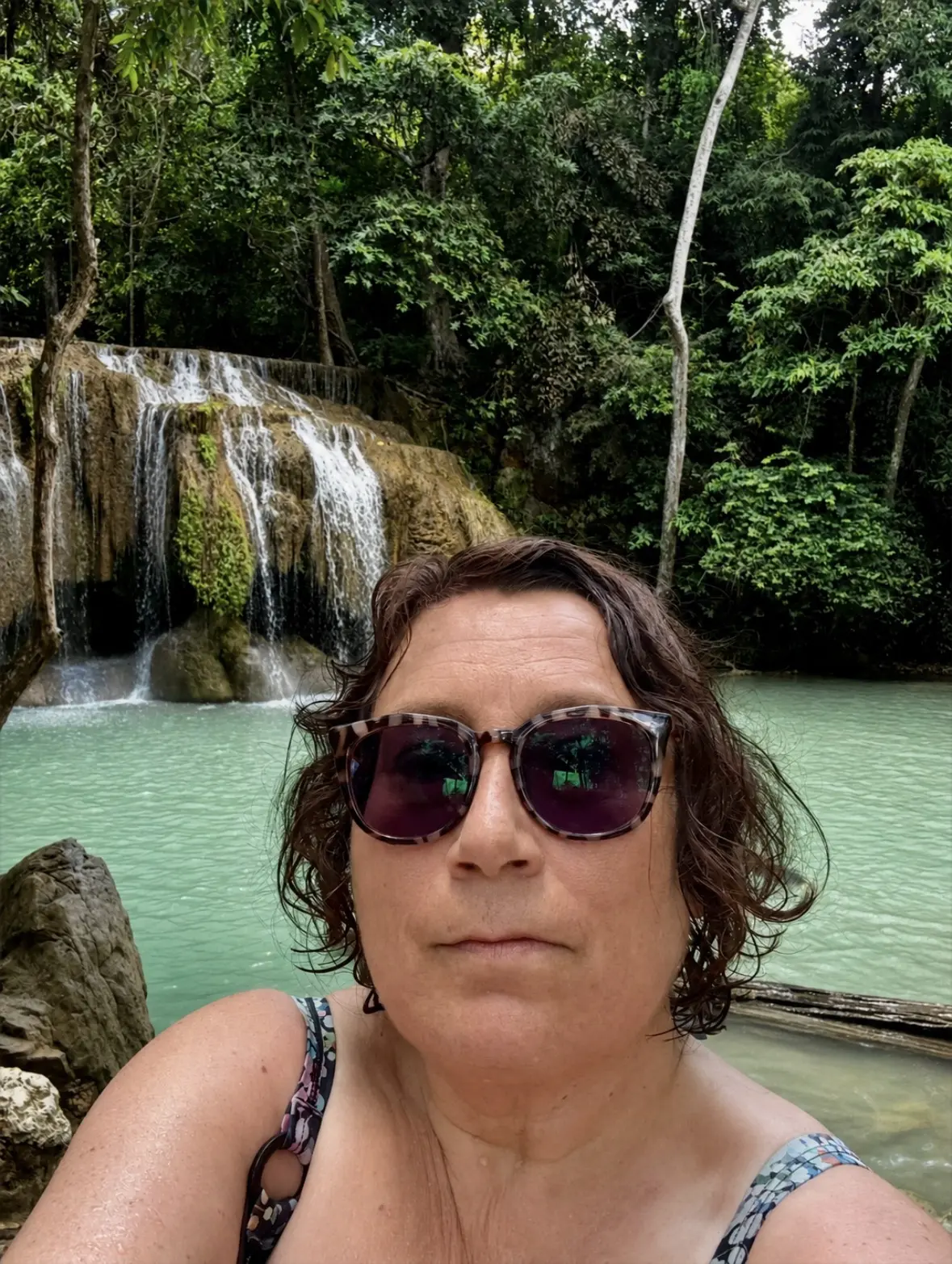
Fear of not making it up the mountain
Another recurring fear is the fear of not making it up the mountain. Not necessarily a mountain in the grand, heroic sense, though sometimes that too, but any place involving height, heat, steps, or the sort of incline that guidebooks describe as “rewarding”. I know this fear well. It usually begins the moment I hear that something is “worth the climb”, which is travel shorthand for: you will suffer a bit, but there will be a view.
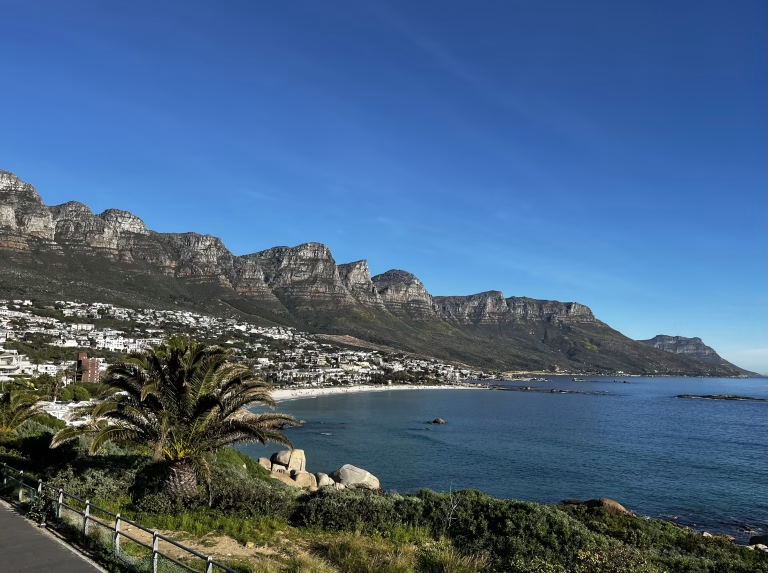
Beforehand, I start doing mental arithmetic with my own stamina. How many steps? How steep? Is there shade? How humiliating would it be to get halfway up and have to stop with the expression of a woman who has made a tactical error? I felt this at the many levels of Erawan Falls, where each tier seemed to promise another stretch of path and another opportunity to discover the limits of my lung capacity. I felt it on our trip around the Cape Peninsula in South Africa: at the Cape Point Lighthouse, staring up at those endless steps and wondering whether the lighthouse might not be perfectly enjoyable from a respectful distance. I’m already dreading climbing two volcanos and doing a jungle trek in Indonesia later this year.
What I dread, really, is not effort itself. It is the possibility of public defeat. Having to stop. Having to turn back. Being the person who misjudged her own capacity while fitter, brisker people continue upwards with water bottles, endless stamina, and an air of irritating competence.
And yet the reality was usually less dramatic. I was often slower than I would have liked, yes, and sweatier than any brochure would ever admit, but slow is not the same as incapable. I stopped when I needed to, carried on when I could, and discovered that there is a great deal to be said for proceeding without elegance. And yes, I made it to the Cape Point Lighthouse, and I swam blissfully under a waterfall after making it to level five of Erawan Falls. As for the volcanoes and the jungle: I’ll let you know.
I still approach these climbs with suspicion, and I do not suppose that will change. But I no longer assume that difficulty means disaster. Sometimes the only way up is slowly, with regular pauses and limited dignity. It still counts.
Worth knowing: starting slowly, carrying more water than I think I need, and accepting regular pauses helps far more than trying to keep up with fitter people.
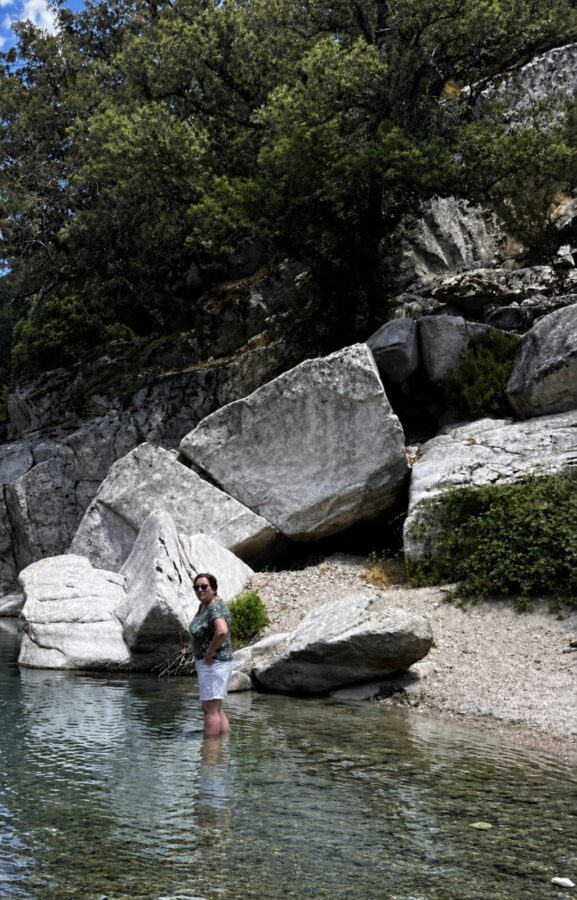
Fear of the bathing suit
Then there is the bathing suit. Few garments inspire quite so much awkwardness while involving so little actual fabric. I have spent an unreasonable amount of time trying them on in hotel rooms and beachside bathrooms, as though the right neckline or more forgiving leg might somehow produce an entirely different body.
The discomfort is never really about the swimsuit itself. It is about being seen in it. About stepping onto a beach or appearing by a pool feeling more conspicuous than one would ideally like, while other women seem to move about in a state of complete ease, as if it had never occurred to them to have a complicated relationship with Lycra.
I have never let this stop me swimming. I love swimming far too much for that. If there is warm sea, a pool, a lake, or anything else I can reasonably get into, I will almost certainly be in it. But loving swimming has never quite cancelled out the awkwardness of the approach. There is still the walk from towel to water, that brief public stretch in which one feels both underdressed and overly aware of having a body.
And yet even that is rarely as dreadful as anticipated. Other people are busy with their own towels, children, sunglasses, snacks and small discomforts. They are not studying me with forensic interest. And if one of them is, then that is really their odd little seaside hobby. On our two-week trip to Thailand, I swam so often that eventually even the self-consciousness became too tired to keep up.
So yes, I still feel awkward in a bathing suit. I still prefer a flattering cut and the strategic use of a cover-up. But I go swimming anyway, because the awkwardness lasts a few minutes and the pleasure lasts much longer. However self-conscious the walk into the water may be, once I am in, I am exactly where I want to be.
The reality: I stopped waiting to feel completely confident in swimwear before getting into the water, because that moment was taking far too long to arrive.
Things I’ve learned the hard way
- Ask what “moderate” actually means before agreeing to the hike.
- A slower pace is still a perfectly valid pace.
- Most people are far too busy worrying about themselves to analyse you.
- Comfortable shoes solve more problems than optimism.
- Getting in the photograph matters more later than it does in the moment.
- Awkwardness is survivable.
- The swim is usually worth the walk to the water.
And still I go
I still travel with these worries. Some have become easier to manage, some have not, and a few still turn up as reliably as my passport and chargers. But I no longer see them as reasons to stay home. They are simply part of what I pack.
The strange thing is that travel has not removed these worries, but it has taught me that I can carry them and still have an extraordinary day. I can feel anxious, uncomfortable, underprepared or slightly ridiculous and still end up watching a sunrise I will remember for the rest of my life. Apparently, confidence is not a prerequisite for doing things. Sometimes stubbornness works perfectly well.
I still overthink. I still occasionally resent a staircase on sight. And I am currently slightly alarmed by what I have signed myself up for in Indonesia next July: two volcano climbs, a jungle trek and a cycling tour to Borobudur, all of which sounded significantly more sensible at the booking stage.
And still I go. Not fearlessly, not gracefully, and certainly not travelling light. But I go. For now, that feels like enough.
We talk a lot about dream destinations online. We talk far less about the fears that almost stop us going. Maybe we should.