Is South Africa safe for tourists? A practical safety guide (2026)
If you mention a trip to South Africa, people tend to respond in one of two ways. Either they look dreamy and say, “Oh, I’ve always wanted to go,” or they lower their voice slightly and ask, “But is it safe?” Usually both reactions are fair.
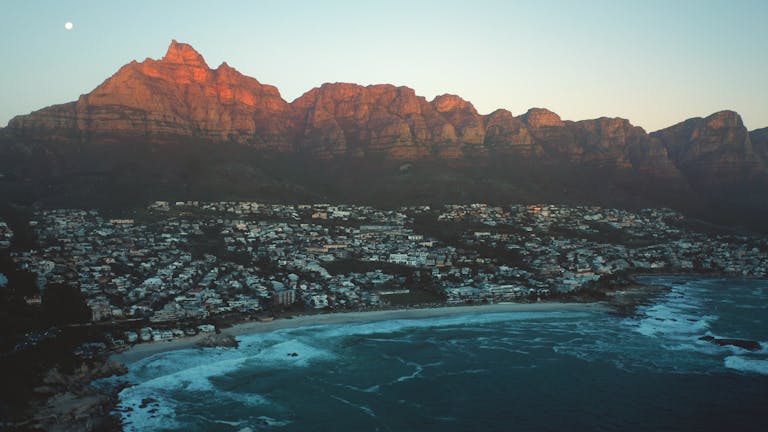
South Africa is one of those destinations that gets under your skin long before you even arrive. I remember standing on Table Mountain, looking out over the sea and thinking “That’s it, I’m moving here.” The wildlife, the coast, the mountains, the wine, the absurd beauty of it all. It feels exciting in a big, proper, not-just-another-city-break sort of way. But it also comes with more questions than some destinations do, and safety is usually top of the list.
So, is South Africa safe for tourists? Yes, I think it can absolutely be a wonderful destination for travellers of all ages. But it is not a place for breezy overconfidence, lazy planning or heroic levels of improvisation. It rewards common sense, decent logistics and a firm commitment to not making life harder for yourself than necessary. Luckily, that may be exactly where many of us come into our own.
Quick Answer
Is South Africa Safe for tourists?
Yes, for many travellers, South Africa can be a fantastic and rewarding trip, but it is not a destination to do on autopilot. With thoughtful planning, comfortable accommodation, and sensible precautions, it can be an unforgettable mix of wildlife, scenery, road trips, and memorable places to stay.
Best for: travellers who enjoy beautiful scenery, wildlife, and road trip freedom, and are happy to plan ahead and travel with a bit more awareness.
Top tips
- Stay in well-reviewed accommodation in good areas
- Avoid walking around at night, especially in cities
- Use guided tours or transfers if you prefer less driving
- Plan a slower itinerary with fewer one-night stops
- Keep valuables out of sight and avoid flashing phones or cameras
This trip may not be for you if…
- You want a completely carefree, switch-off destination
- You dislike longer drives or changing locations often
- You are uncomfortable making safety-conscious travel decisions
- You prefer very easy, highly structured holidays with minimal planning
If you’re still in the early stages of planning, I’ve put together a broader guide to travelling in South Africa at 55+ that walks through the whole experience step by step → South Africa 55+ travel guide.
South Africa: not a holiday for winging it
One of the advantages of travelling in your fifties and beyond, like us, is that you are usually no longer seduced by the idea that chaos is part of the fun. There was a time, perhaps, when arriving somewhere at midnight with no plan and a vague belief in your own resourcefulness felt adventurous. Now it mostly feels exhausting.
South Africa rewards that shift in attitude. This is not because it is unmanageable, but because it is a country where a bit of structure genuinely makes the experience better. The safety issues are real, and there is no point dressing that up. But the day-to-day reality for most visitors is not one of constant drama. It is simply a place where awareness matters more than it might elsewhere. You need to think a bit more carefully about where you stay, how you get around and what time of day it is before deciding that something is “probably fine”. In short, South Africa is not difficult. It just isn’t the right setting for being gloriously nonchalant.
Why South Africa can actually suit older travellers rather well
Oddly enough, South Africa can be a very good fit for the over-55 crowd precisely because many of us already travel in the way that makes sense there. We are generally less interested in proving how intrepid we are; we are more interested in actually enjoying ourselves. We are less likely to treat sleep as optional, less likely to follow a dubious shortcut through an unfamiliar neighbourhood, and more likely to see the value in a proper hotel, a reliable driver and an itinerary with a little breathing room.
Our mistakes tend to be more refined. We overestimate how much energy we’ll have after a long travel day, or create itineraries on the optimistic assumption that airports, traffic and human stamina will all behave beautifully. South Africa tends to expose those errors rather quickly.
But if you are reasonably fit, curious and happy to plan a little, age itself is not the issue. In fact, being older can be an advantage. You are more likely to listen to advice, more likely to prioritise comfort where it matters, and much less likely to confuse unnecessary risk with “doing the country properly”.
Why safari often feels easier than the cities
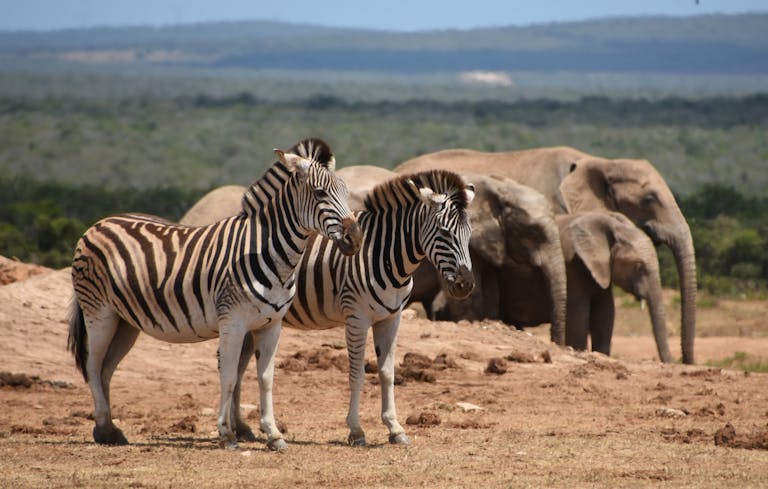
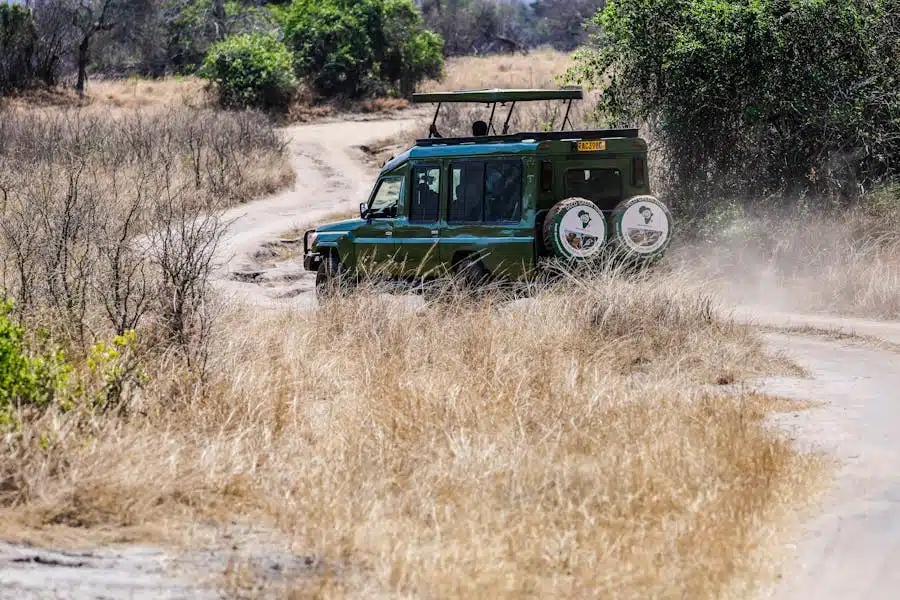
This catches some people out. Before they go, many travellers imagine the nerve-racking part will be the safari element. They assume the real hazard lies in being inspected by a leopard with nefarious intentions. In practice, many people feel most relaxed once they are on safari or settled into a lodge.
If safari is the part you’re most unsure about, this guide explains what safari really feels like
The places that usually require more thought are the cities and the roads. Cape Town is stunning, but it is not a city where I would recommend wandering around with the carefree optimism of someone in a glossy travel magazine. Johannesburg can be fascinating, but again, it is not generally a place for strolling about looking lost and hoping for the best. You can have a brilliant time in both, but they are cities where local advice and a bit of caution go a long way.
South Africa is also a place where the economic contrasts can be very visible. Extraordinary natural beauty, stylish restaurants and lovely guesthouses can sit alongside deep poverty and stark inequality. That can feel confronting if you are not expecting it. It is not a reason not to go, but it is part of seeing the country honestly rather than through a neatly curated tourist lens.
Sensible pacing is one of the best safety tools you have
One of the easiest ways to make South Africa feel harder than it needs to is to cram too much into one trip. Distances are often longer than they look. Travel days can be draining, and too much moving around can leave you tired, irritable and making poor decisions by late afternoon. That is rarely when your finest travel moments occur.
A slower itinerary is not a sign that you are getting old. It is a sign that you have finally understood what makes a trip enjoyable. A few well-chosen stops, enough time to settle in, and some margin for delays or tiredness will usually serve you far better than a heroic plan involving half the country and a level of daily efficiency usually only seen in military operations.
South Africa rewards a bit of breathing space in the itinerary.
Choose accommodation that helps you relax
Where you stay matters here, probably more than in some destinations. This is not the trip for booking the prettiest bargain you can find and only later realising that the surrounding area comes with a strong local tradition of “best not walk around after dark”. A good hotel or guesthouse in the right location can make the whole trip feel easier, calmer and far more enjoyable.
And in South Africa, do not be unnerved if good accommodation has walls, gates, fences, controlled access or security staff. That is often just standard practice, especially in urban areas, rather than a sign that something terrible is afoot. In fact, there is something rather comforting about arriving somewhere lovely, hearing the gate close behind you, and knowing that the rest of the evening can now be devoted to dinner and a glass of wine rather than tactical decision-making.
Reviews are useful, but not just for charm and décor. This is one of those occasions when secure parking, a helpful host and repeated mentions of a safe location may be worth more than a photogenic lampshade and artisanal soap. For a closer look at safer areas to stay in Cape Town, Johannesburg and Durban, read this post.

Do not pick up the rental car the minute you land
If I had one particularly bossy piece of advice, it would be this: do not collect a rental car at the airport and set off straight after a long-haul flight unless you absolutely have to.
After twelve hours in the air, you may feel basically functional, but that is not the same thing as being rested, alert and ready to navigate unfamiliar roads, local driving habits, a different car and the general faff of getting somewhere after dark. This is especially true if your body thinks it is the middle of the night and your brain is still hovering somewhere over the Sahara.
A much nicer start to the trip is to arrange an airport pick-up for the first night, recover properly, and then have the rental car delivered to your accommodation once you have slept, had coffee and regained your usual relationship with reality. It makes the beginning of the trip calmer and safer, and in South Africa calmer is usually the better choice.
Driving is very doable, but it deserves respect
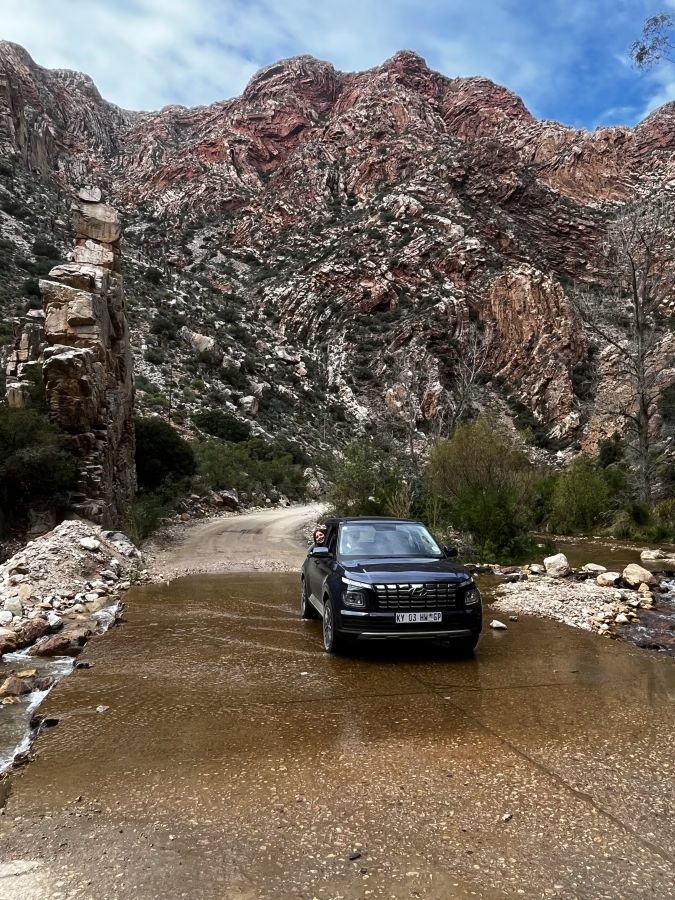
Once you are rested, driving in South Africa can be excellent. Major roads are often better than people expect, and there is a lot to love about the freedom of a self-drive trip through the Winelands, along the Garden Route or around the Kruger region. But this is still a country where driving requires proper attention.
Road quality can change quickly once you leave the main routes. A decent stretch of road can suddenly acquire potholes, wandering livestock, pedestrians, or an animal standing in the middle of the carriageway as though it has all the time in the world and no particular views on your schedule. Driving by daylight is much the wiser option, not least because it gives you a better chance of seeing trouble before you are in it.
Also, do not treat Google Maps as an infallible life coach: it may sometimes send you along shortcuts through neighbourhoods you would be better off not blundering into. If in doubt, ask your host, lodge staff or rental company which route they would actually take, and stick to main roads rather than the clever little detours the app seems so pleased with.
Animals on the road are not unusual. Depending on where you are, that could mean goats, cattle, dogs, baboons or any number of creatures whose road sense is, at best, improvisational. Even an elephant can be hard to see in the dark.
It is also worth being careful with anything that feels odd or staged on the roadside. Over the years there have been reports of criminals posing as police officers or using fake incidents to get drivers to stop. That does not mean every unexpected encounter is sinister, but it does mean you should know your plan in advance. Keep doors locked, keep valuables out of sight, and if something feels wrong, head to a busy, well-lit place or an official police station rather than dealing with it on an isolated road.
Pro tip: When booking your rental car, check if the vehicle includes an integrated SOS or ‘Emergency Assist’ button. By 2026, this has become a standard feature for most major South African rental fleets (like Avis or Europcar). Usually located near the rearview mirror, this button connects you directly to a 24-hour emergency call center with live GPS tracking. For a lot of travellers, it’s a massive “peace of mind” upgrade. If you have a flat tire or simply feel uneasy about your location, you aren’t fumbling with a foreign SIM card on the side of a highway; you are one touch away from a real person who knows exactly where you are.
This is not about being frightened. It is simply about not being naive, which is a much more flattering look on all of us.
Getting around in towns and cities
For many travellers, especially if you prefer to keep things easy, the safest way to get around South African towns is to plan ahead and use reliable transport. A trusted taxi, rideshare, hotel shuttle, or guided tour is often a better option than walking long distances or figuring out unfamiliar public transport, particularly in the evening. We Ubered everywhere in the big cities as soon as the sun was down. In the daytime, it helps to stick to well-known areas, stay aware of your surroundings, and keep phones and valuables out of sight. One of the best habits is simply to ask your accommodation what is sensible locally, as advice can vary a lot from one area to another.
The “Ease” Alternative: The Gautrain
In Johannesburg specifically, there is a brilliant middle ground for those who want to avoid the airport taxi scuffle. The Gautrain is a high-speed, modern rail link that feels more like Zurich than what you might expect of Joburg. It allows you to land, tap a contactless card, and be in the heart of Rosebank or Sandton in 20 minutes. For the comfort-conscious traveler, it’s a ‘clean-air’ transition that bypasses the city’s notorious traffic and provides a very high level of visible security.
Load shedding
Then there’s load shedding, which sounds like something I really should have remembered to mention earlier and yet somehow didn’t. It’s South Africa’s system of scheduled power cuts, brought in to ease pressure on the national grid, and although it can feel wildly inconvenient when you’re on holiday, it usually isn’t random. Most hotels, guesthouses and lodges will let you know when the electricity is due to go off, so you can plan around it a bit. We learned this the slightly hungry way after coming back from safari in Kruger to our bush villa fully intending to cook dinner, only to discover the electric stove was out and we had to wait until 20:00 for it to flicker back to life. We could have known, but forgot to pay attention.
The bigger issue for travellers is that loadshedding can also affect traffic lights, street lighting, electric gates, alarms and CCTV, which can make some places feel less secure, especially after dark. In truth, wandering around on foot at night is not usually the best idea in South Africa’s major cities anyway, and it is even less appealing when half the street has disappeared into darkness. It’s not something to be alarmed by, but it is something to be aware of: keep your phone charged, carry a power bank, check whether your accommodation has a generator or backup power, and try to avoid being out and about after dark during an outage unless you really need to be.
Listen to local people. They know things
One of the simplest ways to travel well in South Africa is to accept that local advice is gold. If your hotel says take a driver, take a driver. Your host says not to walk somewhere after dark? Don’t. If a guide tells you to leave earlier, choose a different route or avoid a certain area, there is usually a reason.
This is not surrendering your independence. It is just recognising that no matter how widely travelled you are, someone who actually lives there may have slightly more useful information than you do.
And honestly, one of the real pleasures of travelling at our age is that you no longer need to insist on doing everything the hard way. You can book the transfer, choose the better room, and regard this not as weakness but as excellent judgment.
The verdict: is South Africa safe for tourists?
South Africa can be a fantastic destination for travellers of all ages, as long as you approach it with the right expectations. It’s best for people who enjoy comfortable, well-planned travel and don’t mind staying a little aware in cities and on the road. If you’re looking for a completely carefree, switch-off holiday, there are easier options. But if you want wildlife, scenery, and a trip that feels genuinely memorable, South Africa can be hugely rewarding.
Plan your South Africa trip step by step
If you’re starting to piece the trip together, this is a simple way to approach it:
Read a few practical safari tips before you go → Safari etiquette for a first-time safari travellers
Start with the full overview of travelling in South Africa at 55+ → South Africa 55+ travel guide
Decide what kind of safari experience suits you best → Self-drive, guided safari or private game reserve? Choose the best safari for you
Choose accommodation that feels comfortable and well-located → Best South Africa safari lodges for 55+ travellers
Add a few non-safari experiences to balance the trip → Best tours from Cape Town , or Panorama Route