South Africa trip cost: how much you’ll really spend in 3 weeks
By now, you’re likely sold on the sunset safaris, Cape Town and the Garden Route — but your bank account probably has one burning question: what’s the damage?
The answer, predictably, is that there’s no single number. A 3-week South Africa trip can range from “that’s actually quite reasonable” to “I might need to remortgage for this safari,” depending on how you choose to travel.
To make things clearer, I’ve broken down exactly what a 3-week trip to South Africa costs across three different travel styles: budget, mid-range and luxury. You’ll see what each one looks like in practice, based on a real itinerary, so you can figure out what works for you.
If you’re still figuring out how to plan your overall travel budget, you might find this helpful: How to plan a travel budget you’ll actually stick to.
How much does a 3-week South Africa trip cost?
A 3-week South Africa trip typically costs between €3,500 and €9,300, depending on whether you travel on a budget, mid-range or luxury level.
If you want to see exactly where those totals come from, the full breakdown below expands on click with accommodation, safari, transport, food, and fees.
Our 3-week itinerary: from sea to safari
To put these numbers into context, here’s the exact 3-week itinerary these costs are based on – including where we stayed, how we travelled, and the kind of experiences we chose.
We had a little over three weeks for the trip, which sounds like plenty of time. But because we didn’t want to spend half of it in the car, we decided to skip Durban and eSwatini, both of which feature on many classic South Africa itineraries. That gave us a little more time in each place and meant we could enjoy the journey without constantly racing from one major sight to the next.
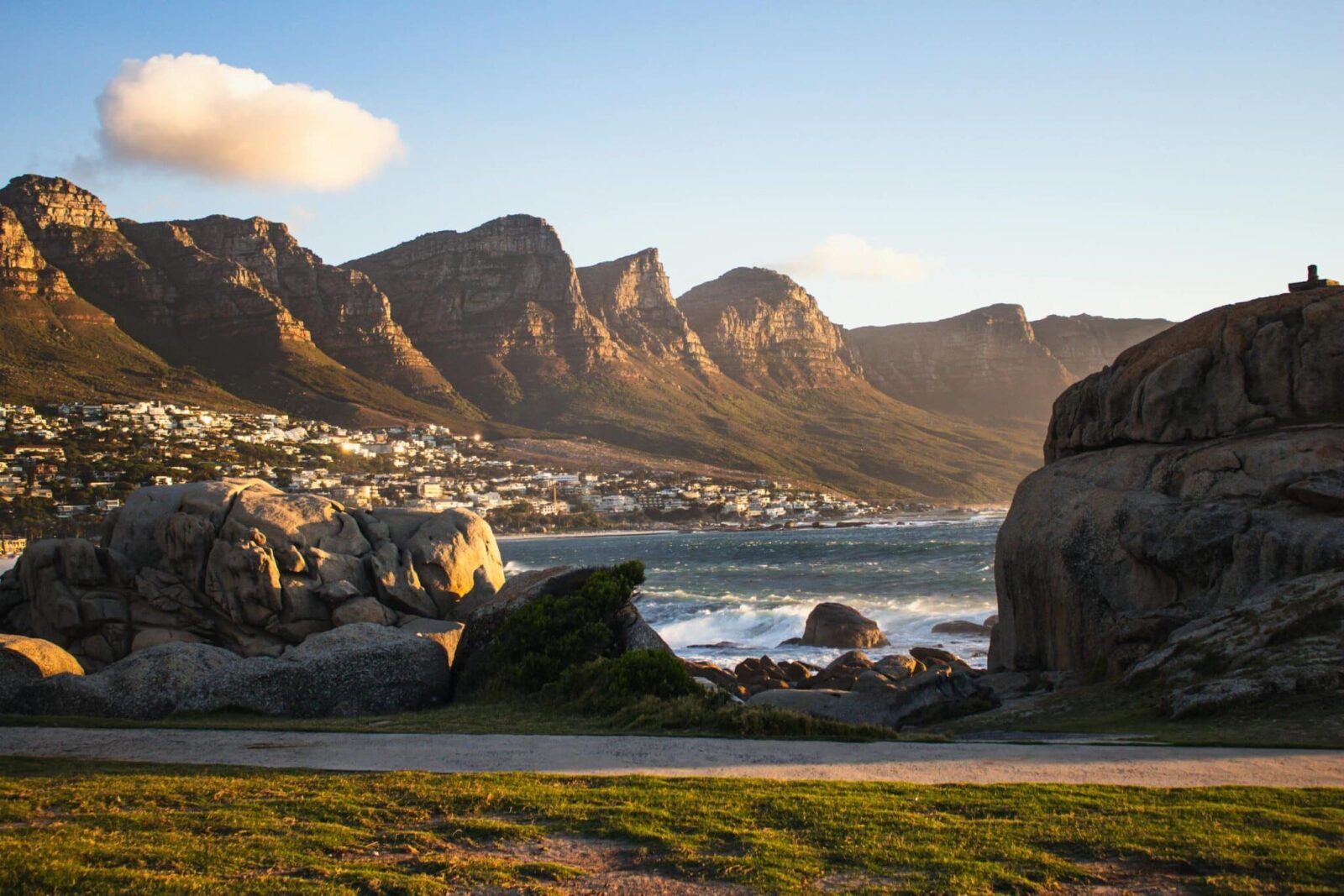
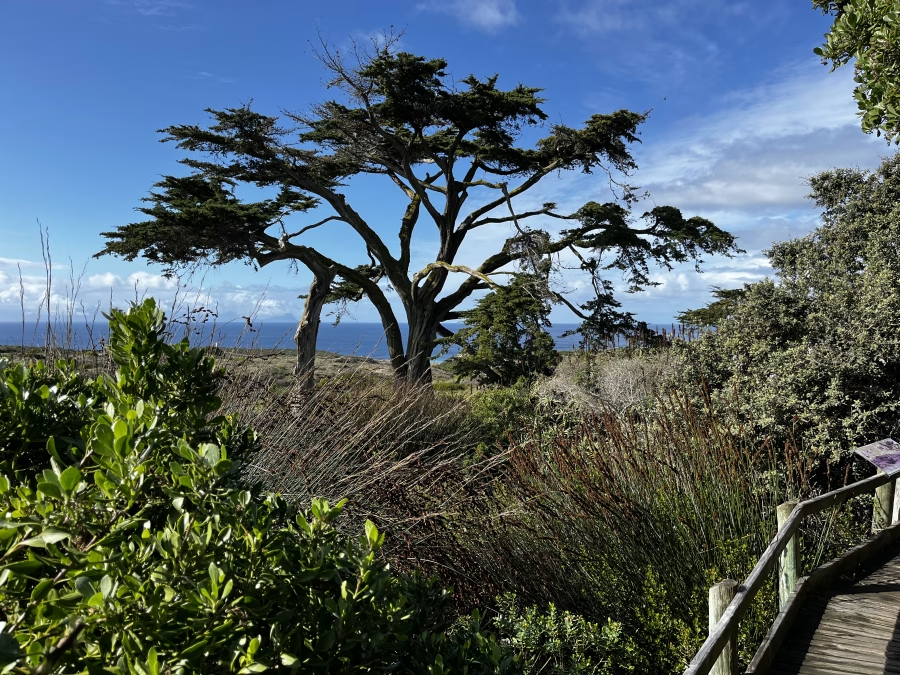
Cape Town took up the first three days of our trip, and if you want the full breakdown, I’ve written about how we spent those three days in Cape Town. We then drove to Stellenbosch for wine tasting, on to Hermanus for land-based whale watching, and then to Oudtshoorn for scenic drives and our first safari-ish experience. We rounded off the southern part of the trip with a stunning, if rather rainy, journey along the Garden Route, including stops in Tsitsikamma National Park and at Robberg Nature Reserve. After that, we took a domestic flight from Port Elizabeth to Johannesburg for the safari part of the trip.
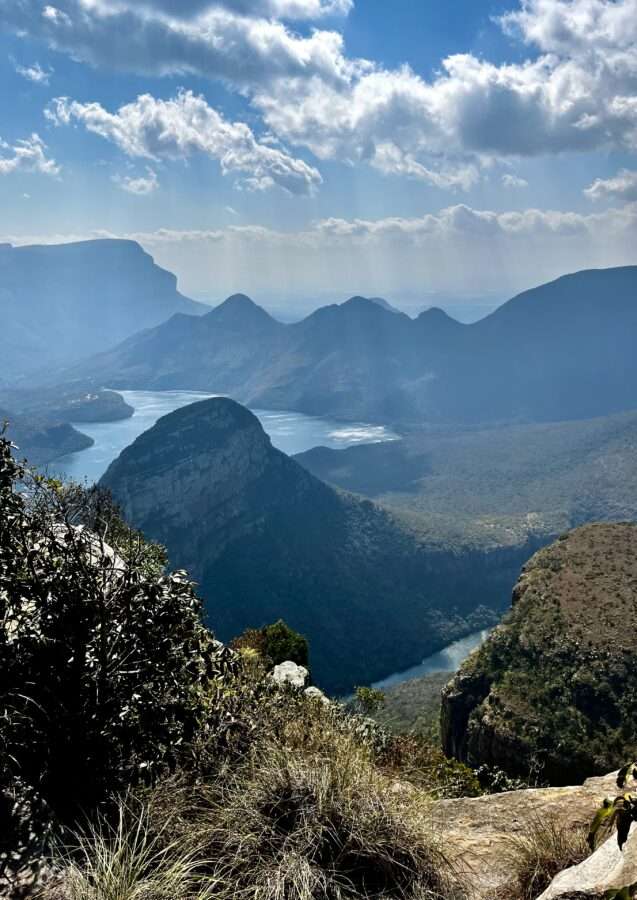
We spent one night in Johannesburg before driving to Phalaborwa, near the Phalaborwa Gate of Kruger National Park. There, we did one guided safari and one day of self-driving before moving on to Umlani Bush Camp for two nights in a private game reserve. I’ve written about it in full in my review of Umlani Bush Camp. From there, we travelled further south to Hazyview, which became our base for two more self-drive days in Kruger and one day exploring the Panorama Route. On our final day, we drove back to Johannesburg, visited the Apartheid Museum, and flew home late that same night.
What makes the biggest difference to the total cost?
A trip like this can be done at very different price points without changing the route all that much. The biggest swings come down to where you stay, how you do the safari part of the trip, and how often you eat out, book extras, or suddenly decide that this is clearly the moment for another glass of wine with a view. Some costs barely change whichever budget you go for. Others escalate with impressive confidence.
Cost of accommodation outside the safari sections
Outside the safari parts of the trip, South Africa can be surprisingly good value. You can find lovely guesthouses, self-catering cottages and small hotels without immediately wandering into honeymoon-suite territory. This is one of the easiest parts of the trip to scale up or down depending on your budget.
We stayed in lovely guesthouses and smaller hotels that felt comfortable and special without tipping over into full luxury. That was very much the sweet spot for me. The only thing I probably would not prioritise again is a hotel pool in the south, simply because we were there in winter and I was not exactly reclining poolside with a cocktail. In theory, yes. But in reality, absolutely not.
Safari costs: this is where the budget goes feral
If one part of the trip has the potential to ambush your budget, it is the safari section, especially depending on whether you go for self-driving in Kruger or add a private game reserve stay. Self-driving in and around Kruger is one thing. Staying in a private reserve with guided drives, full board and that glorious “someone else has thought of everything” feeling is quite another.
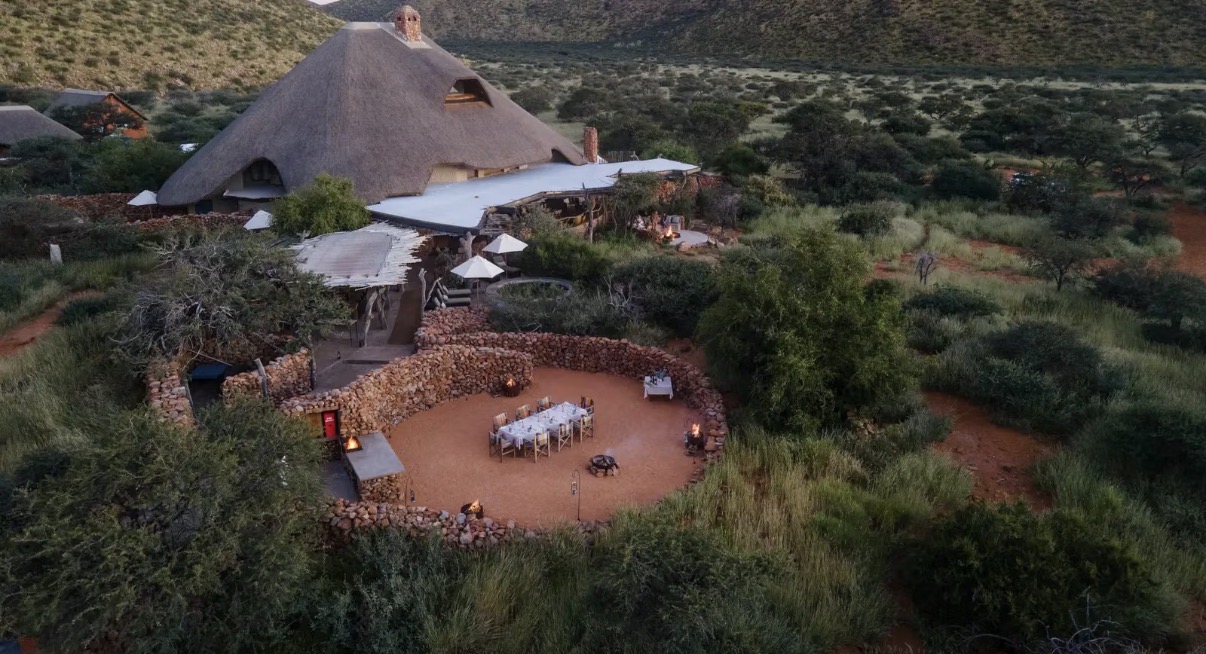
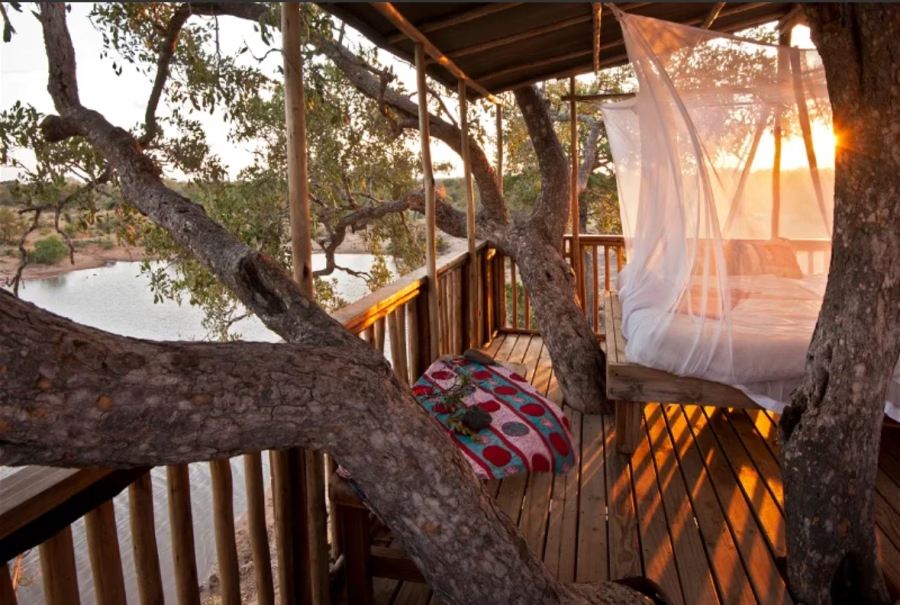
We did a mix of both, and I honestly think it worked brilliantly. We had the flexibility and lower costs of self-driving for part of the trip, but also spent two nights at Umlani for the full safari experience. It felt special without being absurdly over the top. We did not go for the full airlifted-in, hyper-luxury, butler-lurking-somewhere-in-the-bushes version, and I did not miss that at all. The one thing I might change would be to add one more night at Umlani or swap one of the nights elsewhere for a second lodge with a walking safari, just to experience a slightly different side of it. I’ve written a full post about safari lodges in South Africa, if you’re still deciding.
Park fees: not free, even with a Wild Card
Park fees are one of those costs that are not especially exciting, but they do matter, especially if you are entering several national parks over the course of a trip. We bought Wild Cards, which meant that after a while entering the parks started to feel free. This was, of course, a lie we told ourselves for comfort. They were not free. We had simply prepaid for them in a way that made the pain less visible.
That said, if you are visiting multiple parks, they can still be well worth it and make the overall cost feel more manageable.
Car hire and driving cost: less dramatic, still important
Because this itinerary involves a fair bit of driving, car hire is one of those costs you cannot really ignore, however much you might prefer to spend the money on wine or wildlife instead. The good news is that the difference between budget and mid-range is usually not enormous unless you start choosing larger or more premium cars.
Fuel, tolls and parking are much less glamorous than whale watching or safari drives, but they do quietly add up while nobody is paying attention.
We somehow got a free car upgrade in Johannesburg because someone drove into the car we had actually rented while it was being delivered to our guesthouse, which was not ideal for anyone involved. It did mean we started the trip with unexpectedly better wheels. I would not necessarily recommend this as a money-saving strategy, but it did add a little surprise glamour to proceedings.
Food and drink: easy to save on, easy to splurge on
Food is one of the easiest categories to adjust depending on how you like to travel. If you are happy mixing supermarket stops, simple lunches and casual restaurants, it is fairly easy to keep costs under control. If you start leaning into winery lunches, multiple courses and scenic sundowners on a regular basis, the total rises accordingly.
We landed happily in the middle. We were not cooking every meal and living on snacks from petrol stations, but neither were we behaving as though every lunch needed to be an event. South Africa is quite a dangerous place in that sense, because it is very easy to justify “just one nice meal” several times in a row.
Activities and extras: the sneaky category
This is the category where all the smaller costs gather and quietly multiply. Wine tastings, museum tickets, tips, coffees, extra snacks, little detours, and the occasional thing you book because it sounds too good to skip all tend to end up here. None of them look especially alarming on their own, but together they can become a surprisingly noticeable part of the budget.
This is also why I would not get too precious about any total down to the last euro. Travel budgeting is never an exact science. It is more a case of making a sensible plan and then accepting that your holiday self will make slightly different choices from your spreadsheet self.
So which version would I choose?
Honestly, the mid-range version is exactly what we did, and I do not think I would change much. It felt like the sweet spot between comfort and cost: lovely places to stay, a proper safari experience, plenty of good food, and enough flexibility to enjoy the trip without making it feel financially deranged.
If I were adjusting anything, I would probably put a little more of the budget into the safari part, either by adding one more night at Umlani or by including a second lodge with a walking safari. But I would not bother spending more on hotel pools in the south in winter, because that was a feature I admired much more in theory than in practice.
Overall, I think this kind of trip works incredibly well at a mid-range level. You still get the experiences that really matter, but without drifting into the kind of luxury pricing that makes your credit card stare back at you in silent reproach.
Once you’ve got a clearer idea of what a trip like this costs, the next step is turning those numbers into something that actually works for your own plans.
If you haven’t already, this guide walks you through how to build a travel budget you’ll realistically stick to.