How I planned our Indonesia itinerary (and what I left out)
When we first started planning our Indonesia-trip, 4 weeks in Southeast Asia sounded like plenty of time. Then we took out the travel days, added two days in Singapore, and realised we actually had just 24 days in Indonesia itself. That’s when I looked at the itinerary and accepted that seeing everything I wanted to see was simply not going to happen. Indonesia is vast, and trying to fit Sumatra, Java, Bali and the Komodo Islands into three and a half weeks was an excellent way to spend the entire holiday in airports, on ferries or staring out of train windows. It was time to decide what mattered most.
Here’s how I planned the itinerary, and why. Marc, as usual, trusted me to sort out the arrangements.
I am aware that “seeing less and slowing down” is generally considered good travel advice. I am also aware that my final itinerary includes orangutans, volcanoes, temples, trains, dolphins and three different parts of Bali. But there are also things I skipped. I told myself I was making progress.
Then the vouchers arrived.
A closer inspection revealed three hotel pick-ups scheduled for hours before dawn, only five days without an activity starting before 8 a.m., and no fewer than fourteen different hotels in three and a half weeks. At that point I began to suspect that my definition of “slowing down” might differ slightly from everyone else’s.
But despite the alarming evidence to the contrary, there was logic behind the itinerary.
If you’re planning an Indonesia trip yourself: this itinerary guide is part of my Indonesia Travel Guide, where you’ll find all my destination guides, practical tips and travel stories in one place as I publish them.
The non-negotiables
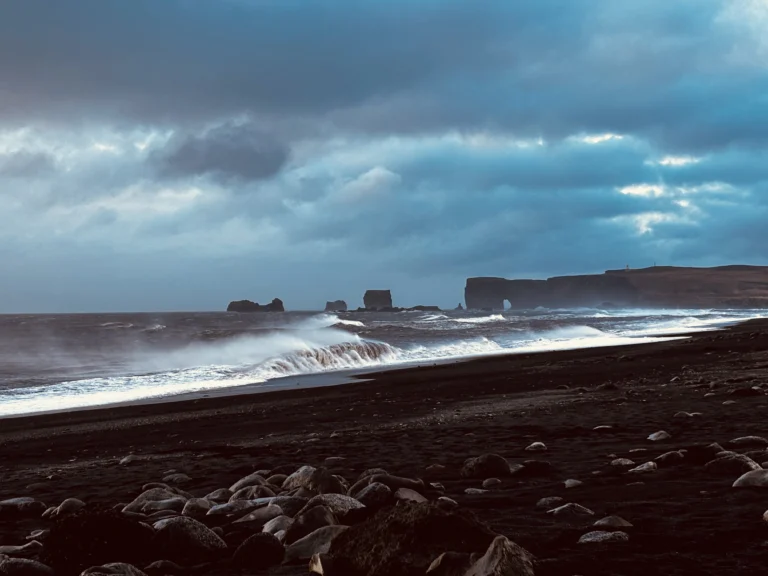
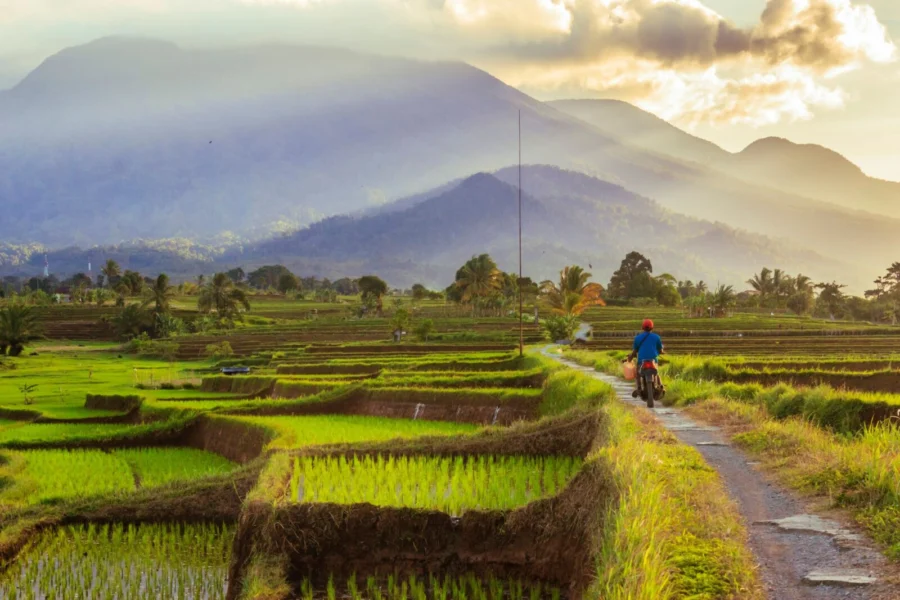
There were some things that were always going to be on the itinerary. Sumatra, for the orangutans and Lake Toba. Java, for Borobudur, Yogyakarta and, of course, the volcanic landscapes of Bromo Tengger Semeru National Park. Inland Bali, for its rice terraces, waterfalls and beautiful temples. Lovina, for its black-sand beaches and the snorkelling. More about that later. And a few days close to the sea, preferably in a place without scarily high waves and loud parties.
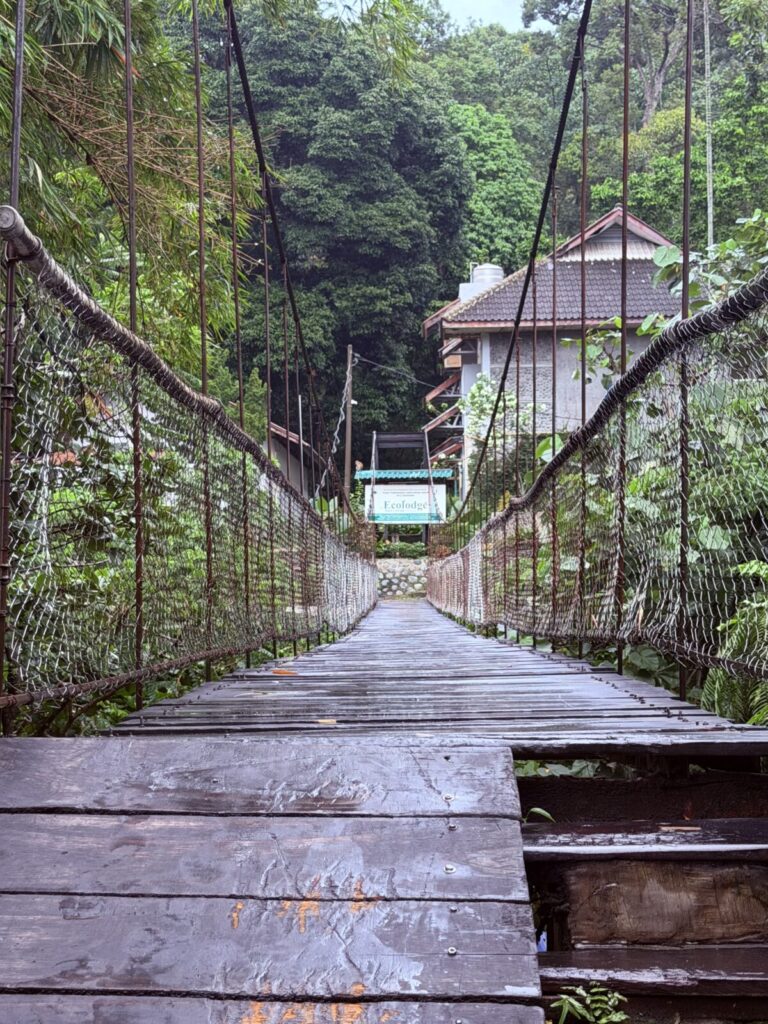
Not all of these non-negotiables remained equally non-negotiable throughout the planning process. Between booking the trip and actually getting ready for departure, some of them had started to feel more like liabilities. Volcanoes? Jungle treks? Suspension bridges? What on earth had I been thinking?
The nice-to-haves
Nothing is quite as dangerous as a well-designed travel brochure. Everything looks gloriously beautiful. Everywhere is empty. Nothing is dirty, messy, overrun by tourists or terrorised by monkeys. The sky is always blue, the sand is white, the palm trees don’t have a single speck of brown on them. Obviously, I must add this place to my itinerary immediately.
This type of thinking is how, after I’d already planned half the trip the minute Marc casually mentioned that he might like to visit Indonesia someday, an alarming number of extra places and experiences found their way onto the shortlist. Which was, in reality, a longlist.
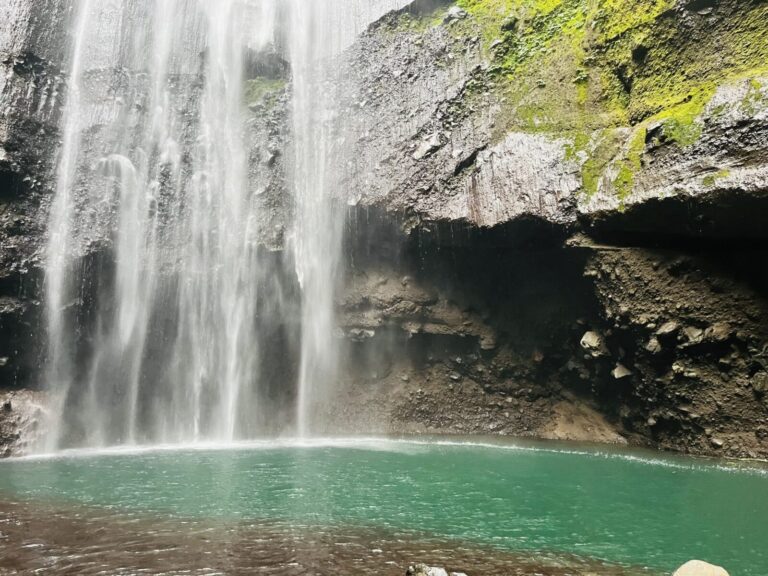
A sailing trip around Komodo National Park? Why not? Mount Ijen at sunrise? Why not? Snorkelling at Nusa Penida? Why not? Going on a river cruise in Borneo? Why not? Staying on Menjangan Island in the north of Bali, sleeping in a tent on the beach and catching our own fish? Why not?
At this point, my “Indonesia itinerary” had become less of a travel plan and more of a collection of every shiny thing I’d encountered in glossy travel brochures.
Where optimism met logistics
Once I’d identified the non-negotiables and the tempting extras, geography staged an intervention. Indonesia is simply too big.
Komodo looked amazing, but it would mean additional flights and transfers. Borneo offered incredible wildlife, but combining it with Sumatra would leave less time elsewhere. Nusa Penida came very close to making the itinerary. The scenery looked spectacular and it would have fitted reasonably well with our time in Bali. In the end, though, I decided that adding another island hop to an already busy trip would not be in our best interests. Also, ferries.
At some point I had to accept that every destination added to the itinerary would take time away from somewhere else. Assuming we wanted to sleep at all, I couldn’t fit everything in. It was time to decide what mattered most. After all, one of the biggest lessons I’ve learned about planning trips is that trying to see everything usually means enjoying less of it. More about that in my itinerary planning article.
What we ended up choosing
After much deliberation, spreadsheeting and the elimination of several destinations that looked absolutely wonderful, we settled on an itinerary that takes us through Sumatra, Java and Bali, with a short stop in Singapore because we have a stopover there anyway.
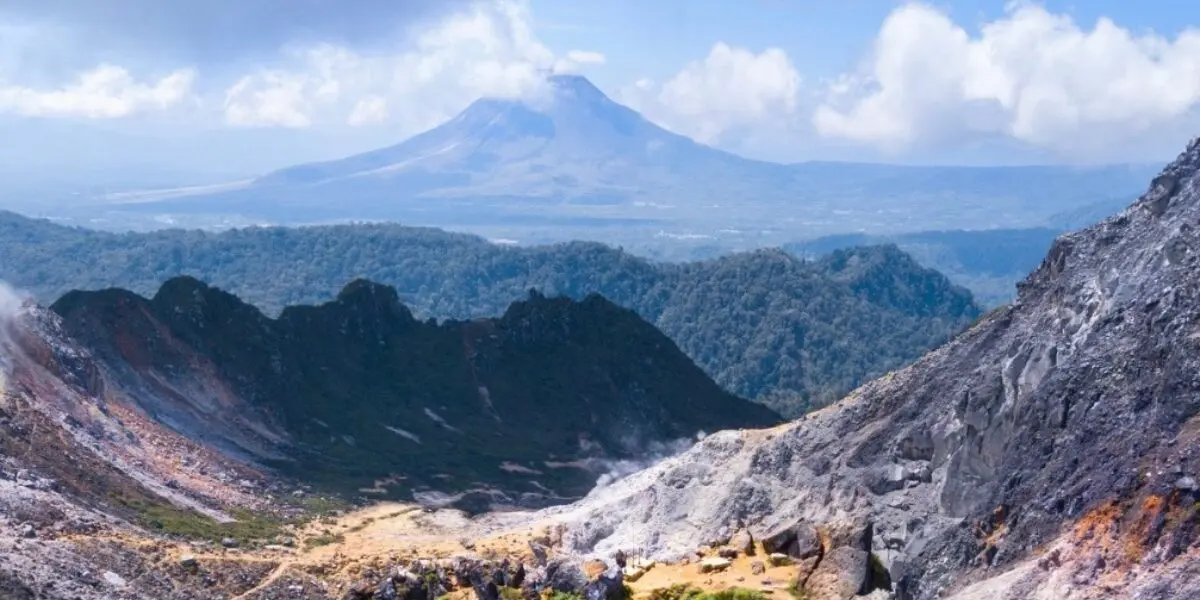
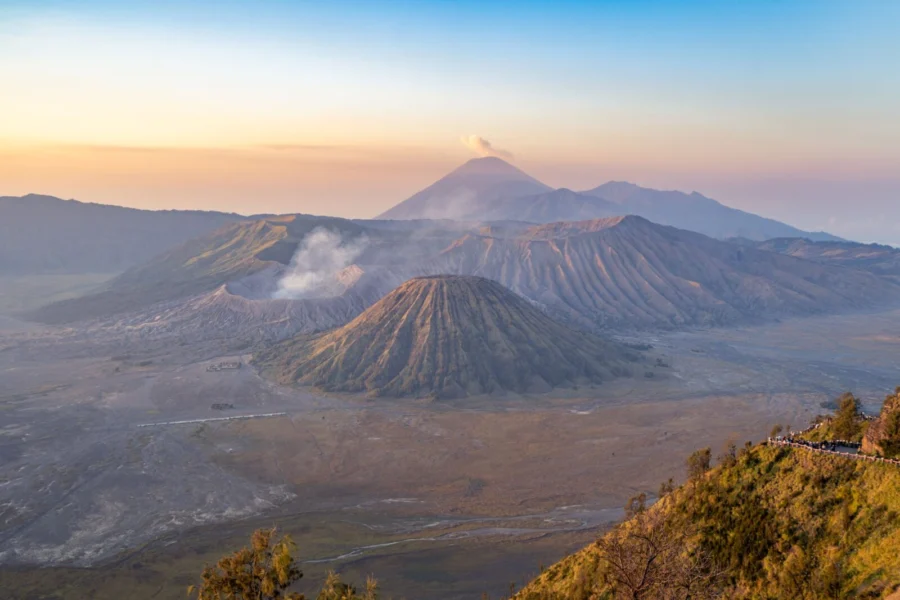
In Sumatra, we’ll be trekking in the jungle near Bukit Lawang, visiting Lake Toba and, for reasons that still escape me, climbing Mount Sibayak. Java will take us to Yogyakarta, where, unsurprisingly, a cycling tour to Borobudur turned up on the itinerary while I hadn’t suggested any such thing myself. We’ll also be taking the Malioboro Express and making the obligatory pilgrimage to Bromo. In Bali, we’re slowing the pace a little with time in Sidemen and Munduk, although “slowing down” apparently still includes snorkelling in Lovina despite my eyesight being approximately -5 dioptres.
Whether this turns out to be a perfectly balanced itinerary or a cautionary tale remains to be seen. I’ll report back after the trip with all the details, including what worked, what didn’t, and which plans looked considerably better in my spreadsheets than they did in real life.
The truly remarkable thing is that there are still several days with nothing planned at all. Four, at the last count. Clearly, this is a situation that requires immediate attention and further research into possible excursions.
What I’m still not sure about
Despite all the planning, there are still a few unanswered questions.
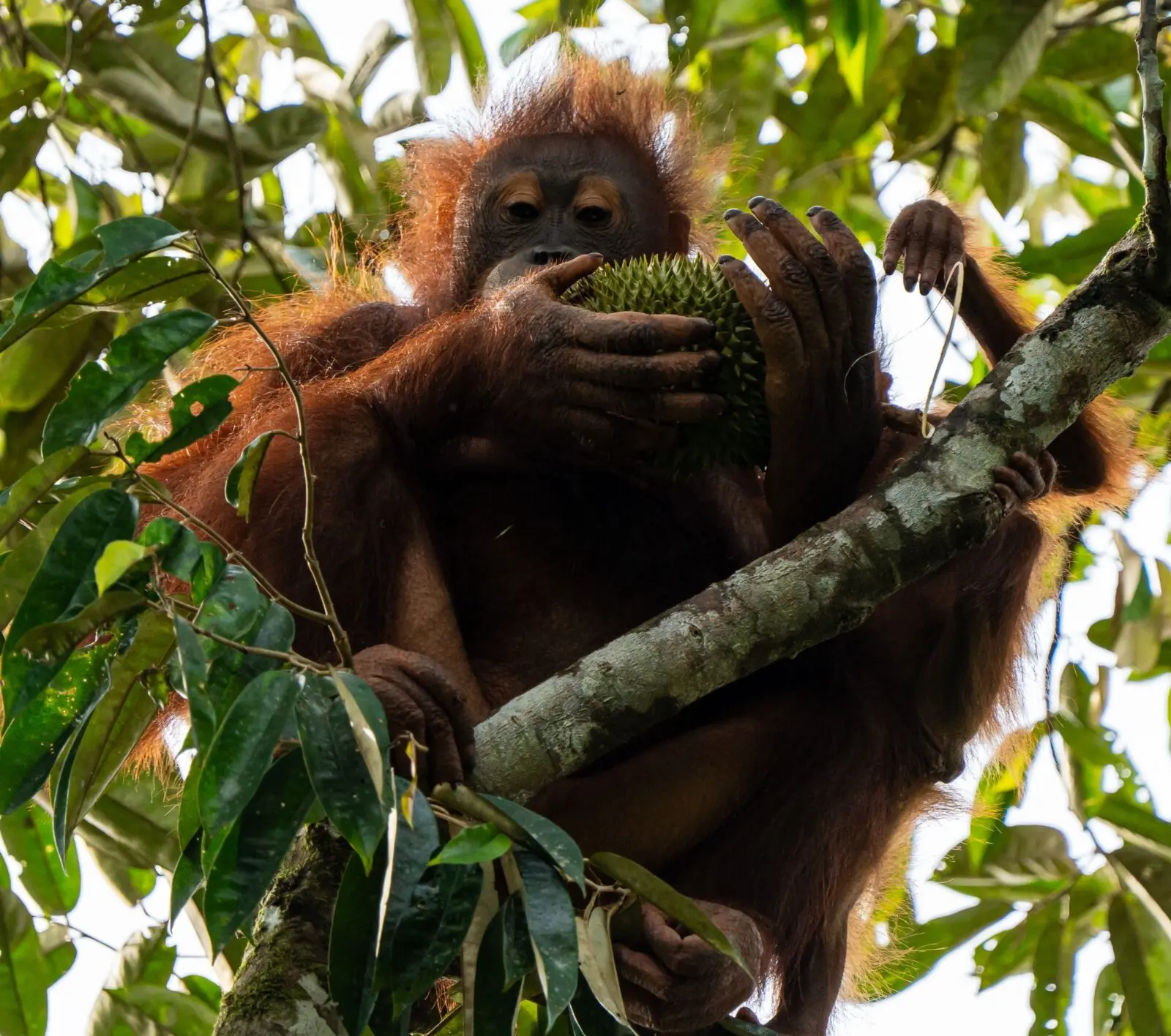
How much will I enjoy climbing Sibayak at an hour when I would normally still be asleep? Will I even make it to the top or will I have to settle for climbing half a volcano? Will snorkelling be quite as magical when I can’t actually see the difference between a dolphin and a shark until they’re far too close ? Will the Indonesian heat turn me into a puddle? Will I decide to struggle across the Sea of Sand at the foot of Bromo, or will I stay behind at the viewpoints with a book? Will my new phone make it back from this trip unscathed? Will the orangutans approve of my presence?
Anyone who has read Will I Fit? Will I Cope? will know that I have never yet managed to take a trip without first imagining at least a dozen potential disasters. Indonesia appears unlikely to break that streak.
And perhaps the biggest question of all: will those four unplanned days still exist by the time we leave? I think we all know the answer to that one.
If you’re planning a similar trip, I’ve put together our complete day-by-day itinerary, including transport, accommodation bases and the excursions we booked in advance. You can download it below.
This itinerary is just the beginning. Head over to my Indonesia Travel Guide: Volcanoes, Jungles & Island Adventures for destination guides, packing advice, transport tips and new articles as they’re published.
You can read about my Indonesia pre-trip anxiety in Overthinking my way to Indonesia. Or find out what I did to prevent all that impending doom in How not to lose your phone in a volcano.
And if this download helped make your trip planning easier, subscribe to my newsletter for access to my travel planning library, filled with practical checklists, detailed itineraries and useful travel tools.